Like
Share
멍실장
코카스파니엘 유전질환 체크리스트

Cocker Spaniel Genetic Disease Checklist

ImmunityBreed HealthMeongsiljang Veterinary Advisory Board

We’ve compiled a list of key health conditions that Cocker Spaniels are genetically predisposed to—such as otitis externa, glaucoma, and autoimmune diseases—so owners can proactively monitor their pets’ health.

What Kind of Breed Is the Cocker Spaniel?

A Cocker Spaniel with long ears and soft fur sits in the living room.
Cocker Spaniels, with their long, floppy ears and abundant coat, are a breed prone to certain health issues, particularly ear diseases and autoimmune hemolytic anemia. The most crucial aspect is early detection. If a Cocker Spaniel's otitis externa persists for more than 30 days, it can easily become chronic, potentially leading to difficult-to-manage complications such as ceruminous gland hyperplasia or Pseudomonas infections. Therefore, regularly checking for signs like ear odor, discharge, or redness in the eyes is the most effective preventive measure. If you notice any abnormalities, don't delay—have your veterinarian examine your pet promptly.

Top 5 Genetic Diseases Common in Cocker Spaniels

Cocker Spaniels are a breed that requires particular attention regarding ear and autoimmune-related issues.
Chronic Otitis Externa: Their floppy ears trap moisture, and combined with enlarged ceruminous glands, this leads to recurrent bacterial and yeast infections.
Immune-Mediated Hemolytic Anemia (IMHA): This is a condition in which the immune system attacks the body’s own red blood cells. Cocker Spaniels are a predisposed breed in which IMHA is frequently reported.
Primary Glaucoma: Elevated intraocular pressure can threaten vision, so it is important to watch for signs of eye redness and pain.
Progressive Retinal Atrophy (PRA): This is a known eye disease characterized by the gradual degeneration of the retina, so monitoring for changes in night vision is recommended.
Dilated Cardiomyopathy: This condition can impair heart muscle function, so please observe any changes in breathing or coughing after exercise.

1. Chronic Otitis Externa — The Most Common Disease in Cockers
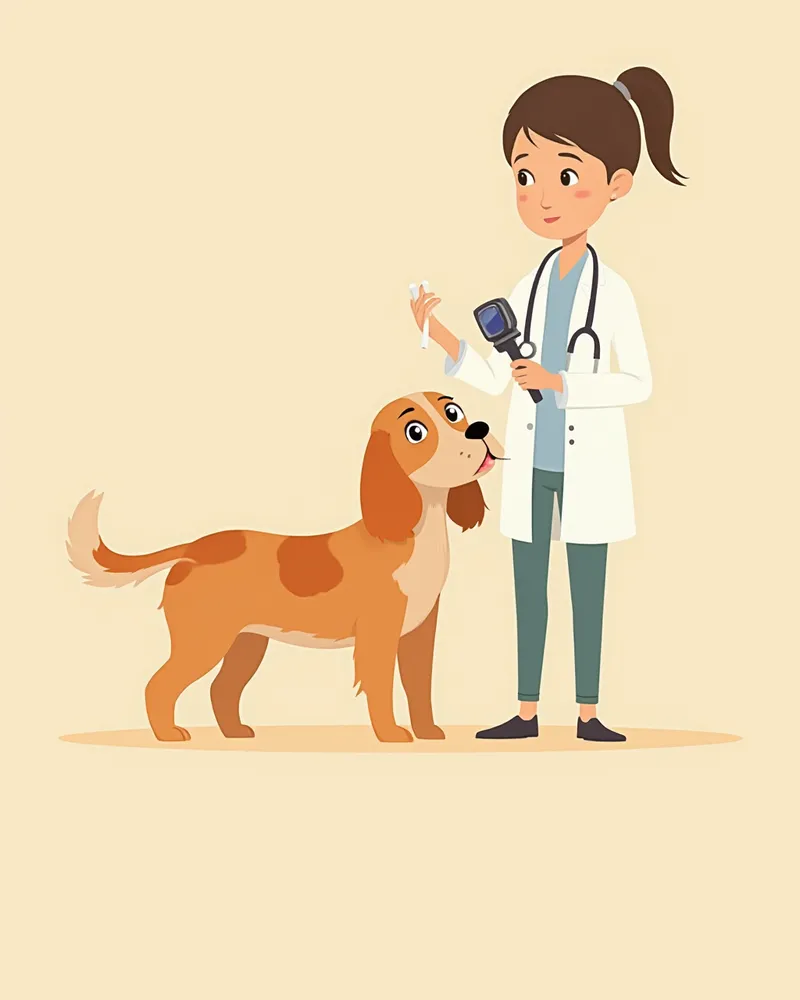
The Cocker Spaniel is a breed frequently cited in discussions of chronic otitis externa. Otitis externa is generally classified as chronic when it persists for more than 30 days. Once chronic, the condition becomes difficult to treat due to the compounding effects of "aggravating factors" such as ceruminous gland hyperplasia, soft tissue edema, epithelial hyperplasia, and ear canal stenosis. Floppy ears impede ventilation, creating an environment where moisture and microorganisms easily accumulate. In Cocker Spaniels with severe ceruminous gland hyperplasia, infections with multidrug-resistant bacteria such as Pseudomonas aeruginosa have been reported. P. aeruginosa is the most common Gram-negative bacterium in canine otitis externa, and once established, it is notoriously difficult to manage.
A veterinarian examining the floppy ears of a Cocker Spaniel with an otoscope.

Go to the Vet Immediately for These Ear Signs

If your pet’s ears emit a sour or fishy odor, discharge yellow or brown fluid, appear red and swollen inside, or cause such pain that they yelp when touched, simple cleaning won’t resolve the issue. In particular, if the discharge is thick and darkly colored, it may indicate a Pseudomonas infection, which requires bacterial culture testing.

2. Primary Glaucoma — Vision Can Be Lost in Hours

Primary glaucoma is a condition in which abnormally high intraocular pressure can damage the internal structures of the eye and the optic nerve. While Cocker Spaniels are widely recognized by pet owners as a breed requiring particular attention to eye health, accurately assessing the actual risk of developing this disease requires a comprehensive ophthalmic examination and intraocular pressure measurement. The concerning aspect is that a sudden spike in intraocular pressure can strain the optic nerve within a very short period. Therefore, if you notice sudden redness or cloudiness in just one eye, do not delay by thinking you can visit the clinic tomorrow; promptly checking the intraocular pressure is essential to preserving your pet's vision.
An image showing a close-up of a Cocker Spaniel's eyes

Check for Emergency Glaucoma Signs

If one eye suddenly becomes red and cloudy, the pupil appears larger than usual, or your pet frequently rubs its eyes or seeks out dark places, emergency veterinary care is needed within 24 hours. Delaying treatment by thinking, "I'll go to the vet tomorrow," could result in permanent vision loss.

3. Autoimmune Hemolytic Anemia (IMHA)

Cocker Spaniels are predisposed to autoimmune hemolytic anemia, a condition in which the immune system mistakenly identifies and destroys the body’s own red blood cells. If you notice your dog’s gums appearing paler than usual or turning yellow (jaundice), urine taking on a reddish-brown hue, or your dog becoming unable to tolerate walks as usual and panting excessively, this condition should be suspected. Delayed diagnosis can lead to an emergency situation requiring blood transfusion.

Checklist for Early Detection of Cocker Genetic Diseases

ItemArea to checkFrequency of checking
Chronic otitis externaEar odor, discharge, rednessOnce a week
Primary glaucomaEye redness, pupil sizeOnce a month + immediately if abnormal
Autoimmune anemiaGum color, urine colorOnce a month
Progressive retinal atrophyNight vision, behavior in dark placesOnce a month
CardiomyopathyCoughing, panting after exerciseObserve once a week

Organized mainly around items the owner can check at home

Daily Care Points for Cocker Owners

For Cocker Spaniels, the key is proactive preventive care.
Ear care: Clean the ears with an ear-cleaning solution once or twice a week, and make sure the inside of the ears is completely dry after walks or baths.
Eye care: Wipe away eye discharge daily and monitor for redness or changes in pupil size.
Dietary management: Avoid proteins that trigger allergies and choose foods rich in antioxidants.
Regular check-ups: Starting at age 5, schedule annual exams; after age 7, have eye pressure, heart, and blood tests done every six months.
A guardian gently cleaning the ears of a Cocker Spaniel

Points to Check Before Adopting or Breeding a Cocker

If you’re bringing home a new Cocker Spaniel or planning to breed, it’s important to have the parent dogs undergo ophthalmologic exams (for glaucoma and progressive retinal atrophy), cardiac evaluations, and checks for autoimmune disease history. Genetic conditions don’t stop with one dog—they can be passed directly to puppies—so comprehensive health screenings before breeding are a responsible owner’s duty.

Reviewed by a veterinarian

Dr. Tony — Punnawat Phongkittirak

Dr. Tony — Punnawat Phongkittirak

Veterinarian

A veterinarian who majored in veterinary medicine at Khon Kaen University, Thailand, and completed the IVSA program at North Carolina State University in the United States. Drawing on clinical experience at animal hospitals, he works in the pet healthcare field and is dedicated to building a digital care environment that connects pet parents with veterinarians.

Frequently Asked Questions

Do Cocker Spaniels suffer from recurrent otitis externa throughout their lives?
Genetic ceruminous gland hypertrophy doesn’t go away on its own, so the risk of recurrence requires lifelong management. However, cleaning the ears once or twice a week and managing allergies can significantly reduce how often flare-ups occur and how severe they are.
Can glaucoma in Cocker Spaniels be detected through early screening?
We can check your pet’s eye health by measuring intraocular pressure with a tonometer. If you notice signs such as redness, pain, or changes in vision, don’t delay—schedule an ophthalmic exam right away.
Which Cocker Spaniel food should I choose?
If your pet frequently suffers from allergic otitis externa, a diet with a limited protein source (such as salmon-only or duck-only) or a hydrolyzed protein diet may be helpful. Antioxidants like vitamin E and omega-3 fatty acids are also beneficial for supporting immune function and eye health.
At what age should a Cocker Spaniel start receiving comprehensive health checkups?
Considering the risk of genetic diseases, we recommend basic check-ups at age 2, annual exams starting at age 5, and eye pressure, heart, and blood tests every six months after age 7.
Do English Cocker Spaniels and American Cocker Spaniels suffer from different diseases?
Both breeds are at risk for chronic otitis externa, and immune-mediated hemolytic anemia (IMHA) is a commonly reported condition in Cocker Spaniels. Additionally, both American Cocker Spaniels and English Springer Spaniels are known to be susceptible to phosphofructokinase (PFK) deficiency, a condition that can cause red blood cells to break down and lead to anemia.

Share

Related Guides

References

[1] BSAVA Manual of Canine and Feline Dermatology, 4th Edition - Otitis Externa in Cocker Spaniels

[2] Clinical Atlas of Canine and Feline Ophthalmic Disease, 2nd Edition - Chapter 163 Primary Glaucoma

[3] The Veterinary Workbook of Small Animal Clinical Cases, Case 30 - Breed Predisposition to Glaucoma

[4] Ettinger's Textbook of Veterinary Internal Medicine, 8th Edition - Immune-Mediated Hemolytic Anemia

This information is based on veterinary literature and does not replace diagnosis or treatment. Please consult a veterinarian for specific health concerns.

Metapet Co., Ltd. | CEO: Park Sung-yong | Business Reg. No. 417-88-02562 | Seoul, South Korea | Customer Center

Cocker Spaniel Genetic Disease Checklist: Ears & Eyes | Meongsiljang