Like
Share
멍실장
진돗개 고관절 이형성 — 한국 견종 호발 검진 시점과 평생 관리법

Jindo Hip Dysplasia — Complete Guide to Symptoms, Screening Timing, and Lifelong Management

JointBreed HealthMeongsiljang Veterinary Advisory Board

The Jindo is an active, medium-sized native Korean breed in which hip dysplasia is a relatively common condition. Regular check-ups between 6 and 12 months of age, along with weight and exercise management, are crucial for ensuring healthy mobility throughout the dog's life.

What is Hip Dysplasia in Jindo Dogs?

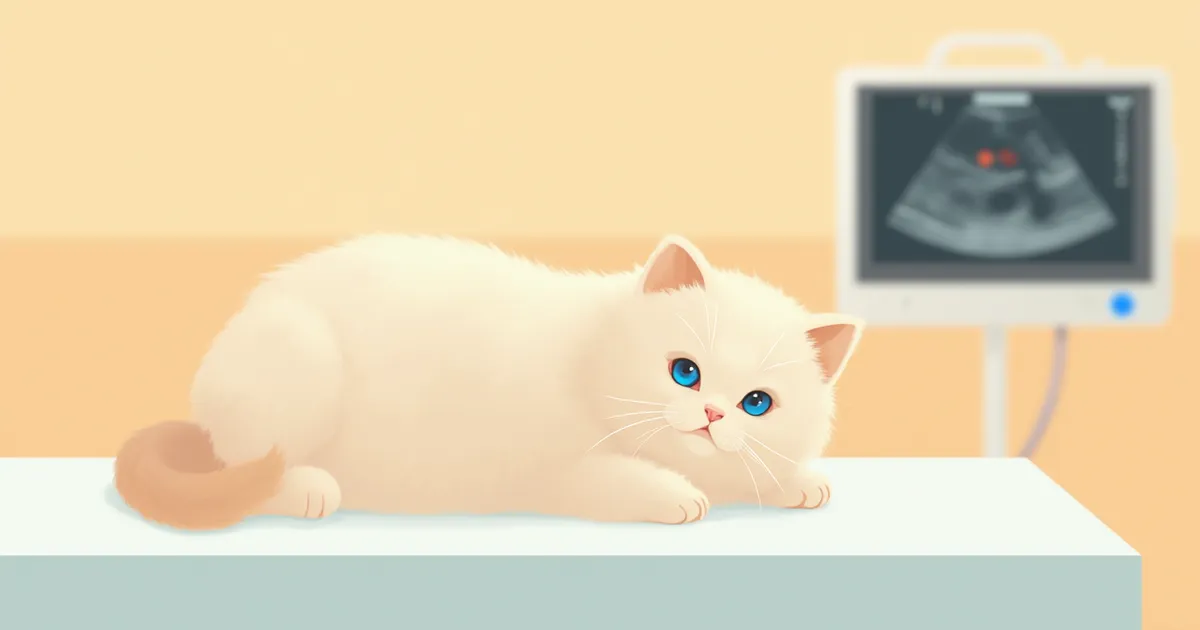
A veterinarian examining the hip joint of a Jindo dog.
Hip dysplasia in Jindo dogs is a developmental joint disorder in which the head of the thigh bone (femur) does not fit properly into the hip socket (acetabulum), causing joint laxity and progressive wear. Early detection is truly crucial. Jindo dogs are highly active and tend to tolerate pain well, so hip dysplasia may already be advanced even if they are not limping. Scheduling staged screenings at 6, 12, and 24 months of age can help maintain their gait and mobility for life.

Why is it Common in Jindo Dogs?

Although Jindo dogs are not classified as large breeds, their high activity levels and sturdy musculature—traits inherited from their working-dog lineage—make them prone to accumulating stress on their hip joints. According to veterinary textbooks, the exact cause of hip dysplasia remains not fully understood, but genetic predisposition (polygenic) is the primary underlying factor, with non-genetic factors such as rapid growth rate, obesity, excessive exercise during puppyhood, and imbalanced nutrition or body conformation also contributing to the onset and progression of the condition. Because risks increase significantly when puppies are overfed for rapid growth or allowed to engage in rough play, this is particularly important for Jindos, who often have ample space to roam freely in yards or on rooftops.

Top 4 Common Joint Conditions in Jindo Dogs

This is a common joint-related condition that Jindo dog owners should be aware of. In addition to hip dysplasia, there are other conditions to watch for. - Hip Dysplasia: A developmental disorder in which the femoral head and pelvic socket are misaligned, leading to arthritis. - Partial Cruciate Ligament Tear: In active Jindos, this often occurs as a gradual tear. - Degenerative Arthritis: Chronic pain begins as joint wear accumulates in middle age and beyond — it progresses more rapidly as a secondary effect if hip dysplasia is present. - Lumbosacral Stenosis: A condition involving compression of the nerves in the lower back, reported in working dog breeds.
Illustration comparing a normal hip joint and a dysplastic hip joint

When to Screen for Hip Dysplasia in Jindo Dogs — Recommended Schedule by Age

Item6 months12 months24 monthsMiddle age and beyond
Examination typeEarly screening X-rayStandard X-ray + palpationVentrodorsal detailed X-rayArthritis follow-up X-ray
Points to checkJoint laxity (joint looseness)SubluxationDefinitive diagnosis, evaluation of joint changesArthritis progression
Anesthesia requiredOptionalOptionalRecommendedOptional
Additional testsWeight, growth curveMuscle mass measurementGait analysisBlood test, pain assessment

The standard diagnosis of hip dysplasia is a ventrodorsal radiograph taken with the dog on its back and both femurs extended parallel. There is no single fixed standard for specific examination timing and items, so they may be adjusted according to the clinic and symptoms.

Suspect Hip Dysplasia If You See These Signs

Jindo dogs tend to hide pain well, so owners need to be the first to notice even subtle changes. - Bunny-hopping: Running with both hind legs moving together - Sitting with one leg extended to the side: A posture adopted when extending the hip joint is uncomfortable - Avoiding stairs or jumping on sofas: Suddenly refusing to jump, even if they previously enjoyed it - Limping after walks: Stiffness occurring immediately after exercise or the following morning - Asymmetrical muscle loss in the hindquarters: Muscle atrophy that appears in the chronic stage
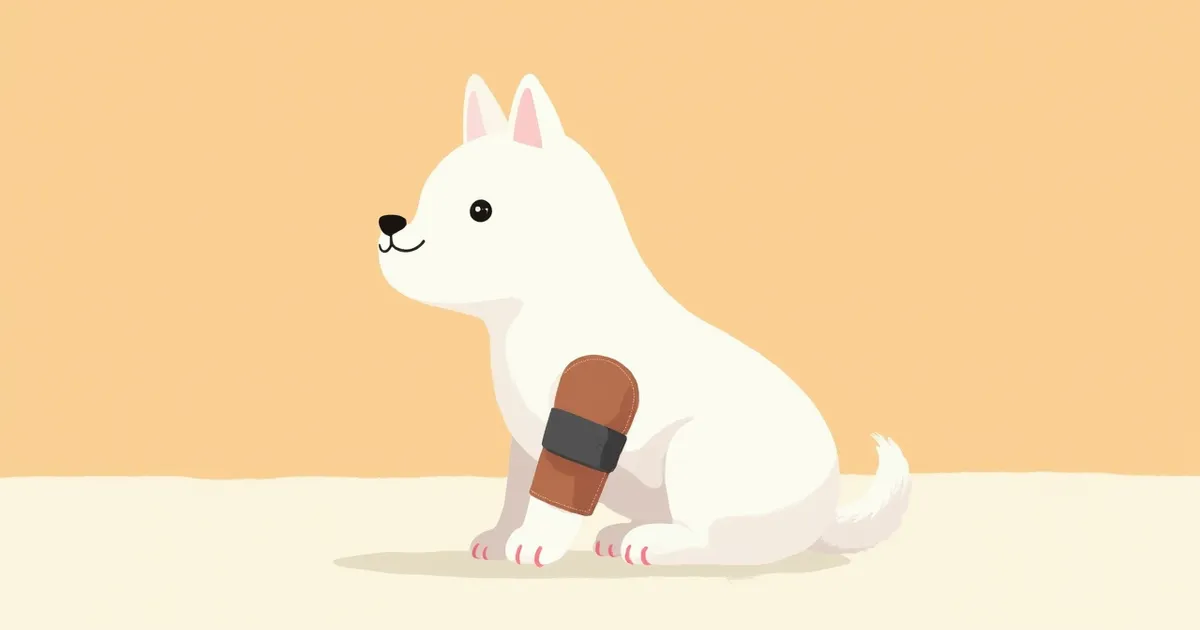
A Jindo dog sitting with one hind leg stretched out to the side

When to Go to the Vet Immediately

If any of the following signs persist for more than 24 hours, it may not be simple muscle soreness but rather a hip subluxation or an acute flare-up of arthritis. You should take your pet to a veterinary clinic with orthopedic capabilities right away. - Dragging or completely lifting one hind leg while walking - Whining or growling when trying to stand up - Strongly resisting when the hip area is touched - Inability to assume a normal posture for urination or defecation

How is Diagnosis Performed?

According to veterinary surgery textbooks, the standard diagnostic method for hip dysplasia is a ventrodorsal radiograph taken with the dog lying on its back and both femurs extended parallel to each other. In this position, we assess the congruence between the femoral head and the acetabulum, joint laxity (distance), and any signs of arthritis. Since Jindo dogs often have difficulty cooperating with positioning, we recommend using mild sedation or anesthesia for the procedure. For a more thorough evaluation, it is advisable to also obtain PennHIP or OFA grading assessments.

Treatment — From Conservative Care to Surgery

Treatment varies depending on the degree of dysplasia, pain level, age, and activity level. - Weight management and exercise control: This is fundamental at all stages. Maintaining a lean body condition reduces joint stress, and some studies suggest that dogs kept lean during growth may develop less severe dysplasia. - Rehabilitation and exercise therapy: Controlled exercise helps reduce joint load while strengthening the hip and thigh muscles to improve joint stability. - Anti-inflammatory and pain-relieving medications: Used progressively under veterinary prescription—typically, NSAIDs are administered for a specific period to manage pain. - Joint supplements: Glucosamine, chondroitin, and omega-3 fatty acids (used as adjunctive therapy after consulting with your veterinarian). - Surgical treatment: Pelvic osteotomies (JPS, DPO, TPO) for young puppies; femoral head ostectomy (FHO) or total hip replacement (THR) for adult dogs. Your veterinarian will determine the specific medication dosages and timing for surgery based on a comprehensive assessment of imaging results, weight, and clinical symptoms.
A Jindo dog undergoing rehabilitation on an underwater treadmill

Key Ingredients That Help with Jindo Hip Joint Management

Safe

글루코사민(Glucosamine)

연골 구성 물질을 보충해 마모 속도를 늦춰요

Dosage: 체중 1kg당 20~30mg/일

수의약리학 교과서 권장

Safe

콘드로이틴(Chondroitin Sulfate)

연골 분해 효소를 억제해요

Dosage: 체중 1kg당 15~20mg/일

Safe

오메가-3(EPA·DHA)

관절 염증 반응을 줄여요

Dosage: 체중 1kg당 EPA+DHA 50~70mg/일

Caution

MSM

항염증·통증 완화 보조

Dosage: 체중 1kg당 50mg/일

보조 근거 수준, 단독 사용은 비권장

Lifelong Management Points Jindo Owners Must Follow

The key is to safely maintain your Jindo’s activity level while reducing stress on the hip joints. - Weight: Consistently maintain a lean, ideal body condition — being overweight is a primary factor that accelerates joint wear. - Exercise: Avoid repetitive jumping and stair climbing during puppyhood; prioritize controlled walks on flat ground over rough, unstructured play. - Flooring: Mitigate slippery vinyl flooring with mats — slipping is the biggest aggravating factor. - Diet: Avoid large-breed puppy formulas designed for rapid growth; be cautious of overfeeding and excessive growth rates. - Check-up Frequency: Schedule regular orthopedic X-rays starting in middle age. It’s also a good idea to have the cruciate ligaments checked alongside the hips.

What to Check When Adopting or Breeding Jindo Dogs

Hip dysplasia is a condition with a strong genetic predisposition. When acquiring a Jindo, request the parents’ OFA ratings or orthopedic examination results. Even if such ratings are unavailable, early screening around six months of age can help identify risk factors sooner. If you’re considering breeding, excluding dogs diagnosed with hip dysplasia from breeding programs is a fundamental principle for preserving the Korean breed and safeguarding joint health in future generations.

Reviewed by a veterinarian

Dr. Tony — Punnawat Phongkittirak

Dr. Tony — Punnawat Phongkittirak

Veterinarian

A veterinarian who majored in veterinary medicine at Khon Kaen University, Thailand, and completed the IVSA program at North Carolina State University in the United States. Drawing on clinical experience at animal hospitals, he works in the pet healthcare field and is dedicated to building a digital care environment that connects pet parents with veterinarians.

Frequently Asked Questions

At what age should Jindo dogs begin hip joint screening?
Because this condition has a strong genetic predisposition, it’s safest to have your pet evaluated early on. The typical approach involves a baseline assessment around one year of age, followed by detailed radiographs to check joint health once skeletal maturity is reached. However, there’s no one-size-fits-all rule; the timing of these checks is tailored based on your pet’s activity level and individual risk factors.
Does a Jindo dog hopping like a rabbit always indicate hip dysplasia?
Bunny hopping is a key sign, but it’s not enough on its own for a definitive diagnosis. An accurate diagnosis requires X-rays to assess both joint laxity and structural changes.
Is it possible to manage the condition for life without surgery?
In mild to moderate cases, many pets can live pain-free with weight management, exercise, medication, and rehabilitation alone. However, if gait abnormalities progress or pain remains uncontrolled with medication, surgical treatment should be considered.
When is the best time to start giving joint supplements?
Joint supplements play a supportive role, so dietary management, exercise, and weight control should always take priority. Rather than following a fixed timeline, the best time to start is determined by your dog’s individual risk factors—such as parental history of hip dysplasia and activity level—as well as their current condition, in consultation with your veterinarian.
Does swimming really help?
Swimming and underwater treadmill exercises are great for building hip muscles while reducing weight-bearing stress. However, since many Jindo dogs are afraid of water, it's best to gradually introduce them to water activities from a young age.

Share

Related Guides

References

[1] Textbook of Veterinary Orthopaedic Surgery, Chapter 9: Hip Dysplasia

[2] Clinical Medicine of the Dog and Cat, 4th Ed — Hip Dysplasia

[3] The Dog Care Handbook, Things I Wish My Vet Had Told Me — Hip Dysplasia

[4] OFA(Orthopedic Foundation for Animals) Hip Dysplasia Screening Guidelines

This information is based on veterinary literature and does not replace diagnosis or treatment. Please consult a veterinarian for specific health concerns.

Metapet Co., Ltd. | CEO: Park Sung-yong | Business Reg. No. 417-88-02562 | Seoul, South Korea | Customer Center

Jindo Hip Dysplasia — Symptoms, Screening & Lifelong Care | Meongsiljang