

The Complete Guide to Labrador Obesity Management
Labradors are genetically predisposed to strong appetites, making them the breed most at risk for obesity. Proper weight management is key to protecting their joints, heart, and overall lifespan.
Why Do Labradors Gain Weight So Easily?

Major Health Issues Caused by Labrador Obesity
Is My Dog Overweight? Self-Assessment of Body Condition

When to Consult a Veterinarian First
Before simply reducing your pet’s food intake, a veterinary checkup may be necessary. If your pet has gained weight rapidly over a short period, has a pot-bellied appearance with thin legs, or is experiencing hair loss and darkening of the skin, these could be signs of hormonal disorders such as hypothyroidism or Cushing’s syndrome. In such cases, starting a diet is not recommended; instead, blood tests should be conducted to identify the underlying cause.
How to Calculate Your Labrador’s Daily Caloric Needs
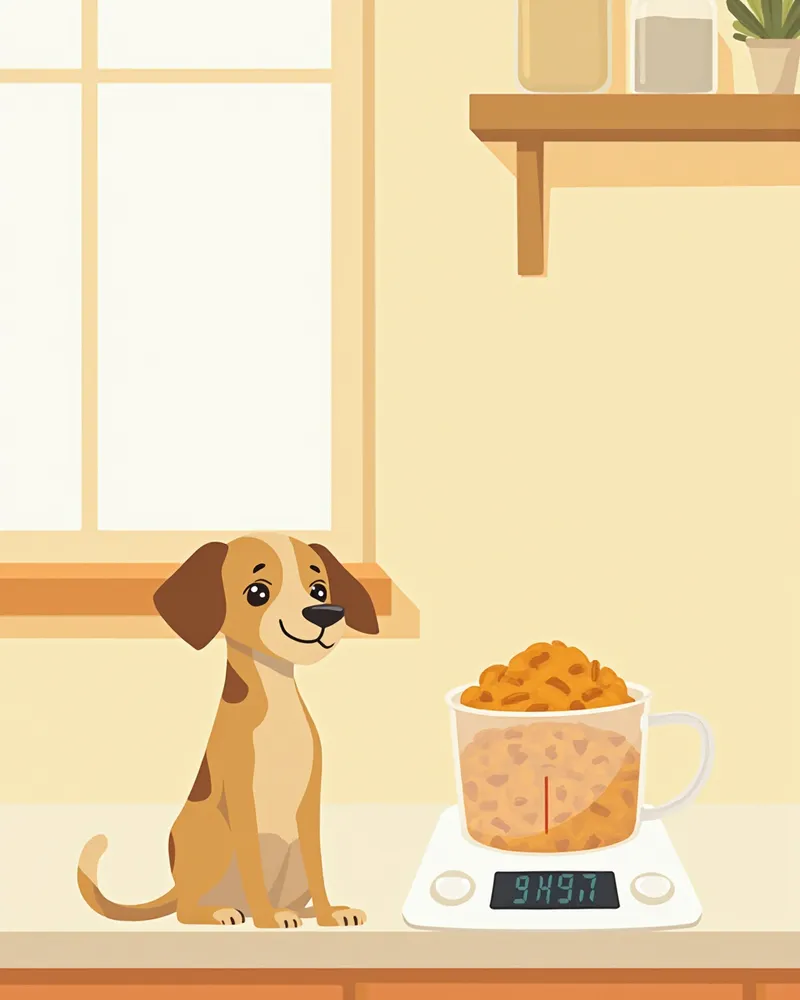
Feeding and Exercise Guide by Labrador Body Type
| Item | Underweight (BCS 1–3) | Normal (BCS 4–5) | Overweight to obese (BCS 6–9) |
|---|---|---|---|
| Food amount guideline | 110–120% of maintenance | 100% of maintenance | 80–90% based on target weight |
| Treat allowance | ≤10% of total calories | ≤10% of total calories | ≤5% of total calories |
| Recommended exercise | 30–45 min/day, light | 60–90 min/day, walks + play | Split into 2 sessions/day, low-intensity and long |
| Weight loss goal | Not applicable | Maintain | Lose about 1% per week |
| Re-measurement interval | 4 weeks | 8 weeks | 2 weeks |
BCS (Body Condition Score) follows the World Small Animal Veterinary Association (WSAVA) 9-point scale. Determine exact figures in consultation with your veterinarian.
How to Choose Weight-Loss Dog Food

How to Plan a Labrador Exercise Routine
Treats and Human Food: The Real Causes of Weight Gain
The most common mistake Labrador owners make is reducing meal portions while keeping treats unchanged. Just one dog chew (about 100 kcal), one slice of cheese (about 80 kcal), or one sausage (about 120 kcal) can increase your dog’s daily caloric intake by 10–20%. That pleading look after the food bowl is empty is likely less about hunger and more about the breed’s strong food drive and predisposition to obesity. The key is to measure treats carefully and deduct their calories from the day’s regular kibble ration.
Weight Loss Rate: Pushing Too Hard Can Backfire
Reviewed by a veterinarian

Dr. Tony — Punnawat Phongkittirak
VeterinarianA veterinarian who majored in veterinary medicine at Khon Kaen University, Thailand, and completed the IVSA program at North Carolina State University in the United States. Drawing on clinical experience at animal hospitals, he works in the pet healthcare field and is dedicated to building a digital care environment that connects pet parents with veterinarians.
Reviewed 2026-04-26
Frequently Asked Questions
Do Labradors really gain more weight after being spayed or neutered?
Our Labrador is always hungry. Should we give him more food?
My dog is 7 years old. Is it safe to start a diet now?
My Labrador has multiple lipomas. Are they related to obesity?
My pet isn’t losing weight. When should I take them to the vet?
Share
Related Guides

Chitosan Effects and Obesity/Fat Absorption
Top 5 Weight-Management Dog Food Recommendations for 2026

7 Best Cat Weight-Loss Diets Recommended by Veterinarians and How to Choose

Shiba Inu Genetic Disease Checklist
Worried About Your Floppy-Eared Beagle? Otitis Externa Warning Signs and Ear Care Timing

French Bulldog Genetic Disease Checklist

Welsh Corgi Health Care — Guide to Preventing Disc Disease and Obesity

Mini Bichon Health Care — Guide to Preventing Patellar Luxation and Tear Staining

Munchkin Cat Health Care (Joints and Spine)

Bichon Frise Health Care — Skin, Joint, and Tear Stain Management
References
[1] Raffan E. et al., A Deletion in the Canine POMC Gene Is Associated with Weight and Appetite in Obesity-Prone Labrador Retriever Dogs, Cell Metabolism, 2016
[2] Marshall W.G. et al., The effect of weight loss on lameness in obese dogs with osteoarthritis, Veterinary Research Communications, 2010
[3] Applied Veterinary Clinical Nutrition, 2nd Ed, Chapter 10 — Obesity and Weight Management
[4] Small Animal Clinical Nutrition, 5th Ed, Chapter 27 — Obesity
[5] WSAVA Global Nutrition Committee, Body Condition Score Guidelines, 2020