Like
Share
멍실장
비숑 파우더 퍼프 스타일 그루밍 완벽 가이드

The Ultimate Guide to Bichon Powder Puff Style Grooming

Skin & CoatBreed HealthMeongsiljang Veterinary Advisory Board

We’ve put together a guide on the Powder Puff cut, the signature style for Bichon Frises, covering its characteristics and care tips. We’ll walk you through each step, from daily brushing to preventing skin issues.

What is Bichon Powder Puff Grooming?
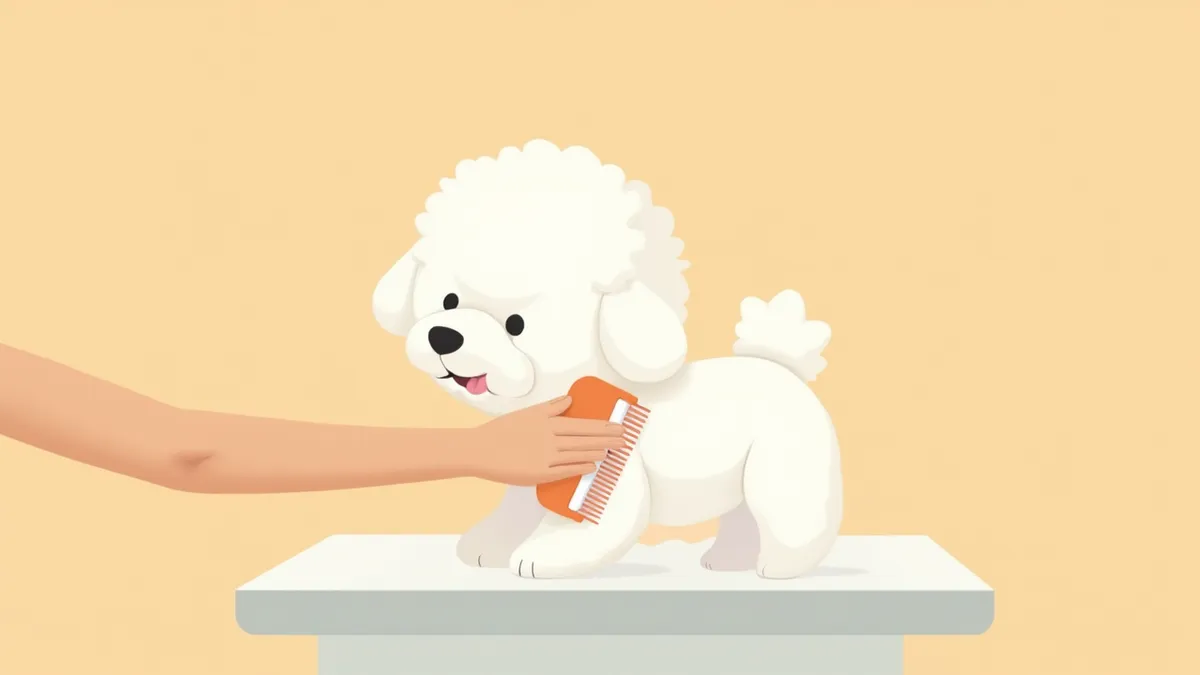
A Bichon Frise being groomed in a powder-puff style on a grooming table
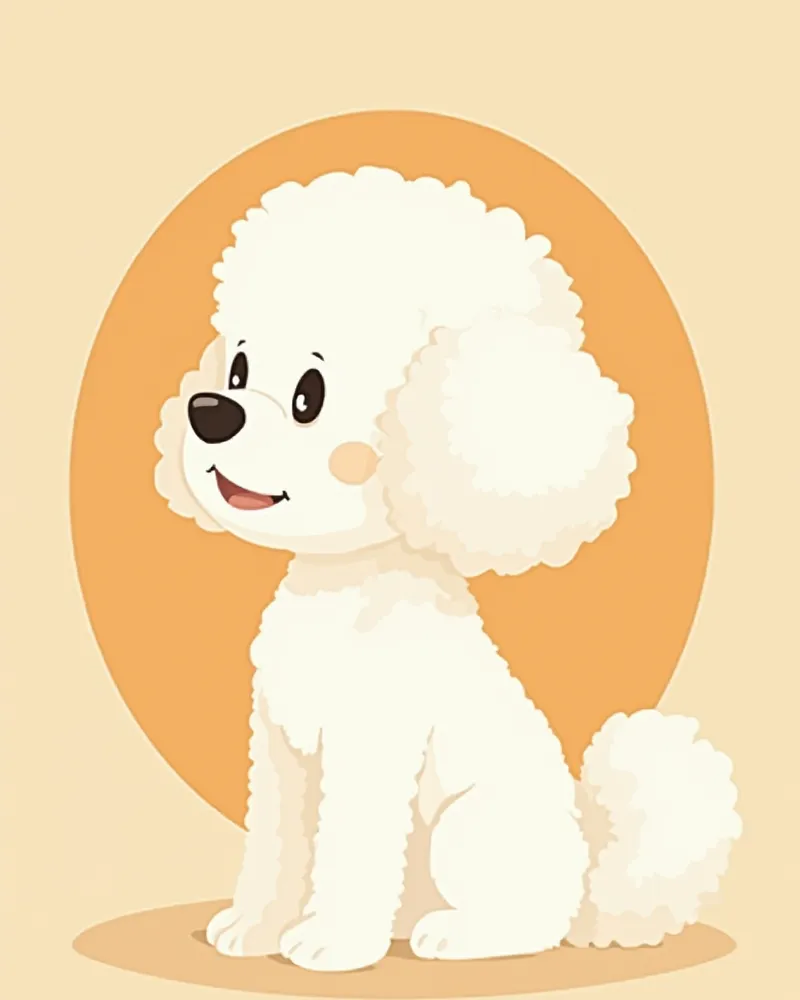
The Powder Puff style is a classic grooming look for Bichon Frises, shaping their signature white, curly coat into a round, fluffy cotton-candy silhouette. Daily brushing is essential for maintenance. Bichons have a double coat, and the undercoat tangles easily. If you don’t brush at least four to five times a week, tight mats can form, trapping moisture underneath and potentially leading to dermatitis. Always remember that your dog’s skin health takes priority over maintaining the style.

Characteristics of Bichon Coat Structure

Bichons have a double coat consisting of a soft undercoat and a curly outer coat. Their hair follicles are compound, meaning each follicle produces one thick primary hair along with multiple finer secondary hairs. Because shed hairs don’t fall out immediately but instead get trapped among the curly outer hairs, tangles begin to form. Skipping regular brushing can prevent air from reaching the skin’s surface, creating a damp environment. According to veterinary dermatology textbooks, superficial pyoderma can manifest as papules, pustules, or epidermal collarettes. When matted fur maintains a moist skin environment, it creates ideal conditions for such bacterial infections. Therefore, it’s important to brush regularly to keep the skin dry and well-ventilated.

Key Points of the Powder Puff Style

The classic powder puff cut is defined by its soft, rounded silhouette that flows seamlessly from the head to the body. Here are the key elements for pet owners to keep in mind: - Head shape: When viewed from the front, it should form a perfect circle, with the ears blending naturally into the head. - Muzzle: Trimmed short so it tucks neatly inside the round outline of the head. - Body: The back and sides are kept uniform, with the fur maintained at a length of approximately 2–3 cm. - Legs: Shaped into uniform cylinders with consistent thickness from top to bottom. - Tail: Styled into a rounded fan shape that arches over the back.
The side view of a Bichon Frise, showcasing its round silhouette in a powder-puff style.

Grooming Tools to Prepare at Home

To maintain the Powder Puff style at home, you’ll need specialized grooming tools. Human hairbrushes can’t reach deep into the curly coat, so they only smooth the surface while mats remain hidden underneath. - Slicker brush: Designed with fine pins specifically for curly coats; use it for daily brushing. - Metal comb: Use at the end of grooming to check for any remaining mats. - Hypoallergenic shampoo: Choose a gentle, dog-specific formula and bathe your dog 1–2 times per month. - High-velocity dryer or blower: Thoroughly dry the undercoat to prevent matting. - Tear-stain wipes: Gently wipe the area daily with a soft cloth to help prevent discoloration.

Warning Signs of Skin Trouble

If you notice any of the following signs during grooming, it may indicate a skin disease rather than a simple cosmetic issue. If your dog repeatedly licks or scratches the same area while being brushed, or if you see redness (erythema), dandruff (scales), or crusts (scabs) when parting the fur, stop grooming immediately and seek veterinary dermatological care. Atopic dermatitis causes itching, redness, and self-induced hair loss, while Malassezia infection leads to redness, greasy dandruff, and crusts. These skin conditions can affect dogs of any breed. Be careful not to force out mats, as this can injure the skin and lead to secondary bacterial or yeast infections.

Daily Brushing Routine
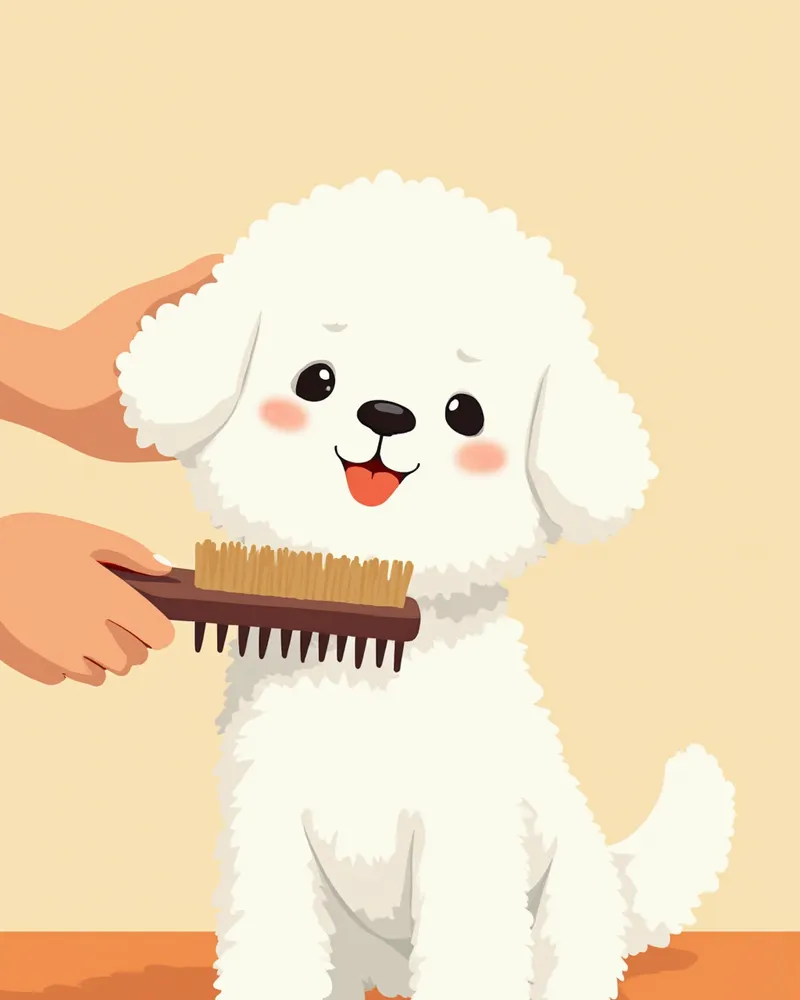
The key to maintaining a Powder Puff style is daily brushing for 5 to 10 minutes. Start by gently brushing against the grain with a slicker brush, then go over the coat once more with a comb to check for tangles. Pay special attention to the areas behind the ears, under the armpits, in the groin, and on the inner legs, as these are prone to matting. To avoid injuring the skin, it is safer to carefully cut out any tight mats with scissors rather than pulling on them.
Gently brushing a Bichon's coat with a slicker brush.

Comparison of Professional Grooming Schedule and Home Care

ItemProfessional GroomingHome Care
Daily5–10 minutes of brushing
WeeklyTrim paw pads & around the anus, wipe tear stains
1–2 times a monthFull-body bath + complete drying
Every 4–6 weeksFull cut + trim
Estimated costKRW 70,000–100,000Initial tools KRW 100,000–150,000

Costs vary by region and grooming salon. As of April 2026.

Common Skin and Joint Issues in Bichons

Here are key health areas to check while grooming your Bichon Frise. Having owners inspect these areas during grooming sessions can help with early detection. - Atopic dermatitis: A chronic allergic condition causing frequent itching on the paws, belly, and around the face. - Malassezia infection: A fungal infection where yeast proliferates under mats or inside the ears. - Tear stains: Characteristic reddish-brown discoloration in Bichons; manage with daily wiping. - Patellar luxation: Due to their small size, Bichons are prone to kneecap dislocation; carefully examine the legs when handling. - Ear disease: As a breed with hair growth inside the ears, regular ear cleaning is essential.

Precautions for the Drying Step After Bathing

Drying after bathing is especially important for Bichon skin care. If the curly coat isn’t completely dry all the way through, the resulting warm, moist environment can create ideal conditions for the overgrowth of yeast and bacteria, such as Malassezia, which are normally present on the skin. Use a high-velocity dryer or blower to ensure the skin itself is thoroughly dried, taking enough time until there’s no cool or damp feeling when you touch the coat. Relying solely on a regular hairdryer on a low setting may only dry the surface, leaving the undercoat wet.

Reviewed by a veterinarian

Dr. Tony — Punnawat Phongkittirak

Dr. Tony — Punnawat Phongkittirak

Veterinarian

A veterinarian who majored in veterinary medicine at Khon Kaen University, Thailand, and completed the IVSA program at North Carolina State University in the United States. Drawing on clinical experience at animal hospitals, he works in the pet healthcare field and is dedicated to building a digital care environment that connects pet parents with veterinarians.

Frequently Asked Questions

How often should a Bichon Frise get groomed?
A full grooming session every 4 to 6 weeks is ideal. In between, simply brushing your dog daily at home and tidying up the paw pads and anal area will help maintain that neat, powder-puff appearance.
Is it okay to trim them at home?
You can safely manage grooming around the paws, anus, and eyes at home. However, because using scissors for a full silhouette cut carries a high risk of injury and achieving symmetrical balance is difficult, we recommend entrusting this to a professional groomer during the first one to two years.
The matting is quite severe—should I trim it all off?
Tugging at severe mats can cause skin injuries and pain. In such cases, it’s best to clip the fur short (shave it all off) and let it grow back, which is the most comfortable option for your dog.
Can I use human shampoo on my pet?
We don’t recommend using human shampoo. Since it isn’t formulated for a dog’s skin and coat, it can cause irritation or dryness. Always use a dog-specific shampoo, preferably a low-irritation or medicated one recommended by your veterinarian, and rinse thoroughly after bathing.
Will tear stains disappear on their own?
Trimming discolored fur may temporarily hide the issue, but to prevent recurrence, it’s essential to address the underlying cause—such as blocked tear ducts, food allergies, or conjunctivitis. If the staining is severe, we recommend a veterinary ophthalmology consultation.

Share

Related Guides

References

[1] BSAVA Manual of Canine and Feline Dermatology, 4th Edition

[2] Hnilica KA, Patterson AP, Small Animal Dermatology: A Color Atlas and Therapeutic Guide, 4th Edition, 2017

[3] American Kennel Club Bichon Frise Breed Standard

This information is based on veterinary literature and does not replace diagnosis or treatment. Please consult a veterinarian for specific health concerns.

Metapet Co., Ltd. | CEO: Park Sung-yong | Business Reg. No. 417-88-02562 | Seoul, South Korea | Customer Center

The Ultimate Guide to Bichon Powder Puff Grooming | Meongsiljang