Like
Share
멍실장
프렌치 불독 유전질환 체크리스트

French Bulldog Genetic Disease Checklist

ImmunityBreed HealthMeongsiljang Veterinary Advisory Board

Here’s a breakdown of the five conditions French Bulldogs are especially prone to—brachycephalic obstructive airway syndrome, intervertebral disc disease, atopic dermatitis, hip dysplasia, and cataracts—along with age-specific screening recommendations.

What Kind of Breed Is the French Bulldog?
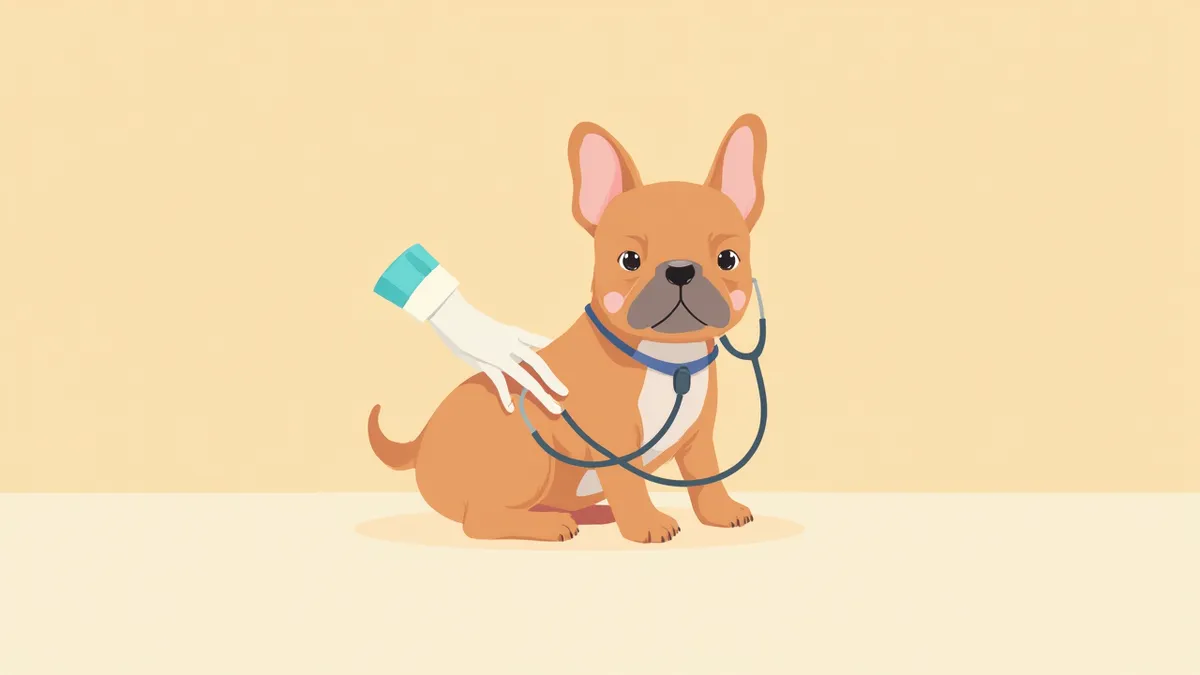
A veterinarian examining a French Bulldog with a stethoscope
French Bulldogs are a small breed particularly susceptible to brachycephalic airway syndrome, as well as hereditary spinal, joint, and skin conditions. The key to care is addressing three areas simultaneously: breathing, spine, and skin. Due to their short muzzle structure, prolonged panting on hot days can quickly become an emergency. Because they are prone to intervertebral disc disease, you should restrict jumping and stair use from an early age. It is safest to begin regular veterinary check-ups starting at six months of age.

Top 5 Genetic Conditions to Watch for in French Bulldogs

The five most common genetic conditions seen in French Bulldogs are: - Brachycephalic Obstructive Airway Syndrome (BOAS): A condition where the shortened muzzle structure narrows the nasal passages and airways, leading to heavy panting and loud snoring. - Intervertebral Disc Disease (IVDD): A condition in which the spinal discs harden prematurely, putting pressure on the nerves. - Atopic Dermatitis: A condition characterized by recurring itching due to genetic variations in skin immunity. - Hip Dysplasia: Abnormal formation of the hip joint that causes pain and lameness. - Cataracts: An eye condition in which the lens becomes cloudy, resulting in blurred vision.

Brachycephalic Obstructive Airway Syndrome Is the Biggest Risk Factor
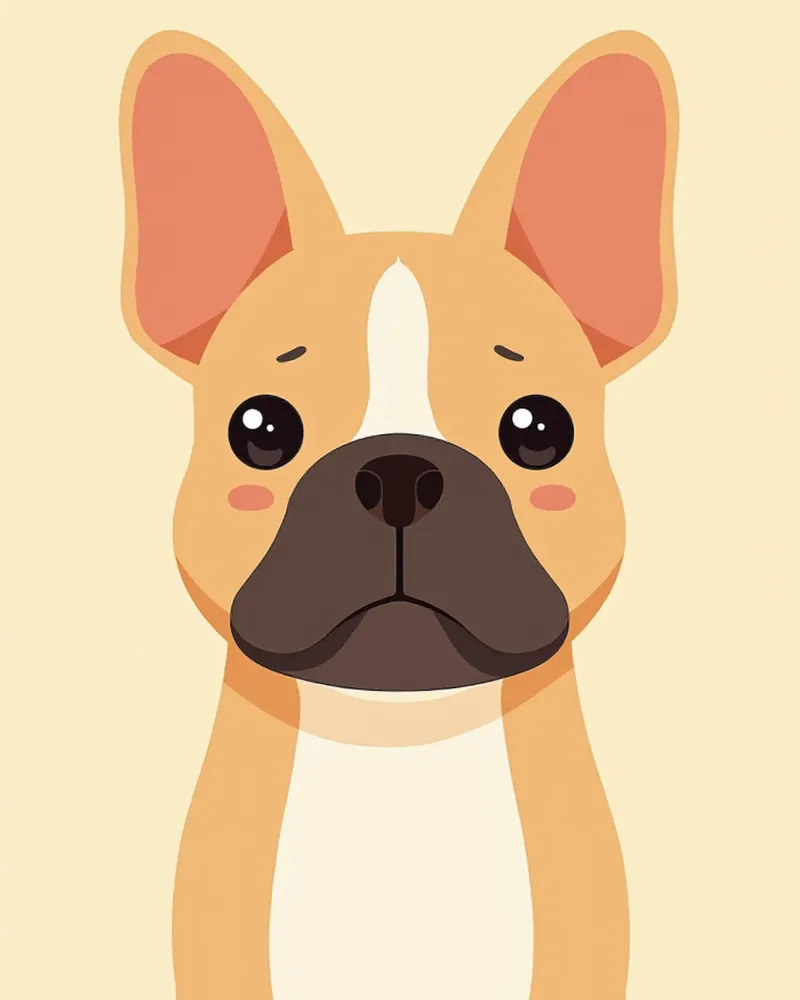
French Bulldogs have a short skull, which often leads to narrowed nostrils, soft palate, and bronchial structures. According to veterinary internal medicine textbooks, it is common for narrow nostrils, an elongated soft palate, and laryngeal saccule eversion to occur simultaneously. If your dog snores regularly, makes gagging sounds when excited, or has a purple tongue even after a 5-minute walk, immediate veterinary care is necessary. In hot weather, inside cars, or in heated indoor environments, this can lead to heatstroke.
The French Bulldog's short snout and wide nostril structure

Intervertebral Disc Disease (IVDD) — Early Spinal Degeneration

Breeds with a chondrodystrophic tendency, such as French Bulldogs, can experience degeneration of the intervertebral disc nucleus pulposus earlier than other breeds. According to veterinary clinical textbooks, Hansen Type I intervertebral disc disease occurs when the nucleus pulposus loses moisture, becomes calcified and hardened, and then suddenly herniates dorsally toward the spinal cord, compressing the nerves and causing neurological symptoms. While the exact age of onset varies by individual and cannot be pinned down to a specific age, it can occur at a relatively young age in chondrodystrophic breeds. If your dog suddenly loses strength in its hind legs, cries out when its back is touched, or hesitates on stairs, immediate consultation with a neurologist or orthopedic specialist is necessary. For safety, jumping and climbing on and off sofas should be restricted throughout the dog’s life. For more details, please refer to the Puppy Disc Guide.

These Signs Require Immediate Emergency Care

If you notice any of the following signs, take your pet to a 24-hour veterinary clinic immediately: - Panting that does not stop during a walk, accompanied by purple discoloration of the tongue and gums - Sudden dragging of the hind legs or inability to stand up - Screaming, curling up, and trembling when the back or lower back is touched - Clouded consciousness or seizures lasting more than 24 hours In particular, panting after a walk on a hot day is a classic sign of heatstroke in brachycephalic breeds.

Skin and Allergies — Lifelong Management Is Essential
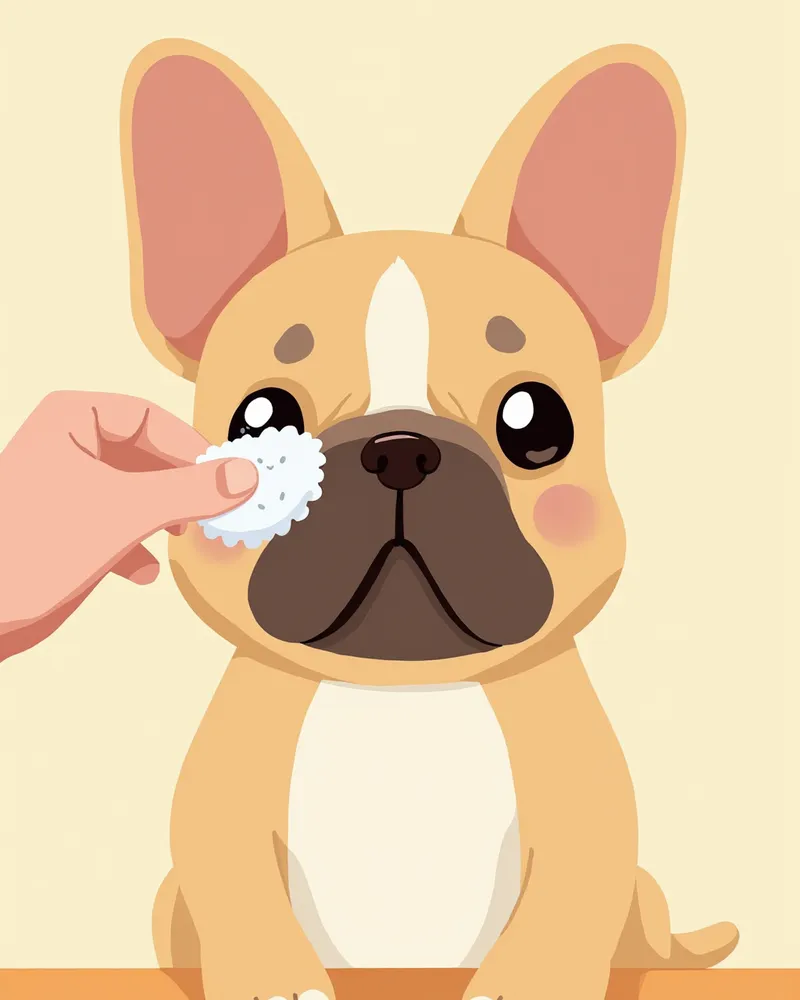
French Bulldogs are prone to atopic dermatitis, food-responsive dermatitis, and infections in skin folds (intertrigo). According to veterinary dermatology textbooks, atopic dermatitis is not a single simple disease but rather a syndrome characterized by both acute inflammation (erythematous macules) and chronic lesions (lichenification and hyperpigmentation). Itching can result from multiple factors beyond allergies and may worsen due to secondary bacterial or Malassezia infections, making it crucial to identify and eliminate the underlying cause. If your dog frequently licks its paws, facial folds, or armpits, or if these areas become red, please consult a veterinarian. To prevent secondary infections, gently wipe skin folds daily with a soft towel, and use medicated shampoos recommended by your veterinarian for bathing. If a food allergy is suspected, consider an eight-week elimination diet and food challenge trial.
Gently cleaning the facial wrinkles of a French Bulldog with a soft cotton pad.

Don’t Forget Joint and Eye Genetic Conditions

French Bulldogs can also develop hip dysplasia, patellar luxation, and cataracts. - Hip dysplasia: A telltale sign is a hopping gait, where both hind legs move together like a rabbit. As the condition progresses, secondary osteoarthritis can develop rapidly. - Patellar luxation: This is characterized by repeated episodes of the dog lifting one hind leg and skipping or hopping while walking. - Cataracts: The lens becomes cloudy, causing the center of the eye to appear hazy, which can lead to bumping into objects in low-light conditions. Hip dysplasia is diagnosed via X-rays (including ventrodorsal and flexed hip views), while patellar luxation is more accurately diagnosed through physical examination, including palpation, rather than X-rays alone. Cataracts are assessed through ophthalmic exams. Therefore, scheduling combined orthopedic and ophthalmic check-ups at 6 months, 1 year, and 3 years of age can help detect these issues early.

Recommended Age-Specific Screening Schedule for French Bulldogs

Early detection is the most important factor in managing hereditary conditions. Please follow the schedule below for regular check-ups. - 2 to 6 months of age: Cardiac auscultation, palpation of the patella and hip joints, respiratory assessment - 1 year of age: Spinal and hip X-rays, ophthalmic examination, allergy history review - From 3 years of age, annually: Thoracic and abdominal X-rays, blood tests, cardiac ultrasound - From 7 years of age, every 6 months: Geriatric screening (comprehensive evaluation of eyes, kidneys, liver, and heart) Because brachycephalic breeds are at higher risk during anesthesia, it is safer to choose a veterinary clinic with extensive experience in treating these breeds.

Daily Care Points for Owners

While genetic diseases can’t be prevented, their progression can be significantly influenced by your care. - Weight: Obesity worsens respiratory, spinal, and joint conditions. Maintain a BCS of 4–5/9, where the ribs are easily felt with light pressure. - Walks: Avoid walks during midday (11 a.m. to 5 p.m.) and use a harness instead of a collar. - Jumping Restrictions: Replace climbing on sofas or beds with ramps or rugs. - Wrinkle and Paw Care: Clean and dry wrinkles and paws daily to prevent infections. - Diet: If your pet has a history of allergies, try a single-protein diet.

Reviewed by a veterinarian

Dr. Tony — Punnawat Phongkittirak

Dr. Tony — Punnawat Phongkittirak

Veterinarian

A veterinarian who majored in veterinary medicine at Khon Kaen University, Thailand, and completed the IVSA program at North Carolina State University in the United States. Drawing on clinical experience at animal hospitals, he works in the pet healthcare field and is dedicated to building a digital care environment that connects pet parents with veterinarians.

Frequently Asked Questions

Is genetic testing really necessary for French Bulldogs?
While not strictly required, it’s a good idea to have this done before adoption or around the time your pet turns one year old. Identifying risks such as brachycephalic airway syndrome, chondrodysplasia, and MDR1 gene mutations in advance can help guide safer choices for anesthesia and medications.
My pet snores quite loudly. Is it okay to just leave it as is?
No, that’s not acceptable. Snoring is a sign of a narrowed airway. If your pet snores loudly during sleep and their tongue turns purple after just a five-minute walk, they should be evaluated for Brachycephalic Airway Syndrome and assessed for surgical intervention.
How can I prevent my pet from jumping?
Place a dog ramp or stairs next to the sofa and bed. Lay non-slip rugs on the living room floor, and gently carry your dog down when they’re excited after a walk to prevent them from jumping off suddenly.
I’ve heard that anesthesia is risky. How should I go about getting my pet checked?
Brachycephalic breeds are at higher risk of respiratory failure during anesthesia recovery, so it’s important to choose a clinic with extensive experience in handling these breeds. Whenever possible, start with imaging tests that don’t require anesthesia. If anesthesia is necessary, have a chest X-ray and blood tests performed first to assess the risks.
If atopic dermatitis has started, will it last for life?
Atopy is a condition that requires ongoing management rather than a definitive cure. You can help keep symptoms under control by avoiding allergens, using medicated shampoos, administering veterinarian-prescribed anti-itch medications, and maintaining proper skin hydration. It’s a good idea to update your pet’s allergy testing and treatment plan on an annual basis.

Share

Related Guides

References

[1] Clinical Medicine of the Dog and Cat, 4th Edition — Brachycephalic Airway Syndrome / Intervertebral Disc Disease 챕터

[2] The Veterinary Workbook of Small Animal Clinical Cases — Case 41 Brachycephalic Breeds

[3] BSAVA Manual of Canine and Feline Dermatology — Atopic Dermatitis 챕터

[4] Miller's Anatomy of the Dog — Skeletal & Joint Anomalies

This information is based on veterinary literature and does not replace diagnosis or treatment. Please consult a veterinarian for specific health concerns.

Metapet Co., Ltd. | CEO: Park Sung-yong | Business Reg. No. 417-88-02562 | Seoul, South Korea | Customer Center

French Bulldog Genetic Disease Checklist: 5 Risks | Meongsiljang