Like
Share
멍실장
강아지 추간판탈출증 증상과 원인, 진단·치료와 관리 포인트 총정리

A Comprehensive Guide to Canine Intervertebral Disc Disease: Symptoms, Causes, Diagnosis, Treatment, and Care

JointDiseasesMeongsiljang Veterinary Advisory Board

We’ve compiled a comprehensive, evidence-based overview of canine intervertebral disc disease (IVDD), covering symptoms, causes, diagnosis, surgical and conservative treatments, and key home care tips. If you’re a guardian of a high-risk breed such as a Dachshund, Beagle, or Corgi, this information is essential reading.

What Is Intervertebral Disc Disease in Dogs?
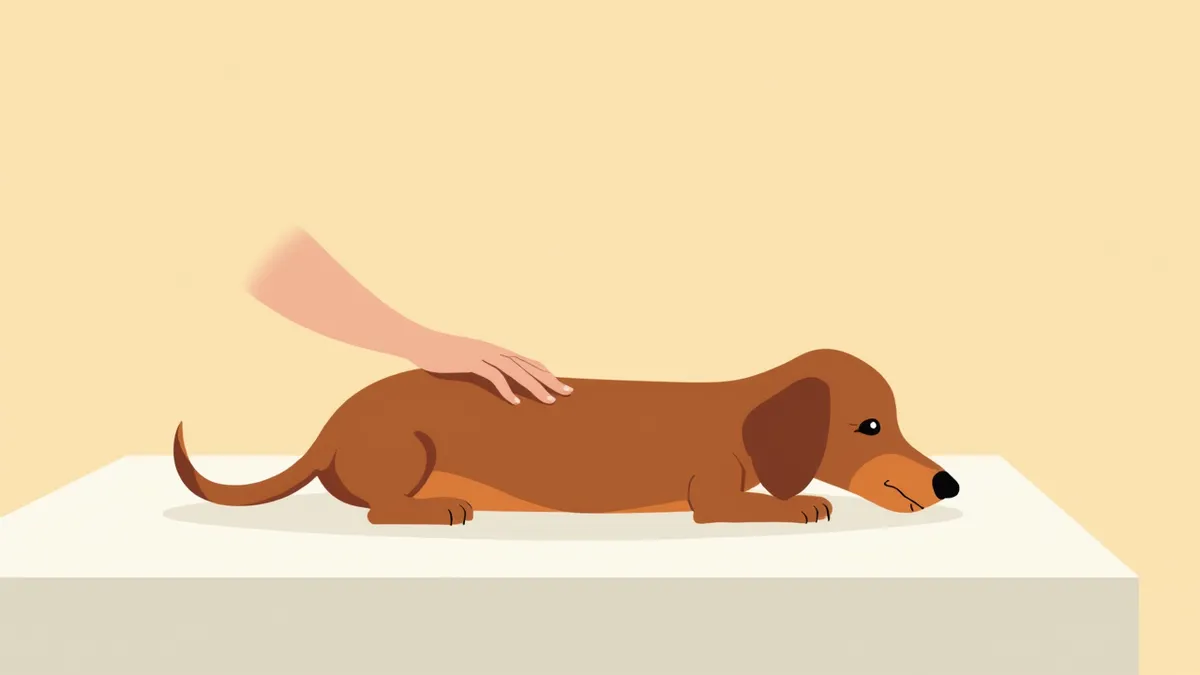
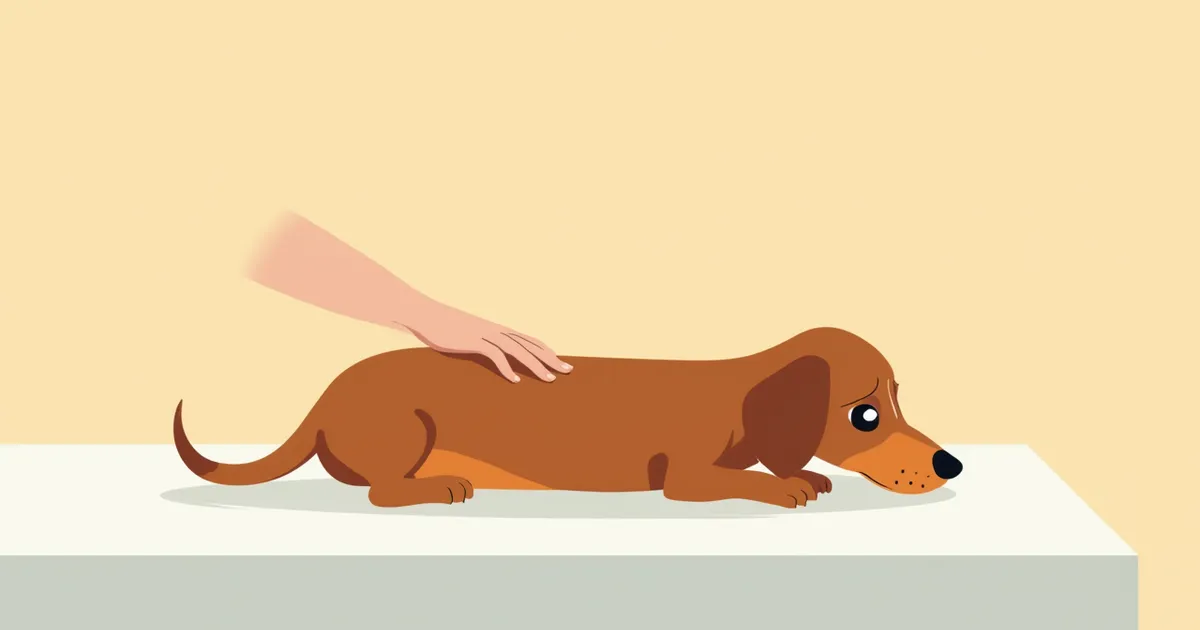
A veterinarian palpating a puppy's spine during an examination
Intervertebral Disc Disease (IVDD) is a neurological condition in dogs where the nucleus pulposus of the intervertebral disc—the cushion between vertebrae—degenerates and dehydrates, rupturing through the annulus fibrosus and herniating into the spinal canal to compress the spinal cord. Early detection and prompt treatment are key to preventing paralysis. If you notice symptoms such as hind limb ataxia, severe back or neck pain, or sudden paralysis, seek immediate veterinary care. The condition is particularly common in chondrodystrophic breeds such as Dachshunds, Beagles, Pekingese, and Cocker Spaniels, with Dachshunds accounting for a significant proportion of all cases due to their high risk.

Causes and Pathogenesis

Intervertebral disc disease is broadly categorized into two types. - Type I (Hansen Type I): This form occurs when the nucleus pulposus loses moisture, becomes calcified and degenerated, and then suddenly ruptures and herniates through the annulus fibrosus. It is common in chondrodystrophic breeds and typically occurs in dogs aged 4 to 8 years. - Type II (Hansen Type II): This form involves the gradual bulging and protrusion of the annulus fibrosus into the spinal canal, causing chronic compression of the spinal cord. It primarily affects older, medium-to-large non-chondrodystrophic dogs. Caution is advised, as excessive activity can lead to severe disc herniation.

Key Symptoms Checklist You Must Not Miss
Back and neck pain: Your pet may flinch or suddenly cry out when touched.
Unsteady gait: They may walk with their hind legs crossing or stumbling.
Hind leg paralysis: They are unable to use their legs at all or drag them along the ground.
Urinary and fecal incontinence: They may leak urine or feces without realizing it.
Loss of sensation: If there is no response when the paw pads are pinched, this is a serious warning sign.
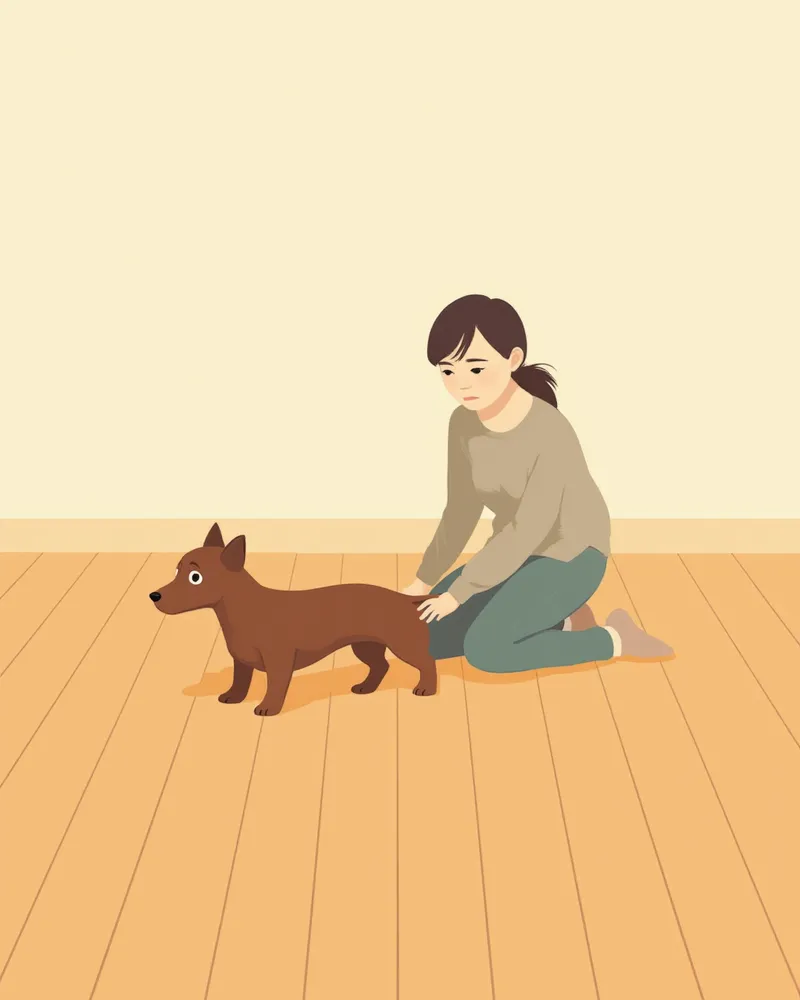
A puppy with weakened hind legs and a worried owner

Seek Emergency Veterinary Care Immediately If You See These Symptoms

If your dog’s hind legs are completely paralyzed, if they can’t urinate or defecate at all or are incontinent, or if symptoms worsen rapidly within 24–48 hours, don’t delay—seek emergency veterinary care immediately. Waiting beyond 48 hours after paralysis sets in significantly reduces the chances of recovery after surgery.

How Is It Diagnosed?

Diagnosing intervertebral disc disease is done step by step. First, a neurological exam checks reflexes and pinpoints areas of pain, while X-rays look for narrowing of the disc spaces and signs of calcification. However, X-rays alone are often insufficient for a definitive diagnosis. The most accurate confirmation comes from cross-sectional imaging, such as MRI (Magnetic Resonance Imaging). MRI provides the clearest view of the degree of spinal cord compression and soft tissue lesions, making it essential for planning surgery. CT (Computed Tomography) scans can also be used as a supplementary tool, but they are less sensitive than MRI for detecting spinal cord lesions. General anesthesia may be required for these imaging procedures.

Treatment Options: Conservative vs. Surgical
Treatment depends on the severity of symptoms. Conservative treatment (pain, mild cases): This involves 4–6 weeks of cage rest along with anti-inflammatory and pain-relief medications. According to veterinary internal medicine textbooks, the success rate for dogs that can still walk is 82–100%. Surgical treatment (paralysis, urinary incontinence): Surgery is necessary if paralysis or urinary incontinence is present. A hemilaminectomy is performed to relieve spinal cord compression, followed by postoperative rehabilitation therapy.
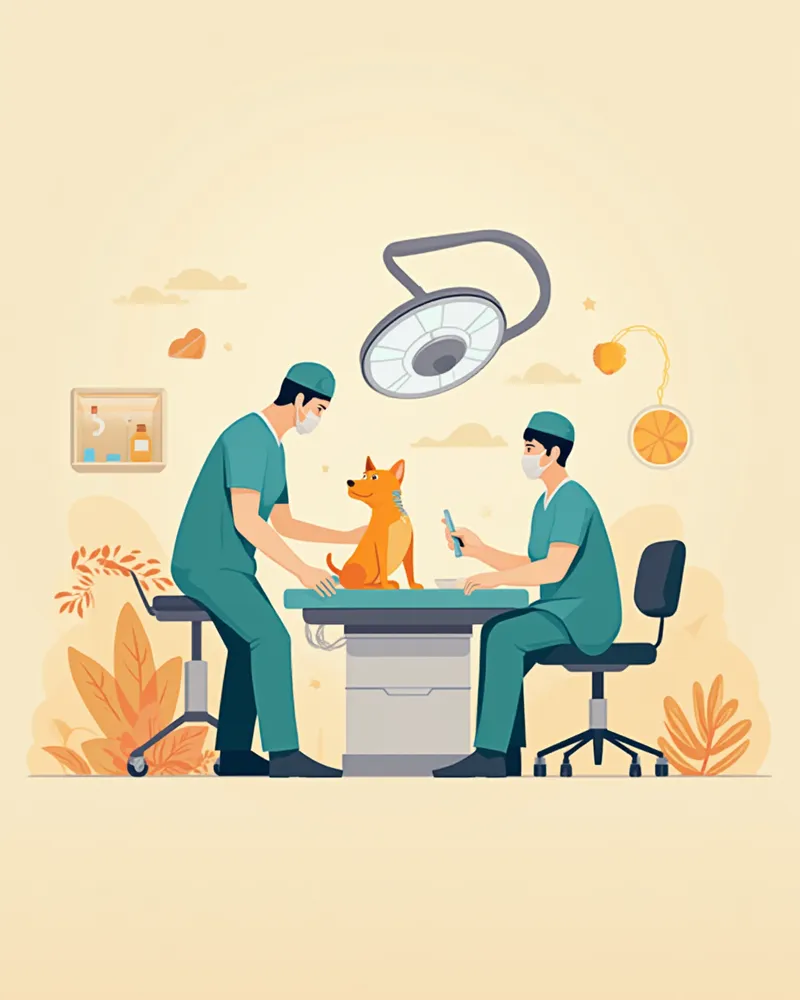
Surgical procedure for a dog with intervertebral disc disease

Home Care Tips

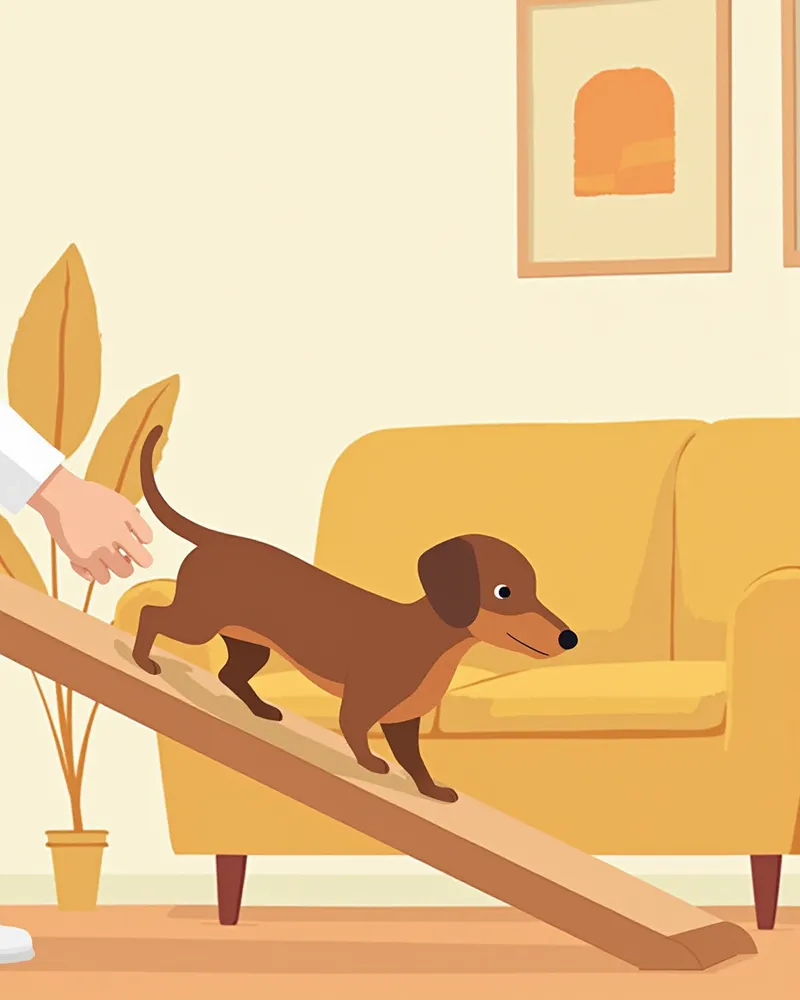
Home care during recovery is just as important as medical treatment. During the cage rest period, strictly limit your pet’s space to prevent any running or jumping. Use ramps or stairs to help them safely get on and off sofas and beds. Begin rehabilitation exercises, such as underwater treadmill therapy and massage, under veterinary guidance, and maintain a healthy weight to reduce strain on the spine.
A puppy safely using the ramp next to the sofa

Breeds That Require More Diligent Preventive Care

Dachshunds, Beagles, Pekingese, and Cocker Spaniels are chondrodystrophic breeds, meaning they have a significantly higher risk of intervertebral disc disease compared to other breeds. Dachshunds, in particular, are known to account for a large proportion of all cases. To help prevent this condition, minimize jumping and stair use from an early age, and seek immediate neurological evaluation if you notice signs such as back or neck pain or abnormal gait. For the safest approach, consult your veterinarian to establish prevention and management strategies tailored to your dog’s breed-specific needs.

Reviewed by a veterinarian

Dr. Tony — Punnawat Phongkittirak

Dr. Tony — Punnawat Phongkittirak

Veterinarian

A veterinarian who majored in veterinary medicine at Khon Kaen University, Thailand, and completed the IVSA program at North Carolina State University in the United States. Drawing on clinical experience at animal hospitals, he works in the pet healthcare field and is dedicated to building a digital care environment that connects pet parents with veterinarians.

Frequently Asked Questions

Can intervertebral disc disease heal without surgery?
If your dog is in the early stages with pain but can still walk, cage rest and medication can help them recover. The success rate of conservative treatment for dogs that can walk is reported to be between 82% and 100%. However, if paralysis or urinary incontinence occurs, surgery will be necessary, and the later the treatment begins, the lower the recovery rate becomes.
How long does it take to recover after surgery?
The recovery period varies significantly depending on the severity of symptoms and the extent of nerve damage. Mild cases tend to recover relatively quickly, whereas cases involving paralysis may take longer and do not guarantee full recovery. Concurrent rehabilitation exercises can aid in the recovery process.
Can intervertebral disc disease recur?
Recurrence can occur in the same disc or in a different one. Since recurrence has been reported in approximately 30–50% of cases managed conservatively, weight management, limiting jumping, and regular check-ups are crucial for preventing relapse.
How can I prevent issues in chondrodysplastic breeds like Dachshunds and Pekingese?
Replacing jumps on sofas or beds with ramps, preventing obesity, and promptly seeking neurological examinations if back or neck pain or gait abnormalities appear are effective measures.
How quickly should I take my dog to the vet if its hind legs suddenly become paralyzed?
You should take your pet to an emergency animal hospital as soon as possible, ideally the same day. Even if paralysis has set in, surgery within 48 hours can restore walking ability in up to 70% of cases, but the chances of recovery drop significantly if treatment is delayed.

Share

Related Guides

References

[1] Ghosh P, Taylor TK, Braund KG, Larsen LH. The collagenous and non-collagenous protein of the canine intervertebral disc and their variation with age, spinal level and breed. Gerontology. 1976;22(3):124–34.

[2] Ghosh P, Taylor TK, Braund KG. Variation of the glycosaminoglycans of the intervertebral disc with ageing. II. Non-chondrodystrophoid breed. Gerontology. 1977;23(2):99–109.

[3] Schaer M (ed.). Clinical Medicine of the Dog and Cat, 4th Ed. CRC Press; 2022. Section III: Diseases of Specific Organ Systems — Intervertebral Disc Disease.

[4] Platt SR, Olby NJ (eds.). BSAVA Manual of Canine and Feline Neurology, 4th Ed. British Small Animal Veterinary Association; 2013. Chapter: Intervertebral Disc Disease.

This information is based on veterinary literature and does not replace diagnosis or treatment. Please consult a veterinarian for specific health concerns.

Metapet Co., Ltd. | CEO: Park Sung-yong | Business Reg. No. 417-88-02562 | Seoul, South Korea | Customer Center

Dog IVDD (Intervertebral Disc Disease): Symptoms & Treatment | Meongsiljang