

Toy Poodle Genetic Condition Checklist
We’ve compiled a list of genetic conditions that Toy Poodles are prone to, along with the regular check-ups that owners should prioritize. We’ll break down the information into four key areas: patellas, eyes, liver, and heart.
What Genetic Conditions Are Toy Poodles Prone To?
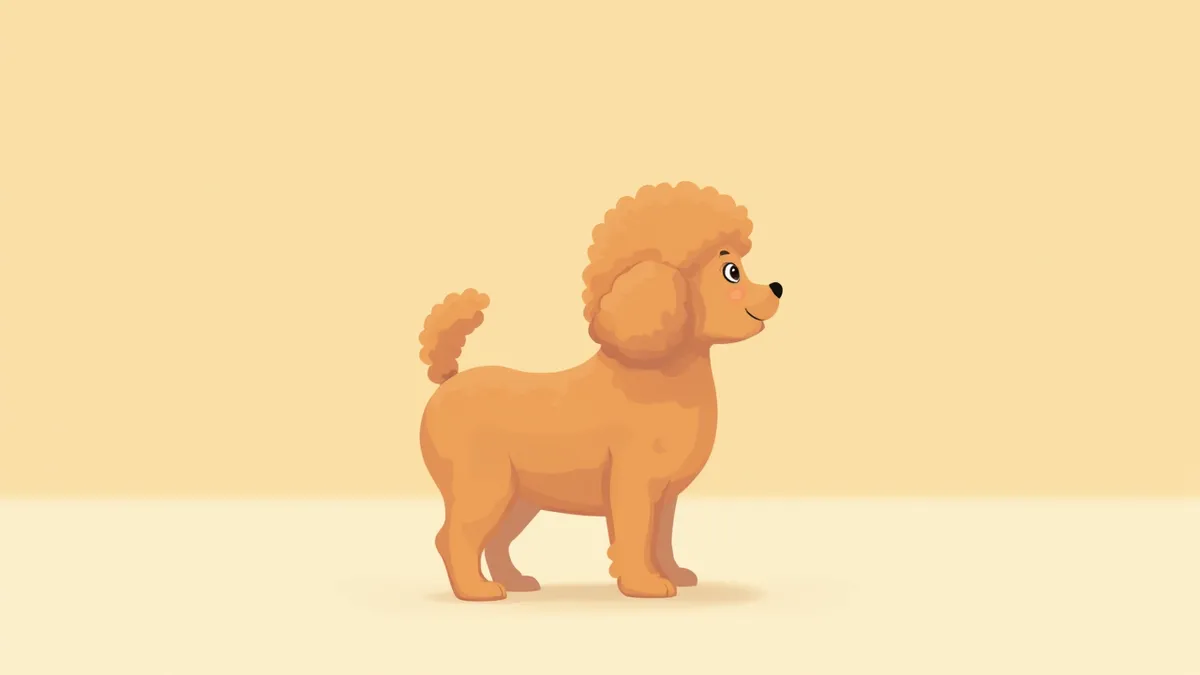
Top 5 Genetic Conditions to Watch For
Onset and Symptoms by Genetic Condition
| Item | Main onset period | Early signs |
|---|---|---|
| Patellar luxation | From a young age after the growth period | Hopping/skipping of the hind legs |
| Cataracts | Mainly progresses after adulthood | Eyes become cloudy and grayish |
| Progressive retinal atrophy | Progresses gradually in adulthood (late-onset type) | Decreased night vision |
| Portosystemic shunt | Congenital (young age) | Poor growth & post-meal vomiting |
| Legg-Calvé-Perthes disease | Young animals in the growth period | Limping in one hind leg |
Because individual variation is large and the exact onset period is hard to pin down, regular checkups are the most accurate way to confirm
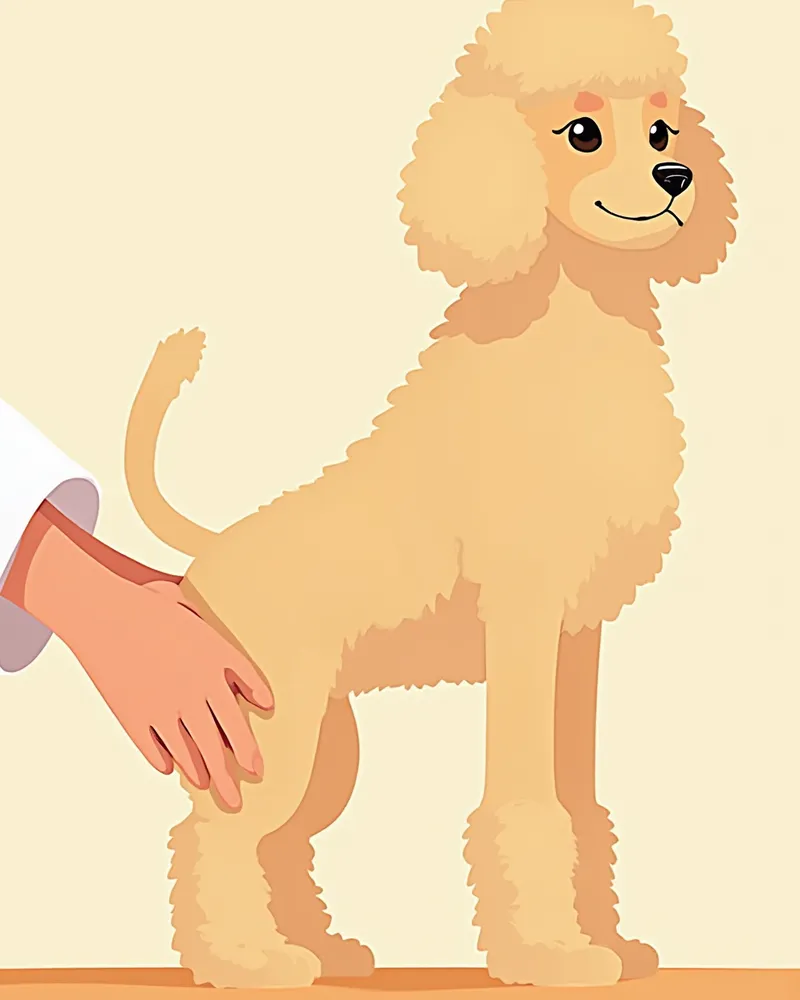
Joint and Bone Conditions: Checking Both Patellas and Hips
Eye Conditions: Cataracts and Progressive Retinal Atrophy
See a Vet Immediately If You Notice These Signs
The following symptoms are early signs of common hereditary conditions in Toy Poodles. If any of these persist for more than 24 hours or recur, seek veterinary care immediately. - Hopping on three legs while holding one hind leg off the ground - Frequently bumping into furniture in dim lighting - Vomiting, seizures, or abnormal behavior after eating (possible portosystemic shunt) - Stunted growth or being underweight compared to peers despite a good appetite - Persistent nosebleeds or bleeding gums (possible von Willebrand disease)
Health Care Tips: What to Monitor in Daily Life

Age-Specific Regular Checkup Schedule
Toy Poodles benefit from more frequent health screenings than other breeds. - 6 months to 1 year: Patellar palpation, heart murmur auscultation, and basic blood work - 1 to 5 years: Annual comprehensive checkup plus ophthalmic exam (starting at age 3) - 6 years and older: Blood, urine, and echocardiogram exams every six months - 8 years and older: Additional cataract, dental, and hormone tests Checking the patella and heart within the first year can help detect most congenital abnormalities early.
Reviewed by a veterinarian

Dr. Tony — Punnawat Phongkittirak
VeterinarianA veterinarian who majored in veterinary medicine at Khon Kaen University, Thailand, and completed the IVSA program at North Carolina State University in the United States. Drawing on clinical experience at animal hospitals, he works in the pet healthcare field and is dedicated to building a digital care environment that connects pet parents with veterinarians.
Reviewed 2026-04-30
Frequently Asked Questions
Are Toy Poodles prone to a lot of genetic diseases?
Is genetic testing really necessary?
Can a patellar luxation be cured with surgery?
Can cataracts be prevented?
Are there any supplements that are good for Toy Poodles?
Share
Related Guides

Primary vs. Secondary Veterinary Hospitals: A Comparison

5 Easy-to-Raise Cat Breeds for First-Time Owners — Grooming Difficulty Comparison

Top 7 Short-Legged Dog Breeds

The Ultimate Guide to Mental Stimulation Activities for Border Collies

Golden Retriever Hip Guide: From Hip Dysplasia Prevention to Management
The Complete Guide to Dachshund IVDD Prevention Exercises and Environmental Management

The Complete Guide to Respiratory Care for Brachycephalic Shih Tzus

Differences by Poodle Coat Color (Apricot, Black, Silver)
Poodle Patellar Luxation — A Complete Guide from Symptoms and Grading to Surgery and Rehabilitation

Maltese Eye Conditions (PRA and Corneal Ulcers)
References
[1] Ettinger S.J., Feldman E.C., Cote E., Textbook of Veterinary Internal Medicine, 8th Ed
[2] Gough A., Thomas A., O'Neill D., Breed Predispositions to Disease in Dogs and Cats, 3rd Ed, 2018
[3] Miller W.H., Griffin C.E., Campbell K.L., Muller and Kirk's Small Animal Dermatology, 7th Ed