Like
Share
멍실장
버만 유전질환 체크리스트

Birman Genetic Disease Checklist

ImmunityBreed HealthMeongsiljang Veterinary Advisory Board

This checklist for Birman cat owners covers the breed’s genetic predispositions to alopecia, thymic atrophy, neutrophil abnormalities, and hypertrophic cardiomyopathy, providing early warning signs and recommended screening timelines.

What genetic traits does the Birman breed have?
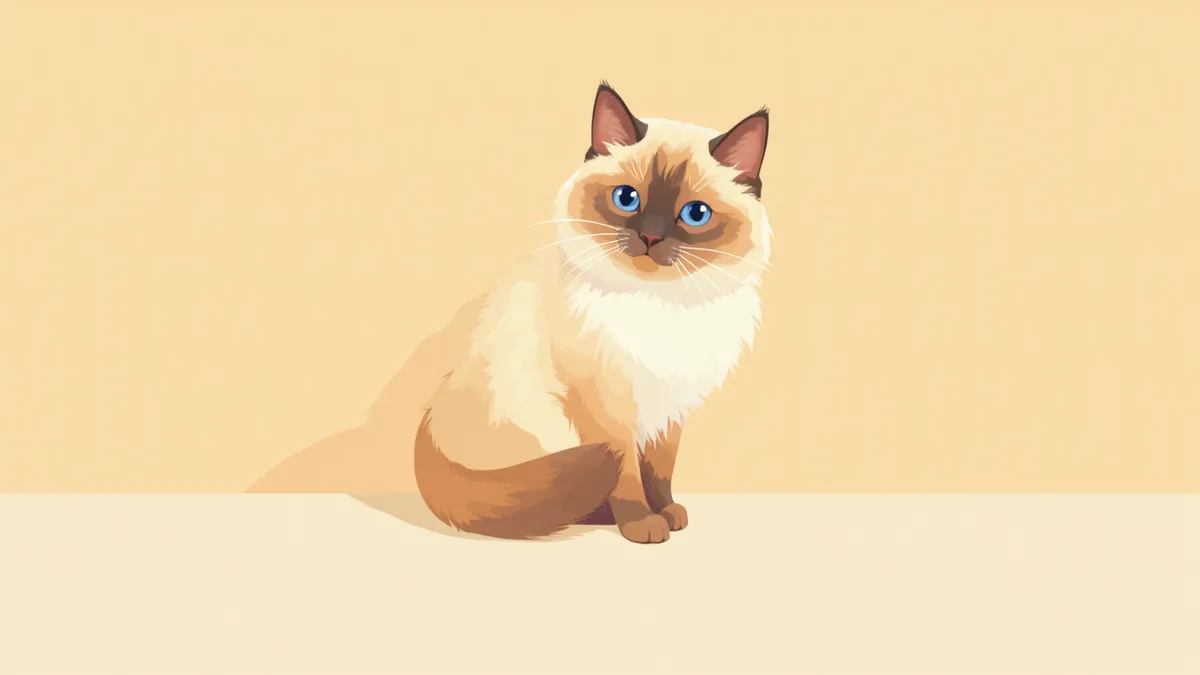
Close-up front-facing photo of a Birman cat
The Birman is a medium-to-long-haired breed. Veterinary textbooks identify two breed-specific genetic traits: alopecia and thymic atrophy (caused by a FOXN1 mutation), and neutrophil granule abnormalities. The most critical factor is early detection. In particular, FOXN1-related alopecia can be fatal to a kitten’s immune system, so monitoring should begin immediately after birth. Although hypertrophic cardiomyopathy (HCM) is not established as a Birman-specific disease, it is the most common heart condition in cats. Therefore, for general preventive care, it is advisable to schedule regular check-ups and cardiac ultrasounds starting from a young age.

Top 4 Genetic Diseases to Watch for in Birman Cats

Here are the key health concerns to be aware of in Birman cats: - Alopecia and Thymic Atrophy (FOXN1 mutation): This is a fatal condition in which kittens are born hairless and without a thymus, leaving them with virtually no immune system. - Neutrophilic Granule Abnormality: This is a benign morphological variation characterized by eosinophilic granules within white blood cells; it has little to no impact on disease susceptibility. - Hypertrophic Cardiomyopathy (HCM): This is the most common heart disease in cats, involving thickening of the heart muscle. While textbooks primarily associate it with Maine Coons and Ragdolls, and it is not established as a breed-specific condition for Birmans, its prevalence makes regular cardiac screening advisable. - Polycystic Kidney Disease (PKD): This is a known renal cyst disease in cats. Because there is insufficient textbook evidence to confirm its occurrence in the Birman lineage, it is safest to verify the health status of the parent cats through testing when acquiring a kitten.

What are Alopecia and Thymic Atrophy (FOXN1)?
Birman hairlessness is an immunodeficiency disorder caused by a mutation in the FOXN1 gene, resulting in kittens being born hairless and lacking a thymus, which is essential for producing T lymphocytes. According to veterinary immunology textbooks, most affected kittens either die from infections within three months of birth or are stillborn. Since the condition only manifests when both parents carry the mutation (autosomal recessive), genetic testing before breeding or adoption is the most reliable preventive measure.
A veterinarian examining a young Birman kitten.

Go to the Vet Immediately If You See These Signs

If a young Birman kitten is born with little to no fur, or if it experiences recurrent respiratory and skin infections between 4 and 12 weeks of age, along with poor growth and stalled weight gain, you should suspect an immune deficiency. In adult cats, rapid breathing, visible abdominal effort, or sudden weakness in the hind legs may indicate a blood clot caused by heart disease, requiring emergency veterinary care.

Are Neutrophil Granule Abnormalities Dangerous?

Birman cats can have a morphological variation in which eosinophilic (pink-staining) granules are seen within neutrophils. According to veterinary internal medicine textbooks, this finding rarely causes clinical problems; the main concern is the potential for misdiagnosis with other conditions. If your veterinarian notes an unusual appearance of white blood cells during a routine check-up, be sure to ask whether it could be the breed-specific neutrophilic granule anomaly seen in Birmans.

Hypertrophic Cardiomyopathy (HCM) and the Birman
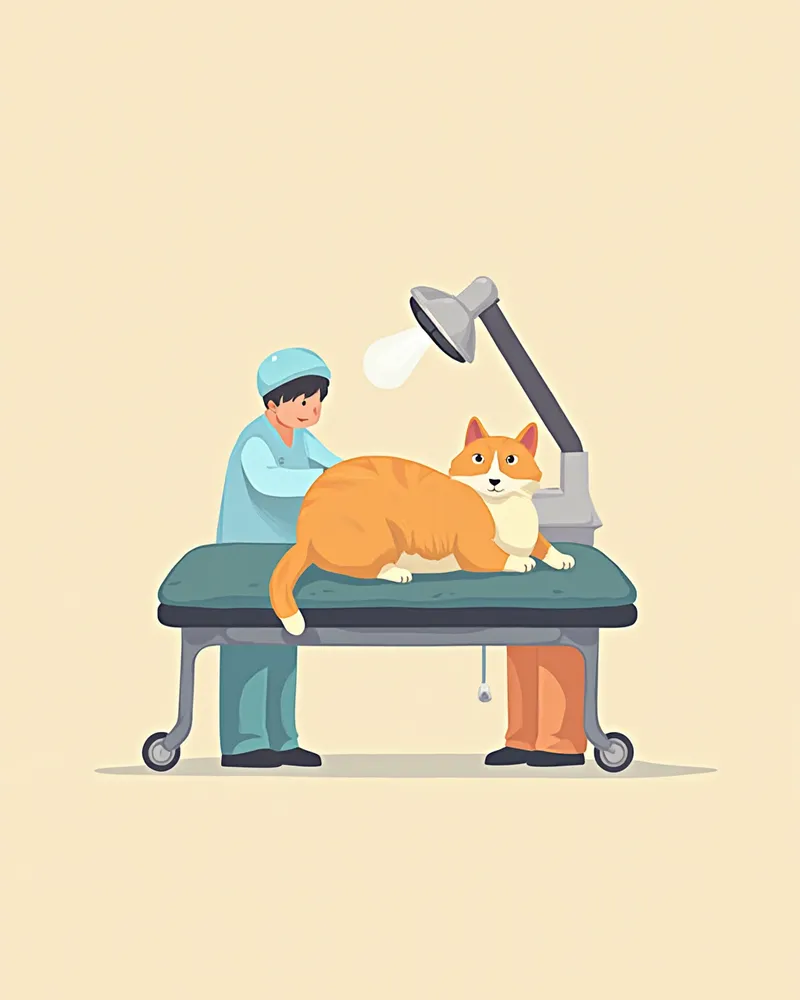
Hypertrophic cardiomyopathy (HCM) is a condition characterized by thickening of the left ventricular wall and is the most common myocardial disease in cats, according to veterinary cardiology textbooks. It predominantly affects breeds such as Maine Coons and Ragdolls, and is known to follow an autosomal dominant inheritance pattern with incomplete penetrance. While the occurrence in Birman cats cannot be definitively confirmed based on the provided evidence, it is too early to feel completely at ease given how common this heart disease is. In its early stages, symptoms are often minimal, but the condition can suddenly manifest as respiratory distress, hindlimb paralysis, or sudden death. Therefore, regular cardiac ultrasound examinations are the most reliable method for early detection.
A cat undergoing an echocardiogram (heart ultrasound) examination.

Birman Genetic Diseases at a Glance

ItemHairlessness & thymic atrophyNeutrophil granulation anomalyHypertrophic cardiomyopathy (HCM)
Inheritance patternAutosomal recessiveBenign morphological variantAutosomal dominant (incomplete penetrance)
Main effectsImmunodeficiency & early deathAlmost noneHeart failure, thromboembolism, sudden death
OnsetShortly after birth to 3 monthsAll agesMainly in adulthood
Recommended testFOXN1 genetic testBlood smear morphology checkEchocardiography (yearly)
Risk levelVery highLowModerate to high

Consult your attending veterinarian for the exact timing of diagnosis and testing.

Health Care Points for Birman Owners
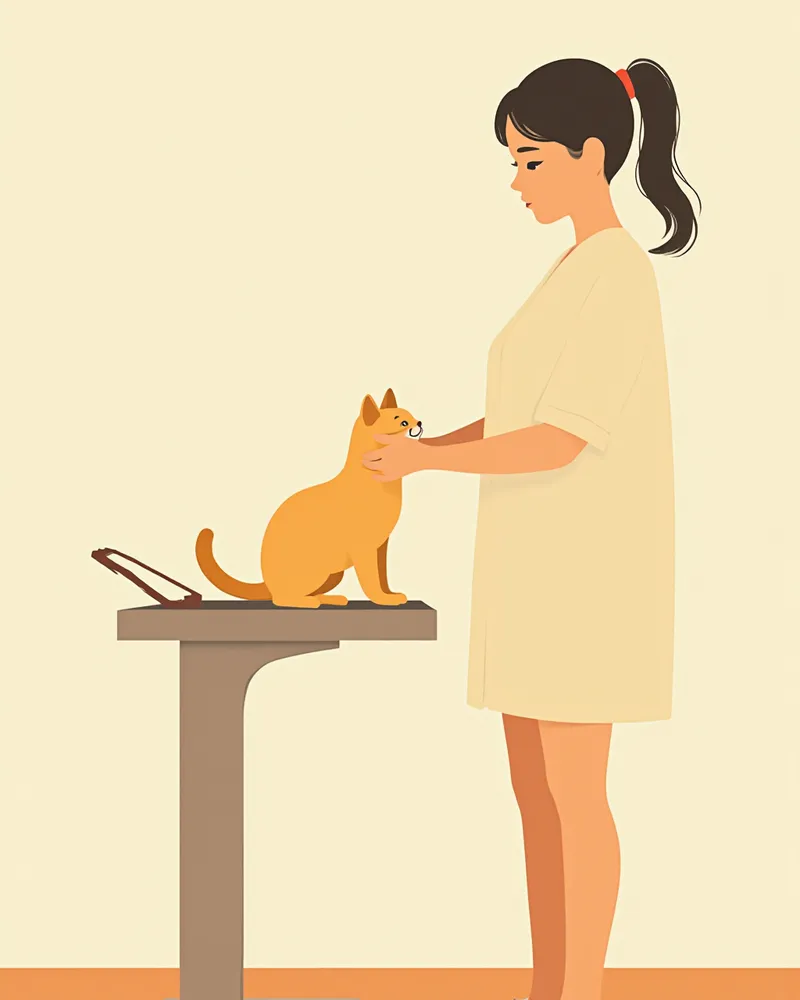
Birman cats are not particularly active, so obesity can place additional strain on their hearts. Please regularly monitor the following: - Annual cardiac ultrasound: This is key to early detection of HCM. - Weight and body condition monitoring: The ribs should be lightly palpable. - Resting respiratory rate: If it exceeds 30 breaths per minute, a cardiac evaluation is needed. - Genetic testing history: Obtain the genetic test results of the kitten’s parents at the time of adoption.
A Birman cat being weighed at the veterinary clinic.

Must-Check Items Before Adoption or Breeding

When adopting a Birman, always ask for the parents’ FOXN1 carrier status, HCM echocardiogram history, and PKD test results. Simply having a pedigree doesn’t guarantee freedom from genetic diseases. Reputable breeders willingly share their test results.

Reviewed by a veterinarian

Dr. Tony — Punnawat Phongkittirak

Dr. Tony — Punnawat Phongkittirak

Veterinarian

A veterinarian who majored in veterinary medicine at Khon Kaen University, Thailand, and completed the IVSA program at North Carolina State University in the United States. Drawing on clinical experience at animal hospitals, he works in the pet healthcare field and is dedicated to building a digital care environment that connects pet parents with veterinarians.

Frequently Asked Questions

My Birman kitten has thin fur—could it be alopecia?
Simply having less undercoat is different from alopecia caused by a FOXN1 mutation. Alopecia due to this mutation typically presents as near-total hairlessness at birth, with little to no subsequent hair growth. If you suspect this condition, please visit a veterinary clinic promptly for an examination and genetic testing.
At what age should screening for hypertrophic cardiomyopathy begin?
It is generally recommended to have an annual echocardiogram starting at one year of age. If there is a family history of heart disease or if you notice rapid breathing, it's best to start earlier.
Where can I get a genetic test done?
You can have a canine genetic test performed at a veterinary clinic or an external testing facility. Your veterinarian can guide you through the process, from sample collection to submission.
Do Birman cats have weaker immune systems compared to other cats?
Non-carrier Birman cats do not have particularly weak immune systems. Severe immunodeficiency only occurs when a cat inherits the FOXN1 mutation from both parents. Therefore, it is important to verify the parents' test history when acquiring a kitten.
Can I still feed regular pet food if my pet has a genetic condition?
In general, a complete and balanced diet appropriate for your pet’s age and weight is sufficient. However, if your pet has heart disease, it’s important to monitor sodium intake and manage their weight carefully. Please consult your veterinarian to select the most suitable food.

Share

Related Guides

References

[1] Susan E. Little, The Cat: Clinical Medicine and Management, 2nd Edition, Chapter on Hereditary Disorders of Cats

[2] Abitbol M et al., A FOXN1 mutation in Birman cats causing hypotrichosis with thymic atrophy, 2015

[3] Luis Fuentes V et al., Textbook of Cardiovascular Medicine in Dogs and Cats, Chapter on Feline Hypertrophic Cardiomyopathy

[4] Ian Tizard, Veterinary Immunology, 11th Edition, Chapter on Primary Immunodeficiencies

This information is based on veterinary literature and does not replace diagnosis or treatment. Please consult a veterinarian for specific health concerns.

Metapet Co., Ltd. | CEO: Park Sung-yong | Business Reg. No. 417-88-02562 | Seoul, South Korea | Customer Center

Birman Genetic Disease Checklist: Alopecia, HCM & Immunity | Meongsiljang