Like
Share
멍실장
히말라얀 PKD 검진 일정

Himalayan PKD Screening — Polycystic Kidney Disease Testing Schedule and Lifetime Management Guide

KidneyBreed HealthMeongsiljang Veterinary Advisory Board

Himalayan cats are a breed at high genetic risk for polycystic kidney disease (PKD). We’ve outlined the recommended screening schedule and testing methods by life stage.

What is Himalayan PKD?
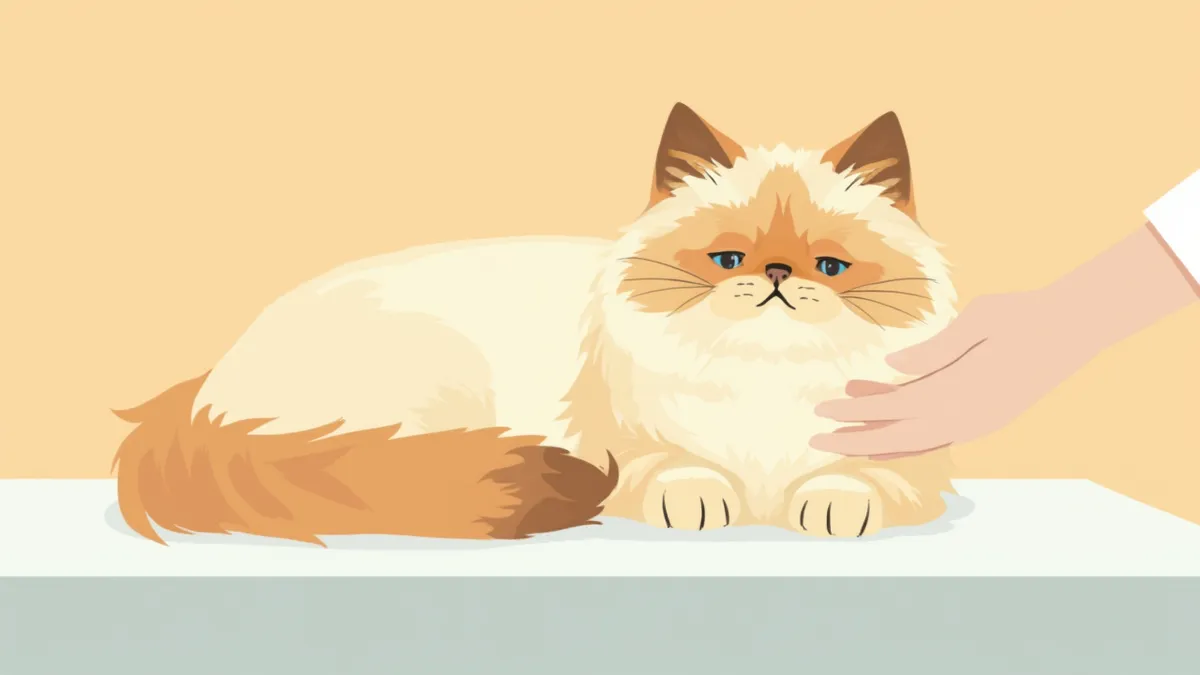
A Himalayan cat undergoing a checkup at the veterinary clinic
Himalayans inherit their Persian lineage and are a long-haired breed with a high genetic risk for Polycystic Kidney Disease (PKD). Early screening is key. Persians and their derived breeds often appear healthy as kittens, but as they mature, their kidneys may enlarge bilaterally, frequently progressing to Chronic Kidney Disease (CKD). Because small fluid-filled sacs (cysts) can gradually multiply in the kidneys without causing obvious symptoms, establishing a regular veterinary check-up schedule from a young age is crucial. In Persian-type cats, PKD can be detected at any age, and by the time clinical signs become apparent, significant kidney damage has often already occurred.

Why Himalayans Are Susceptible to PKD

Himalayans were developed by crossing Persians and Siamese cats, so they inherit polycystic kidney disease (PKD), an autosomal dominant genetic disorder commonly seen in Persian-type cats. According to veterinary internal medicine textbooks, up to 40% of Persian cats are reported to be PKD carriers, and breeds derived from Persians, such as Himalayans and Exotic Shorthairs, share the same risk. Because PKD is autosomal dominant, if only one parent is a carrier, approximately 50% of their offspring will develop the condition. Therefore, genetic testing before breeding is essential.

PKD Key Symptoms Checklist

In the early stages, most cats show no symptoms. Persian-type cats may appear normal as kittens but experience declining kidney function as they mature, so a kidney check is recommended if you notice any of the following signs: - Polyuria and polydipsia: Drinking more water than usual, producing larger volumes of urine, and leaving larger urine clumps in the litter box - Weight loss and decreased appetite: As uremic toxins accumulate, appetite often declines, leading to weight loss - Vomiting and nausea: Accumulation of waste products can cause nausea and increased vomiting - General decline in condition: Lethargy, reduced grooming, and a dull, coarse coat - Abdominal distension: Enlargement of both kidneys (bilateral renal enlargement) can cause the abdomen to appear swollen
A Himalayan cat drinking water

These Signs Require Immediate Veterinary Attention

If vomiting persists for more than 24 hours, urine output is significantly reduced, gums appear pale, or an ammonia-like odor emanates from the mouth, there is a risk of uremia due to rapid deterioration of kidney function. These signs may indicate that waste products (uremic toxins) accumulating in the kidneys are stressing the entire body, so do not delay—seek veterinary care immediately. Himalayans tend to be less active, making it easy to overlook symptoms; therefore, it is important to regularly monitor and remember their normal appetite, water intake, and urine output.

Screening Schedule by Life Stage

Polycystic kidney disease (PKD) screening for Himalayans consists of a one-time genetic test plus regular ultrasound examinations. The genetic test needs to be performed only once in the cat’s lifetime, whereas ultrasounds must be repeated at different life stages to be meaningful. Please refer to the table below for the recommended schedule. Creating your own calendar will help you stay on track and ensure no appointments are missed.

Recommended Himalayan PKD Screening Schedule

ItemKitten stage (10 months)Early adulthood (1–2 yrs)Middle age (5–6 yrs)Senior age (7+ yrs)
Genetic test (PKD1)RecommendedRecommended if not done
Abdominal ultrasoundOptionalRecommendedEssentialEvery 6–12 months
Blood test (BUN/CREA/SDMA)At basic checkupEssentialEssential
Urinalysis (UPC, specific gravity)At basic checkupEssentialEssential
Blood pressure measurementRecommendedEssential

Prior to adoption, carriers or breeding cats are tested more frequently on a separate schedule.

Differences Between Genetic Testing and Ultrasound
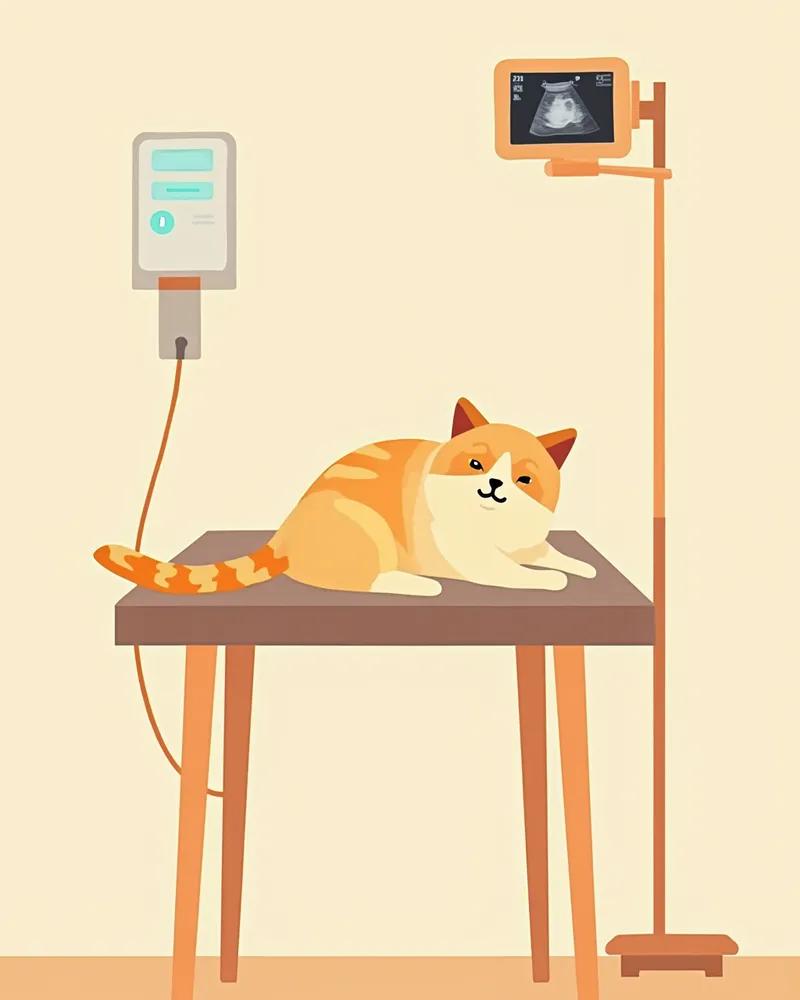
Genetic testing for the PKD1 mutation can determine whether a cat is a carrier for life with a single oral swab. However, it’s good to keep in mind that genetic testing isn’t perfect. The cost is typically between $40 to $70. Ultrasound allows you to visually confirm whether cysts have actually formed in the kidneys, making it essential for tracking disease progression. In Persian cats, ultrasound sensitivity is reported to be about 75% at 16 weeks of age and about 91% at 36 weeks, so even if a kitten tests negative early on, it’s advisable to recheck as they grow. A helpful way to remember this is: use genetic testing to assess risk, and ultrasound to monitor progression. You shouldn’t rely on just one of these tests.
An abdominal ultrasound examination of a Himalayan cat

Home Care for a Positive Diagnosis

A positive PKD test doesn’t mean kidney failure will happen right away. You can help slow its progression by focusing on the following at home: - Hydration: Use a water fountain and increase the proportion of wet food in their diet. - Low-phosphorus diet: Consider a prescription diet designed to reduce kidney strain. - Sodium management: Limit salty human foods and treats. - Minimize stress: Reduce environmental changes and potential conflicts with other pets. - Weight tracking: Weigh your pet at the same time each week to monitor trends.

Must-Check Before Adoption or Breeding

If you’re adopting a Himalayan or planning to breed, always request the parents’ PKD genetic test results. Since PKD is an autosomal dominant condition, both parents must test negative to ensure the kittens are unaffected. Be cautious about breeders who cannot provide these results. Veterinary textbooks recommend confirming that Persian and other high-risk breeds have undergone parental PKD testing before acquiring kittens, and advise requesting official documentation. Responsible selective breeding can help reduce the prevalence of this disease.

Reviewed by a veterinarian

Dr. Tony — Punnawat Phongkittirak

Dr. Tony — Punnawat Phongkittirak

Veterinarian

A veterinarian who majored in veterinary medicine at Khon Kaen University, Thailand, and completed the IVSA program at North Carolina State University in the United States. Drawing on clinical experience at animal hospitals, he works in the pet healthcare field and is dedicated to building a digital care environment that connects pet parents with veterinarians.

Frequently Asked Questions

If the genetic test is negative, can I skip the ultrasound?
If the genetic test is negative, the risk of PKD caused by the PKD1 mutation is significantly reduced. However, other kidney diseases (such as chronic kidney disease) are separate issues, so we recommend having a kidney ultrasound every one to two years as part of routine senior health checkups after the age of seven.
If a cat tests positive for PKD, what is its average life expectancy?
The progression rate of cysts varies significantly from cat to cat. Persian-type cats can be diagnosed at any age; they often appear normal as kittens, with chronic kidney disease symptoms emerging only after reaching maturity. While there is no definitive average life expectancy, early detection combined with dietary and hydration management can often slow the progression of kidney disease and maintain a good quality of life for a long time. Regular check-ups and early intervention are key to determining the prognosis.
If the cost of a full checkup is a concern, here’s how to prioritize: Start with a basic physical exam and bloodwork to assess overall health, then add tests like urinalysis, fecal exams, or imaging (e.g., X-rays, ultrasounds) based on your pet’s age, symptoms, or risk factors. Always discuss with your vet to tailor the plan to your pet’s needs and your budget.
If your budget is limited, prioritize the following: 1) a single genetic test at 10 months of age, 2) an abdominal ultrasound and blood test at 5 years of age, and 3) annual blood and urine tests starting at 7 years of age. Following just these three steps can significantly increase the chances of early detection.
Are there other breeds besides the Himalayan that require the same health screening?
Persians and their derived breeds, such as the Exotic Shorthair, as well as other breeds with strong Persian lineage, have been reported to carry the same autosomal dominant risk for Polycystic Kidney Disease (PKD), so it is advisable to follow the same screening schedule. For other breeds with Persian ancestry, it is safer to verify the PKD test results of the parents before adoption or breeding. However, certain breeds like the British Shorthair and Scottish Fold have been reported to have genetic diseases other than PKD, so please consult with your veterinarian to determine the appropriate tests for each breed.

Share

Related Guides

References

[1] Little SE, The Cat: Clinical Medicine and Management, 2nd Edition, Chapter 52 Genetics of Feline Diseases and Traits

[2] Schaer M, Clinical Medicine of the Dog and Cat, 4th Edition, Chapter 13 Urinary System

[3] Lyons LA et al., Feline Polycystic Kidney Disease Mutation Identified in PKD1, Journal of the American Society of Nephrology, 2004

This information is based on veterinary literature and does not replace diagnosis or treatment. Please consult a veterinarian for specific health concerns.

Metapet Co., Ltd. | CEO: Park Sung-yong | Business Reg. No. 417-88-02562 | Seoul, South Korea | Customer Center

Himalayan PKD Screening: Testing Schedule & Lifetime Care | Meongsiljang