
Norwegian Forest Cat Genetic Conditions — 7-Point Checklist for HCM and Kidney Disease
The Norwegian Forest Cat is a large, long-haired breed that requires careful monitoring for genetic conditions such as hypertrophic cardiomyopathy, glycogen storage disease, and hip dysplasia. Here’s a summary of the key health checks owners should prioritize.
What genetic conditions should you watch for in Norwegian Forest Cats?
Top 5 Genetic Conditions to Watch for in Norwegian Forest Cats
Hypertrophic Cardiomyopathy (HCM) — The Condition to Watch Most Closely
Go to the Vet Immediately If You See These Signs
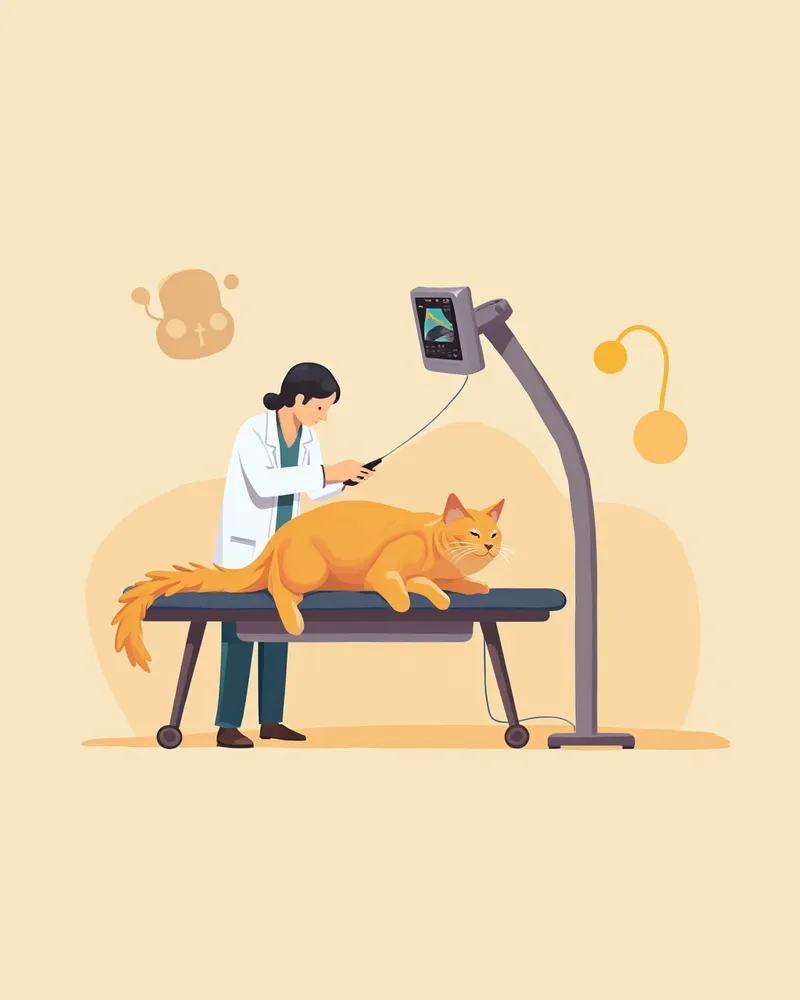
The following are emergency warning signs of hypertrophic cardiomyopathy and arterial thromboembolism: rapid breathing with open-mouth panting; sudden paralysis or coldness in the hind legs; bluish discoloration around the paw pads and claws; pale or blue-tinged tongue and gums. If you notice even one of these signs, your pet needs emergency veterinary care within 24 hours.
Glycogen Storage Disease Type IV — A Condition Specific to Norwegian Forest Cats
Hip Dysplasia — The Fate of Large Long-Haired Breeds

Norwegian Forest Cat Genetic Tests at a Glance
| Item | Hypertrophic cardiomyopathy | Glycogen storage disease type IV | Hip dysplasia | Polycystic kidney disease |
|---|---|---|---|---|
| Testing method | Echocardiography | Genetic (DNA) test | X-ray imaging | Renal ultrasound + genetic test |
| Recommended testing timing | Age 1 / then yearly (every 6–12 months) | Once before adoption or when young | Age 1 / when showing pain | Age 1 / then regular ultrasound |
| Manageable with early detection | True | True | True | True |
| Genetic testing available | True | True | False | True |
The type and timing of tests may vary depending on the animal hospital and specialist's judgment. Genetic testing for hypertrophic cardiomyopathy is available in some breeds (Maine Coon, Ragdoll, etc.), and even with a positive result, it is recommended to re-confirm the actual condition with echocardiography.
Health Care Points to Manage at Home

What to Check Before Adoption or Purchase
If you’re bringing home a Norwegian Forest cat, always request the genetic test results for the parents (specifically for GSD IV, HCM, and PKD) before adoption. Responsible breeders will willingly provide proof of testing. Avoiding breeders who lack these results or are reluctant to share them is the safest preventive measure.
Reviewed by a veterinarian

Dr. Tony — Punnawat Phongkittirak
VeterinarianA veterinarian who majored in veterinary medicine at Khon Kaen University, Thailand, and completed the IVSA program at North Carolina State University in the United States. Drawing on clinical experience at animal hospitals, he works in the pet healthcare field and is dedicated to building a digital care environment that connects pet parents with veterinarians.
Reviewed 2026-04-30
Frequently Asked Questions
Are Norwegian Forest Cats less prone to heart disease than Maine Coons?
Do I need to have my pet’s genetic test done more than once?
Is glycogen storage disease treatable?
Are genetic conditions covered when I purchase insurance?
Share
Related Guides
Top 7 Short-Legged Dog Breeds

Primary vs. Secondary Veterinary Hospitals: A Comparison
5 Easy-to-Raise Cat Breeds for First-Time Owners — Grooming Difficulty Comparison

Poodle Health Care Guide (Patellar, Skin, and Eye)

Boxer Mast Cell Tumor Lifelong Management Guide — Key Points for Early Detection of Skin Lumps

Golden Retriever Health Management (Joints, Skin, Cancer)
Pekingese Brachycephalic Respiratory Care: From Key Precautions to Lifelong Age-Specific Health Management
French Bulldog Brachycephalic Respiratory Precautions and Age-Specific Lifelong Health Management Guide
Papillon Patellar Luxation — Symptoms, Grades, and Lifelong Age-Specific Care
Dachshund Intervertebral Disc Disease (IVDD) Complete Guide — From Symptoms to Lifelong Age-Specific Management
References
[1] Smith FWK et al., Textbook of Cardiovascular Medicine in Dogs and Cats, Chapter 11 Hypertrophic Cardiomyopathy, 2024
[2] Little SE, The Cat: Clinical Medicine and Management, 2nd Edition, Feline Cardiomyopathy, 2024
[3] Fyfe JC et al., Glycogen Storage Disease Type IV in Norwegian Forest Cats, Molecular Genetics and Metabolism, 2007
[4] Gough A, Thomas A, O'Neill D, Breed Predispositions to Disease in Dogs and Cats, 3rd Edition, 2018