Like
Share
멍실장
퍼그 돌출 눈 보호와 각막 케어 완벽 가이드

Pug Protruding Eyes: Daily Care and Eye Protection Guide to Preventing Corneal Ulcers

Eye HealthBreed HealthMeongsiljang Veterinary Advisory Board

Pugs are prone to corneal injuries because their brachycephalic skull shape causes their eyes to protrude. Here’s a comprehensive guide to pug eye care, covering everything from daily maintenance to recognizing emergency warning signs.

Why Do Pug Eyes Require Special Care?
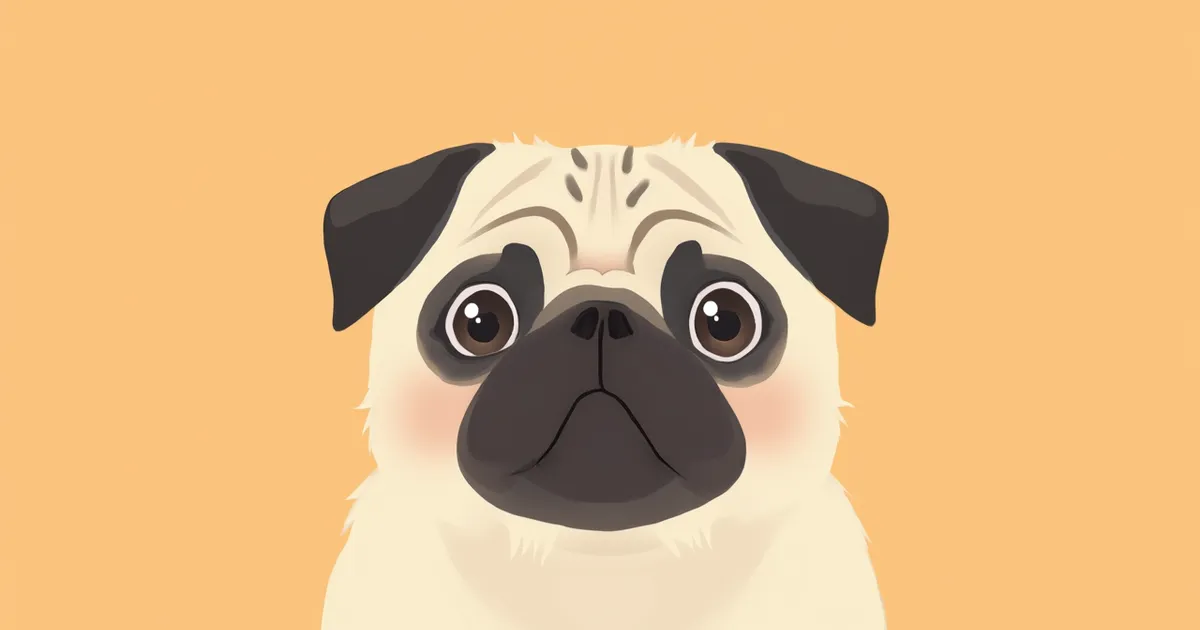
The Pug's face, characterized by its prominent, large eyes.
Pugs are a brachycephalic breed with short faces and shallow orbits (the bony sockets that hold the eyes), which causes their eyes to protrude outward. The most critical concern is preventing corneal damage. Because blinking often fails to cover the entire cornea, their eyes are highly susceptible to dryness, irritation, and trauma, and even minor impacts can lead to globe prolapse, where the eye is pushed out of the socket. Making it a daily habit to inspect your Pug’s eyes is the first duty of any Pug owner.

Top 5 Eye and Systemic Conditions Pugs Should Watch For

Pugs are a breed that requires comprehensive care for not only their eye structure but also respiratory and spinal issues. - Corneal Ulcers: Due to their protruding eye structure, this is a common condition where the cornea dries out and becomes injured from blinking alone. - Globe Luxation (Proptosis): The eyeball can become dislodged even from minor impacts, such as pulling on a leash, falling, or fighting. - Keratoconjunctivitis Sicca (KCS): A condition characterized by chronic dryness of the cornea due to insufficient tear production. - Brachycephalic Airway Syndrome: A structural issue causing breathing difficulties due to narrow nostrils and an elongated soft palate. - Hemivertebrae: A spinal deformity in the tail or back vertebrae that can lead to neurological symptoms.

Daily Pug Eye Checklist

Pug owners should check their dog’s eyes once or twice a day. - Redness in the whites of the eyes: If the eyes appear redder than usual, it may indicate irritation or inflammation. - Changes in tear production: A sudden increase in tearing or the presence of sticky discharge could suggest an infection. - Corneal surface: If the cornea looks cloudy, hazy, or bluish instead of clear, it may indicate a corneal ulcer. - Blinking: Frequent blinking or rubbing of one eye can be a sign of pain. - Color of eye discharge: Yellow or green discharge is often a sign of bacterial infection.
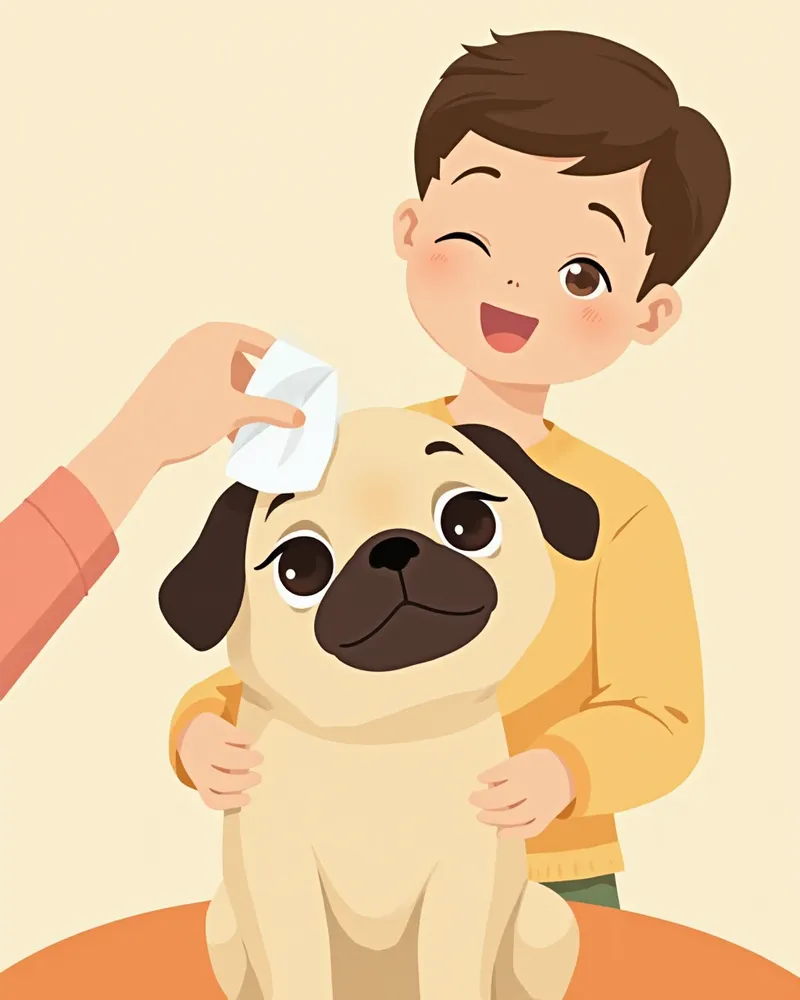
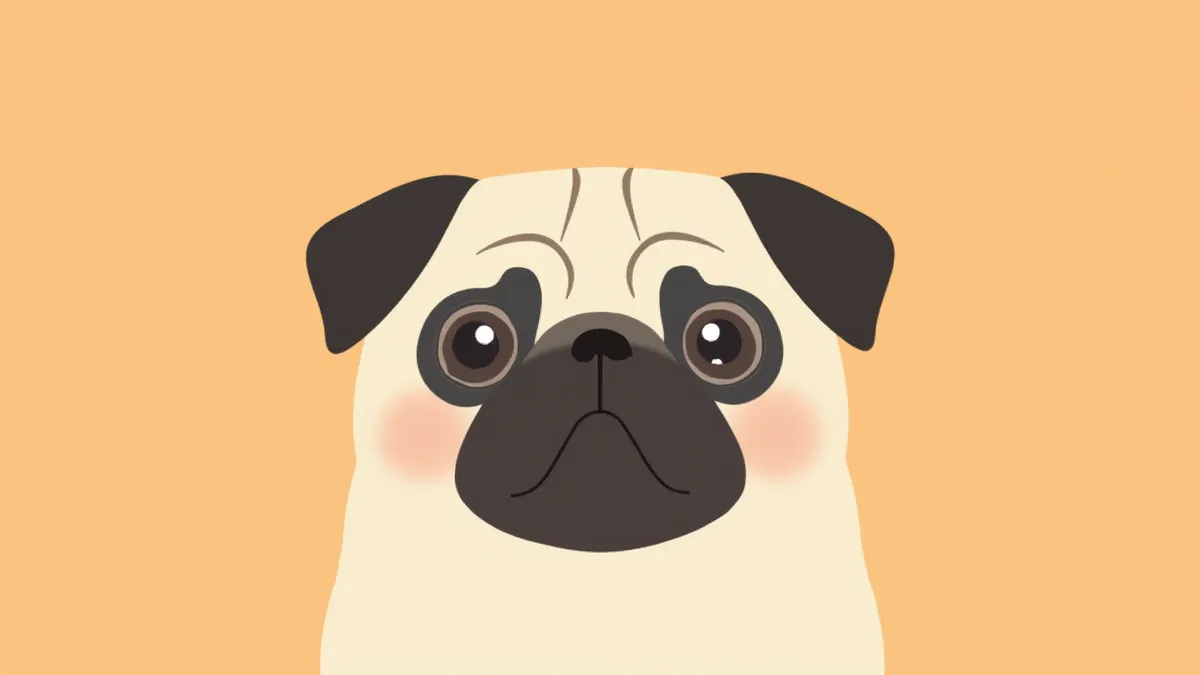
The owner gently examining the Puggle’s eyes

Signs Requiring Immediate Emergency Care

Proptosis (eye prolapse) is a race against time. This emergency occurs when the eyeball protrudes from the socket, and the sooner it is treated, the higher the chances of preserving vision and saving the eye. Additionally, if there are deep corneal injuries (corneal perforation or laceration, which are emergencies in themselves), or if your pet cannot fully open one eye, is trembling from pain, or keeps the eye tightly shut, you should seek care at a 24-hour emergency veterinary clinic rather than a regular clinic. During transport, gently cover the eye surface with gauze moistened with sterile saline to prevent drying, but do not rub or wipe the protruding eyeball, injured areas, or discharge. Keep the eye protected as it is and proceed to the clinic.

Daily Care for Protecting Pug Eyes
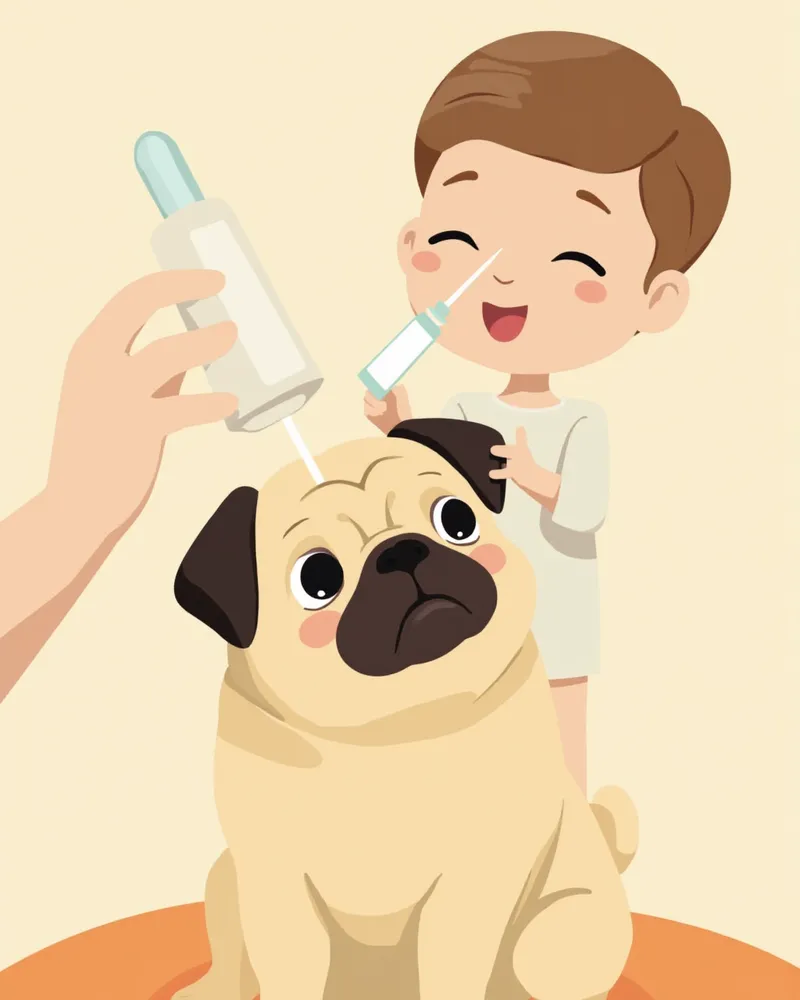
Apply a pet-specific artificial tear (lubricating eye drop) two to three times daily to coat and protect the corneal surface from drying out. Human eye drops may cause irritation depending on their ingredients, so it is best to use products formulated for pets and consult your veterinarian to determine the most suitable option. During walks, use a harness instead of a collar to prevent sudden pressure on the neck from straining the protruding eyes. Additionally, gently wipe between facial folds with a soft pad to consistently manage hair and secretions around the eyes, preventing them from directly irritating the cornea.
A pet owner administering artificial tears to a Pug

Why Obesity and Respiratory Management Are Linked to Eye Health

According to veterinary internal medicine textbooks, obesity exacerbates brachycephalic airway syndrome, leading to more severe upper airway obstruction. Additionally, panting increases when the dog is anxious or excited; however, because of the narrowed airways, this panting is inefficient, causing body temperature to rise easily and often resulting in respiratory distress. When labored breathing and easy fatigue become recurring issues, a Pug’s overall health can deteriorate, potentially leading to behaviors such as rubbing or irritating the area around the eyes. Therefore, weight management is not merely about dieting—it is essential care that simultaneously protects eye, respiratory, and joint health. Please consult your veterinarian to determine the appropriate food portion size.

Environments to Avoid for Pugs

Dry air from air conditioners or heaters, dusty environments, and vigorous walks through tall grass can all directly irritate the cornea. Letting your dog stick its head out of a car window is also a common cause of foreign objects getting lodged in the eye. Additionally, rough play with other dogs significantly increases the risk of eye prolapse, so please create a safe environment where Pugs can interact with smaller, calmer companions.

Routine Ophthalmic Examination Schedule and Items

Pugs should have a routine eye exam once a year starting at one year of age. After six years old, it is recommended to increase the frequency to every six months. The main tests include: - Schirmer tear test: Measures tear production to detect early signs of dry eye (keratoconjunctivitis sicca) - Tonometry: Assesses the risk of glaucoma - Fluorescein staining: Checks for microscopic corneal abrasions - Slit-lamp examination: Provides a detailed view of the cornea and lens Keeping a record of the results helps you track changes over time.

Reviewed by a veterinarian

Dr. Tony — Punnawat Phongkittirak

Dr. Tony — Punnawat Phongkittirak

Veterinarian

A veterinarian who majored in veterinary medicine at Khon Kaen University, Thailand, and completed the IVSA program at North Carolina State University in the United States. Drawing on clinical experience at animal hospitals, he works in the pet healthcare field and is dedicated to building a digital care environment that connects pet parents with veterinarians.

Frequently Asked Questions

My Pug sleeps with its eyes slightly open. Is this normal?
Pugs often have prominent eyes that don’t fully close during sleep, a condition known as lagophthalmos. While this is common in the breed, if you notice cloudiness or redness in the cornea upon waking, it’s advisable to have your veterinarian prescribe a protective overnight eye ointment.
My pug has suddenly developed a lot of eye discharge. What should I do?
An increase in clear, watery discharge is a sign of irritation, while yellow or green eye discharge indicates a bacterial infection. Gently wipe the area with sterile gauze moistened with saline solution. If there is no improvement within 24 hours, or if redness and pain are present, please seek veterinary care immediately.
Can eye supplements also help Pugs?
While many eye-health supplements are available, it’s important to remember that they are not treatments but rather preventive aids. The effectiveness and choice of product can vary depending on your pet’s condition, so it’s best to consult with your veterinarian. If your pet already has corneal damage or signs of dryness, lubricating eye drops or prescription medications should be prioritized over supplements.
Can a Pug that has experienced one episode of proptosis have a recurrence?
Once a dog has experienced eye bulging, the surrounding tissues stretch, increasing the risk of recurrence. To help prevent this, it’s important to avoid using a chest harness, steer clear of rough play, and maintain regular eye check-ups for life. Your veterinarian may also recommend preventive measures such as permanent suturing.
I just adopted a Pug puppy. When should I start having its eyes checked?
It’s a good idea to include an ophthalmic exam during your puppy’s first comprehensive checkup at 2–3 months of age. Until your dog reaches one year, an annual basic wellness exam is sufficient. After that, we recommend switching to a more thorough annual examination to establish and maintain a lifelong baseline of health records.

Share

Related Guides

References

[1] Hendricks JC, Brachycephalic Airway Syndrome, Textbook of Respiratory Disease in Dogs and Cats

[2] The Veterinary Workbook of Small Animal Clinical Cases, Case 15 & Case 41

[3] Maggs DJ et al., Slatter's Fundamentals of Veterinary Ophthalmology, 6th ed.

This information is based on veterinary literature and does not replace diagnosis or treatment. Please consult a veterinarian for specific health concerns.

Metapet Co., Ltd. | CEO: Park Sung-yong | Business Reg. No. 417-88-02562 | Seoul, South Korea | Customer Center

Pug Protruding Eyes: Daily Care to Prevent Corneal Ulcers | Meongsiljang