
Bengal Short-Hair and Rosette Grooming — From Shine Maintenance to Skin Health
This guide outlines the key grooming tips and skin care methods for keeping the short coat and rosette (spotted) patterns of Bengal cats shiny and healthy.
What is Bengal Grooming?
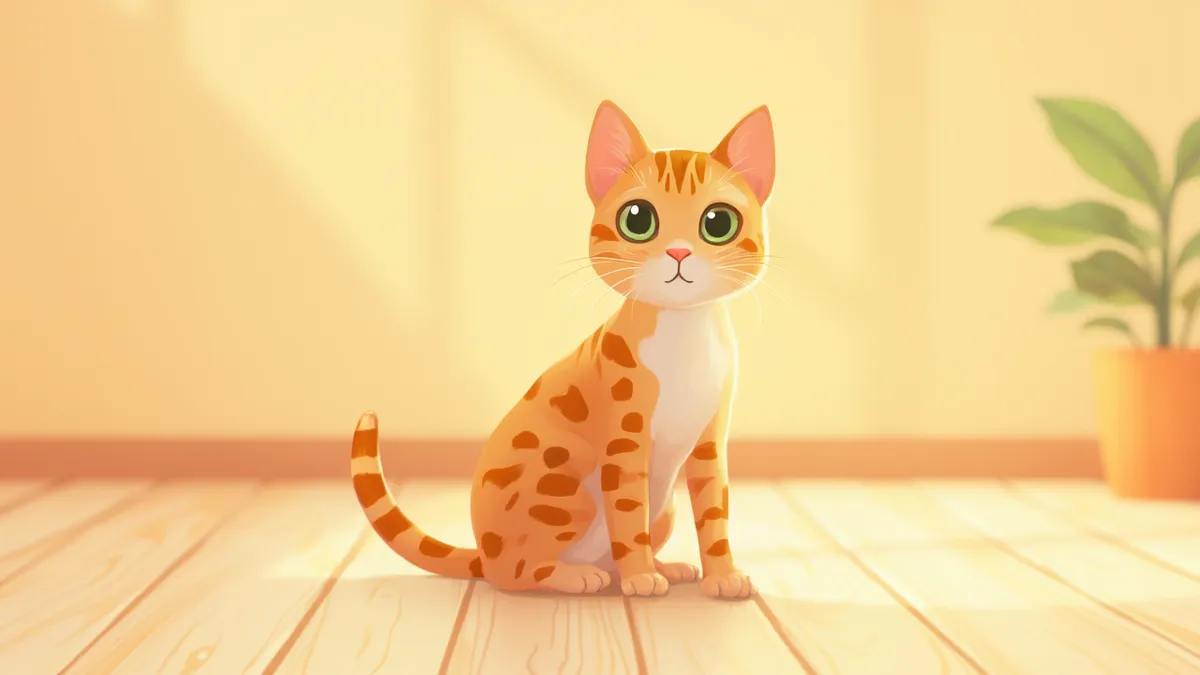
Characteristics of Bengal Short-Hair and Rosette Coat
Key Points of Bengal Grooming
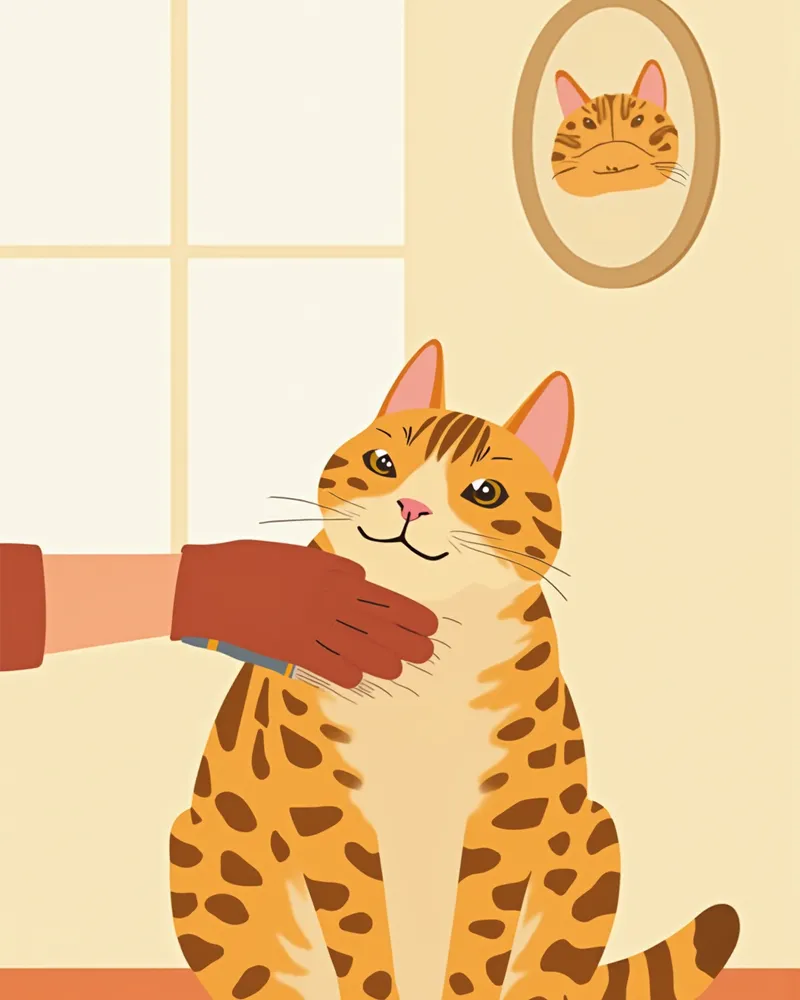
These Signs Indicate Grooming Issues
If your Bengal is scratching more than usual, repeatedly licking a specific spot, showing noticeable dandruff over its markings, or has a coarse, frizzy coat, it may be more than just a lack of brushing. Excessive licking or scratching in cats is often caused by parasites like fleas or mites, bacterial or fungal infections, pain, or behavioral issues such as stress and anxiety. In particular, if a cat continuously licks one area, causing the hair to break off and leave a rough, stubbly texture, it could be self-induced alopecia, where the cat pulls out its own fur. Owners often find it difficult to distinguish between normal self-grooming and excessive licking. If these symptoms persist for more than one to two weeks, do not try to manage them at home alone; instead, seek veterinary care to identify the underlying cause.
Proper Brushing Method
Bengal Bathing Guide
Comparison of Bengal Grooming Tools
| Item | Rubber brush | Slicker brush | Silicone glove |
|---|---|---|---|
| Suitability for short coat | Very good | Moderate | Very good |
| Dead hair removal | Excellent | Excellent | Moderate |
| Skin irritation | Low | Medium (caution) | Very low |
| Bengal recommendation | True | False | True |
For shorthaired breeds with little undercoat like the Bengal, a slicker brush can be overly stimulating
How to Keep Rosette Patterns Vivid
Specific Precautions for Bengals
Bengals are highly active, so they face a greater risk of tick and flea exposure during outdoor walks or balcony access compared to other indoor short-haired breeds. When grooming, please also check for small spots on the inner side of the tail, behind the ears, and in the groin area. Additionally, Bengals are sensitive to stress, so prolonged restraint during grooming may trigger resistance. It is more effective to keep grooming sessions short and frequent.
Reviewed by a veterinarian

Dr. Tony — Punnawat Phongkittirak
VeterinarianA veterinarian who majored in veterinary medicine at Khon Kaen University, Thailand, and completed the IVSA program at North Carolina State University in the United States. Drawing on clinical experience at animal hospitals, he works in the pet healthcare field and is dedicated to building a digital care environment that connects pet parents with veterinarians.
Reviewed 2026-04-30
Frequently Asked Questions
Do Bengal cats need to be brushed every day?
How often should you bathe a Bengal cat?
It seems like the spotted pattern has become faint. Could it be a grooming issue?
Can I use human shampoo or dog shampoo?
What should I do if my Bengal cat is frequently licking and scratching?
Share
Related Guides
Top 5 Medicated Dog Shampoos — For Pyoderma and Bacterial Infections

Veterinarian-Recommended Top 5 Medicated Shampoos for Canine Yeast Dermatitis — Relieves Itching and Greasiness
Top 5 Medicated Cat Shampoos Recommended by Veterinarians — Fungal Dermatitis and Fungal Care
Yorkshire Terrier PSS (Portosystemic Shunt) — Symptoms, Diagnosis, and Lifelong Management Guide
Papillon Patellar Luxation — Symptoms, Grades, and Lifelong Age-Specific Care
Dachshund Intervertebral Disc Disease (IVDD) Complete Guide — From Symptoms to Lifelong Age-Specific Management
Key Points on Bengal Hypertrophic Cardiomyopathy and an Age-Specific Lifelong Health Management Guide
Key Points on Dilated Cardiomyopathy in Dobermans and an Age-Specific Lifelong Health Management Guide
Sphynx HCM (Hypertrophic Cardiomyopathy) — Complete Guide to Symptoms, Diagnosis, and Age-Specific Lifelong Care
American Shorthair HCM: Symptoms, Early Detection, and Age-Specific Care Guide
References
[1] Miller WH, Griffin CE, Campbell KL. Muller & Kirk's Small Animal Dermatology, 7th edn. Elsevier, 2013
[2] Jackson HA, Marsella R. BSAVA Manual of Canine and Feline Dermatology, 4th Ed. BSAVA, 2021
[3] Hobi S, Linek M, Marignac G. Clinical characteristics and causes of pruritus in cats. Veterinary Dermatology 22, 406-413, 2011