

7 Genetic Diseases Common in British Shorthairs — Early Warning Signs of Heart Disease
We’ve compiled a list of heart, kidney, and blood disorders that British Shorthairs and Longhairs are genetically predisposed to, along with early warning signs owners can spot at home and recommended screening schedules.
What Are British Shorthair Genetic Diseases?

Top 5 Genetic Diseases to Watch For
Hypertrophic Cardiomyopathy: Why Is It Common in British Shorthairs?
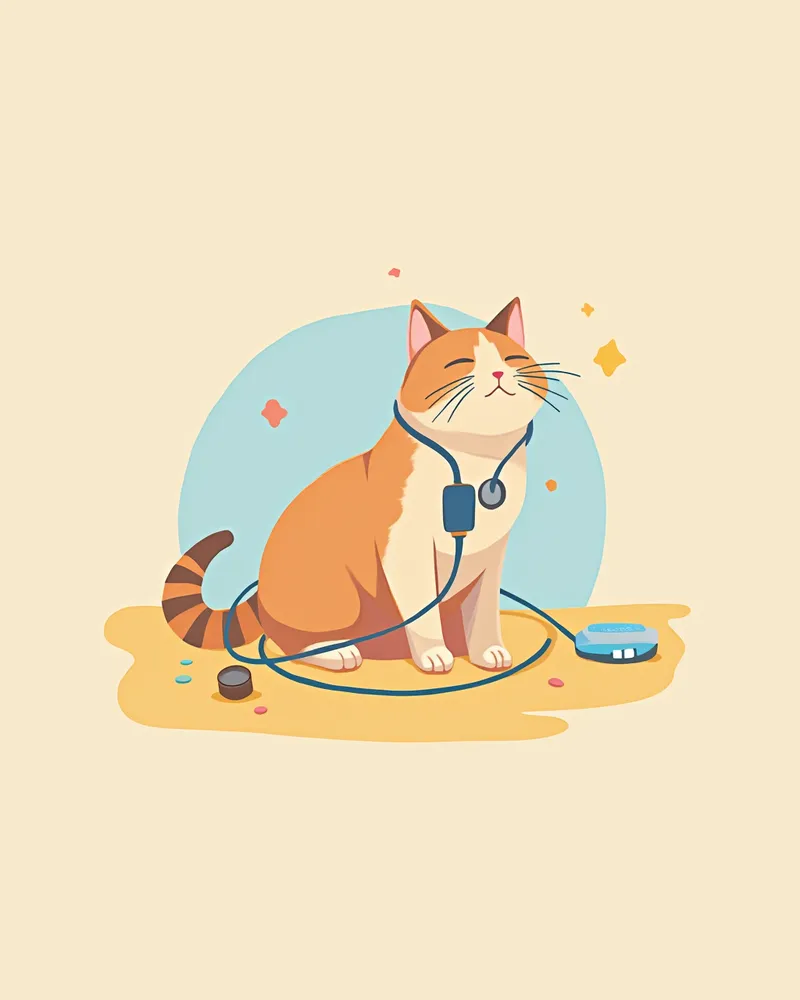
Seek Veterinary Care Immediately If You See These Signs
If you notice any of the following symptoms, seek veterinary care within 24 hours. In hypertrophic cardiomyopathy, the first signs often indicate an emergency. • Breathing with an open mouth and panting • A resting respiratory rate exceeding 40 breaths per minute • Sudden weakness or coldness in the hind legs (possible blood clot) • Pale or bluish gums • Sudden loss of appetite and hiding
Polycystic Kidney Disease (PKD) Check Points

Recommended Screening Schedules by Genetic Disease
| Item | Hypertrophic Cardiomyopathy | Polycystic Kidney Disease | Blood type test |
|---|---|---|---|
| First test timing | 1 year of age | 1 year of age | Right after adoption |
| Test method | Echocardiography | Kidney ultrasound | Blood test |
| Recheck interval | 1–2 years | 1 year | Once is sufficient |
| Estimated cost range | Varies by checkup price | Varies by checkup price | Varies by checkup price |
Costs vary greatly by hospital and region, so they have been omitted. Please call to confirm before visiting.
Blood Type B: Why You Should Pay Attention
Lifelong Care British Shorthair Owners Must Provide
While genetic diseases can’t be completely prevented, you play a crucial role in slowing their progression. • Weight management: Excess weight puts added strain on the heart and joints. • Hydration: Protect your cat’s kidneys by providing fresh water and incorporating wet food. • Annual check-ups: One to two comprehensive exams per year are recommended; after age 8, every six months is advised. • Share family history: Let your veterinarian know about the health information of your cat’s parents, which you received at adoption.
Reviewed by a veterinarian

Dr. Tony — Punnawat Phongkittirak
VeterinarianA veterinarian who majored in veterinary medicine at Khon Kaen University, Thailand, and completed the IVSA program at North Carolina State University in the United States. Drawing on clinical experience at animal hospitals, he works in the pet healthcare field and is dedicated to building a digital care environment that connects pet parents with veterinarians.
Reviewed 2026-04-30
Frequently Asked Questions
Do all British Shorthairs get hypertrophic cardiomyopathy?
Is genetic testing really necessary?
How long can a pet live with polycystic kidney disease?
Should I postpone adoption if my cat is blood type B?
Share
Related Guides

Primary vs. Secondary Veterinary Hospitals: A Comparison
5 Easy-to-Raise Cat Breeds for First-Time Owners — Grooming Difficulty Comparison

Top 7 Short-Legged Dog Breeds
Maine Coon Regular Checkup Schedule — Age-Specific Checklist for Common Conditions Such as Hypertrophic Cardiomyopathy

Maine Coon Genetic Conditions — 5-Point Checklist for Hypertrophic Cardiomyopathy and Hip Dysplasia

Maine Coon Long-Hair Grooming — A Complete Guide from Brushing to Tangle Prevention

Maine Coon Polydactyly: Check and Care

Persian Routine Health Checkup Schedule — Age-Specific Management for Polycystic Kidney Disease and Tear Stains

Daily Grooming Guide for Persian Longhairs

7 Jack Russell Hereditary Conditions — Symptoms, Causes, and Lifelong Care Guide
References
[1] Textbook of Cardiovascular Medicine in Dogs and Cats — Hypertrophic Cardiomyopathy chapter
[2] Small Animal Critical Care Medicine, 3rd Ed — Feline Cardiomyopathy Classification
[3] 수의내과학 교과서 — 고양이 다낭성 신장병(PKD) 단원