Like
Share
멍실장
시추 안구질환 주의점과 연령별 평생 건강관리 가이드

Shih Tzu Eye Diseases — A Complete Guide from Symptoms and Causes to Lifelong Age-Specific Care

Eye HealthBreed HealthMeongsiljang Veterinary Advisory Board

Due to their brachycephalic (short-nosed) anatomy, Shih Tzus are prone to eye conditions such as exposure keratitis and keratoconjunctivitis sicca (dry eye). Here’s a summary of the five most common eye diseases and an age-specific checklist for maintaining your Shih Tzu’s ocular health.

Why Is Lifelong Eye Care Essential for Shih Tzus?

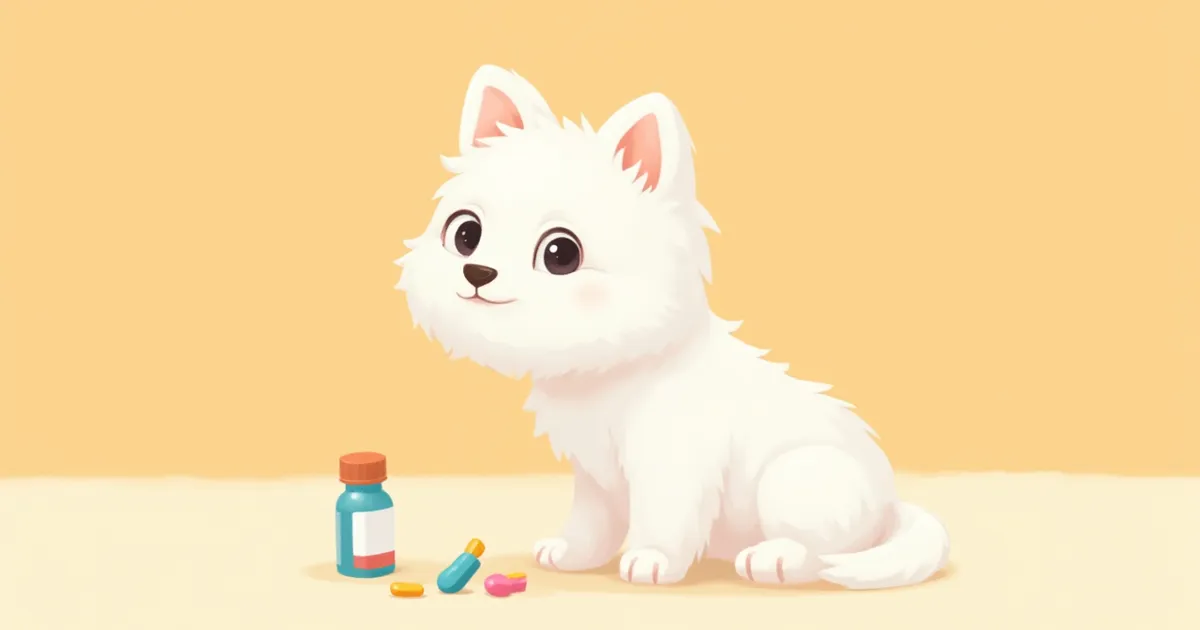
The prominent, bulging eyes of brachycephalic puppies — a result of their unique ocular anatomy
Shih Tzus are prone to eye problems because their flat faces (brachycephalic structure) and protruding eyes expose the cornea to air and external irritants. The bulging eyes also make it difficult for the tear film to spread evenly across the cornea, causing it to dry out easily and become susceptible to irritation and damage. Most importantly, Shih Tzus tend to hide discomfort, so owners must proactively monitor their eyes and ensure regular veterinary check-ups.

Five Eye Conditions Shih Tzus Must Be Especially Watchful For

Exposure Keratitis: This condition occurs when the eyelids fail to close completely, leaving the cornea exposed and dry, which can lead to ulceration.
Keratoconjunctivitis Sicca (Dry Eye): A condition characterized by reduced tear production, causing chronic dryness of the cornea and conjunctiva. Insufficient tear film can result in sticky discharge or pigment deposition on the cornea.
Distichiasis: Abnormally growing eyelashes that rub against the cornea, causing irritation, excessive tearing, and frequent blinking (blepharospasm).
Progressive Retinal Atrophy (PRA): A hereditary disease in which the retina gradually degenerates, progressing from night blindness to complete vision loss.
Vitreous Degeneration: A condition where the gel-like substance inside the eye (the vitreous) liquefies, increasing the risk of retinal detachment. This is commonly seen in Shih Tzus.

Exposure Keratitis and Keratoconjunctivitis Sicca — The Two Most Common Conditions in Shih Tzus
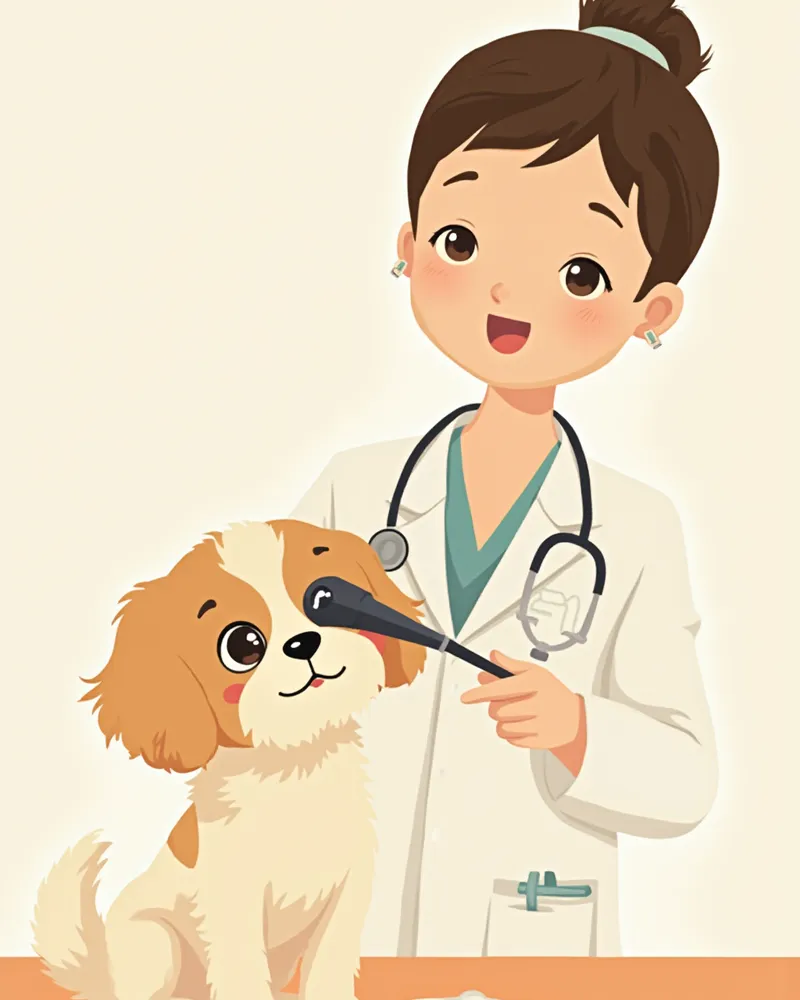
In exposure keratopathy, the condition can worsen more rapidly if the eyes do not fully close during sleep. Basic management involves keeping the corneal surface moist and protected with lubricants such as artificial tears, while severe cases may require surgical correction of the eyelids. For dry eye (keratoconjunctivitis sicca), long-term management typically involves the use of immunomodulatory eye drops, such as cyclosporine or tacrolimus, which stimulate tear production. According to veterinary ophthalmology textbooks, these drops help increase tear secretion, and it is important to use them alongside lubricants like artificial tears to protect the corneal surface.
A veterinarian examining the eyes of a Shih Tzu

Eye Symptoms Requiring Immediate Veterinary Attention

If you notice any of the following symptoms, please visit a veterinary clinic within 24 hours: • The eye appears significantly more protruded or red than usual • Inability to open the eye or persistent blinking • Cloudiness on the surface of the eye • A sudden increase in yellow or green eye discharge • Vigorous rubbing or scratching of the eye with the front paw

Distichiasis and Progressive Retinal Atrophy — Early Detection Is Key

Distichiasis is a condition in which extra eyelashes grow in the wrong direction and repeatedly scratch the cornea. If your pet frequently rubs its eyes or has excessive tearing, this condition should be suspected. Treatment involves removing the abnormal hair follicles through electrocautery or cryotherapy. Progressive retinal atrophy is a hereditary disease in which the retina gradually degenerates. It often begins with night blindness, making it difficult to see in low light, and can progress to complete blindness. While there is no cure, early detection allows for maintaining quality of life through antioxidant supplementation and environmental adjustments.
Distichia — Eye irritation caused by abnormal eyelashes

Age-Specific Shih Tzu Eye Care Checklist

2 months to 1 year (Growth Stage): Initial screening for congenital eye abnormalities and hereditary conditions; establish a daily habit of gently wiping away eye discharge.
1 to 5 years (Adult Stage): Schedule ophthalmic exams every six months for early detection of dry eye (keratoconjunctivitis sicca); consult your veterinarian regarding the need for eye drops.
6 to 9 years (Middle Age): Monitor for progressive retinal atrophy and vitreous degeneration; closely observe any changes in nighttime behavior.
10 years and older (Senior Stage): Conduct regular check-ups every three to four months; install night lights and minimize obstacles in the home.

At-Home Shih Tzu Eye Care Routine

Gently wipe away any discharge around the eyes each morning with a warm, damp gauze pad. Avoid pressing hard or using cotton swabs, as these can cause injury. Keep the hair on the forehead trimmed or tied back to prevent it from touching the eyes and irritating the cornea. Protect your pet from direct airflow from air conditioners or fans, and avoid environments with cigarette smoke or excessive dust. Administer prescribed eye drops exactly as directed by your veterinarian to maintain their effectiveness.
Cleaning discharge around Shih Tzu eyes — a daily eye care routine

Recommended Schedule for Shih Tzu Ophthalmic Exams

• Under 1 year: Comprehensive eye exams every 2–3 months • 1–7 years: Eye check-ups every 6 months (to detect dry eye early) • Over 7 years: Shorten check-up intervals to every 3–4 months If your pet has already been diagnosed with an eye condition, follow your veterinarian’s advice and visit more frequently.

Reviewed by a veterinarian

Dr. Tony — Punnawat Phongkittirak

Dr. Tony — Punnawat Phongkittirak

Veterinarian

A veterinarian who majored in veterinary medicine at Khon Kaen University, Thailand, and completed the IVSA program at North Carolina State University in the United States. Drawing on clinical experience at animal hospitals, he works in the pet healthcare field and is dedicated to building a digital care environment that connects pet parents with veterinarians.

Frequently Asked Questions

Can my Shih Tzu have dry eye (keratoconjunctivitis sicca) even though its eyes always look moist?
Even if your pet’s eyes appear watery, their actual tear film function may be low. A veterinarian can accurately measure tear production using a Schirmer Tear Test (STT). Because protruding eyes don’t allow the tear film to spread evenly and dry out more quickly, they can be diagnosed with dry eye (keratoconjunctivitis sicca) even if they look moist on the surface, so it’s best to confirm with a test.
Is it normal for a Shih Tzu’s eye discharge to be brown or red?
Brown tear stains are caused by the oxidation of porphyrins, a component of tears, and are not a disease in themselves. However, if the discharge suddenly becomes darker or turns green or yellow, it may indicate an infection, so you should have your veterinarian check it.
Is there a treatment for progressive retinal atrophy?
There is currently no cure. However, if detected early, quality of life can be maintained through antioxidant supplementation and environmental adjustments. Genetic testing is also an option to assess risk in advance.
When is eyelid correction surgery necessary for Shih Tzus?
If your pet’s eyes remain partially open during sleep, if entropion (inward-rolling eyelids) recurs repeatedly, or if exophthalmos (protruding eyeballs) poses a risk of trauma, it’s a good idea to consult a veterinary ophthalmologist about whether corrective surgery is an option.
Why is vitreous degeneration common in Shih Tzus?
Shih Tzus are a breed with a high incidence of vitreous degeneration. According to veterinary ophthalmology research, the vitreous tissue in Shih Tzus has a structure that makes it more prone to liquefaction compared to other breeds. As the condition progresses, the risk of retinal detachment increases, so regular monitoring is necessary for senior Shih Tzus.

Share

Related Guides

References

[1] Papaioannou NG, Dubielzig RR. Histopathological and immunohistochemical features of vitreoretinopathy in Shih Tzu dogs. J Comp Pathol. 2004

[2] Dodi PL. Immune-mediated keratoconjunctivitis sicca in dogs: current perspectives on management. Vet Med (Auckl). 2015;6:341–347

[3] Haeussler DJ Jr. Improving the diagnosis of canine keratoconjunctivitis sicca. Vet Rec. 2019;184(22):676–677

[4] Hendrix DV, Adkins EA, Ward DA, Stuffle J, Skorobohach B. An investigation comparing the efficacy of topical ocular application of tacrolimus and cyclosporine in dogs. Vet Med Int. 2011;2011:487592

[5] Krishnan H, Diehl K, Stefanovski D, Aguirre GD. Vitreous degeneration and associated ocular abnormalities in the dog. Vet Ophthalmol. 2020;23(2):219–224

[6] Labruyère JJ, Hartley C, Rogers K, Wetherill G, McConnell JF, Dennis R. Ultrasonographic evaluation of vitreous degeneration in normal dogs. Vet Radiol Ultrasound. 2008;49(2):165–171

[7] Gelatt KN et al. Clinical Atlas of Canine and Feline Ophthalmic Disease, 2nd Ed. Wiley-Blackwell. 2021

This information is based on veterinary literature and does not replace diagnosis or treatment. Please consult a veterinarian for specific health concerns.

Metapet Co., Ltd. | CEO: Park Sung-yong | Business Reg. No. 417-88-02562 | Seoul, South Korea | Customer Center

Shih Tzu Eye Diseases: Symptoms, Causes & Age-Specific Care | Meongsiljang