Like
Share
멍실장
러시안블루 건강 관리 — 비만·요로결석 예방과 관리법

Lifetime Health Guide for Russian Blues — Preventing and Managing Obesity and Urinary Tract Stones

UrinaryBreed HealthMeongsiljang Veterinary Advisory Board

Russian Blues are prone to obesity and urinary tract stones. We’ve compiled evidence-based veterinary guidance on maintaining a healthy weight, supporting urinary tract health, and preventing stress.

What Health Issues Should You Watch for in Russian Blues?
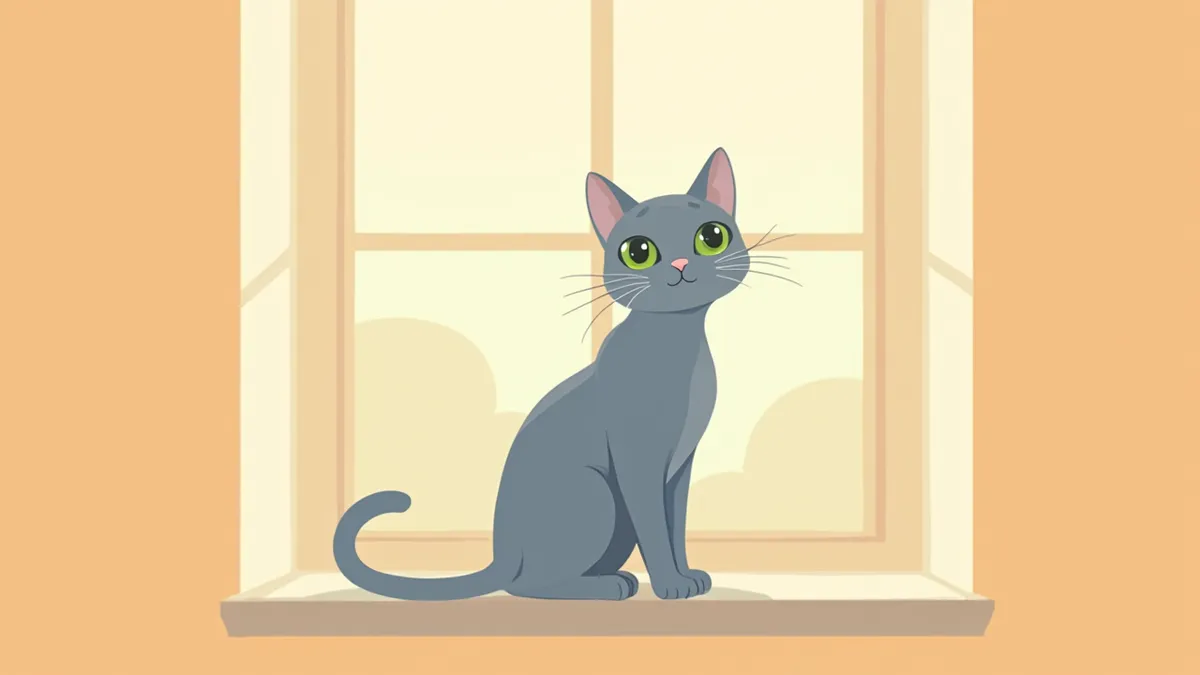
A Russian Blue cat sitting by the window
Russian Blues are prone to both obesity and urinary tract stones, so it’s important to monitor both conditions closely. With their striking silver-blue coats and emerald-green eyes, Russian Blues are undeniably charming. They have a gentle and sensitive temperament, which helps them adapt well to indoor living. However, this same trait can become a vulnerability when it comes to health management. In an indoor environment where physical activity tends to be limited, calorie expenditure decreases, making them more susceptible to obesity. Additionally, cats naturally produce highly concentrated urine, so insufficient water intake can further concentrate their urine, increasing the risk of urinary issues such as stones. By staying informed and proactive, these conditions can be effectively prevented. Here are the key points to keep in mind.

3 Health Issues Russian Blues Are Particularly Prone To

If you’re raising a Russian Blue, it’s a good idea to check for these conditions during regular vet visits.
Obesity: Indoor living can lead to reduced activity levels, which decreases calorie expenditure and makes obesity more likely. Obesity is a risk factor for metabolic diseases such as diabetes and joint problems like osteoarthritis in cats.
Urinary Tract Stones: Insufficient water intake can cause urine to become concentrated, increasing the likelihood of stone formation. The two most common types of stones in cats are struvite and calcium oxalate.
Feline Idiopathic Cystitis (FIC): Among the lower urinary tract symptoms in cats, feline idiopathic cystitis is diagnosed after ruling out other causes such as stones, urinary tract infections, tumors, or anatomical abnormalities. Maintaining a stable environment is also considered important in managing this condition.

Obesity — The Most Common Health Issue in Russian Blues

Russian Blues tend to have a strong appetite and prefer a quiet indoor lifestyle, which means they burn fewer calories and require careful weight management. Obesity rarely stems from a single cause; rather, it typically results from a combination of factors, including excessive calorie intake and insufficient exercise or activity levels. According to veterinary textbooks, obesity is a major risk factor for metabolic disorders, such as type 2 diabetes, and joint diseases, including osteoarthritis, in cats. In particular, increased abdominal fat can easily lead to metabolic and vascular abnormalities, while also placing greater strain on the joints. Rather than relying on a specific number, body condition (Body Condition Score) provides a more accurate assessment of whether a cat’s weight is appropriate. The ideal standard is when the ribs can be felt with slight pressure. If the ribs are difficult to feel, your cat may be overweight, so it is advisable to have a veterinarian evaluate their body condition score.
A Russian Blue cat on the scale

Urinary Tract Stones — Suspect This If Urinary Problems Arise
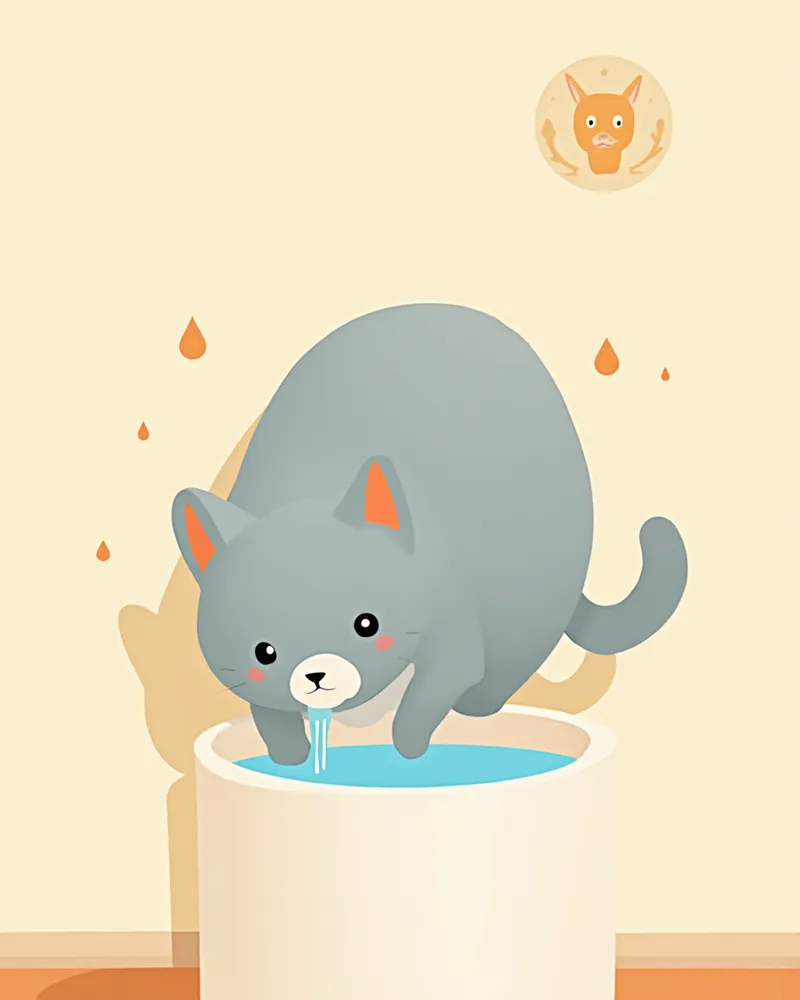
Urinary tract stones form when minerals in the urine clump together and harden into stone-like structures. According to veterinary clinical nutrition textbooks, the two most common types of stones in cats are struvite and calcium oxalate. Struvite stones are closely linked to urinary tract infections; it is known that bacterial infections can alter urine composition, leading to an increase in crystal formation. To prevent calcium oxalate stones, it is important to ensure adequate hydration and proper dietary management so that the urine does not become overly concentrated. Insufficient water intake is the biggest risk factor. Cats that eat only dry food are more prone to concentrated urine compared to those who also consume wet food.
A Russian Blue cat drinking water from an automatic water dispenser

Go to the Vet Immediately If You See These Symptoms

If your cat is visiting the litter box frequently but producing only small amounts of urine, crying out while urinating, or has not urinated at all for more than a day, please take them to a veterinary clinic immediately. Male cats are especially at risk because their narrow urethras can become blocked by stones, leading to urethral obstruction. This condition can rapidly progress to acute kidney injury and severe electrolyte imbalances, making prompt treatment essential. Blood in the urine or urinating outside the litter box are also warning signs.

Dietary Management Is Key

The most important way to prevent obesity and urinary tract stones in Russian Blues is through proper dietary management.
Provide the right calorie intake: Indoor cat food is formulated with lower calories than regular cat food. It’s important to measure the portion size accurately.
Include wet food: Increasing water intake helps dilute urine. You can offer wet food alongside dry food or add a little water to the dry food to actively boost hydration.
Increase water stations: Place water bowls in several areas around the house, or try an automatic water fountain if your cat prefers running water.
Limit treats: Keep treats to no more than 10% of your cat’s daily calorie intake. If you’re interested in learning more about feline urinary health, check out our Ragdoll Urinary Health Guide.

Exercise and Stress Management Are Also Important
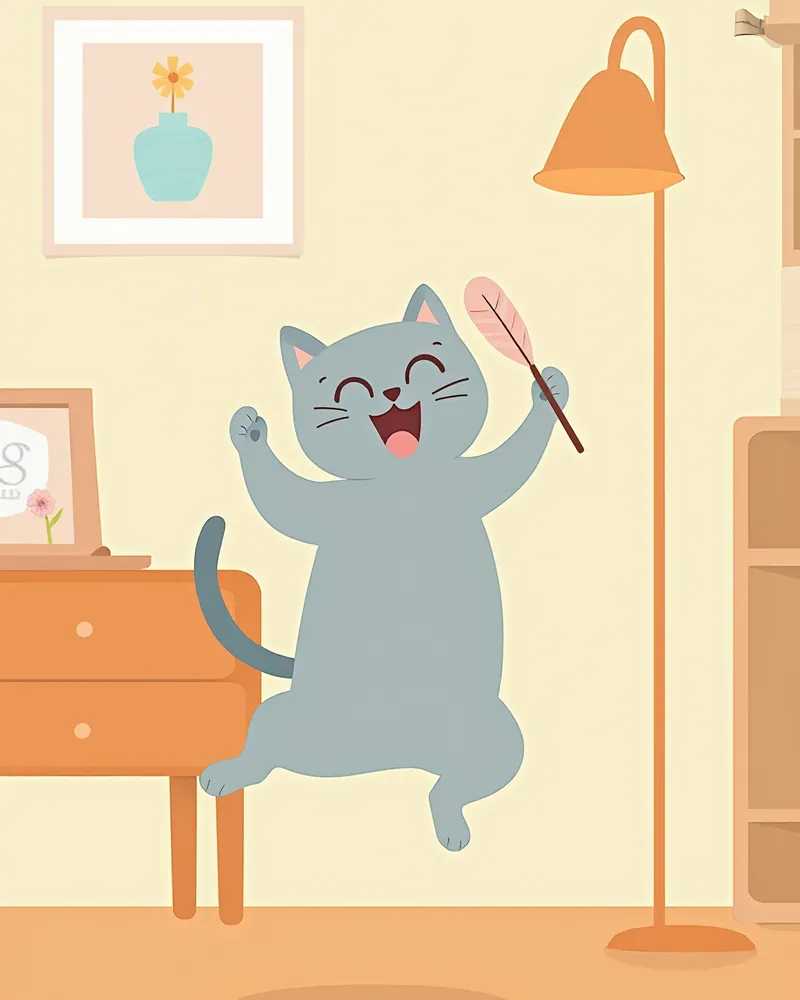
Russian Blues are quiet but show an active side during playtime. Securing regular play sessions every day is key to preventing obesity.
Secure regular playtime: Stimulate their hunting instincts with wand toys or ball toys. It’s important to play with them consistently every day, even if the sessions are short.
Utilize vertical space: Installing cat trees or shelves naturally increases their exercise as they climb up and down.
Minimize environmental stress: Russian Blues are sensitive to changes in their environment. Keep the litter box in a quiet, clean area and avoid sudden rearrangements of furniture. Maintaining a stable environment also helps manage feline idiopathic cystitis, which is diagnosed after ruling out other causes such as bladder stones, urinary tract infections, and tumors.
An energetic Russian Blue cat playing with a toy

Reviewed by a veterinarian

Dr. Tony — Punnawat Phongkittirak

Dr. Tony — Punnawat Phongkittirak

Veterinarian

A veterinarian who majored in veterinary medicine at Khon Kaen University, Thailand, and completed the IVSA program at North Carolina State University in the United States. Drawing on clinical experience at animal hospitals, he works in the pet healthcare field and is dedicated to building a digital care environment that connects pet parents with veterinarians.

Frequently Asked Questions

What is the ideal weight range for a Russian Blue cat?
The ideal weight for a Russian Blue varies depending on each cat’s skeletal size, so it’s difficult to specify an exact number. The most accurate approach is to have your veterinarian assess your cat’s body condition score. A good rule of thumb is that you should be able to gently feel the ribs under a thin layer of fat when you touch them.
Is it okay to feed only dry food?
Feeding only dry kibble can lead to insufficient water intake. To help prevent urinary stones, it’s a good idea to incorporate wet food into their diet. Even if you stick with dry kibble, encourage hydration by placing multiple water bowls around the house or using an automatic water fountain.
Is there a special diet to prevent urinary stones?
Yes, there is a prescription diet specifically formulated to support urinary tract health. It helps prevent stone formation by regulating urine pH and controlling mineral levels. Please ensure this food is only given under veterinary prescription.
My Russian Blue doesn’t drink much water. What can I do to encourage them?
Cats naturally tend to drink less water than other animals. Since they often prefer running water, try using an automatic water fountain. Increasing their intake of wet food or lightly mixing water into their dry kibble can also be effective.

Share

Related Guides

References

[1] Clinical Medicine of the Dog and Cat, 4th Ed — Chapter 13: Nephrology/Urology

[2] Fundamentals of Veterinary Clinical Pathology, 3rd Edition — Urinalysis: Crystalluria and Urolithiasis

[3] Urinalysis in the Dog and Cat — Chapter 6, 8: Crystal Identification and Significance

[4] Notes on Canine Internal Medicine, 4th Ed — Urolithiasis and Lower Urinary Tract Disease

This information is based on veterinary literature and does not replace diagnosis or treatment. Please consult a veterinarian for specific health concerns.

Metapet Co., Ltd. | CEO: Park Sung-yong | Business Reg. No. 417-88-02562 | Seoul, South Korea | Customer Center

Russian Blue Health: Obesity & Urinary Stone Prevention | Meongsiljang