Like
Share
멍실장
진돗개 알레르기 피부 주의점과 연령별 평생 건강관리 가이드

Jindo Dog Allergy Skin Precautions and Lifelong Health Care Guide by Age

Skin & CoatBreed HealthMeongsiljang Veterinary Advisory Board

Jindo dogs are prone to skin allergies due to their double-coat structure. We’ve outlined the main skin issues—such as inhalant and food allergies, and demodectic mange—along with care tips tailored to each life stage.

Jindo Dogs and Skin Allergies — Basics Owners Must Know

A healthy Jindo dog sitting outdoors.
The Jindo is a native Korean breed designated as Natural Monument No. 53 of the Republic of Korea. Although its coat appears short, it actually has a double-layered structure, making the breed prone to seasonal environmental allergies and contact skin irritation. Crucially, skin allergies often first manifest between six months and three years of age. Because these conditions require lifelong management once they develop, early detection of behavioral changes such as scratching or licking by the owner can help prevent symptom exacerbation.

5 Common Skin Allergies in Jindo Dogs

Knowing the types of skin problems commonly seen in Jindo dogs can help with early detection. Some of these are allergic in nature, while others are non-allergic conditions such as parasitic infections or keratinization disorders, so proper differentiation is important.
Environmental allergy (atopy): Triggered by environmental allergens like house dust mites and pollen, leading to recurrent scratching or licking of the armpits, groin, areas around the eyes and mouth, paws, and ears.
Food-related dermatitis (food adverse reaction): Certain protein sources may be the cause, often accompanied by chronic itching and sometimes concurrent otitis externa. The specific offending food can only be identified through an elimination diet trial.
Contact dermatitis: Redness and papules (small, pimple-like bumps) develop after contact with specific detergents, grass, or flooring materials.
Seborrhea/keratinization disorders: A primary disorder of keratinization causing oily skin or severe dandruff and scaling, which needs to be differentiated from allergic conditions.
Demodicosis: A non-allergic condition caused by overgrowth of mites within hair follicles, leading to hair loss, pustules, and secondary pyoderma in young dogs with weakened immunity.

Go to the Vet Immediately If These Symptoms Persist for Over 48 Hours

Seek immediate veterinary care if your pet experiences severe, widespread itching and scratching; simultaneous oozing, pustules, and crusting on the skin; a foul odor from the ears or frequent head shaking; or sudden swelling or hives around the eyes and mouth. Severe allergies can lead to secondary bacterial infections.

Finding the Cause of Allergies — Testing and Food Elimination Trials
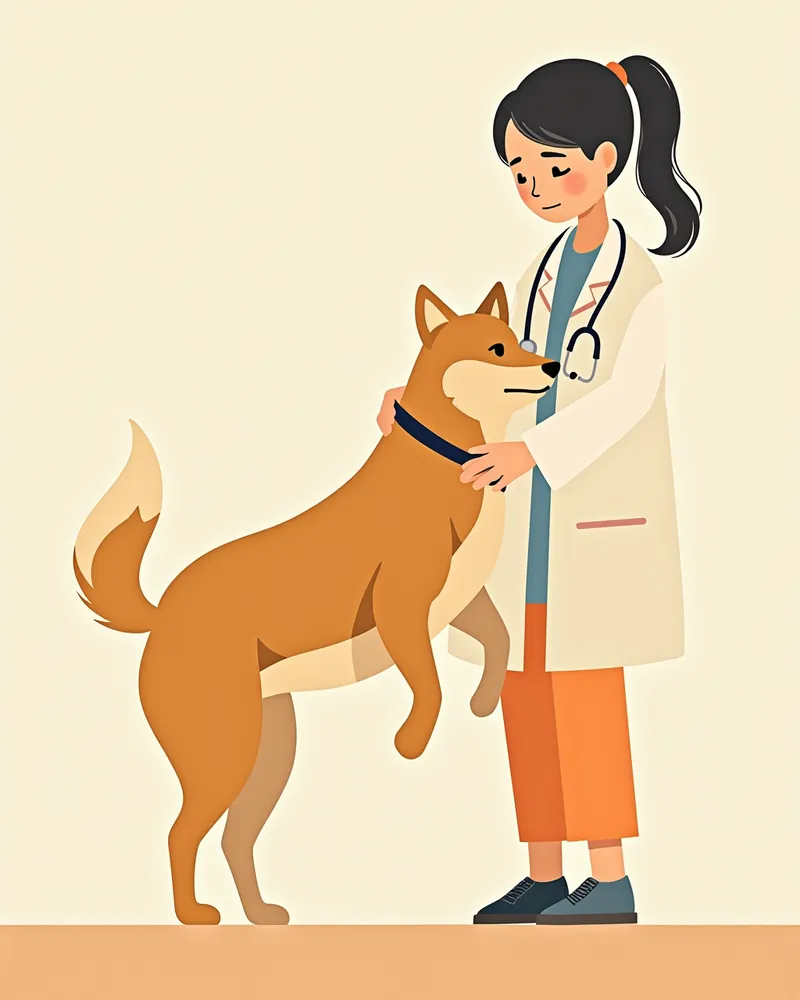
The most critical step in treating skin allergies is identifying the specific trigger (allergen). In the clinic, we confirm hypersensitivity to environmental allergens through intradermal skin testing (IDT) or serum allergen-specific IgE testing (ASIS). However, environmental atopy is diagnosed only after ruling out other causes of itching, such as external parasites, infections, and food adverse reactions. If a food adverse reaction is suspected, you and your veterinarian will conduct a dietary elimination trial using a single-protein-source diet for an adequate period—typically several weeks or longer, as determined by your vet. During this trial, it is essential to discontinue all treats and supplements with unclear ingredients to ensure accurate results.
A veterinarian examining the skin of a Jindo dog

Lifelong Health Care Roadmap by Age

0–6 months (puppies): Their immune systems are not yet fully developed, so skin issues can spread quickly. Pay close attention to their skin, as demodicosis (mange) commonly appears in young dogs around 6–9 months of age. Ensure they receive all vaccinations and parasite preventatives without missing any doses.
6 months–3 years (young adulthood): This is when environmental allergies often first appear. Keep a record of how often and where your dog scratches to help guide consultations with your veterinarian.
4–7 years (mature adults): Allergies may become chronic during this stage, potentially leading to lichenification (thickening of the skin) and hyperpigmentation. Monitor their condition through regular skin check-ups, and treat any secondary infections promptly.
8 years and older (seniors): The risk of secondary bacterial and yeast infections increases, so combine regular blood tests with skin examinations for comprehensive care.
Three Jindo dogs at different life stages: puppy, adult, and senior

Jindo Dog Skin Care You Can Do at Home

Jindo dogs have a double coat, so they shed heavily during the transitional seasons of spring and autumn. During these periods, increase the frequency of brushing to remove dead hair and skin scales. Bathing once or twice a month is appropriate, and you should use a low-irritation shampoo specifically formulated for dogs. Human shampoos or strong cleansers can damage the skin barrier and worsen itching. Dogs with atopic dermatitis already have a weakened skin barrier, so extra care is needed. After bathing, ensure the dog is completely dried to prevent eczema and bacterial proliferation. It is best to consult with a veterinarian to determine whether nutritional supplements for skin health are necessary.

Jindo Dog Skin Care: Key Points to Remember

Jindo dogs are prone to stress during baths and brushing due to their independent nature, so gradual socialization from puppyhood is essential. Those living outdoors are frequently exposed to environmental allergens such as grass, dirt, and insects. Wiping their paw pads and belly with water after outdoor activities is an effective habit for preventing skin issues.

Veterinary Diagnosis and Treatment Methods

Diagnosing skin allergies typically involves a combination of tests, such as skin cytology, culture tests, and allergen serum testing. Treatment plans vary depending on the underlying cause and severity of the condition. Antihistamines and steroids are often used to manage itching during acute flare-ups, but long-term use can lead to side effects. For long-term management, allergen-specific immunotherapy (allergy shots) and cyclosporine-based medications, which help regulate the immune response, are commonly prescribed. If secondary infections are present, antibiotic or antifungal treatments are administered alongside allergy management. Your veterinarian will determine the appropriate dosage and treatment schedule based on your pet’s weight.
A guardian carefully examining the paw pads of a Jindo dog

Reviewed by a veterinarian

Dr. Tony — Punnawat Phongkittirak

Dr. Tony — Punnawat Phongkittirak

Veterinarian

A veterinarian who majored in veterinary medicine at Khon Kaen University, Thailand, and completed the IVSA program at North Carolina State University in the United States. Drawing on clinical experience at animal hospitals, he works in the pet healthcare field and is dedicated to building a digital care environment that connects pet parents with veterinarians.

Frequently Asked Questions

Can skin allergies in Jindo dogs be completely cured?
Rather than aiming for a complete cure, it’s more realistic to approach the condition as something to manage. Avoiding allergens or consistently undergoing immunotherapy can significantly reduce symptoms. In particular, food-related adverse reactions often improve markedly once the offending food is identified and eliminated.
I suspect my pet has a food allergy. How can I confirm it?
The most accurate approach is to conduct a dietary restriction test with a single-protein diet under the guidance of a veterinarian for an adequate period, typically several weeks or longer as determined by your vet. During this time, you must completely eliminate all treats and supplements to ensure accurate results.
My pet sheds heavily during seasonal changes. Does this affect their skin as well?
Yes, Jindo dogs have a double coat, which can lead to increased skin irritation during the spring and autumn shedding seasons. Increase brushing frequency to remove dead hair, and take extra care to monitor your dog’s skin condition during these periods.
My puppy was diagnosed with demodex mites. What should I do?
Localized demodicosis in young dogs may resolve on its own as their immune system matures. However, if the condition spreads systemically or worsens rapidly, veterinary-prescribed treatment is essential. Left untreated, it can lead to secondary bacterial infections.
My Jindo keeps licking its paws. Could it be allergies?
Repeatedly licking or chewing at the paws is a common sign of environmental or food allergies. If the pads have turned red or brown, it’s a good idea to have your veterinarian perform a skin examination.

Share

Related Guides

References

[1] Schaer, M. (Ed.), Clinical Medicine of the Dog and Cat, 4th Ed., CRC Press, 2022, Chapter 18: Dermatology — Epidermal Dysplasia, Demodicosis

[2] Miller, W.H., Griffin, C.E., Campbell, K.L., Muller and Kirk's Small Animal Dermatology, 7th Ed., Elsevier, 2013

[3] Harvey, R.G., Adversarial Food Reactions in Dogs: Diagnosis and Management, Veterinary Dermatology, 2009

This information is based on veterinary literature and does not replace diagnosis or treatment. Please consult a veterinarian for specific health concerns.

Metapet Co., Ltd. | CEO: Park Sung-yong | Business Reg. No. 417-88-02562 | Seoul, South Korea | Customer Center

Jindo Dog Allergies: Symptoms, Causes & Age-Based Skin Care | Meongsiljang