Like
Share
멍실장
시베리안허스키 아연반응성 피부병 주의점과 연령별 평생 건강관리 가이드

Key Points on Zinc-Responsive Dermatosis in Siberian Huskies and a Lifelong Age-Specific Health Care Guide

Skin & CoatBreed HealthMeongsiljang Veterinary Advisory Board

Siberian Huskies have a genetic predisposition to impaired zinc absorption, making lifelong skin care essential for this breed. We’ve outlined the causes, symptoms, and treatments of zinc-responsive dermatosis, along with age-specific health checklists.

Siberian Huskies and Zinc-Responsive Dermatosis
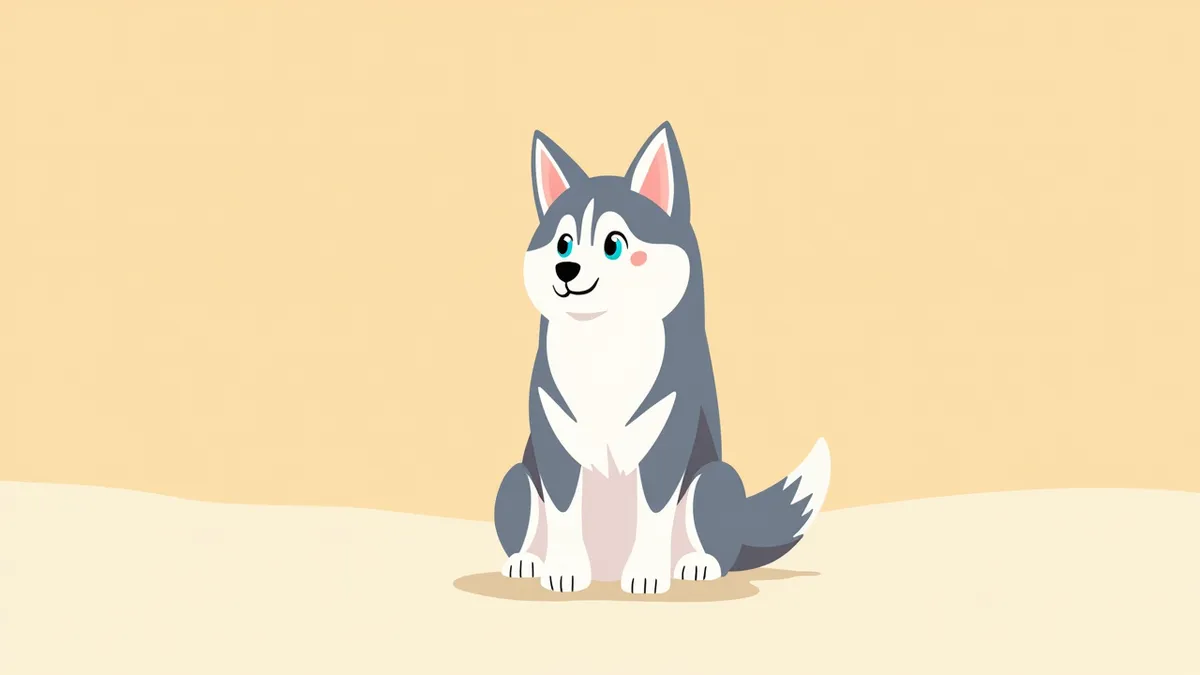
A Comprehensive Health Guide for Siberian Huskies
Zinc-responsive dermatosis in Siberian Huskies is a genetic skin condition caused by an inherited deficiency in intestinal zinc absorption. Even when their diet contains adequate zinc, these dogs can still develop skin symptoms due to poor absorption. Early detection is key. If you notice crusting or scaling around the nose, eyes, or ear tips, don’t dismiss it as simple dryness—consult your veterinarian. Most cases improve significantly with zinc supplementation, but if left untreated, secondary bacterial or yeast infections can worsen the condition.

Key Health Precautions Husky Owners Should Know

Zinc-responsive dermatosis: Siberian Huskies are a northern breed prone to zinc-responsive dermatosis (Syndrome I), which is characterized by thick scaling and crusting around the nose, eyes, and ears.
Eye health: Ophthalmic conditions are easier to manage when detected early, so it is recommended to have your dog’s eyes checked during at least one annual wellness exam.
Joint health: Large-breed dogs may experience joint stress during activity. Monitor their weight and gait, and consult your veterinarian if you notice limping or difficulty standing up.
Hypothyroidism: If symptoms such as hair loss, weight gain, or lethargy appear, confirm the diagnosis with a blood test.
Systemic and ocular monitoring: Severe zinc deficiency can lead to decreased appetite and weight loss, along with ocular signs such as conjunctivitis and keratitis, making regular monitoring essential.

Why Are Huskies Prone to Zinc-Responsive Dermatosis?

Huskies have a genetically reduced ability to absorb zinc in the small intestine. Even if their regular diet contains adequate zinc, they often fail to absorb enough, leading to impaired keratinization of skin cells. This results in incomplete keratinization, characterized by the buildup of thick crusts and scales. The condition typically manifests prominently in areas such as the nose, around the eyes, ears, and paw pads. When the skin barrier is compromised, secondary bacterial and yeast infections can easily develop, creating a vicious cycle of worsening itching.
Example of skin condition around the nose and eyes in Huskies

Symptom Checklist for Zinc-Responsive Dermatosis

Crusting and scaling around the nose: Thick gray or brown crusts accumulate on the bridge of the nose and surrounding areas.
Hair loss and redness around the eyes: The skin at the edges of the eyes becomes red and begins to lose hair.
Scaling at the tips of the ears: The edges of the ears become dry and uneven.
Hyperkeratosis of the paw pads: The paw pads become hard and cracked.
Signs of secondary infection: If pus, foul odor, or discharge is present, it indicates a bacterial or yeast infection.
If three or more of these symptoms are present, please consult a veterinarian for diagnosis.

When to Visit the Vet Immediately

If scabs or flaky skin spread rapidly, or if you notice pus, a foul odor, discharge, or bleeding from excessive scratching, a secondary infection is likely underway. Zinc-responsive dermatosis can mimic other skin conditions, so supplementing with zinc without a proper diagnosis may lead to zinc toxicity. Always consult your veterinarian for an accurate diagnosis first.

Diagnosis and Treatment — How to Confirm and Treat
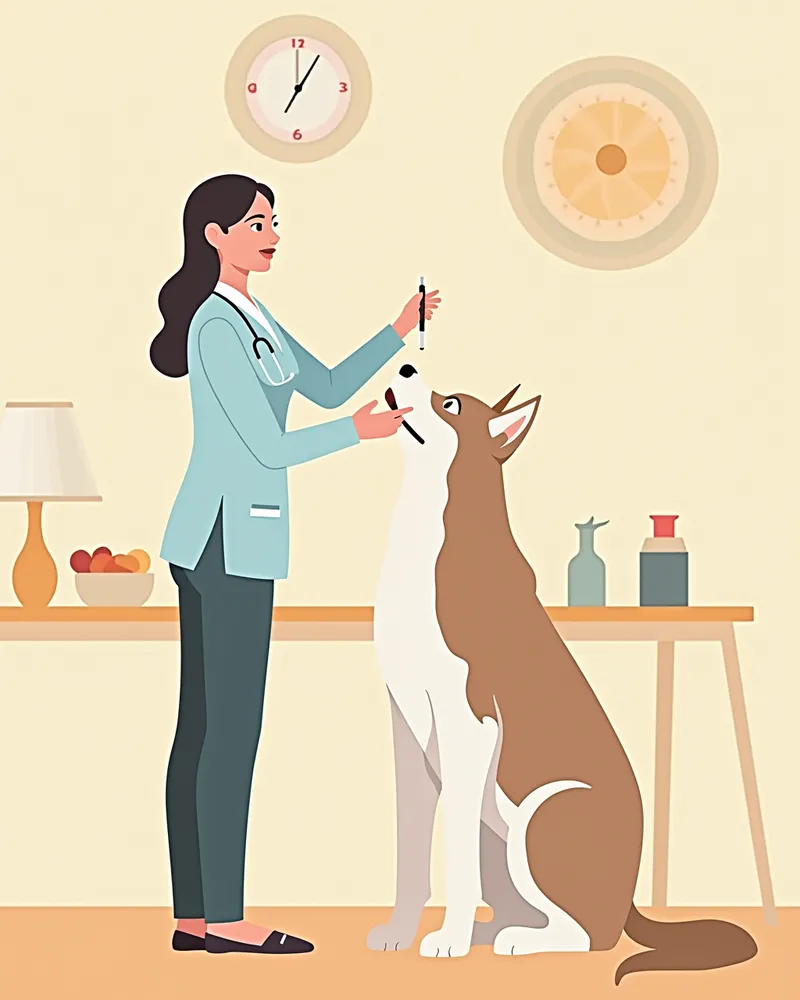
Diagnosis is confirmed by integrating the patient’s history, breed, clinical signs, and skin biopsy results. It is essential to first rule out other conditions with similar symptoms, such as dermatophytosis (ringworm), sarcoptic mange, and demodicosis, and in severe cases, superficial necrolytic dermatitis and exfoliative pemphigus. A biopsy showing epidermal thickening and incomplete keratinization with retained nuclei (parakeratosis) is highly supportive of the diagnosis. Treatment centers on oral zinc supplementation using zinc sulfate, zinc gluconate, or zinc methionine, with no significant difference in efficacy among these three forms. The veterinarian determines the appropriate dosage and duration based on the pet’s weight, and concurrent supplementation with essential fatty acids (EFAs) may enhance the therapeutic response. However, in Huskies, which commonly present with Syndrome I, it may take up to six months of consistent supplementation to see steady improvement, so it is crucial not to discontinue treatment prematurely.
A veterinarian examining a Husky's skin condition.

Age-Specific Health Care Checklist

Puppy stage (0–1 year): Choose large-breed or northern-breed-specific food with a stated zinc content, and visually check your dog’s skin once a week. Young adult stage (1–4 years): This is when zinc-responsive dermatosis often first appears. Regularly monitor the areas around the nose and eyes, and schedule an annual skin and eye exam. Middle-aged stage (4–8 years): It’s a good idea to add tests for hypothyroidism and hip dysplasia. Senior stage (8 years and older): A weakened immune system can lead to more frequent secondary skin infections. We recommend a comprehensive health checkup every six months.

Skin Care Tips You Can Do at Home

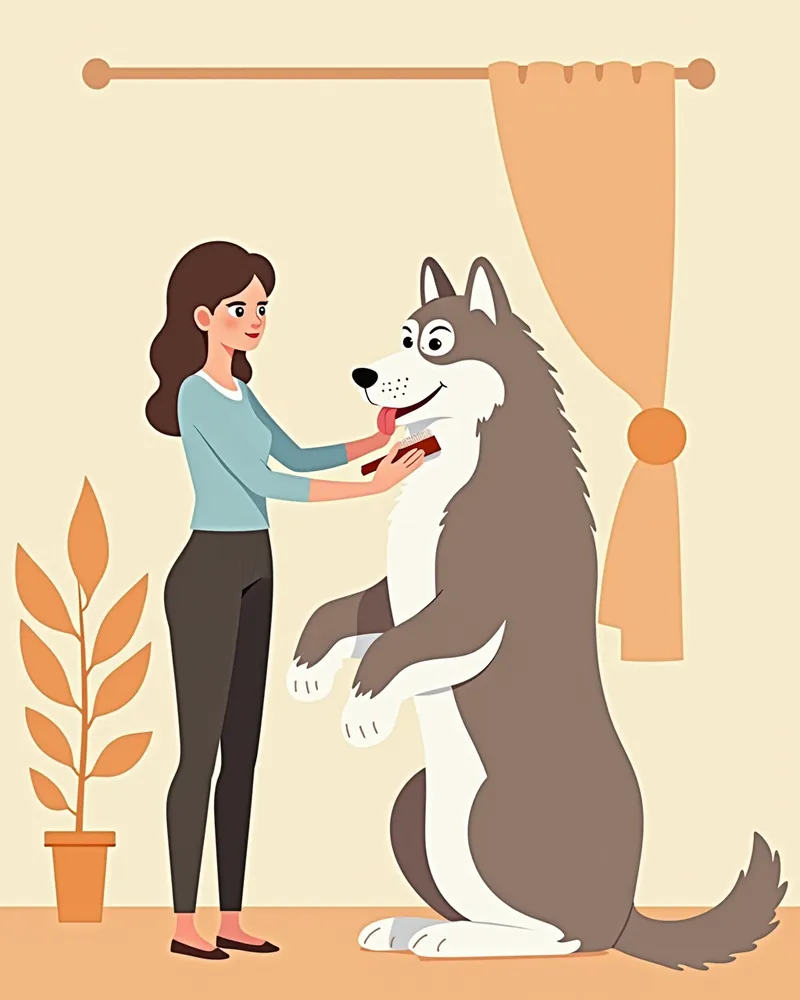
Huskies’ double coat is prone to yeast infections if airflow is poor. Brush them once or twice a week to remove dead hair, and thoroughly dry their coat with a blow dryer after bathing. Choose dog food that clearly states its zinc content, and avoid soy- or bean-based formulas high in phytates, which can interfere with zinc absorption. If your dog’s paw pads are cracked, apply a veterinarian-prescribed moisturizer. Regularly photographing your dog’s skin can help you spot changes quickly.
Brushing and skin care for Huskies at home

What You Need to Know About Zinc Supplements

Zinc supplements can cause zinc toxicity—such as vomiting, diarrhea, and hemolytic anemia—if used without a veterinarian’s prescription. It’s safest to avoid giving your dog human zinc products, as their dosage and formulation differ from those intended for animals.

Reviewed by a veterinarian

Dr. Tony — Punnawat Phongkittirak

Dr. Tony — Punnawat Phongkittirak

Veterinarian

A veterinarian who majored in veterinary medicine at Khon Kaen University, Thailand, and completed the IVSA program at North Carolina State University in the United States. Drawing on clinical experience at animal hospitals, he works in the pet healthcare field and is dedicated to building a digital care environment that connects pet parents with veterinarians.

Frequently Asked Questions

Can zinc-responsive dermatitis be cured?
It’s best to think of this condition as something to manage rather than cure. With consistent zinc supplementation, symptoms can nearly disappear, but they often return once supplementation is stopped. Some dogs may require lifelong zinc supplementation.
How do I choose the right food for my Husky?
It’s best to choose a pet food that clearly states its zinc content. Research shows little difference in efficacy among common zinc supplements like zinc sulfate, zinc gluconate, and zinc methionine, though zinc methionine may be better absorbed when factors that hinder absorption are present. Avoid products high in soy or beans, as their phytate content can interfere with zinc absorption. To ensure your current food is appropriate, consult your veterinarian for guidance.
Is zinc-responsive dermatitis contagious to other pets?
It is not contagious. Since the cause is a genetic abnormality in zinc absorption, there is no risk of transmission even if your pet comes into contact with other animals.
Should I give zinc supplements to my puppy as a preventive measure?
During the asymptomatic growth phase, large-breed and northern-breed specific diets are often sufficient. As a rule, supplements should only be used after symptoms appear and a veterinarian has made a diagnosis. Self-prescribing supplements can lead to zinc excess during growth.

Share

Related Guides

References

[1] Morris DO, Loeffler A. Canine pyoderma and bacterial skin disease. In: BSAVA Manual of Canine and Feline Dermatology, 4th Ed. British Small Animal Veterinary Association, 2023.

[2] Miller WH Jr, Griffin CE, Campbell KL. Nutritional skin diseases. In: Muller and Kirk's Small Animal Dermatology, 7th Ed. Elsevier Saunders, 2013.

[3] Colombini S, Dunstan RW. Zinc-responsive dermatosis in northern-breed dogs: 17 cases (1990–1996). J Am Vet Med Assoc. 1997;211(4):451–453.

[4] Little M. Skin disease. In: The Dog Care Handbook — Things I Wish My Vet Had Told Me. 5M Publishing, 2024.

This information is based on veterinary literature and does not replace diagnosis or treatment. Please consult a veterinarian for specific health concerns.

Metapet Co., Ltd. | CEO: Park Sung-yong | Business Reg. No. 417-88-02562 | Seoul, South Korea | Customer Center

Husky Zinc-Responsive Dermatosis: Symptoms, Treatment & Care | Meongsiljang