

Norwegian Forest Cat HCM Screening — When and How to Get It
Norwegian Forest Cats are a breed at high risk for hypertrophic cardiomyopathy (HCM). We’ve outlined age-specific screening schedules and early warning signs to help with early detection.
Norwegian Forest Cats and HCM: Why Is Screening Important?

Why Norwegian Forest Cats Are Vulnerable to HCM
Early Warning Signs You Must Know

These Symptoms Require an Immediate Emergency Visit
If your cat’s hind legs suddenly go weak and feel cold, it could be a sign of arterial thromboembolism (ATE). If the paw pads and areas around the claws turn bluish and your cat cries out in pain, time is critical. Additionally, open-mouth panting or labored breathing with pink-tinged froth indicates a high risk of pulmonary edema, which is a medical emergency. Unlike dogs, cats rarely cough, so even without coughing, any rapid or difficult breathing should be treated as a serious warning sign. Seek immediate care at a 24-hour emergency animal hospital, even in the middle of the night.
Recommended Screening Schedule at a Glance
Age-Specific HCM Screening Intervals
| Item | Recommended test | Interval |
|---|---|---|
| 6–12 months | Auscultation + basic physical exam | At the same time as vaccination |
| Age 1 | Echocardiography + NT-proBNP blood test | Once (baseline) |
| Age 2–6 | Echocardiography + auscultation | Every 12–24 months |
| Age 7+ | Echocardiography + blood pressure + NT-proBNP | Every 12 months |
| Family history or symptoms present | Echocardiography + Holter monitoring | Every 6 months |
The schedule may be adjusted depending on the clinic and the cat's constitution. Decide in consultation with your attending veterinarian.
Detailed Overview of Screening Items
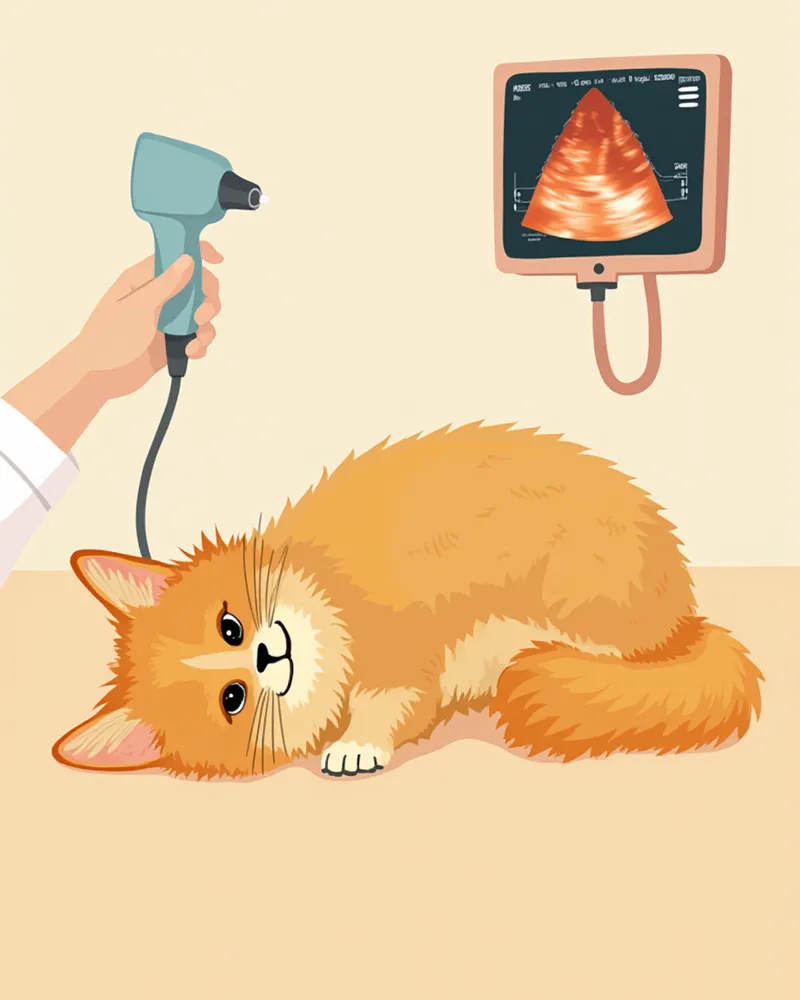
Screening Costs and Preparation
Management Tips for Norwegian Forest Cat Owners
While complete prevention is difficult due to the genetic nature of the disease, early detection allows us to slow its progression with medication and maintain your pet’s quality of life for longer. Please check their resting respiratory rate (SRR) once a week to ensure it stays below 30 breaths per minute. If you notice sudden weight changes, decreased appetite, or unexpected lethargy, do not wait for the next scheduled check-up; please visit the clinic immediately.
Reviewed by a veterinarian

Dr. Tony — Punnawat Phongkittirak
VeterinarianA veterinarian who majored in veterinary medicine at Khon Kaen University, Thailand, and completed the IVSA program at North Carolina State University in the United States. Drawing on clinical experience at animal hospitals, he works in the pet healthcare field and is dedicated to building a digital care environment that connects pet parents with veterinarians.
Reviewed 2026-04-30
Frequently Asked Questions
At what age should Norwegian Forest Cats begin undergoing HCM screening?
Is a genetic test alone not enough?
Even if there are no symptoms, is an annual check-up still necessary?
Is there any monitoring I can do at home?
How long can a cat live after being diagnosed with HCM?
Share
Related Guides

Coenzyme Q10 Benefits and Administration Guide

Dog Pulmonary Edema Warning — 7 Best Diuretics (Furosemide) for Heart Management

7 Best Prescription Diets for Feline Heart Disease Recommended by Veterinarians — Criteria for Choosing Low-Sodium Food

Boxer Mast Cell Tumor Lifelong Management Guide — Key Points for Early Detection of Skin Lumps

Maine Coon Hypertrophic Cardiomyopathy (HCM) — Genetic Testing and Lifelong Heart Care Guide

Pekingese Brachycephalic Respiratory Care: From Key Precautions to Lifelong Age-Specific Health Management

French Bulldog Brachycephalic Respiratory Precautions and Age-Specific Lifelong Health Management Guide

Yorkshire Terrier PSS (Portosystemic Shunt) — Symptoms, Diagnosis, and Lifelong Management Guide

Papillon Patellar Luxation — Symptoms, Grades, and Lifelong Age-Specific Care

Dachshund Intervertebral Disc Disease (IVDD) Complete Guide — From Symptoms to Lifelong Age-Specific Management
References
[1] Textbook of Cardiovascular Medicine in Dogs and Cats - Hypertrophic Cardiomyopathy chapter
[2] The Cat, Clinical Medicine and Management, 2nd Edition - MYBPC3 mutation studies
[3] Meurs et al., A cardiac myosin binding protein C mutation in the Maine Coon cat with familial hypertrophic cardiomyopathy, 2005
[4] ACVIM Consensus Statement Guidelines for the Classification, Diagnosis, and Management of Cardiomyopathies in Cats, 2020