Like
Share
멍실장
러시안블루 유전질환 체크리스트

Russian Blue Genetic Conditions — 7-Item Checklist for Urinary Stones and Diabetes

ImmunityBreed HealthMeongsiljang Veterinary Advisory Board

Russian Blues are a short-haired breed that requires careful attention to urinary tract stones, obesity, and hypertrophic cardiomyopathy. We’ve outlined key health care tips tailored to this breed’s characteristics, along with early warning signs to watch for.

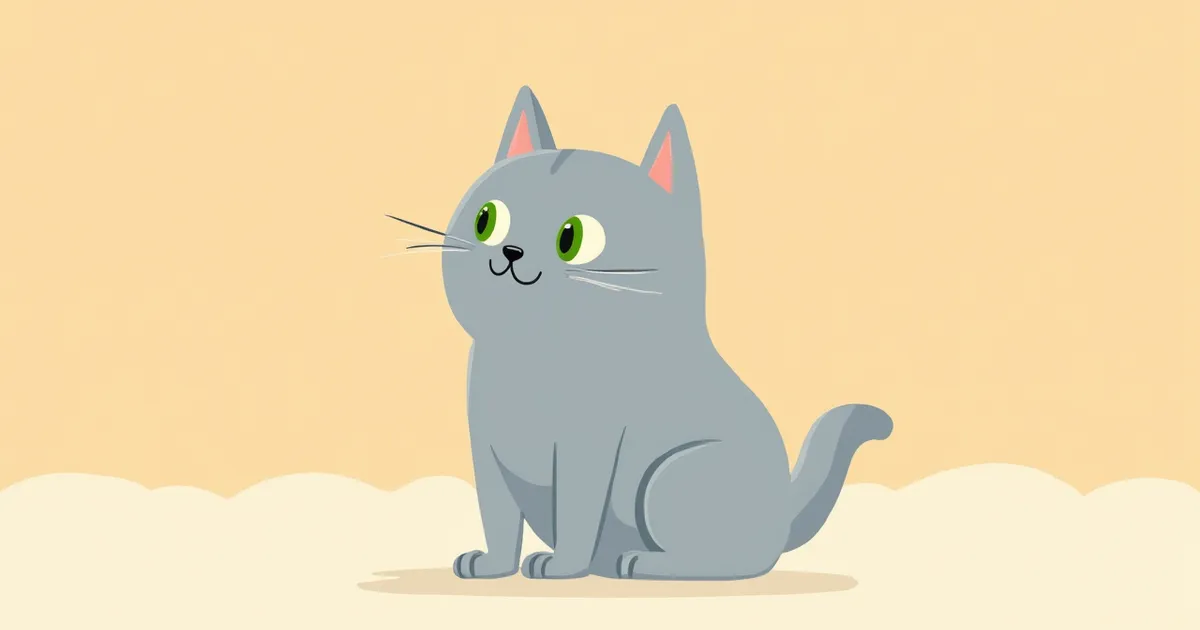
What Kind of Breed Is the Russian Blue?
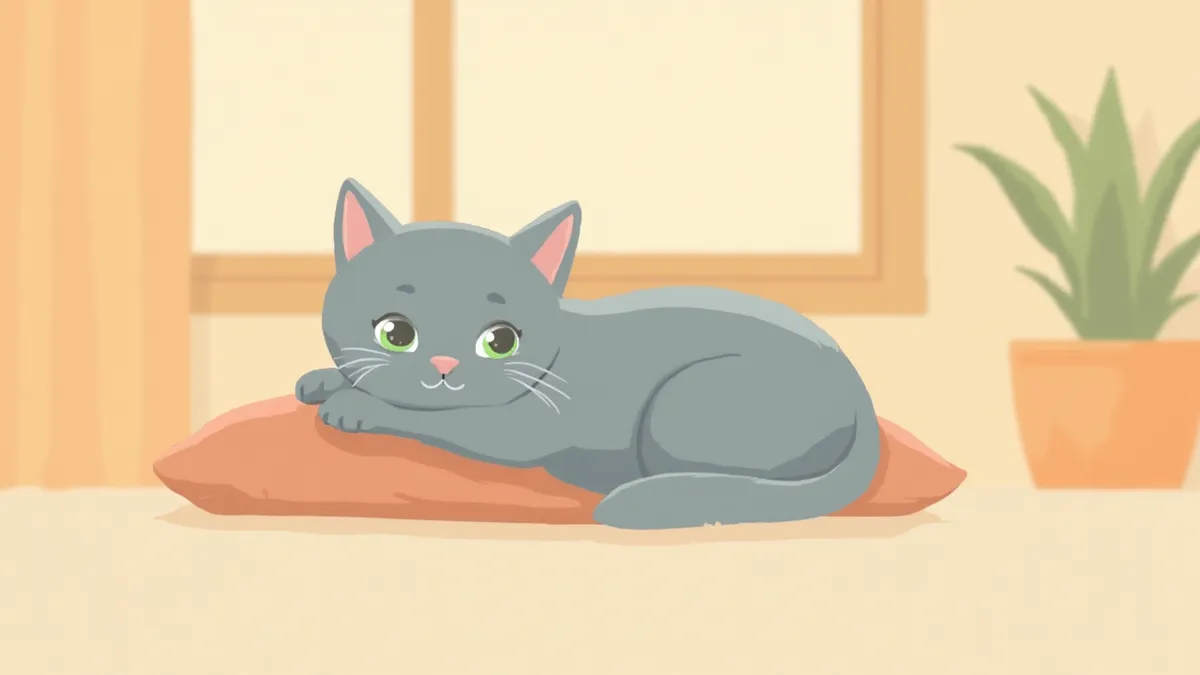
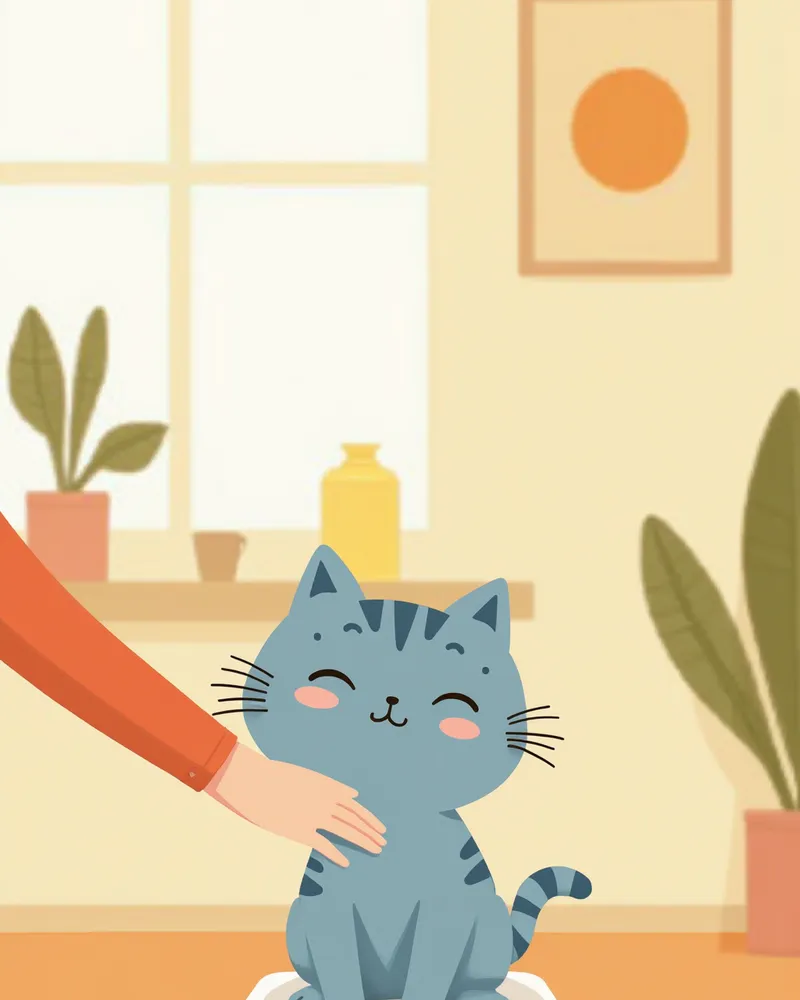
A Russian Blue resting on a cushion under the soft light by the window
The Russian Blue is a calm, medium-sized short-haired breed. It’s wise to monitor for lower urinary tract disease and obesity, which are common in cats, as well as hypertrophic cardiomyopathy—the most prevalent acquired heart condition in felines—regardless of breed. Early detection and consistent weight management are truly key. While Russian Blues tend to have strong appetites, their activity levels are generally low, making them prone to obesity, which can then create a vicious cycle of increased joint and metabolic strain. The most practical preventive measures are regular veterinary check-ups at least once or twice a year, along with daily monitoring of weight and food and water intake.

Top 3 Health Concerns for Russian Blues

Owners of Russian Blues often have questions about three main health concerns.
Lower urinary tract disease and urinary stones: Lower urinary tract disease is very common in cats, with calcium oxalate and struvite being the most typical types of stones. Male cats are at higher risk for blockages caused by stones due to their narrower urethras.
Obesity: Russian Blues tend to gain weight quickly after neutering or spaying, especially if they have a strong appetite and low activity levels.
Hypertrophic cardiomyopathy (HCM): As the most common acquired heart disease in cats, HCM requires regular monitoring in Russian Blues as well.
Since the management principles for water intake, weight, and check-ups overlap significantly across these conditions, an integrated approach to care is most beneficial.

Daily Home Checklist

These are signs you can check at home every day.
Urination frequency: Know your pet’s normal pattern; a sudden increase in trips to the litter box or bathroom (pollakiuria) or difficulty urinating for long periods is a warning sign.
Urine color: If you see pink, red, or dark brown urine indicating blood (hematuria), seek veterinary care immediately.
Water intake: Monitor for any changes where your pet drinks significantly more or less water than usual.
Body weight: Weigh your pet once a week at the same time; if you cannot feel the ribs, suspect obesity.
Respiratory rate: It’s helpful to record the resting respiratory rate (breaths per minute) when your pet is sleeping or relaxed; open-mouth breathing or labored breathing signals potential heart or respiratory issues.
Activity level: If your pet sleeps more than usual or avoids jumping, it may be necessary to check for joint or heart problems.
A guardian weighing a Russian Blue cat to check its health.

Seek Veterinary Care Immediately for These Signs

If you notice any of the following signs, seek veterinary care immediately: • Repeatedly entering and exiting the litter box without urinating (especially in males) • Assuming a urination posture while vocalizing • Blood in the urine • Rapid breathing or open-mouth breathing • Sudden dragging or coldness in the hind legs In particular, urethral obstruction in male cats is a life-threatening emergency that can lead to bradycardia, circulatory collapse, hyperkalemia, and severe elevations in kidney values. Even at night, you should go to a 24-hour emergency veterinary clinic right away.

Comparison of Major Russian Blue Health Conditions

ItemUrolithiasisObesity-relatedHypertrophic cardiomyopathy
Main age of onset1–10 yearsJust after neutering to 5 years3–7 years
Early symptomsFrequent urination, hematuriaWeight gain, decreased activityRapid breathing, refusal to exercise
Diagnostic methodUrinalysis, ultrasoundWeight/BCS measurementCardiac ultrasound
Recommended screening intervalUrinalysis 1–2 times/yearWeight monthlyCardiac ultrasound once a year
Prevention/managementIncrease water intakePortion feeding, playEarly detection is key

These are general guidelines based on veterinary internal medicine textbooks. Individual diagnosis requires consultation with a veterinarian.

Lifestyle Habits to Prevent Urinary Stones
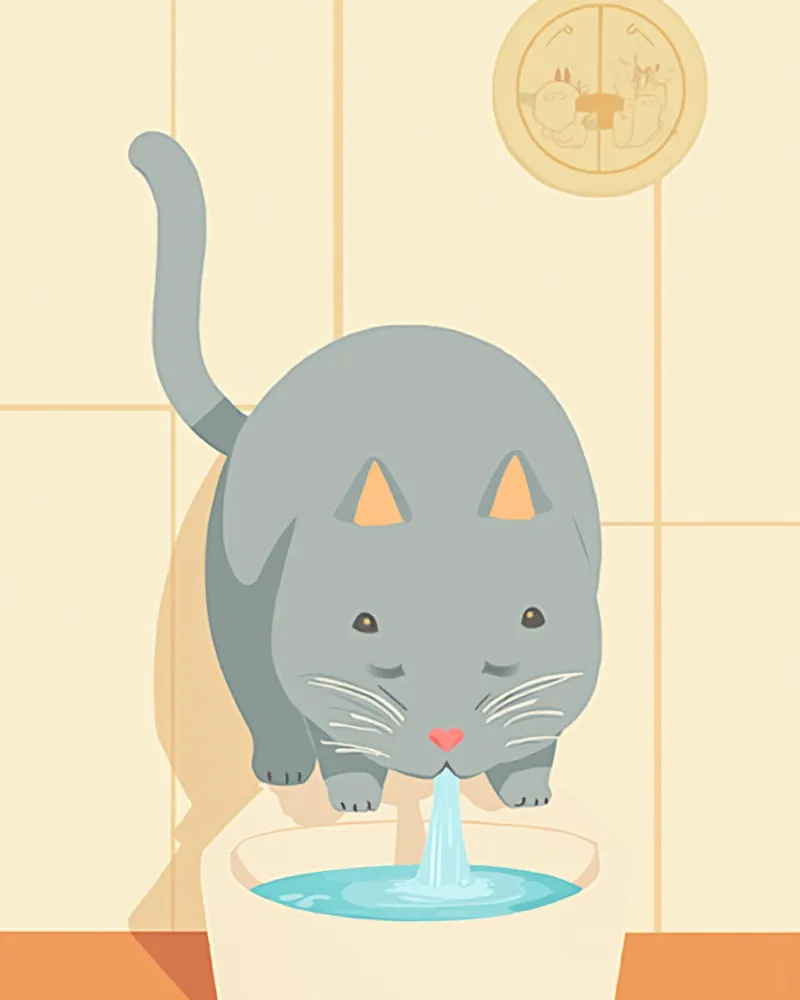
Although Russian Blues have short coats, cats naturally tend to drink little water, so monitoring their water intake is the most important step.
Provide two or more water bowls: Place them away from food bowls and far from the litter box.
Use water fountains or filters: Many cats prefer running water.
Incorporate wet food: Moisture-rich foods like canned food help lower urine specific gravity (USG), aiding in the prevention of urinary stones.
Keep the litter box clean: Clean it frequently so your cat doesn’t hold in urine due to a dirty environment.
Reduce stress: Environmental changes and conflicts with other cats can worsen feline idiopathic cystitis (FIC).
A Russian Blue cat drinking water from a water dispenser

Management to Prevent Obesity and Heart Disease

Russian Blues tend to gain weight more easily after neutering, as their activity levels often drop while their food intake remains the same. Therefore, managing their portion sizes is crucial.
Portion-controlled feeding: Instead of free-feeding, adjust the recommended amount based on your cat’s body condition.
15 minutes of evening play: Use wand toys to stimulate their hunting instincts.
Cat trees and jumping routes: Encourage vertical movement to increase overall activity.
Maintain a Body Condition Score (BCS) of 4–5/9: You should be able to lightly feel the ribs under the skin with your fingertips.
Since obesity increases the risk of various chronic diseases, consistent weight management is fundamental to overall health. For cats with weak hearts, it helps to minimize stress and monitor changes by recording their resting respiratory rate at home.

Recommended Regular Check-up Schedule

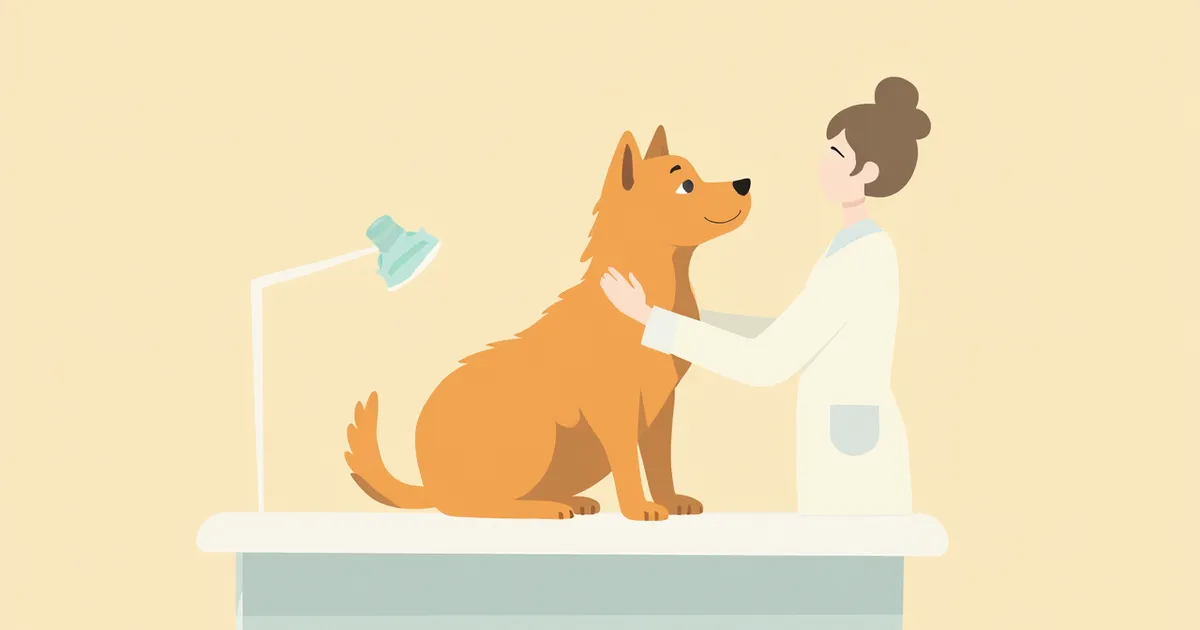
Even though Russian Blues may appear healthy on the outside, heart disease and urinary stones often show little to no symptoms in the early stages. It’s important to follow a regular check-up schedule: • Under 1 year: Basic health check-up and vaccinations every 6 months • 1–6 years: Annual comprehensive check-up (blood test, urinalysis, heart auscultation) • 7 years and older: Biannual check-ups, including heart ultrasound and kidney function tests If either parent cat has a history of hypertrophic cardiomyopathy, it’s recommended to have the first heart ultrasound around 1 year of age to establish baseline values.

Reviewed by a veterinarian

Dr. Tony — Punnawat Phongkittirak

Dr. Tony — Punnawat Phongkittirak

Veterinarian

A veterinarian who majored in veterinary medicine at Khon Kaen University, Thailand, and completed the IVSA program at North Carolina State University in the United States. Drawing on clinical experience at animal hospitals, he works in the pet healthcare field and is dedicated to building a digital care environment that connects pet parents with veterinarians.

Frequently Asked Questions

Do Russian Blues really cause fewer allergies?
Although some reports suggest that certain breeds produce lower levels of the Fel d 1 protein compared to others, no breed is medically recognized as truly "hypoallergenic." Because allergic reactions vary significantly from person to person, we recommend spending time in direct contact with the cat before adopting to assess your individual response.
Are male Russian Blues more prone to urinary tract stones?
Male cats have a longer and narrower urethra, which significantly increases their risk of urinary blockage caused by stones. Even with the same amount of crystals, females may pass them naturally, but males are more likely to experience blockages, often leading to emergency situations.
Can hypertrophic cardiomyopathy be detected in advance through genetic testing?
While genetic testing for hypertrophic cardiomyopathy is being researched and utilized in some breeds, there is no standardized, breed-specific test for Russian Blues yet. Instead, the most reliable approach is to regularly evaluate your cat with an echocardiogram (cardiac ultrasound) and establish baseline measurements around the age of one.
How should I choose the right pet food?
To help prevent urinary stones, look for a diet that includes wet food with high moisture content and maintains a moderate protein level (roughly 28–35%), avoiding excessively high protein. Moist-rich foods, such as canned diets, help dilute the urine, which is beneficial for stone prevention. If your cat is prone to obesity, consider an indoor-specific formula with lower calorie density. Since the ideal diet varies depending on the type of stone, we recommend consulting your veterinarian for a precise recommendation.
My pet doesn’t like exercising—how can I encourage them to do it?
Russian Blues have a calm temperament, so hunting-style play is more effective than forced exercise. Stimulating them with a wand toy for short, intense sessions of 5 to 10 minutes, twice a day, can naturally increase their activity level.

Share

Related Guides

References

[1] Susan E. Little, The Cat: Clinical Medicine and Management, 2nd Edition, Elsevier, 2022

[2] Schaer M., Gaschen F., Clinical Medicine of the Dog and Cat, 4th Edition, CRC Press, 2017

[3] Landsberg G. et al., Introduction to Animal Behavior and Veterinary Behavioral Medicine, Wiley-Blackwell

[4] Kopecny L, Palm CA, Segev G, et al. Urolithiasis in cats: evaluation of trends in urolith composition and risk factors (2005-2018). J Vet Intern Med. 2021;35(3):1397-1405

This information is based on veterinary literature and does not replace diagnosis or treatment. Please consult a veterinarian for specific health concerns.

Metapet Co., Ltd. | CEO: Park Sung-yong | Business Reg. No. 417-88-02562 | Seoul, South Korea | Customer Center

Russian Blue Genetic Conditions: 7-Point Health Checklist | Meongsiljang