
Like
Share
멍실장
샴 고양이 종격동 림프종 호발 — 호흡 곤란 조기 신호

High Incidence of Mediastinal Lymphoma in Siamese Cats — Early Signs of Respiratory Distress

Oncology/CancerBreed HealthMeongsiljang Veterinary Advisory Board

Siamese cats have a higher incidence of mediastinal lymphoma than other breeds. It’s crucial to catch early signs such as difficulty breathing, coughing, and reluctance to exercise so you don’t miss the critical window for treatment.

Siamese Cats Are a Breed Predisposed to Mediastinal Lymphoma
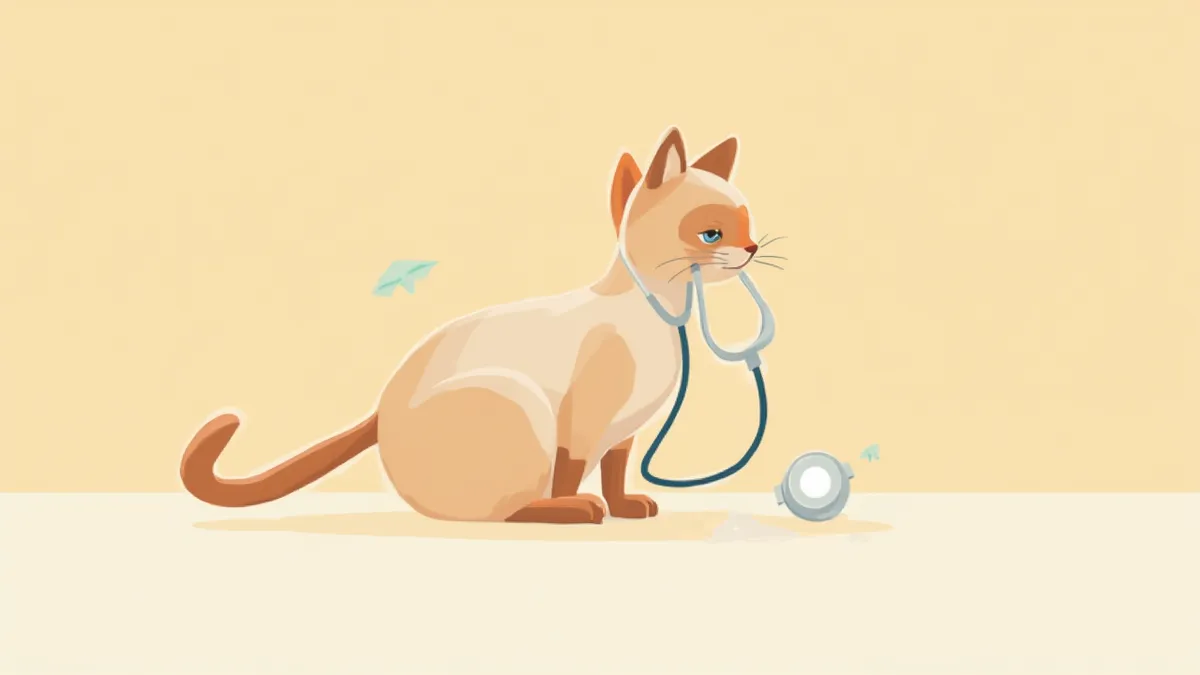
A Siamese cat having its chest examined by a veterinarian with a stethoscope
Siamese cats, an Oriental short-haired breed, are more prone to lymphatic tumors such as mediastinal lymphoma than other breeds. The most critical factor is the timing of detection. As a tumor grows in the mediastinum (the chest cavity), it can compress the lungs and cause difficulty breathing. Because cats are adept at hiding signs of pain, owners often notice symptoms only after the condition has progressed. If you observe any changes in your cat’s breathing pattern, along with coughing or decreased appetite, seek veterinary care promptly.

Why Do Siamese Cats Frequently Develop Mediastinal Lymphoma?

Siamese cats are a classic example of a breed with a predisposition to lymphoma, as highlighted in veterinary textbooks among Oriental breeds. In particular, thymic and mediastinal lymphoma are known to occur frequently in young, FeLV-negative Siamese cats. One retrospective study found that approximately 22% of cats diagnosed with mediastinal lymphoma were Siamese, with a median age at diagnosis of 3 years (range 0.5–12 years), indicating a relatively young onset. While FeLV infection was once considered the primary cause of feline lymphoma, consistent cases of mediastinal lymphoma are now observed in FeLV-negative cats, thanks to the widespread use of vaccines and testing. It is currently believed that genetic predisposition plays a role alongside other factors, rather than a single clear cause.

Early Respiratory Signs Caregivers Often Miss

Mediastinal tumors press against the lungs, so changes in breathing patterns are usually the first sign. Check for these symptoms daily: - Rapid breathing: Breathing faster than usual, more than 30 times per minute - Abdominal breathing: Noticeable up-and-down movement of the abdomen during breathing - Changes in breath sounds: Slight wheezing or snoring noises may be heard - Fixed posture: Maintaining a seated position with the chest extended for long periods - Reluctance to exercise: Suddenly avoiding play or activities they normally enjoy
Close-up of a Siamese cat sitting with its chest expanded, breathing.

Go to the Vet Immediately If You See These Signs

Cyanosis, where the tongue or gums appear bluish, open-mouth panting, and breathing using only the abdomen rather than the chest are signs of an emergency. Pleural effusion (fluid accumulation in the chest cavity) is often present, so immediate oxygen therapy and thoracentesis may be required. During transport, avoid shaking the carrier and move the pet gently into a comfortable position.

How Is the Diagnosis Performed?

According to veterinary internal medicine textbooks, the diagnosis of mediastinal lymphoma is carried out in stages. First, a chest X-ray is used to check for a mediastinal mass and the presence of pleural effusion. If pleural effusion is present, fluid is collected from the chest cavity for cytological examination. Definitive diagnosis of lymphoma can be achieved through fine-needle aspiration cytology or biopsy of the mass itself. Additionally, abdominal ultrasound, blood tests, and FeLV/FIV testing are performed to assess for metastasis and overall health status.

Comparison of Key Diagnostic Tests

ItemChest X-rayPleural fluid cytologyFine-needle aspiration
UseConfirm mass/pleural effusionConfirm malignant cellsDefinitive diagnosis of lymphoma
Anesthesia neededUsually not neededNot neededUsually not needed
AccuracyScreeningSupplementary diagnosisDefinitive diagnosis possible
Time requiredSame day1–2 days2–5 days

Results vary by hospital and laboratory. Decide in consultation with your veterinarian.

Chemotherapy Is the Standard Treatment

Mediastinal lymphoma in Siamese cats is generally a medium-to-large cell (high-grade) lymphoma, making chemotherapy the standard treatment. For feline lymphoma, protocols based on vincristine and prednisolone, combined with agents such as cyclophosphamide and L-asparaginase (e.g., COP, CHOP, or the Madison-Wisconsin modification), are used. Your veterinarian will determine the specific drugs, dosages, and intervals based on your cat’s weight and condition. If the treatment is effective, you will notice that the pleural effusion resolves and your cat’s breathing becomes noticeably easier. One study reported a median survival time of approximately eight months for cats with mediastinal lymphoma. Additionally, reports indicate that cats who maintain their weight during the first few weeks of treatment tend to survive longer, making regular follow-up examinations essential to monitor for potential recurrence.
A Siamese cat resting comfortably at home after treatment.

Home Care Points During Treatment

Here’s a summary of the key points for caregivers to keep in mind during the treatment period: - Respiratory rate monitoring: Record your pet’s resting respiratory rate once daily. A rate of 30 breaths per minute or less is considered stable. - Appetite and weight: Record food intake at the same time each day and weigh your pet once a week. - Isolation area: For 48 hours after chemotherapy administration, keep your pet’s litter box or toilet area separate from other pets and children. - Vaccination deferral: Avoid routine vaccinations during treatment and consult with your veterinarian. - Restrict outdoor exposure: Minimize walks and exposure to the outdoors when your pet’s immune system is compromised.

Other Conditions Siamese Cats Should Also Watch For

Siamese cats are also prone to asthma (feline asthma), amyloidosis (affecting the liver and kidneys), periodontal disease, and ophthalmic issues such as strabismus and exotropia. Since respiratory distress can be caused by asthma rather than lymphoma, thoracic imaging is essential for differentiating between these two conditions. We recommend annual comprehensive health checkups, at least once a year.

Reviewed by a veterinarian

Dr. Tony — Punnawat Phongkittirak

Dr. Tony — Punnawat Phongkittirak

Veterinarian

A veterinarian who majored in veterinary medicine at Khon Kaen University, Thailand, and completed the IVSA program at North Carolina State University in the United States. Drawing on clinical experience at animal hospitals, he works in the pet healthcare field and is dedicated to building a digital care environment that connects pet parents with veterinarians.

Frequently Asked Questions

At what age can Siamese cats develop mediastinal lymphoma?
In Oriental breeds, this condition tends to develop at a relatively young age. A retrospective study found that the median age of cats with mediastinal lymphoma was 3 years (range 0.5–12 years), with approximately 22% of cases being Siamese cats. Since diagnosis can occur as early as 2 to 3 years of age, it is advisable to monitor your cat’s breathing patterns from a young age.
Can a cat still develop lymphoma even if it tests negative for FeLV?
Yes, it is possible. In the past, FeLV infection was the main cause, but since the widespread use of vaccines, there has been an increase in cases of mediastinal lymphoma in FeLV-negative cats of Asian breeds. It is believed that genetic predisposition plays a role.
How long can my pet live with treatment?
While treatment responses vary, one study reported a median survival time of approximately eight months for cats with mediastinal lymphoma, with longer survival observed in those achieving complete remission. Prognosis depends on the tumor stage and the individual cat’s overall condition, so please discuss your cat’s specific outlook with your veterinarian.
How do you measure your pet’s respiratory rate per minute while they’re sleeping?
When your cat is in a deep sleep, count one chest rise and fall as one breath. Multiply the number of breaths you count in 30 seconds by two to get the respiratory rate. A normal rate is 30 breaths per minute or less. If the rate is 35 breaths per minute or higher for several consecutive days, please consult your veterinarian.
Can it be prevented through vaccinations or diet?
There is currently no surefire way to directly prevent mediastinal lymphoma in cats. However, since past FeLV infections were strongly linked to feline lymphoma, reducing the risk of infection through FeLV vaccination and keeping your cat indoors, along with early detection via regular health check-ups, can be helpful.

Share

Related Guides

References

[1] Little SE, The Cat: Clinical Medicine and Management, 2nd Edition, Chapter on Feline Lymphoma, 2020

[2] Withrow & MacEwen, Small Animal Clinical Oncology, 6th Edition, Mediastinal Lymphoma in Cats

[3] Ettinger SJ, Textbook of Veterinary Internal Medicine, 8th Edition, Feline Respiratory Disease

[4] Louwerens M et al., Feline lymphoma in the post-feline leukemia virus era, Journal of Veterinary Internal Medicine, 2005

This information is based on veterinary literature and does not replace diagnosis or treatment. Please consult a veterinarian for specific health concerns.

Metapet Co., Ltd. | CEO: Park Sung-yong | Business Reg. No. 417-88-02562 | Seoul, South Korea | Customer Center

Mediastinal Lymphoma in Siamese Cats: Early Breathing Signs | Meongsiljang