Like
Share
멍실장
시베리안 삼중모 그루밍 완벽 가이드

Siberian Husky Triple-Coat Grooming — Brushing, Blow-Drying, and Skin Care for Shedding Season

Skin & CoatBreed HealthMeongsiljang Veterinary Advisory Board

We’ve compiled the essential grooming tips every owner should know for Siberian cats, including their triple-layered coat structure, the right type of comb, how often to brush, bathing frequency, and how to manage seasonal shedding.

What Is a Triple Coat?
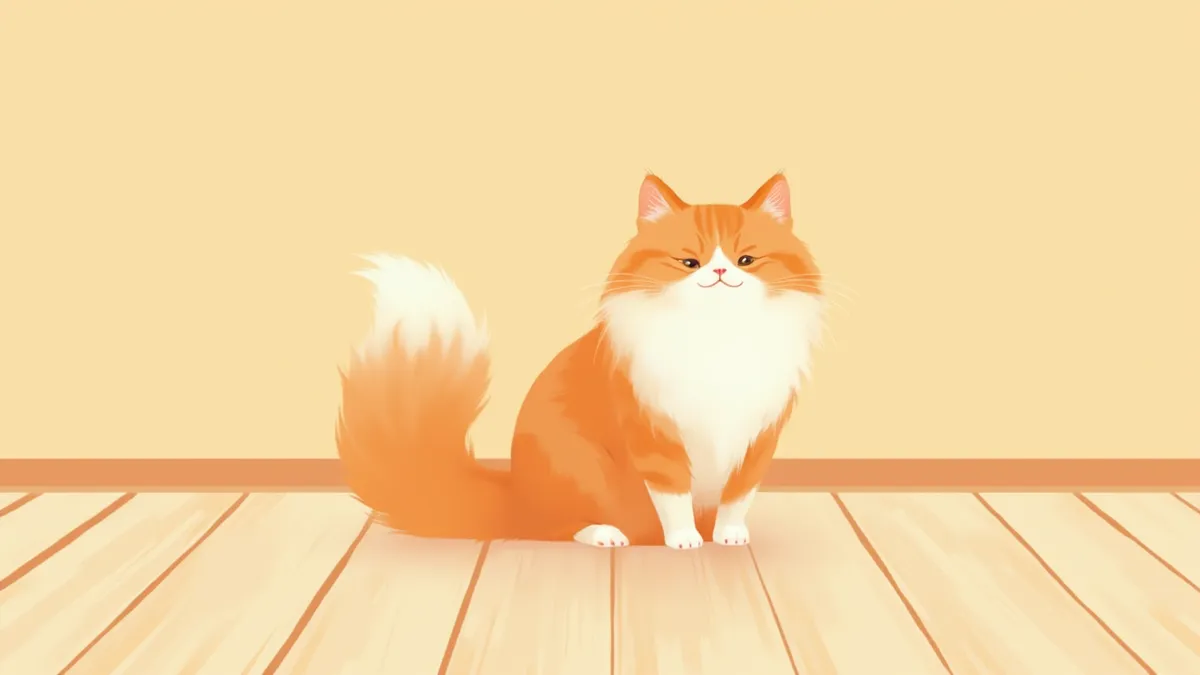
Side view of a Siberian cat with a triple coat
The Siberian is a long-haired Russian breed with a thick, triple-layered coat consisting of guard hairs, an outer coat, and an undercoat. Brushing frequency is key. Brush two to three times a week during normal periods, and daily during seasonal shedding periods (spring and fall) to prevent matting and hairballs. Because this triple-layered coat sheds significantly more than short-haired breeds, choosing the right grooming tools and maintaining a consistent routine are essential for skin health.

Understanding the Three-Layer Coat Structure

A Siberian cat's coat isn't just long hair; it consists of three distinct layers, each with a different function. Understanding the role of each layer makes it easier to choose the right brush. - Guard hair: The longest, stiffest outer layer that provides waterproofing and dirt resistance. - Awn hair: The sturdy middle layer that helps maintain the coat’s shape. - Undercoat: The soft, dense innermost layer responsible for insulation. This is the layer that sheds most heavily during seasonal changes. Insufficient brushing allows the undercoat to tangle and form mats, which can become the starting point for skin inflammation.

The Real Reasons Grooming Is Important
Cats are naturally diligent self-groomers, but for long-haired breeds, this alone isn’t enough to keep their coats fully maintained. When owners don’t brush their cats regularly, several issues can arise: - Hairball risk: Hair swallowed during self-grooming can clump together in the stomach, forming hairballs (trichobezoars), which may lead to vomiting and loss of appetite. - Matting: Tangled undercoat can stick to the skin, causing discomfort and creating conditions for skin problems. - Skin irritation: Moisture, dead skin cells, and microbes can build up beneath matted fur, leading to skin irritation such as redness or dandruff. - Coarse coat texture: Without regular brushing, fur becomes tangled and loses its shine, resulting in an overall decline in coat and skin health.
Close-up of the cross-section of a Siberian cat's triple coat

Warning Signs of Seasonal Shedding

Spring (March to May) and autumn (September to November) are peak shedding seasons when the undercoat comes out in large amounts. If brushing is insufficient during these periods, the loose undercoat can easily tangle and form mats in a short time. If you’re seeing handfuls of hair come out with just hand brushing, increase your brushing frequency and switch to a de-shedding brush.

Correct Brushing Sequence and Method
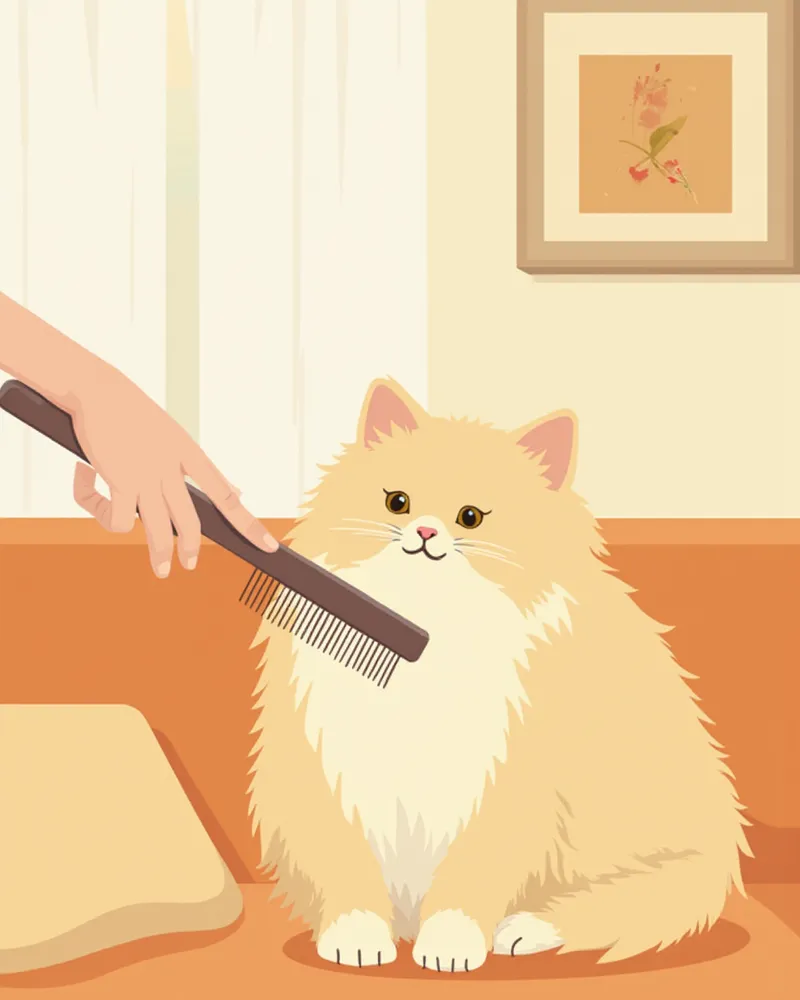
Brushing a triple-coated cat isn’t a one-step process. Follow this sequence for the best results: 1. Slicker Brush: Gently brush the surface guard hairs first to loosen large tangles. 2. Long-Pin Comb: Work deeper into the middle layer to catch smaller mats. 3. De-shedding Tool: Use only during seasonal shedding periods to remove dead undercoat. Always brush in the direction of hair growth, and avoid lingering on any one spot for more than 30 seconds. Pay special attention to the belly, armpits, and inner hind legs, as these areas are prone to matting and should be checked every time.
A pet owner's hand using a long-toothed comb to groom a Siberian cat

Comparison of Brushes for Triple Coats

ItemSlicker brushLong-pin combDe-shedding tool
Main useLoosening surface tanglesRemoving mid-layer matsRemoving undercoat
Frequency of use2–3 times a week1–2 times a weekOnce a week during shedding season only
Difficulty for beginnersEasyModerateDifficult
Skin irritationLowLowModerate (caution against overuse)

A de-shedding tool can cut into the guard hairs when used repeatedly on the same spot, so use it briefly—under 5 seconds per area.

How Often Should You Bathe?

Cats are naturally fastidious groomers, so if their skin is healthy, they don’t need frequent baths like humans do. Rather than bathing them too often, it’s better to regularly brush them to remove dead hair and debris. When a bath is necessary, always detangle their fur with a brush first; this prevents mats from tightening when they get wet. - Shampoo: Use a low-irritation product formulated for cats. If your cat has a skin condition, use only medicated shampoos prescribed by your veterinarian. - Water Temperature: Use lukewarm water that is not too hot. - Drying: Thoroughly towel-dry your cat, then completely dry their coat using a low-heat setting. Leaving the coat damp can lead to skin issues.

Emergency Response for Hairballs and Mats
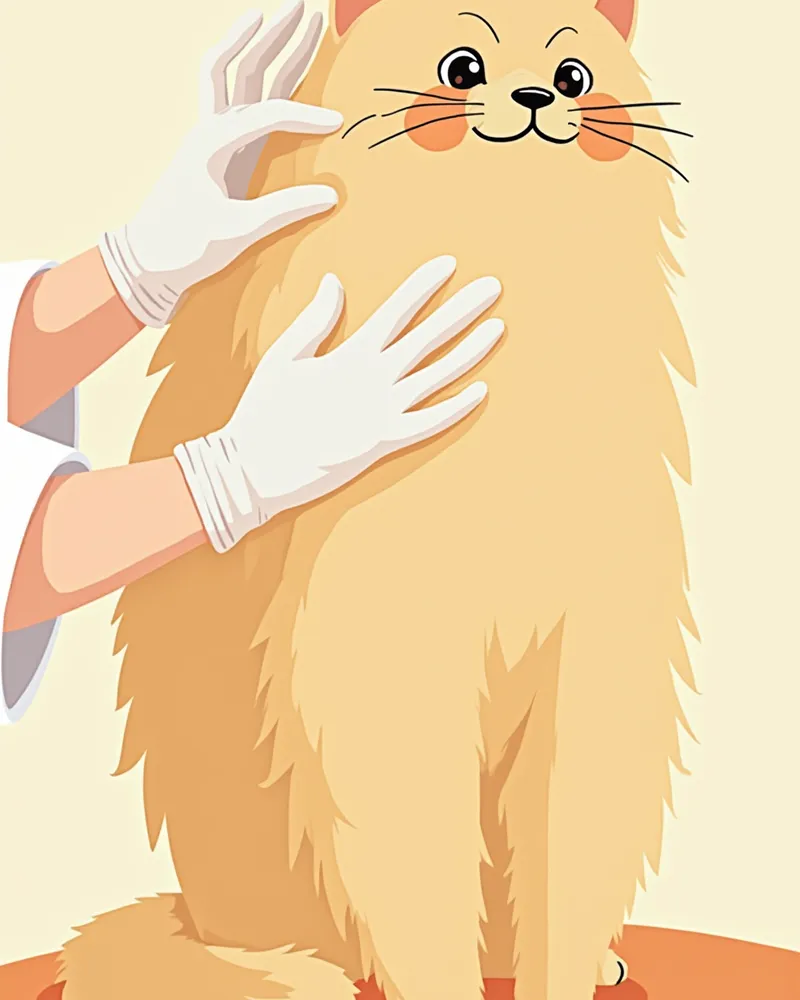
Cats that groom themselves frequently may occasionally vomit hairballs due to ingested fur. While this is common when it happens once in a while, you should seek veterinary care if you notice the following signs: - Repeated retching without vomiting: This may indicate an obstruction caused by a hairball (trichobezoar) lodged in the esophagus or stomach. - Loss of appetite, vomiting, and constipation lasting for several days or more: This could suggest trichobezoar disease (hairball obstruction). If mats have already become hard, attempting to cut them with scissors poses a high risk of cutting the skin as well. For safety, use tools specifically designed for mats or seek assistance from a veterinarian or professional groomer.
A veterinarian examining the coat and skin of a Siberian cat

Go to the Vet If You See These Skin Signs

If you notice any of the following symptoms during grooming, it may be more than just a simple coat care issue. If you see redness, discharge, severe dandruff, flaking, scabs, or patchy hair loss beneath mats, your pet may have a skin condition such as dermatophytosis (fungal dermatitis), bacterial pyoderma, or allergic dermatitis, so it’s best to have a veterinarian examine them. Additionally, if there is a sudden loss of appetite or changes in breathing, it could indicate a systemic illness unrelated to the skin problem, so please seek immediate veterinary care.

Seasonal Care Points

Siberians are a breed adapted to cold climates, so they need a little extra help adjusting to Korea’s four seasons. - Spring (March–May): Heavy shedding of the undercoat. Brush daily and use a de-shedding tool once a week. - Summer (June–August): Focus on preventing mats. Brush frequently with a short-bristle brush and keep indoor temperatures at 26–27°C. - Autumn (September–November): Second shedding season. Increase brushing just as you did in spring. - Winter (December–February): The undercoat thickens. Brush 2–3 times a week to prevent mats. If you’re interested in grooming short-haired cats, check out our Cat Brushing Basics Guide.

Reviewed by a veterinarian

Dr. Tony — Punnawat Phongkittirak

Dr. Tony — Punnawat Phongkittirak

Veterinarian

A veterinarian who majored in veterinary medicine at Khon Kaen University, Thailand, and completed the IVSA program at North Carolina State University in the United States. Drawing on clinical experience at animal hospitals, he works in the pet healthcare field and is dedicated to building a digital care environment that connects pet parents with veterinarians.

Frequently Asked Questions

Are Siberians truly a low-allergen breed that causes fewer allergies?
Although some reports suggest that certain cats produce less of the Fel d 1 protein than average, there is no truly hypoallergenic breed. If you have allergies, be sure to conduct an in-person contact test before adopting.
Is it okay to clip a Siberian Husky’s triple coat during the summer?
It is generally not recommended. Clipping can affect the texture of the coat and its protective function for the skin, and there is no clear evidence that it necessarily helps with temperature regulation during summer. Instead of clipping, manage your pet’s coat through regular brushing and de-shedding, and keep them in a cool indoor environment. If grooming is needed, please consult with a veterinarian or a professional groomer.
When should I start grooming a Siberian kitten?
Start grooming your kitten with a soft slicker brush from 8 to 10 weeks of age, beginning with short sessions of 2 to 3 minutes to help them get used to it. Early adaptation makes mat management much easier once they reach adulthood.
Is it okay to use a de-shedding tool every week?
It's best to use it only as needed during shedding seasons rather than frequently. Overuse can trim the topcoat, weakening the coat's protective barrier and skin health, and it may take a long time for the fur to grow back. Avoid repeatedly using it on the same area and keep each session short.
The mat is too tight for the comb to penetrate. What should I do?
Pulling too hard can tear the skin. For safety, gently work through the tangles in the direction of the hair using a detangling comb or mat splitter designed for mats, or have a veterinarian or professional cat groomer handle it.

Share

Related Guides

References

[1] Little SE, The Cat: Clinical Medicine and Management, 2nd Edition, Saunders, 2020

[2] Hnilica KA, Patterson AP, Small Animal Dermatology, 4th Edition, Elsevier, 2017

[3] Sueda KLC, Feline Behavior and Welfare, in The Cat: Clinical Medicine and Management, 2020

This information is based on veterinary literature and does not replace diagnosis or treatment. Please consult a veterinarian for specific health concerns.

Metapet Co., Ltd. | CEO: Park Sung-yong | Business Reg. No. 417-88-02562 | Seoul, South Korea | Customer Center

Siberian Cat Triple-Coat Grooming: Brushing & Shedding Care | Meongsiljang