Like
Share
멍실장
골든 리트리버 고관절 가이드 - 이형성증 예방부터 관리까지

Golden Retriever Hip Guide: From Hip Dysplasia Prevention to Management

JointBreed HealthMeongsiljang Veterinary Advisory Board

Golden Retrievers are one of the breeds most commonly affected by hip dysplasia. Early screening, weight management, and appropriate exercise can help slow its progression.

What Are Golden Retriever Hips?

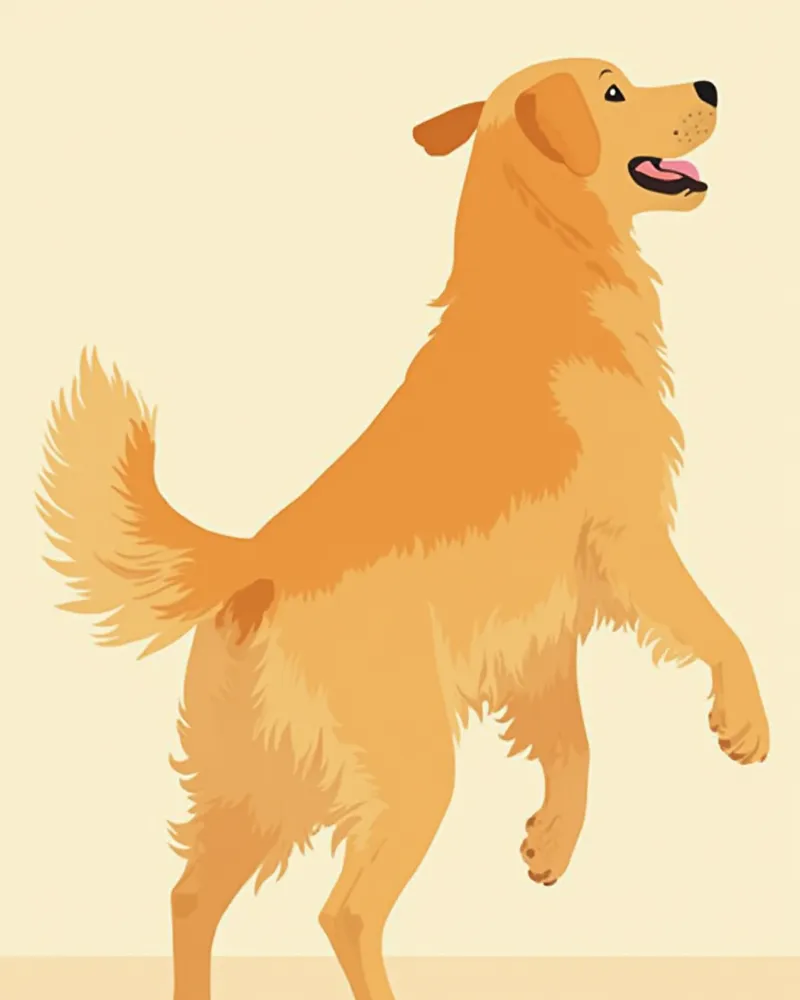
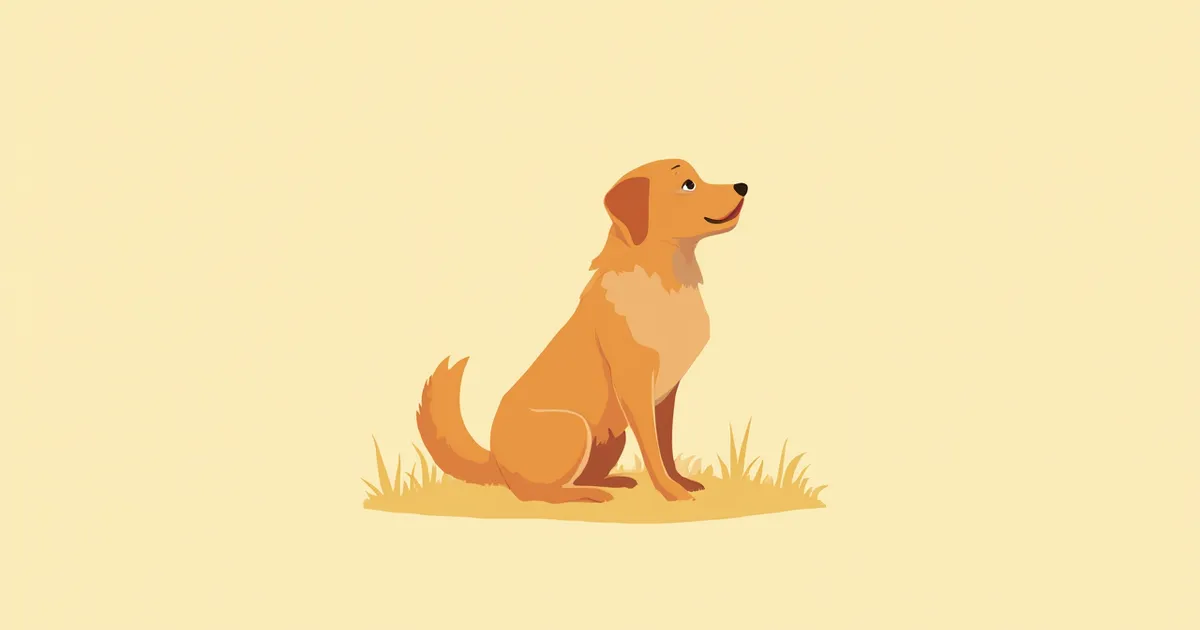
A Golden Retriever standing in a healthy posture
Golden Retrievers are a large breed genetically predisposed to hip dysplasia. Early detection is truly the key. From six months of age onward, avoid excess weight and strenuous exercise during puppyhood, and consult your veterinarian to schedule radiographic examinations at the appropriate time to assess hip joint health. This proactive approach is crucial for lifelong joint well-being. The earlier you manage the condition before symptoms become pronounced, the more comfortably your dog can live without needing surgery.

Why Are Golden Retrievers Vulnerable?

Hip dysplasia is a condition in which the socket of the pelvis (acetabulum) and the head of the thigh bone (femoral head) do not fit together properly, resulting in joint laxity. According to veterinary surgical textbooks, it is particularly common in large breeds such as Golden Retrievers, Labrador Retrievers, Rottweilers, and Great Danes. While genetic factors play a significant role, rapid growth, obesity, and uncontrolled vigorous play and exercise are known to be major non-genetic factors that increase the risk of developing the condition.

Top 3 Conditions Owners Must Know

Here’s a summary of the most common joint and orthopedic issues in Golden Retrievers: - Hip Dysplasia: One of the most common skeletal disorders in large breeds, with a strong genetic component. Typical signs include an abnormal gait and weakness in the hind legs. - Elbow Dysplasia: Characterized by limping in the front legs, often appearing during the growth phase. - Cruciate Ligament Rupture: Often triggered by sudden directional changes during vigorous exercise. Key symptoms include sudden, severe limping or an inability to bear weight on the hind leg.
The hind legs of a walking Golden Retriever

Don’t Miss These Signs of Hip Abnormalities

If you notice these symptoms recurring, it’s important to consider hip joint issues. - Bunny hopping: When running, the dog moves both hind legs together simultaneously. - Hesitation when sitting or standing up: Stiffness is particularly noticeable in the morning or after prolonged rest. - Avoiding stairs or sofas: Places that were previously climbed with ease are suddenly avoided. - Muscle atrophy in the hips: One side of the hips may appear noticeably thinner. - Decreased activity levels: The dog may stop mid-walk or tire more quickly than usual.

When to Seek Immediate Veterinary Care

If your dog suddenly refuses to put weight on a hind leg or limps for more than 24 hours, seek veterinary care immediately. A professional evaluation is necessary to rule out conditions such as cruciate ligament rupture or acute joint inflammation. In dogs with a history of hip dysplasia, this could indicate a progressing subluxation. Do not administer pain medication without veterinary guidance, and never give human medications like ibuprofen or acetaminophen, as they are toxic to dogs.

When and How Is It Diagnosed?
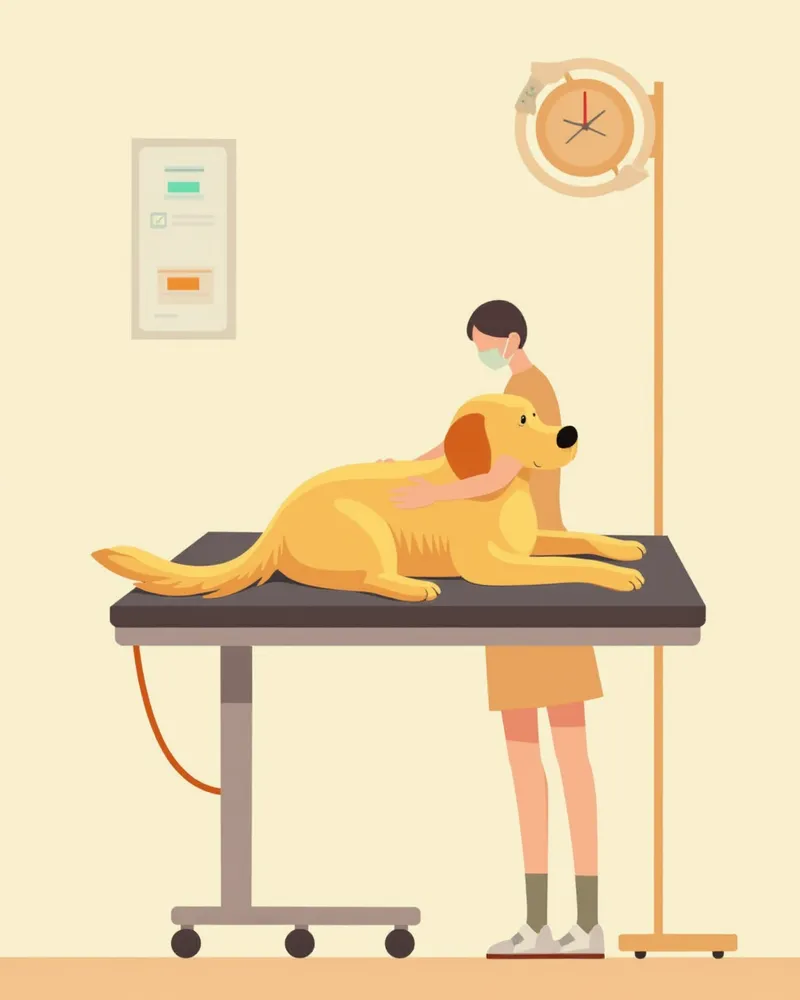
Hip dysplasia is definitively diagnosed through radiographic (X-ray) examination. According to veterinary surgical textbooks, the standard imaging protocol involves positioning the hind legs extended and internally rotated in a ventrodorsal (VD) view, typically performed under sedation or anesthesia. For breeding evaluations, the Orthopedic Foundation for Animals (OFA) certification requires radiographs taken after the dog reaches two years of age, whereas early screening methods like PennHIP can be conducted at a much younger age. It is recommended to consult with your veterinarian to determine the appropriate timing and frequency of these exams, taking into account the presence of symptoms, family history, and breed-specific risk factors.
Golden Retriever undergoing an X-ray examination

Management Points for Lifelong Hip Health

To help your pet stay comfortable for a long time without surgery, daily care is key. - Weight management: Even a small weight gain can significantly increase the burden on joints, so maintaining an ideal body condition is crucial. - Low-impact exercise: Swimming and walking on flat ground are ideal, while activities like throwing balls and jumping should be limited, especially in younger dogs. - Flooring adjustments: Use non-slip mats on hardwood floors and restrict stair use as your pet ages. - Muscle maintenance: Strong thigh and hip muscles act as natural joint protectors. - Growth-stage nutrition: It's important to feed large-breed-specific food to support a slower, healthier growth rate.

Supplements and Surgery: When to Consider Them?

If your dog shows recurring limping or moderate to severe pain, consult your veterinarian about starting joint supplements such as glucosamine, chondroitin, and omega-3 fatty acids. These supplements are used for management rather than as a cure, so it is safest to let your veterinarian determine whether and when to use them. If pain persists despite medication and management, or if significant muscle atrophy develops, surgical options like femoral head ostectomy (FHO) or total hip replacement (THR) may be considered. The timing and type of surgery are determined by evaluating your dog’s age, weight, and joint condition.

Reviewed by a veterinarian

Dr. Tony — Punnawat Phongkittirak

Dr. Tony — Punnawat Phongkittirak

Veterinarian

A veterinarian who majored in veterinary medicine at Khon Kaen University, Thailand, and completed the IVSA program at North Carolina State University in the United States. Drawing on clinical experience at animal hospitals, he works in the pet healthcare field and is dedicated to building a digital care environment that connects pet parents with veterinarians.

Frequently Asked Questions

Do Golden Retrievers inevitably develop hip dysplasia?
Not at all. While there is a strong genetic predisposition, not every dog will develop the condition. Many dogs live their entire lives without symptoms if you verify their parents' screening history, manage their weight during growth, and stick to low-impact exercise.
Is it okay to play fetch or jumping games with a young puppy?
It’s best to avoid high-impact activities like jumping and sudden stops for growing puppies. Veterinary surgery textbooks also note that controlled, walk-focused exercise is beneficial for strengthening the muscles and supporting structures around the joints. Gradually building muscle strength through walking is much better for lifelong joint health.
When is the best time to start giving joint supplements?
There’s no set age to start, but if your dog has been diagnosed or has a family history (such as hip dysplasia in the parents), you may begin earlier after consulting with your veterinarian. Please remember that supplements are for management, not treatment.
Can swimming really help?
Yes. The buoyancy of water reduces the burden on your dog's joints, allowing you to strengthen the muscles in the hips and thighs with almost no strain. However, since this breed is prone to frequent ear infections, be sure to carefully clean and dry the ears after swimming.
How long does the recovery period after hip surgery take?
Recovery time varies significantly depending on the surgical procedure. Regardless of the type of surgery, it’s essential to limit your pet’s activity for a certain period while undergoing specialized rehabilitation therapy, which can take anywhere from several weeks to several months. For the safest outcome, always follow the specific timeline and rehabilitation plan provided by your attending veterinarian.

Share

Related Guides

References

[1] Textbook of Veterinary Orthopaedic Surgery, Chapter 9: Hip Dysplasia

[2] BSAVA Manual of Canine Musculoskeletal Disorders

[3] The Dog Care Handbook — Hip Dysplasia Prevention

[4] Notes on Canine Internal Medicine, 4th Ed

This information is based on veterinary literature and does not replace diagnosis or treatment. Please consult a veterinarian for specific health concerns.

Metapet Co., Ltd. | CEO: Park Sung-yong | Business Reg. No. 417-88-02562 | Seoul, South Korea | Customer Center

Golden Retriever Hip Dysplasia: Prevention & Management | Meongsiljang