Like
Share
멍실장
치와와 건강 관리 – 수두증·슬개골 탈구 주의 질병과 예방법

Chihuahua Health Management – Precautions and Prevention for Hydrocephalus and Patellar Luxation

JointBreed HealthMeongsiljang Veterinary Advisory Board

We’ve compiled information on the symptoms and management of common health issues in Chihuahuas, such as hydrocephalus and patellar luxation.

Chihuahua Health: Key Characteristics to Know
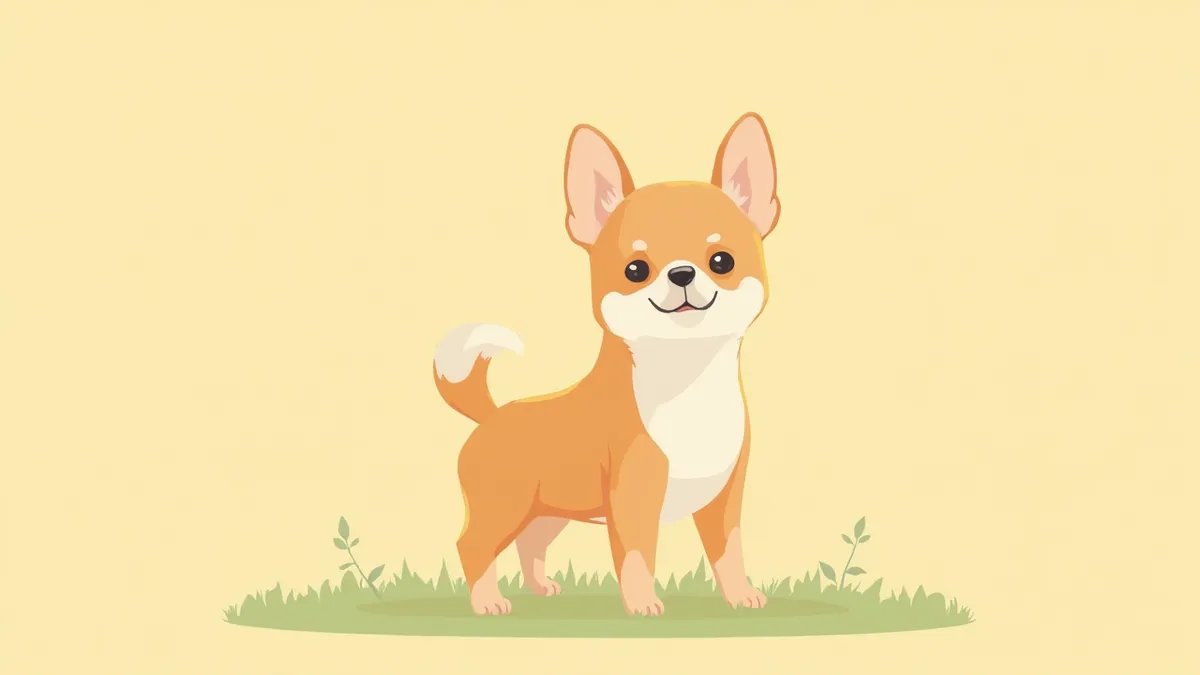
A healthy Chihuahua standing on the grass in the park
Chihuahuas are the world’s smallest toy breed, and they require careful attention to genetic conditions common in small dogs, such as hydrocephalus, patellar luxation, and tracheal collapse. Weighing only 1.5 to 3 kg, they are fragile and can be seriously injured even by minor impacts, and they are genetically predisposed to various health issues. The most important thing is to have them regularly checked by a vet from an early age so that any warning signs can be caught quickly. Since hydrocephalus and patellar luxation are particularly common in Chihuahuas, it’s helpful to familiarize yourself with their symptoms and management strategies in advance.

Top 5 Conditions Chihuahuas Need to Watch For

Hydrocephalus: This condition occurs when an abnormal accumulation of cerebrospinal fluid puts pressure on the brain. It is particularly common in small, round-headed breeds like Chihuahuas.
Patellar Luxation: This joint disorder involves the kneecap slipping out of its normal position. While it is common across all small dog breeds, Chihuahuas have a higher incidence rate.
Tracheal Collapse: This condition causes the trachea (windpipe) to flatten, leading to coughing and difficulty breathing.
Hypoglycemia: Due to their small size, Chihuahuas have limited energy reserves. Skipping even a small meal can cause their blood sugar levels to drop rapidly.
Dental Disease: Chihuahuas have the same number of teeth as larger dogs, but their smaller jaws cause crowding, making them prone to tartar buildup and periodontal disease.

Hydrocephalus: The Brain Condition to Watch Most Closely in Chihuahuas
Hydrocephalus is a condition in which excess cerebrospinal fluid accumulates within the brain, exerting pressure on brain tissue. Chihuahuas are at higher risk for hydrocephalus because they often have congenital defects in which the skull sutures fail to close completely. While congenital hydrocephalus typically presents symptoms at a young age, it can also be diagnosed in adult dogs.
Key symptoms: Abnormally enlarged head size, head-pressing against walls, seizures, vision impairment, circling behavior, and decreased appetite. According to veterinary neurology textbooks, mild cases of hydrocephalus are managed with medication (drugs that inhibit cerebrospinal fluid production and reduce intracranial pressure), while severe cases may require surgical intervention.
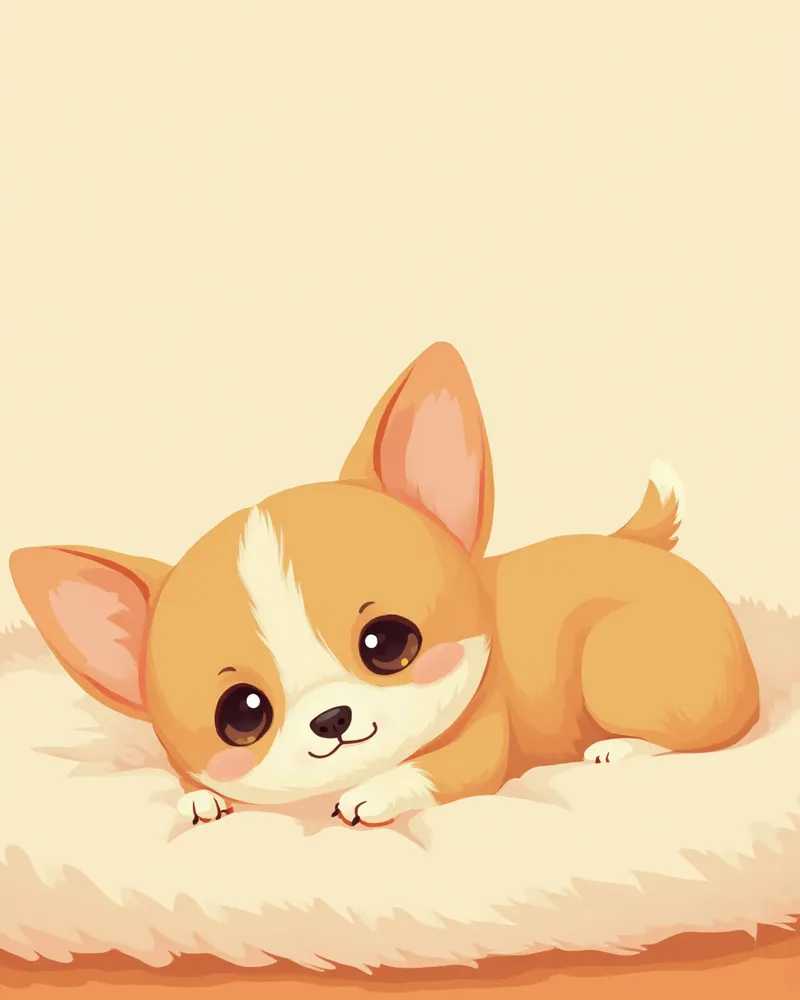
Close-up of a Chihuahua's face lying on a blanket

Visit the Vet Immediately If You Notice These Symptoms

If seizures occur or persist, immediate veterinary intervention may be necessary, so you should visit an animal hospital promptly. If you notice your pet suddenly pressing its head against a wall and standing dazed, spinning in circles, or showing signs of clouded consciousness, seek immediate care at the nearest animal hospital. These behaviors—head pressing, circling, and dulled awareness—can be signs of brain disorders, including hydrocephalus. Especially in young puppies, if you observe these symptoms, avoid making your own diagnosis and have a veterinarian determine the underlying cause.

Patellar Luxation: A Representative Joint Disorder in Small Dogs
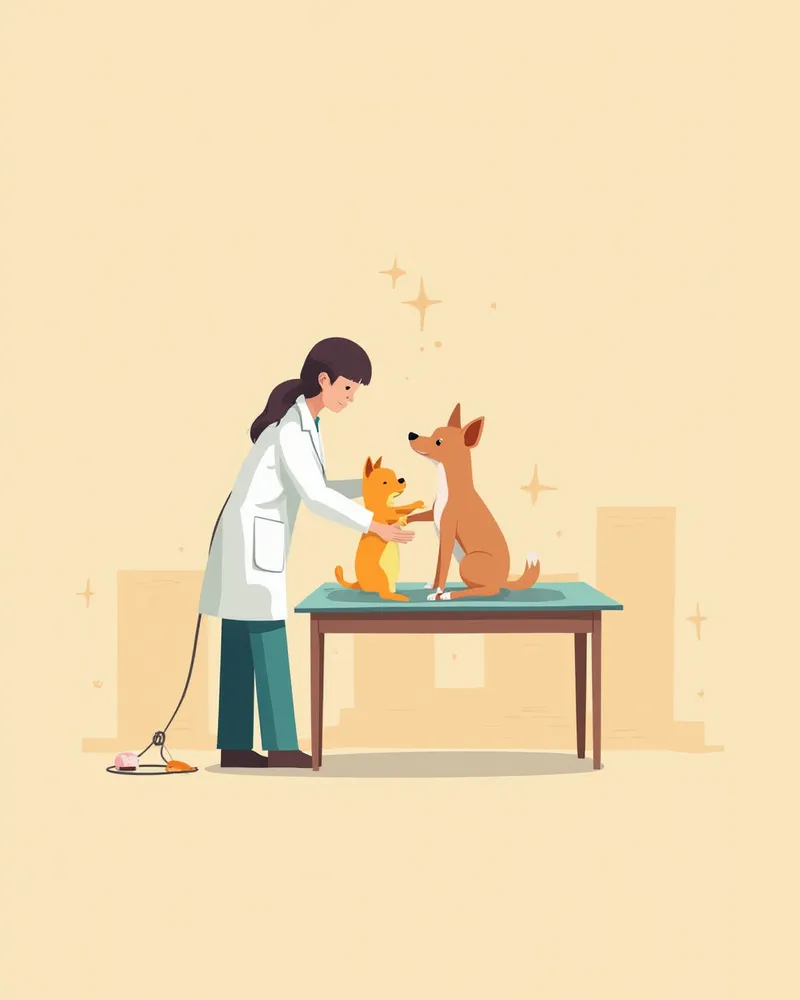
Patellar luxation is a condition in which the kneecap (patella) slips out of its normal position, either inward or outward. According to veterinary orthopedic textbooks, this occurs due to a combination of structural factors, such as a shallow femoral groove (trochlear groove), inward deviation of the tibial tuberosity, abnormal shapes of the femur or tibia, and tightness in the surrounding soft tissues. In Chihuahuas, patellar luxation most commonly occurs medially (inward) and is classified into four grades. During physical examinations, patellar luxation typically does not cause significant pain. In the early stages, symptoms may include intermittent lifting of the hind leg or walking on the toes. As the condition progresses to higher grades, the gait changes noticeably, and knee function becomes impaired. Because patellar luxation is fundamentally a mechanical issue, it cannot be corrected with medication alone. Surgery is considered for cases at grade 3 or higher, or when conservative management is ineffective. If you’d like to learn more about the symptoms of patellar luxation, please refer to our Patellar Luxation Symptom Guide.
A veterinarian examining the hind legs of a Chihuahua.

Other Health Issues to Monitor

Tracheal Collapse: Your dog may cough with a honking, goose-like sound when excited or when the leash pulls on the neck. Switch to a chest harness instead of a collar, and weight management is key.
Hypoglycemia: This is especially dangerous in puppies. If your dog suddenly becomes lethargic or starts trembling, apply honey or sugar water to the gums and seek veterinary care immediately. Adult dogs are also at risk if they skip meals, so it’s best to feed small, frequent meals regularly.
Dental Disease: Small jaws with crowded teeth lead to rapid tartar buildup. Daily brushing is ideal, so please maintain consistent oral care.

Key Points for Chihuahua Health Management
Weight Management: The ideal weight range is 2–3 kg. Even a 100 g increase represents a significant change relative to body weight, so please carefully control treat portions.
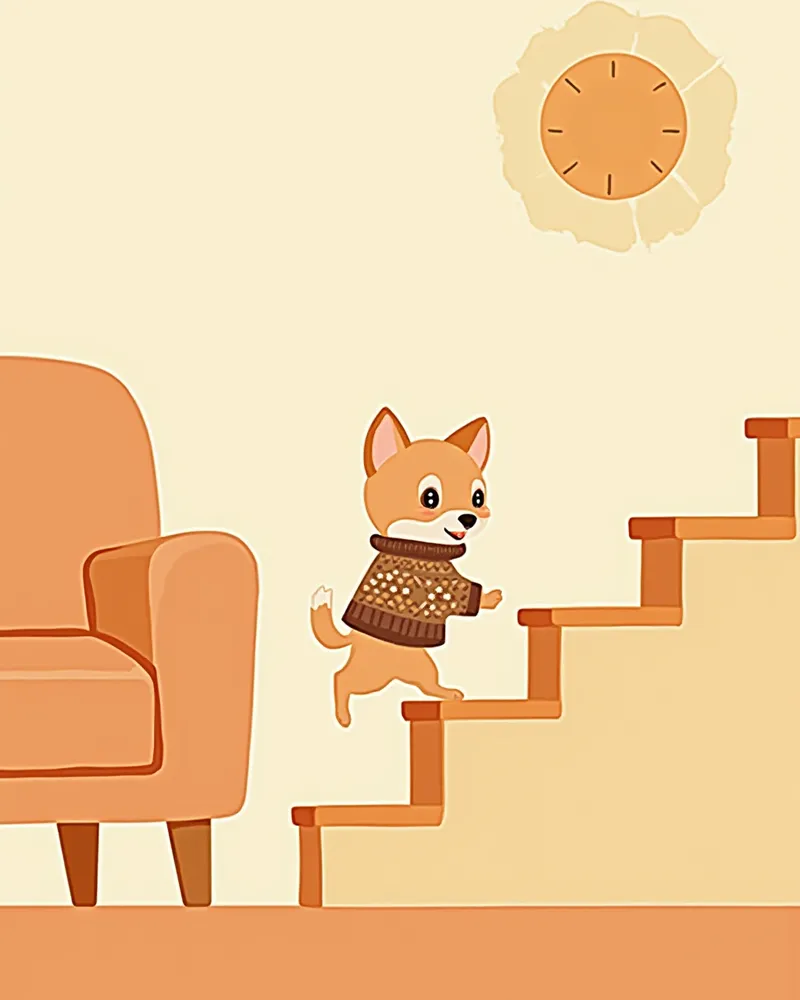
Joint Protection: Prevent your pet from jumping down from high places. Use ramps or stairs to help them access sofas and beds, and place mats on slippery floors to improve traction.
Warmth: Due to their small size, they are sensitive to cold. Dress them in clothing during winter walks and maintain an appropriate indoor temperature.
Regular Check-ups: Have a patellar luxation screening performed annually. If you notice any neurological symptoms, consult your veterinarian about imaging tests.
A Chihuahua wearing a small outfit climbs the stairs with its pet owner.

Apple-Head Chihuahuas May Have an Open Fontanel

In Chihuahuas with the round-headed "apple head" type, the fontanel (the soft spot at the top of the skull) may not fully close. This area is particularly vulnerable to external impact, so take care to prevent your dog from bumping its head hard. For peace of mind, have your veterinarian check the status of the fontanel.

Reviewed by a veterinarian

Dr. Tony — Punnawat Phongkittirak

Dr. Tony — Punnawat Phongkittirak

Veterinarian

A veterinarian who majored in veterinary medicine at Khon Kaen University, Thailand, and completed the IVSA program at North Carolina State University in the United States. Drawing on clinical experience at animal hospitals, he works in the pet healthcare field and is dedicated to building a digital care environment that connects pet parents with veterinarians.

Frequently Asked Questions

Can hydrocephalus in Chihuahuas be cured?
Congenital hydrocephalus is difficult to cure, but symptoms can be managed by using medications to reduce cerebrospinal fluid production and control intracranial pressure. In severe cases, surgery may be performed to drain the excess fluid through a shunt. Early detection leads to better outcomes, so regular veterinary check-ups are essential.
Should I avoid taking my dog for walks if they have patellar luxation?
While you don’t necessarily need to completely prevent walks, patellar luxation is fundamentally a mechanical issue, so it’s best to avoid strenuous exercise. Steer clear of jumping and sudden changes in direction; short, frequent walks on flat ground are generally appropriate. If your pet is showing symptoms or has a more advanced stage of the condition, restrict their activity and be sure to consult your veterinarian about the appropriate level of exercise.
Can I give joint supplements to my Chihuahua?
Although many types of joint health supplements are available on the market, it’s best to consult with your veterinarian to determine which ingredients are most beneficial. Because Chihuahuas are small, they require extra caution with dosing. Always confirm the appropriate dosage based on your Chihuahua’s weight and health status with your veterinarian before administering any supplement.
My Chihuahua keeps falling. Is it in pain?
Chihuahuas often shiver due to cold, stress, or excitement. However, if trembling is accompanied by loss of appetite, vomiting, or lethargy, it could be a sign of hypoglycemia or pain, so it's best to have them checked at a veterinary clinic.

Share

Related Guides

References

[1] Dewey CW, da Costa RC, Practical Guide to Canine and Feline Neurology, 3rd Ed, Wiley-Blackwell, 2016, Chapter 7: Encephalopathies

[2] Fossum TW, Small Animal Surgery, 5th Ed, Elsevier, 2019, Chapter 33: Diseases of the Joints

[3] Piermattei DL et al., Brinker, Piermattei and Flo's Handbook of Small Animal Orthopedics and Fracture Repair, 5th Ed, Saunders, 2016

[4] Coates JR, Hydrocephalus in Dogs and Cats, Veterinary Clinics of North America: Small Animal Practice, 2018

This information is based on veterinary literature and does not replace diagnosis or treatment. Please consult a veterinarian for specific health concerns.

Metapet Co., Ltd. | CEO: Park Sung-yong | Business Reg. No. 417-88-02562 | Seoul, South Korea | Customer Center

Chihuahua Health: Hydrocephalus & Patellar Luxation Care | Meongsiljang