Like
Share
멍실장
시츄 유전질환 체크리스트

7 Hereditary Conditions in Shih Tzus: Symptoms, Causes, and Lifelong Care Guide

ImmunityBreed HealthMeongsiljang Veterinary Advisory Board

We’ve compiled a clear overview of the hereditary conditions to which Shih Tzus are particularly susceptible. We’ll also share key check points that owners should keep in mind for their eyes, joints, skin, and respiratory system.

What Hereditary Conditions Are Shih Tzus Susceptible To?
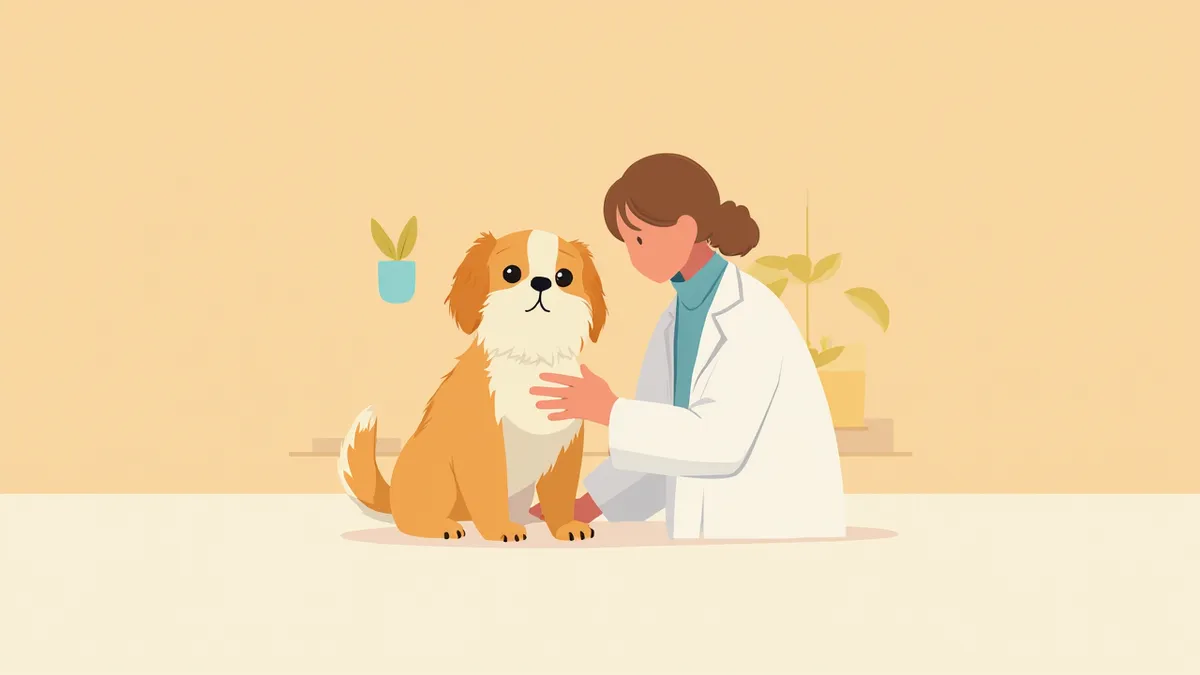
A Shih Tzu undergoing a veterinary checkup
Shih Tzus are a small breed with a clear genetic predisposition to eye, skin, joint, and respiratory issues. The most important thing is lifelong regular veterinary check-ups. Due to their flat facial structure, long coat, and large eyes, they should receive regular ophthalmologic, dermatologic, and orthopedic exams from a young age to catch problems before they become serious. In particular, having basic eye and patellar examinations done around the age of one makes it much easier to establish a long-term care plan.

5 Essential Hereditary Conditions in Shih Tzus You Must Know

The following genetic and predisposed conditions are commonly reported in Shih Tzus:
Vitreoretinopathy: This is a degenerative condition affecting the vitreous body and retina within the eye, observed in Shih Tzus. However, since the frequency of occurrence varies among individual dogs, regular ophthalmic examinations are recommended for early detection.
Chronic Superficial Keratitis: This condition involves recurrent chronic inflammation of the cornea, which can potentially affect vision.
Patellar Luxation: A representative orthopedic condition in small-breed dogs where the kneecap dislocates inward.
Hepatic Cutaneous Syndrome: A rare metabolic disorder characterized by the simultaneous occurrence of chronic liver dysfunction and skin lesions.
Brachycephalic Obstructive Airway Syndrome (BOAS): A structural issue that causes breathing difficulties due to a short snout and narrowed nostrils.

Eye Conditions: Vitreoretinopathy and Keratitis

Shih Tzus have large, prominent eyes that are easily irritated by external stimuli, making them particularly prone to eye conditions. Veterinary ophthalmology literature reports retinal disorders such as retinal pigment epithelial degeneration, and they may also develop superficial keratitis, a condition characterized by recurrent chronic inflammation of the cornea. However, the exact causes and prevalence vary significantly among individual dogs, so rather than jumping to conclusions, the safest approach is to monitor their eye health through regular veterinary ophthalmic examinations.
Early warning signs: Frequent eye rubbing or increased tearing
Danger signs: Clouding of the cornea or the appearance of black pigmentation
Care tips: Adjust walk times on sunny days to minimize sun exposure, and schedule an annual ophthalmic examination.
A Shih Tzu undergoing an eye examination

Seek Immediate Veterinary Care If You See These Signs

If your pet can barely open its eyes, has severely red and bloodshot whites, or suddenly starts bumping into furniture frequently, this is an emergency. Conditions like retinal detachment or acute corneal ulcers can lead to permanent vision loss if not treated promptly. Do not wait more than 24 hours—seek immediate care at a veterinary clinic equipped for ophthalmic treatment.

Joint Conditions: Patellar Luxation

Shih Tzus are one of the small breeds most commonly affected by patellar luxation, a condition in which the kneecap (patella) slips out of its normal position. The first sign owners often notice is their dog suddenly lifting one leg and hopping around. The condition is graded from stage 1 to 4. In the early stages, managing exercise levels and maintaining a healthy weight may be sufficient, but if pain becomes frequent or the dog starts dragging its leg, surgical correction may be necessary. We recommend an orthopedic examination around the age of one year.
The hind legs of a Shih Tzu walking at home

Comparison Chart of the Top 5 Hereditary Conditions in Shih Tzus

ItemEye DiseasePatellar LuxationHepatocutaneous Syndrome
Main AreaEye (retina/cornea)Knee jointLiver/skin
Early SignsRubbing eyes, rednessLifting legFootpad calluses
Recommended First Checkup1 year1 yearWhen symptoms appear
Regular Checkup IntervalOnce a yearOnce a yearBlood test every 6 months

Skin and Liver Conditions: Hepatocutaneous Syndrome

Hepatocutaneous syndrome is a rare but important condition that has been reported in Shih Tzus. According to veterinary dermatology textbooks, it is characterized by thick calluses, cracking, and hair loss on the skin of the paw pads, nose, and around the mouth, accompanied by chronic liver dysfunction.
Warning signs: Hardening and cracking of the paw pads
Associated symptoms: Decreased appetite, increased water intake, weight loss
Required tests: Blood tests (liver enzymes), abdominal ultrasound, skin biopsy
The earlier it is detected, the easier it is to maintain quality of life through dietary management and liver support therapy.

Managing Brachycephalic Obstructive Airway Syndrome

Shih Tzus are a brachycephalic breed with short muzzles, making structural issues such as narrowed nostrils, an elongated soft palate, and a narrow trachea quite common. Excessive panting on hot days or loud snoring can be warning signs.
Care Tips: Walk in the early morning or late evening during summer.
Essential Gear: Use a harness instead of a collar to reduce pressure on the airway.
Weight Management: Obesity is the biggest factor that worsens breathing difficulties.
If symptoms are severe, surgery such as nostril widening or soft palate resection may be necessary.
A Shih Tzu walking with a harness.

Regular Check-ups for Shih Tzu Owners

Shih Tzus should have basic eye and orthopedic exams starting at one year of age, and blood tests every six months after age seven. Because genetic diseases are difficult to reverse once they progress, keeping regular records from the time your dog is asymptomatic can help you detect changes early.

Reviewed by a veterinarian

Dr. Tony — Punnawat Phongkittirak

Dr. Tony — Punnawat Phongkittirak

Veterinarian

A veterinarian who majored in veterinary medicine at Khon Kaen University, Thailand, and completed the IVSA program at North Carolina State University in the United States. Drawing on clinical experience at animal hospitals, he works in the pet healthcare field and is dedicated to building a digital care environment that connects pet parents with veterinarians.

Frequently Asked Questions

At what age should a Shih Tzu start undergoing genetic disease screening?
We recommend having basic eye and patellar exams around the age of one. Recording normal conditions from an early age allows you to detect any changes more quickly in the future.
Is excessive tearing in Shih Tzus also a hereditary condition?
While excessive tearing is a common trait in Shih Tzus due to their facial structure, a sudden increase in tear volume or a change in color may indicate an eye condition such as keratitis or conjunctivitis, so it’s important to have your vet check for these issues.
Is surgery always necessary for patellar luxation?
Not necessarily. The appropriate approach depends on the grade and severity of symptoms, and in many cases, weight management and preventing slips on smooth surfaces are sufficient during the early stages (Grade 1–2). Surgery is considered if pain becomes frequent.
Can brachycephalic airway syndrome be prevented?
While structural issues make complete prevention difficult, you can help prevent symptom worsening by managing your pet’s weight, using a chest harness instead of a collar, and avoiding excessive heat.
Are genetic disease tests for Shih Tzus expensive?
Costs vary depending on the tests performed and the clinic, so it’s a good idea to compare estimates from nearby veterinary hospitals. Basic ophthalmic and orthopedic exams are generally quite affordable.

Share

Related Guides

References

[1] Papaioannou NG, Dubielzig RR. Histopathological and immunohistochemical features of vitreoretinopathy in Shih Tzu dogs. Journal of Comparative Pathology

[2] Hall-Fonte DL, Genter SA, McDonough SP et al. Hepatocutaneous syndrome in Shih Tzus: 31 cases (1996-2014). Journal of the American Veterinary Medical Association 248, 802-813, 2016

[3] Chavkin MJ, Roberts SM, Salman MD, Severin GA, Scholten NJ. Risk factors for development of chronic superficial keratitis in dogs

[4] Clinical Atlas of Canine and Feline Ophthalmic Disease, 2nd Ed

[5] BSAVA Manual of Canine and Feline Dermatology, 4th Ed

This information is based on veterinary literature and does not replace diagnosis or treatment. Please consult a veterinarian for specific health concerns.

Metapet Co., Ltd. | CEO: Park Sung-yong | Business Reg. No. 417-88-02562 | Seoul, South Korea | Customer Center

7 Genetic Diseases in Shih Tzus: Symptoms, Causes, and Lifelong Care | Meongsiljang