
Cocker Spaniel Grooming Guide
Cocker Spaniels are prone to ear and skin issues, so grooming is essentially health care for this breed. Here’s a concise overview of the essentials, including frequency, tools, and proper ear-cleaning techniques.
What Is Cocker Spaniel Grooming?
Why Cocker Spaniels Are Particularly Prone to Grooming-Related Issues
Key Points for Cocker Spaniel Grooming
What You Must Never Do When Cleaning Ears
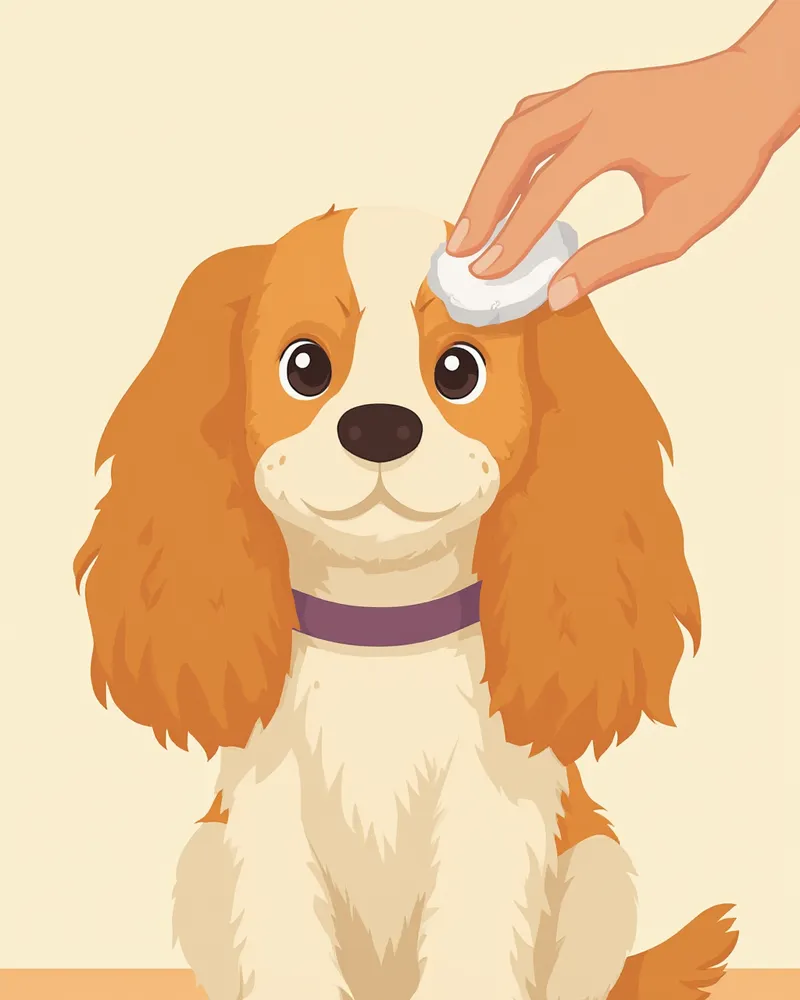
Do not insert cotton swabs deep into the ear canal. Cocker Spaniels have L-shaped ears, so forcing a swab inside can push earwax further inward. Additionally, wiping with irritating solutions like alcohol or hydrogen peroxide can damage the inner ear mucosa, potentially worsening otitis externa. Always use a dog-specific ear cleaner and only clean the visible parts of the ear.
Step-by-Step Ear Care Method
Coat and Skin Care Methods
Home Grooming vs. Professional Grooming: How to Divide the Tasks
See These Signs? Go to the Vet Immediately
If you notice any of the following signs during grooming, take your pet to a veterinarian immediately: - Brown, yellow, or green discharge from the ears - Tilting the head to one side, frequent head shaking, or persistent scratching - A sour or foul odor coming from inside the ears - Red, bloodshot eyes or signs of pain and discomfort (as these may indicate an eye condition, immediate veterinary care is safer than attempting home diagnosis) - Coin-shaped rashes, discharge, or patches of hair loss on the skin Ear symptoms are especially important to address promptly, as untreated otitis externa can progress to otitis media, leading to more persistent and frequent recurrences. Early veterinary intervention is key.
Reviewed by a veterinarian

Dr. Tony — Punnawat Phongkittirak
VeterinarianA veterinarian who majored in veterinary medicine at Khon Kaen University, Thailand, and completed the IVSA program at North Carolina State University in the United States. Drawing on clinical experience at animal hospitals, he works in the pet healthcare field and is dedicated to building a digital care environment that connects pet parents with veterinarians.
Reviewed 2026-04-30
Frequently Asked Questions
How often should I groom my Cocker Spaniel?
How often should I clean my pet’s ears?
Is it okay to groom my pet at home?
How should I choose a shampoo that’s right for my Cocker Spaniel?
Share
Related Guides
Top 5 Medicated Dog Shampoos — For Pyoderma and Bacterial Infections

Veterinarian-Recommended Top 5 Medicated Shampoos for Canine Yeast Dermatitis — Relieves Itching and Greasiness

Top 5 Medicated Cat Shampoos Recommended by Veterinarians — Fungal Dermatitis and Fungal Care

Himalayan PKD Screening — Polycystic Kidney Disease Testing Schedule and Lifetime Management Guide
Bengal Regular Check-up Schedule — Age-Specific Checklist and Management of Common Diseases by Life Stage
7-Point Checklist for Bengal Cat Genetic Diseases — Complete Guide to Lifelong Care
Bengal Short-Hair and Rosette Grooming — From Shine Maintenance to Skin Health

Everything You Need to Know About Bengal Cat Health — Breed Characteristics, Nutrition, and Disease Management
Sphynx Genetic Conditions Checklist
Abyssinian Health Care Calendar — Age-Specific Checkups and Management of Common Diseases by Life Stage
References
[1] BSAVA Manual of Canine and Feline Dermatology, 4th Edition - Otitis Externa Chapter
[2] Clinical Atlas of Canine and Feline Ophthalmic Disease, 2nd Edition
[3] The Veterinary Workbook of Small Animal Clinical Cases, Case 30