Like
Share
멍실장
코카푸 건강 관리 (귀·눈·관절)

Cockapoo Health Care (Ears, Eyes, Joints)

Eye HealthBreed HealthMeongsiljang Veterinary Advisory Board

Cockapoos are a mixed breed that requires particular attention to ear, eye, and joint issues. Early detection and consistent care are key to ensuring a long, healthy life.

What Breed Is the Cockapoo?
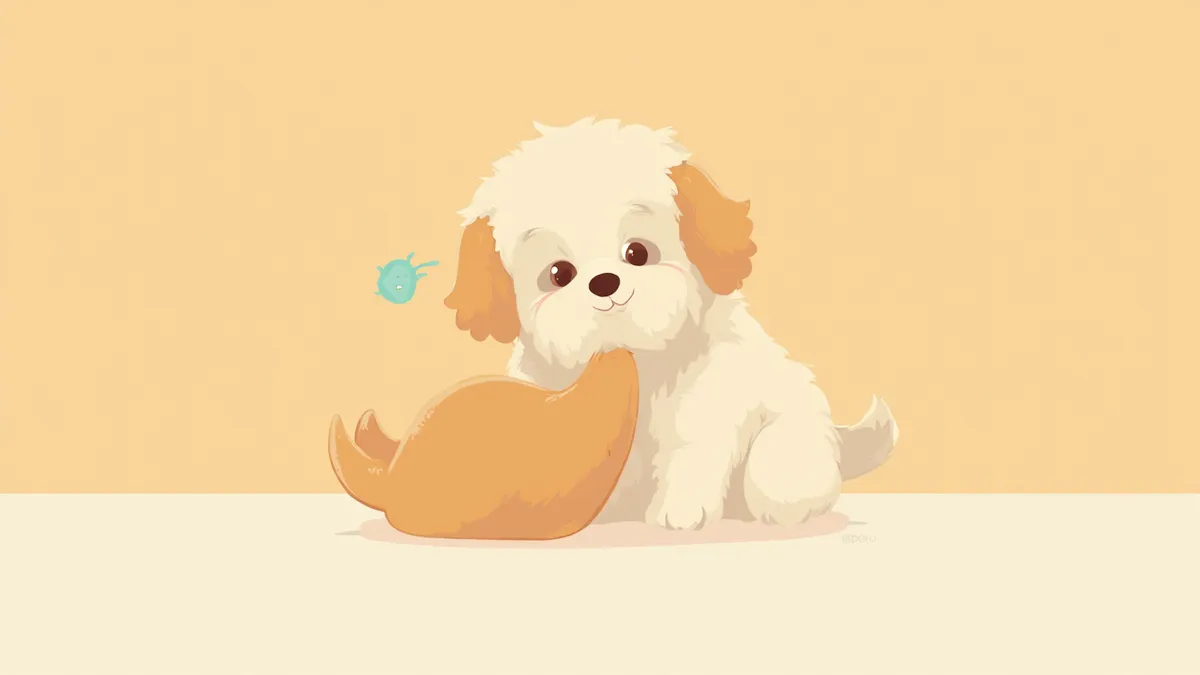
A Cockapoo undergoing a regular check-up with a veterinarian.
The Cockapoo is a small-to-medium mixed breed created by crossing a Cocker Spaniel and a Poodle. Intelligent and sociable, they are popular family pets, but they can inherit genetic predispositions for ear, eye, and joint issues from both parent breeds. The key is preventive care. Establishing habits like regular ear cleaning, eye check-ups, and weight management before symptoms appear is essential for extending their healthy lifespan.

Three Major Health Issues Cockapoos Need to Watch For

Cockapoos inherit certain vulnerabilities from their parent breeds.
Otitis externa: Their floppy ears and hairy ear canals, combined with moisture retained after bathing or swimming, create a warm, dark, and damp environment that makes them prone to bacterial and yeast (Malassezia) infections.
Ocular conditions: Be mindful of primary glaucoma, which has a known genetic predisposition, and other hereditary eye diseases such as progressive retinal atrophy (PRA), which can be inherited depending on the lineage.
Joint issues: Patellar (kneecap) problems have been reported in small- to medium-sized dogs. As weight increases, stress on the knees and hips can worsen, making consistent weight management essential.

Ear Health: Why Cockapoos Are Prone to Otitis Externa
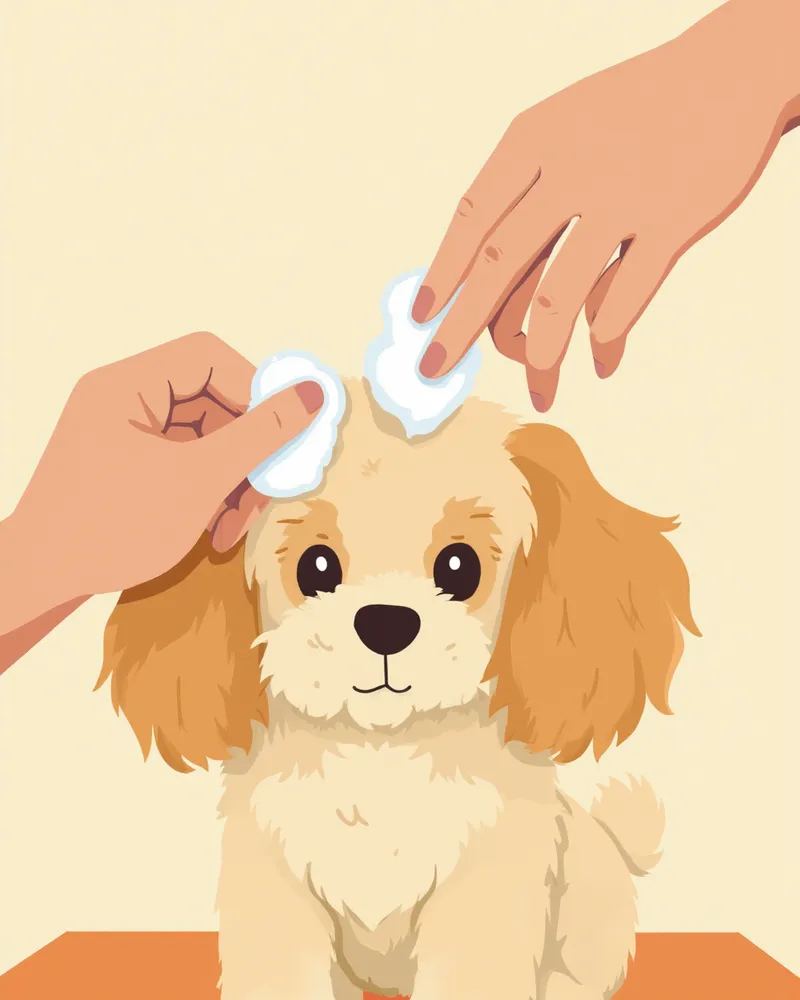
The floppy ears and hairy ear canals of Cockapoos restrict air circulation, creating a warm, moist, and dark environment. According to veterinary dermatology textbooks, Cocker Spaniel-type breeds are prone to rapid proliferation of ceruminous glands (ear canal glands), which can lead to excessive earwax production, thickening of the inner ear skin, and chronic inflammation. If left untreated, this condition can progress to a Pseudomonas aeruginosa infection, resulting in pus, a foul odor, and more difficult treatment.
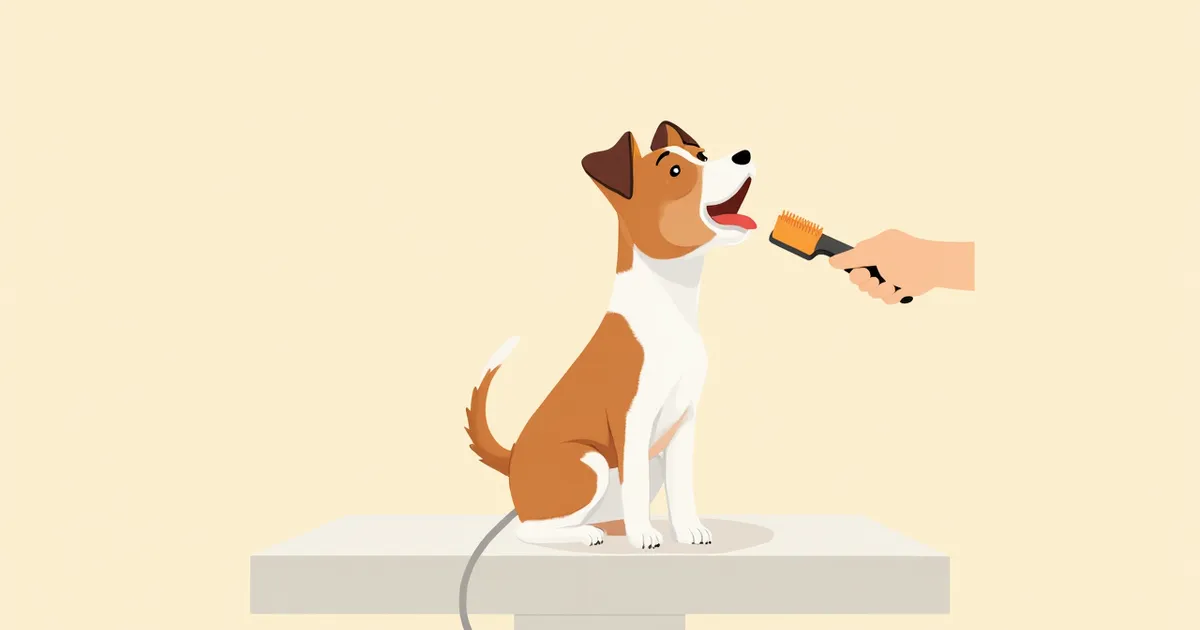
Gently caring for the floppy ears of a Cockapoo

Ear Signs That Require a Vet Visit

If any of the following signs persist for more than three days, seek veterinary care immediately: - Dark brown or yellow discharge or pus is visible in the ear. - A sour or foul odor emanates from the ear. - The pet repeatedly shakes its head or rubs one ear against the floor. - The pet shows severe pain or cries out when the ear is touched. - The ear flap is red and swollen. Home remedies such as wiping the ear with vinegar or hydrogen peroxide can worsen inflammation.

Eye Health: Ophthalmic Conditions Cockapoos Should Watch For
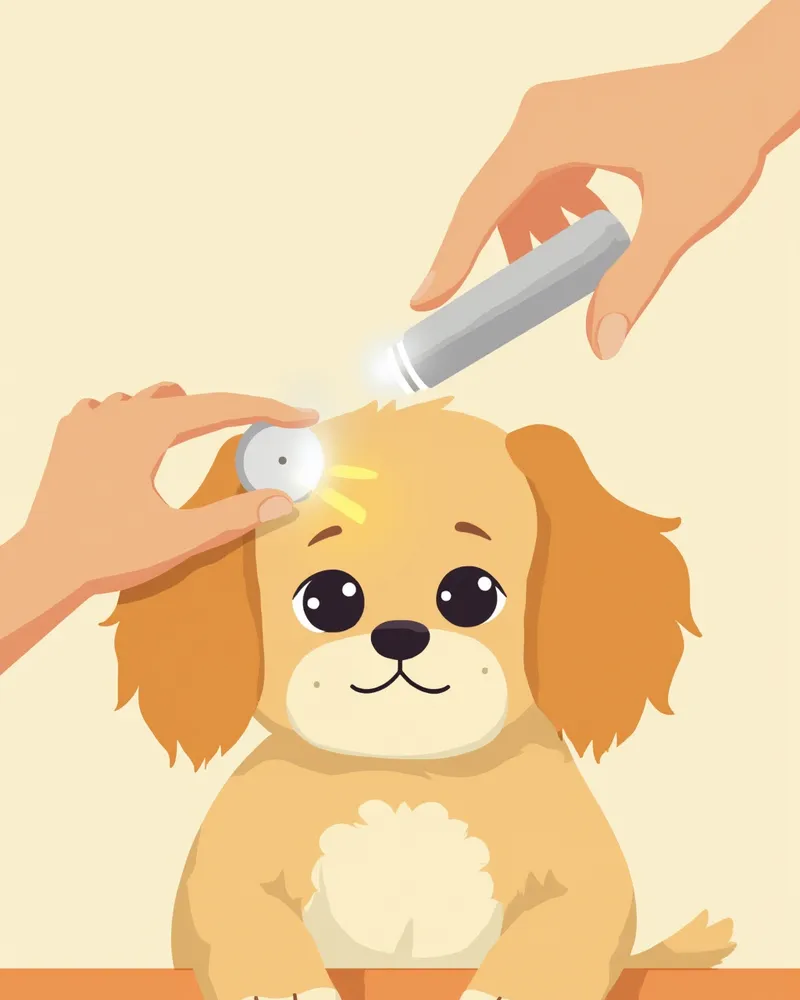
Cockapoos, inheriting their lineage from Cocker Spaniels, have a genetic predisposition to primary closed-angle glaucoma. According to veterinary ophthalmology textbooks, this condition often progresses slowly over several years before suddenly flaring up acutely within just a few hours. If your dog’s eyes suddenly become red and appear enlarged, or if the cornea turns bluish and cloudy, it is a medical emergency. The "golden time" to prevent vision loss is very short.
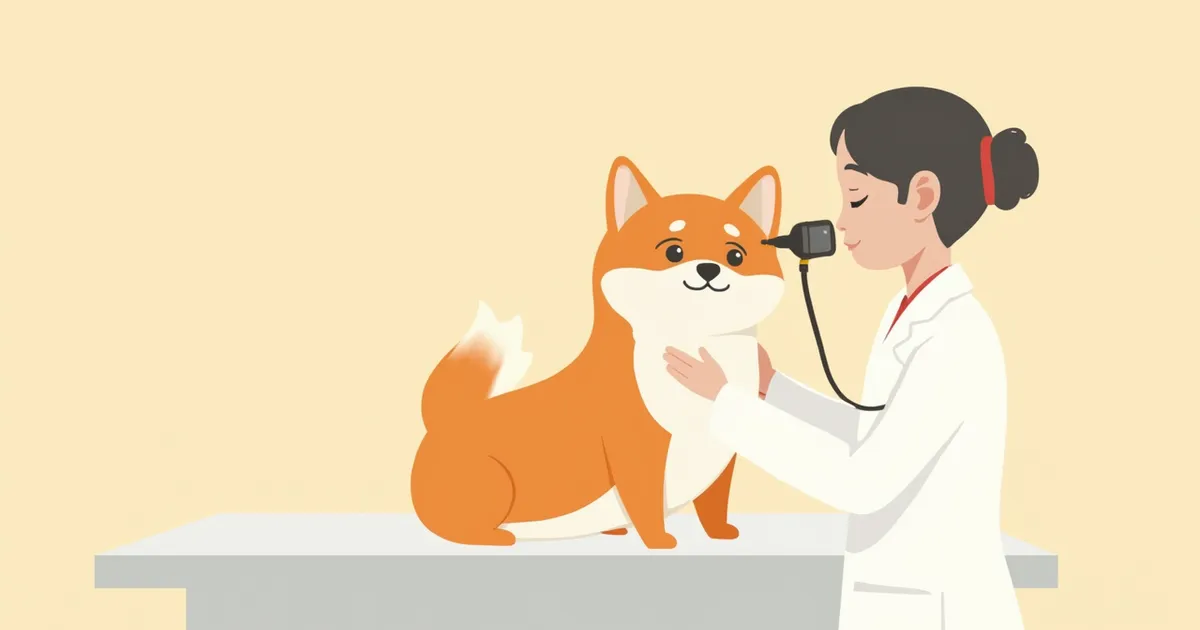
A veterinarian examining a Cockapoo's eyes

Glaucoma Emergency Signs — Go to the Vet Immediately

If you notice any of the following symptoms, take your pet to a veterinary clinic or an ophthalmology specialist immediately (within a few hours): - The eye appears larger than usual or bulging - The cornea looks bluish or cloudy - The sclera is severely bloodshot - Your pet keeps squinting or avoiding light - Your pet suddenly bumps into objects or seems disoriented Primary glaucoma can worsen rapidly within just a few hours. Delaying emergency treatment can damage the optic nerve and lead to permanent vision loss, so seek veterinary care without delay if you suspect these symptoms.

Joint Health: Patellar Luxation and Weight Management

Small-to-medium mixed-breed dogs like the Cockapoo can develop patellar luxation, a condition where the kneecap slips out of its normal position. In the early stages, it’s easy to miss because your dog may only occasionally lift a hind leg or limp for a step or two before returning to normal. If left untreated, the ongoing stress on the joint can lead to arthritis. Since gaining weight increases the strain on the knees and hips, it’s important to regularly monitor your dog’s weight and appropriately limit treats to maintain a healthy body weight.
A Cockapoo playing healthily on the grass.

Cockapoo Health Care Routine to Practice at Home

Here are some key care tips you can follow in your daily routine.
Ear Care: Clean the ears once or twice a week with a veterinarian-recommended ear cleaner, and remove any moisture from inside the ears after bathing.
Eye Care: Wipe away eye discharge and tear stains every morning, and schedule an ophthalmic examination every six months.
Joint Protection: Provide 20–30 minutes of walking daily, place mats on slippery floors, and discourage jumping and climbing stairs.
Weight Management: Weigh your pet once a month and maintain a condition where the ribs can be felt.
Diet: Feed age- and weight-appropriate food, and consider products containing omega-3 fatty acids.

Points Cockapoo Owners Often Miss

Because the parent breeds vary so much, individual differences can be significant. Some Cockapoons inherit more Poodle traits and have fewer ear issues, while others lean toward Cocker Spaniel characteristics and are more prone to both ear and eye problems. It’s a good idea to review the health screening results of the parent dogs (including PRA genetic testing, patellar luxation grading, and ophthalmologic exams) before adoption. Scheduling an annual comprehensive health checkup along with specialized eye and joint exams greatly increases the chances of early detection.

Reviewed by a veterinarian

Dr. Tony — Punnawat Phongkittirak

Dr. Tony — Punnawat Phongkittirak

Veterinarian

A veterinarian who majored in veterinary medicine at Khon Kaen University, Thailand, and completed the IVSA program at North Carolina State University in the United States. Drawing on clinical experience at animal hospitals, he works in the pet healthcare field and is dedicated to building a digital care environment that connects pet parents with veterinarians.

Frequently Asked Questions

How often should you clean a Cockapoo’s ears?
Once or twice a week is sufficient. After swimming or bathing, be sure to remove any moisture from inside the ear canal. Over-cleaning or using harsh, corrosive cleansers can irritate the ear and lead to inflammation, so it’s best to gently maintain ear hygiene with products recommended by your veterinarian.
Are Cockapoos prone to cataracts?
Cataracts can occur in many dog breeds, so Cockapoos should be monitored closely. We recommend regular eye exams starting in middle age. If your dog seems to have blurred vision—such as bumping into walls or showing fear of stairs—please have them examined promptly.
Is surgery always necessary for patellar luxation?
The treatment approach depends on the severity of the dislocation and the symptoms. In mild cases, the condition can often be managed with weight control, muscle-strengthening exercises, and joint care. However, if the dislocation is severe or causing significant pain, surgery may be considered. For an accurate assessment of the grade and to determine the best course of treatment, consulting with a board-certified orthopedic specialist is recommended.
How do I know the ideal weight for a Cockapoo?
Body Condition Score (BCS) is more accurate than breed standards. Ideally, you should be able to see a waistline when viewing your pet from the side, and feel their ribs without seeing them. We recommend having your BCS checked at the clinic.
When is the best time to start giving joint supplements?
If your dog has been diagnosed with patellar luxation or is senior, you may want to consider a joint-support supplement. However, the ingredients and dosage should be tailored to your pet’s individual condition, so be sure to consult your veterinarian before starting any new supplement.

Share

Related Guides

References

[1] BSAVA Manual of Canine and Feline Dermatology, 4th Ed — Otitis Externa in Cocker Spaniels

[2] Clinical Atlas of Canine and Feline Ophthalmic Disease, 2nd Ed — Chapter 163: Primary Glaucoma

[3] The Veterinary Workbook of Small Animal Clinical Cases — Case 30: Primary Closed Angle Glaucoma in Cocker Spaniels

[4] Textbook of Small Animal Surgery (Slatter) — Patellar Luxation in Small Breed Dogs

This information is based on veterinary literature and does not replace diagnosis or treatment. Please consult a veterinarian for specific health concerns.

Metapet Co., Ltd. | CEO: Park Sung-yong | Business Reg. No. 417-88-02562 | Seoul, South Korea | Customer Center

Cockapoo Health Guide: Essential Ear, Eye & Joint Care | Meongsiljang