Like
Share
멍실장
시베리안 허스키 건강 관리 (피부·눈·갑상선)

Siberian Husky Health Guide (Skin, Eyes, Thyroid)

Skin & CoatBreed HealthMeongsiljang Veterinary Advisory Board

This breed health guide outlines the symptoms and care tips for common genetic skin, eye, and thyroid conditions in Siberian Huskies.

What Health Issues Are Siberian Huskies Prone To?
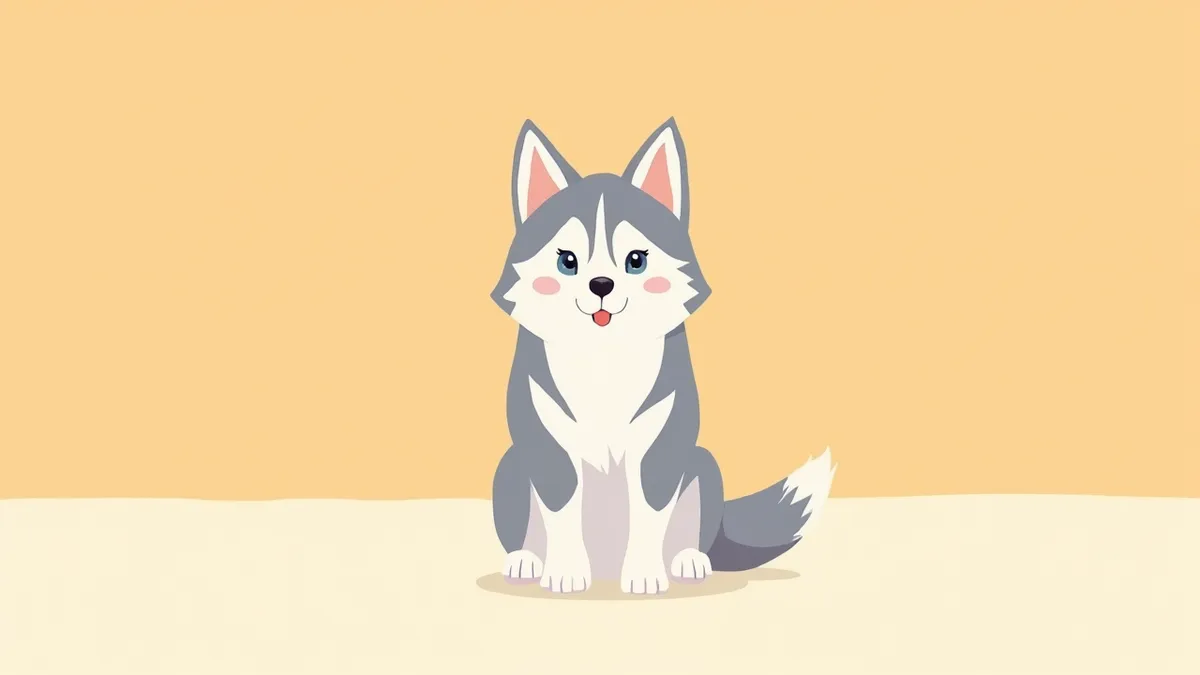
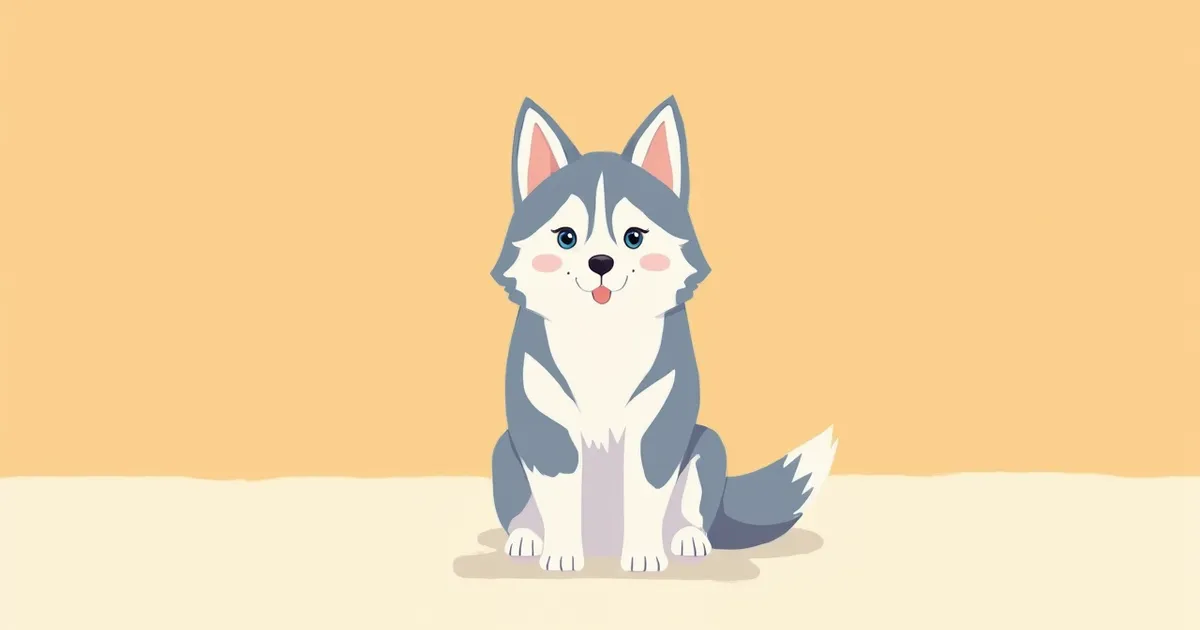
A healthy Siberian Husky with bright blue eyes
Siberian Huskies are a medium-to-large breed with a thick, double-layered coat, and they require particular attention to genetic conditions affecting the skin, eyes, and thyroid. Key areas to monitor include zinc-responsive dermatitis, hereditary cataracts, and hypothyroidism. Since symptoms often appear only after the condition has progressed significantly, it’s important to have your Husky undergo a breed-specific health checkup at least once a year.

Top 5 Conditions to Watch for in Siberian Huskies

Zinc-responsive dermatitis: A skin condition caused by insufficient zinc absorption, leading to crusting and flaking around the nose, mouth, and paw pads. It is particularly common in northern breeds.
Hereditary cataracts: A condition in which the lens of the eye becomes cloudy, resulting in vision loss. Huskies can develop this at a young age, making early screening essential.
Hypothyroidism: An endocrine disorder caused by insufficient secretion of thyroid hormones, leading to symptoms such as weight gain, hair loss, and lethargy.
Progressive retinal atrophy: A hereditary eye disease in which the retina gradually degenerates, causing vision loss that typically begins with night blindness.
Follicular dysplasia: A skin condition characterized by repeated hair loss in specific areas due to abnormalities in the structure of the hair follicles.

Skin Conditions — Zinc Deficiency and Follicular Abnormalities
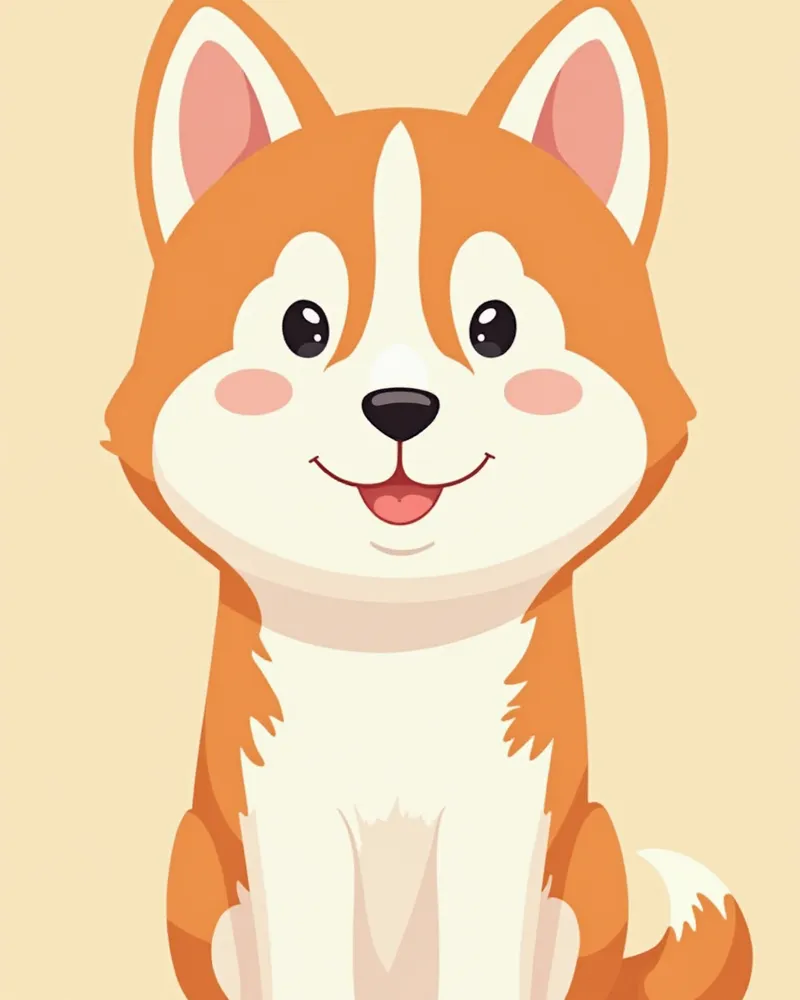
The most common skin issue in Huskies is zinc-responsive dermatitis. Due to a genetic deficiency in zinc absorption, these dogs cannot properly absorb zinc even when their diet contains adequate amounts. According to veterinary dermatology textbooks, Arctic breeds, including Huskies, exhibit a breed-specific zinc absorption disorder. This condition is characterized by redness, hair loss, crusting, and thickened skin on pressure points such as the muzzle, around the eyes and ears, the genital area, and the paw pads. Follicular dysplasia is a condition where structural abnormalities in the hair follicles themselves cause hair to become thin or fall out in specific areas. It typically begins on the sides of the torso and is characterized by non-itchy hair loss. Both conditions can be definitively diagnosed through skin biopsies.
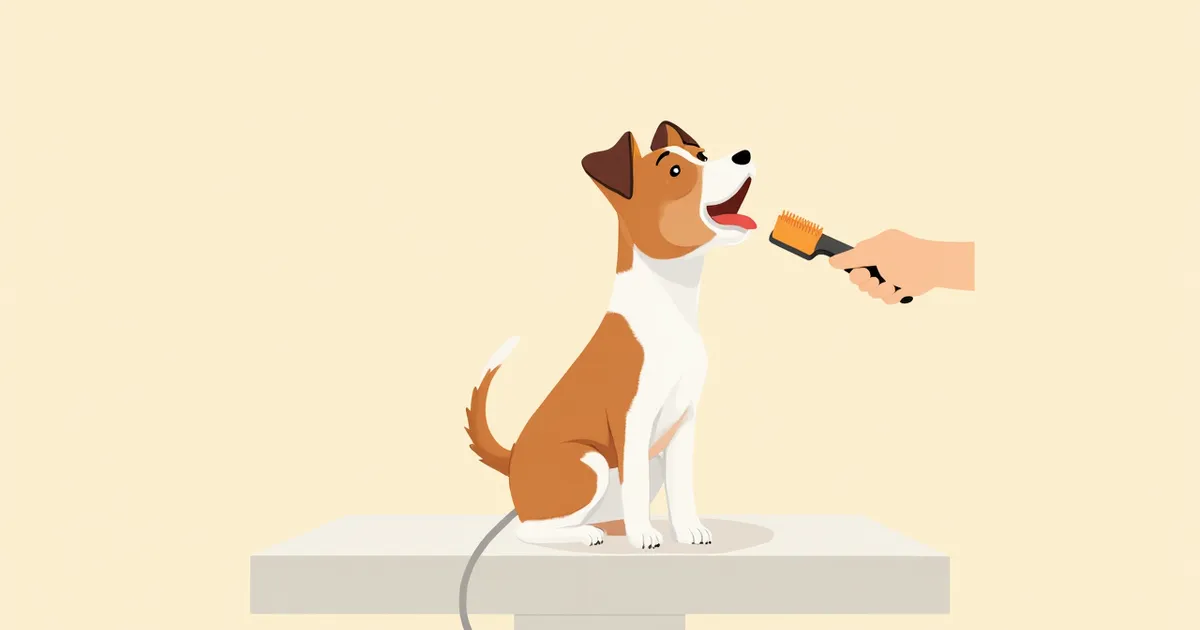
Close-up of the skin around the nose and mouth of a Siberian Husky

Eye Conditions — Cataracts and Retinal Atrophy
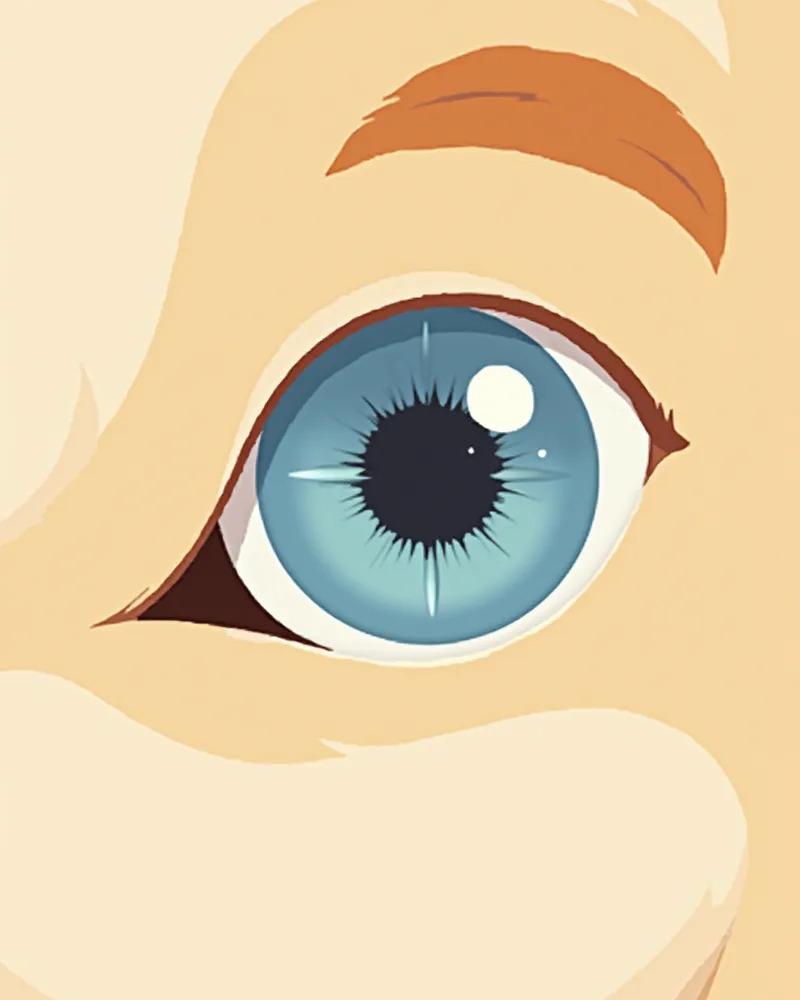
Hereditary cataracts can occur in several breeds, including Huskies. According to veterinary ophthalmology textbooks, cataracts are a condition in which the lens becomes cloudy, with genetic factors being the most common cause. Because they can develop at a young age, early screening is important. In the early stages, they may appear as small white spots within the pupil, but as the condition progresses, the entire lens becomes cloudy. Cataracts can affect one eye or both, and they may also occur alongside progressive retinal atrophy. Progressive retinal atrophy is a disease in which retinal cells gradually die, leading to vision loss. In the early stages, dogs may have difficulty seeing in dim light, but as the condition advances, their field of vision narrows even in daylight. If you are planning to breed your dog, we recommend consulting with your veterinarian beforehand about the risk of hereditary eye diseases.
Close-up of a Siberian Husky’s bright blue eyes

Hypothyroidism — Don’t Miss the Signs of Slowing Metabolism

Hypothyroidism is a condition in which reduced secretion of thyroid hormones slows down the body’s overall metabolism. According to veterinary internal medicine textbooks, this disease tends to occur mainly in middle-aged medium- to large-breed dogs, and caution is warranted regarding the risk of onset in medium- to large breeds such as Huskies.
Weight gain: Your dog starts gaining weight despite no change in food intake.
Coat changes: Hair loss occurs symmetrically on both sides of the body, and the new hair that grows in is coarse and dry.
Lethargy: Your dog may dislike walks or show little interest in moving around.
Skin changes: The skin may become thickened or darker in color.
A blood test to check thyroid hormone (T4) levels provides important evidence for diagnosis, and hormone replacement therapy is then carried out according to your veterinarian’s prescription. The veterinarian determines the dosage based on your dog’s body weight.

Seek Veterinary Care Immediately If You Notice These Symptoms

If your pet’s nose or paw pads are severely cracked and bleeding, if their eyes suddenly become cloudy, or if they gain weight without cause and become lethargic, seek veterinary care immediately. Since weight changes and hair loss associated with hypothyroidism typically develop gradually, don’t dismiss any unusual changes—have them checked promptly. In particular, to protect your pet’s vision, it’s crucial to have an ophthalmologic examination as soon as possible if you notice any eye symptoms, before the condition progresses.

Siberian Husky Health Care Checklist
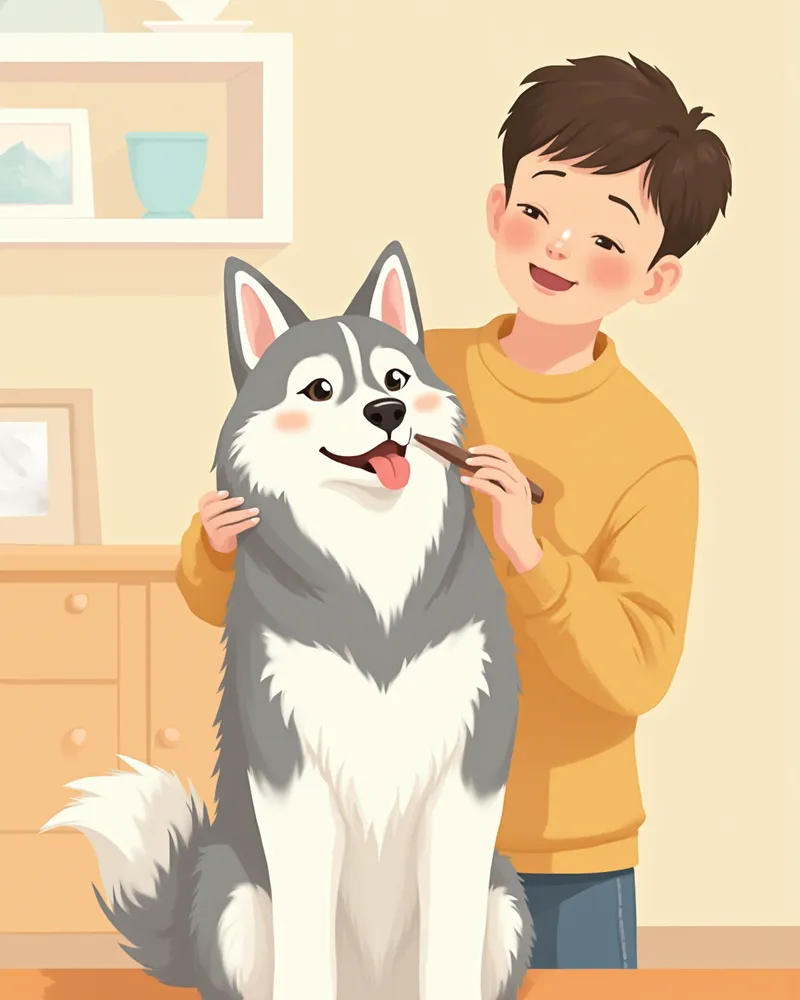
Regular eye exams: Annual veterinary ophthalmic examinations can help detect cataracts and retinal atrophy at an early stage.
Zinc supplementation: After consulting with your veterinarian, providing zinc supplements can help maintain skin health. However, determining the dosage on your own can lead to zinc toxicity.
Thyroid level checks: From middle age onward, discuss with your veterinarian whether to include thyroid tests in regular blood work.
Coat care: Due to their double coat, heavy shedding during seasonal changes is normal. However, if hair loss is circular and localized to specific areas, follicular dysplasia should be suspected.
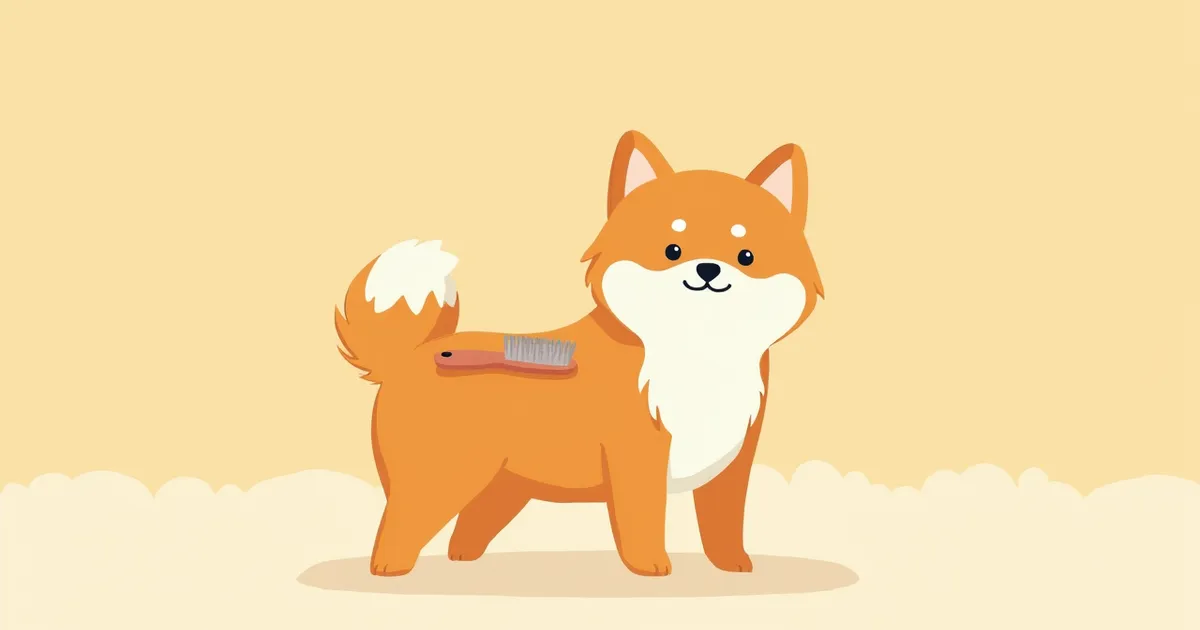
A guardian brushing a Siberian Husky's fur

Additional Tips for Husky Owners

Huskies are a highly active breed, so it’s important to support their joint health as well. For medium- to large-sized, active breeds, it’s best to have a veterinarian evaluate any signs of joint issues, such as limping or difficulty standing. Additionally, Huskies are sensitive to heat, so during the summer months, skin conditions can worsen; be sure to carefully manage indoor temperatures.

Reviewed by a veterinarian

Dr. Tony — Punnawat Phongkittirak

Dr. Tony — Punnawat Phongkittirak

Veterinarian

A veterinarian who majored in veterinary medicine at Khon Kaen University, Thailand, and completed the IVSA program at North Carolina State University in the United States. Drawing on clinical experience at animal hospitals, he works in the pet healthcare field and is dedicated to building a digital care environment that connects pet parents with veterinarians.

Frequently Asked Questions

My Husky has scabs around its nose. Could it be a zinc deficiency?
It could be zinc-responsive dermatitis. If you notice recurring redness, scabs, or flaking on pressure points like the face around the nose and mouth, around the eyes, around the ears, the genital area, or the paw pads, please consult your veterinarian for a skin biopsy. Unlike simple dryness, zinc malabsorption requires supplementation.
My husky’s eyes look cloudy—could it be cataracts?
Hereditary cataracts are the most common type, caused by genetic factors, and can appear at a young age in several breeds, including Huskies. If your pet’s eyes look cloudy, schedule a veterinary ophthalmology exam as soon as possible.
My husky has suddenly gained weight and is shedding excessively. Why is this happening?
This is a classic sign of hypothyroidism. If your pet’s weight is increasing despite no change in appetite, and they’re losing hair symmetrically on both sides of their body, it’s a good idea to check their thyroid levels with a blood test.
What should be included in a Husky’s health checkup?
In addition to a basic blood test, we recommend including an ophthalmologic examination (for cataracts and retinal health), thyroid hormone levels, and a skin assessment. The timing and frequency of these check-ups should be determined in consultation with your veterinarian, based on your pet’s individual health status.

Share

Related Guides

References

[1] Miller WH, Griffin CE, Campbell KL. Muller and Kirk's Small Animal Dermatology, 7th Ed. Elsevier, 2013. Chapter 14: Nutritional Skin Diseases.

[2] Gelatt KN, Gilger BC, Kern TJ. Veterinary Ophthalmology, 6th Ed. Wiley-Blackwell, 2021. Chapter 20: Diseases of the Lens.

[3] Ettinger SJ, Feldman EC, Côté E. Textbook of Veterinary Internal Medicine, 8th Ed. Elsevier, 2017. Chapter 287: Hypothyroidism.

[4] White SD, Bourdeau P, Rosychuk RA, et al. Zinc-responsive dermatosis in dogs: 41 cases and literature review. Vet Dermatol. 2001;12(2):101-109.

[5] Rubin LF. Inherited Eye Diseases in Purebred Dogs. Williams & Wilkins, 1989.

This information is based on veterinary literature and does not replace diagnosis or treatment. Please consult a veterinarian for specific health concerns.

Metapet Co., Ltd. | CEO: Park Sung-yong | Business Reg. No. 417-88-02562 | Seoul, South Korea | Customer Center

Siberian Husky Health: Skin, Eye & Thyroid Conditions | Meongsiljang