
Like
Share
멍실장
파피용 건강 관리 — 슬개골·심장·치석 3대 주의 질환 총정리

Papillon Health Management: A Complete Guide to the Top 3 Concerns — Patellar Luxation, Heart Disease, and Dental Tartar

HeartBreed HealthMeongsiljang Veterinary Advisory Board

Our veterinary advisory team has compiled the causes, symptoms, and management strategies for common Papillon health issues, including patellar luxation, mitral valve disease, and dental tartar.

What Health Issues Should Papillon Owners Watch For?

A healthy Papillon standing on the grass
Papillons are a charming small breed known for their large, butterfly-like ears, but they require careful attention to health issues common in small dogs, such as patellar luxation, heart disease, and dental tartar. The most crucial step is early screening. Patellar luxation, mitral valve disease, and dental tartar are the three most prevalent health concerns in Papillons, and catching them early makes management significantly easier. Weighing only 2 to 5 kg, their small size places considerable strain on their joints and heart, while their densely packed teeth—a trait typical of small breeds—cause tartar to accumulate rapidly.

Top 3 Conditions Papillons Are Particularly Prone To

Patellar Luxation: This is a condition where the patella (kneecap) slips out of its normal position in the knee joint. It is common in small breeds like the Papillon, and if left untreated, it can lead to arthritis.
Mitral Valve Disease: This is a heart condition where the mitral valve doesn’t close properly, causing blood to flow backward. Papillons are at higher risk of developing this disease in their middle to senior years.
Tartar and Periodontal Disease: Small dogs like the Papillon have smaller jaws with tightly packed teeth, which makes tartar build up quickly. If not addressed, it can lead to gum inflammation, loose teeth, and even tooth loss.

Patellar Luxation — Symptoms and Management by Grade
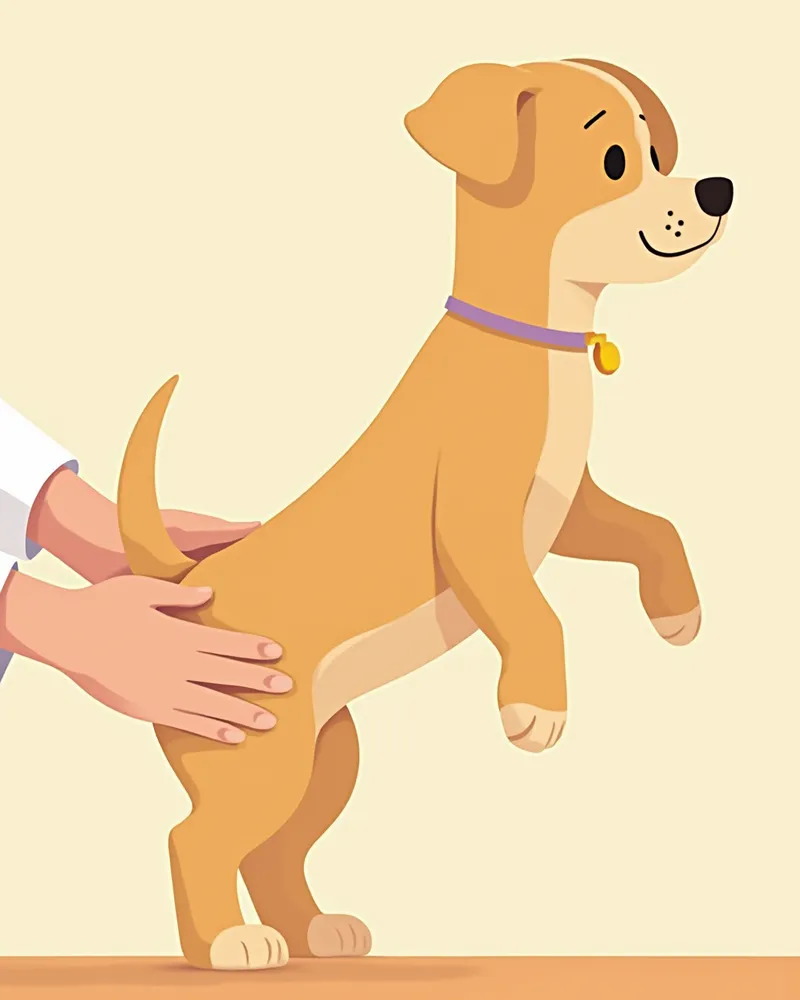
This is the most common orthopedic condition in Papillons. According to veterinary surgical textbooks, patellar luxation is classified into four grades, with management strategies varying by severity.
Grade 1: The kneecap can be manually displaced but immediately returns to its normal position. Spontaneous luxation does not occur, and knee joint flexion and extension remain normal. Management focuses on weight control and joint supplements.
Grade 2: The kneecap dislocates when the knee is bent and returns to place when the leg is extended. Surgery should be considered if symptoms recur.
Grade 3: The kneecap remains persistently dislocated but can be manually repositioned. Surgery is required in most cases.
Grade 4: The kneecap is permanently dislocated and cannot be manually repositioned. Surgery is mandatory.
A small dog getting its hind legs examined by a veterinarian

See These Symptoms? Visit the Vet Immediately

If your dog suddenly lifts a hind leg while walking, makes a clicking sound with each step, or repeatedly limps on one leg, you should suspect patellar luxation. In particular, if they frequently stop mid-walk and extend the affected leg backward, it may indicate Grade 2 or higher. Noticeable thinning of the hind leg muscles suggests the condition has already progressed, so please visit a veterinary clinic promptly.

Mitral Valve Disease — A Silent Heart Condition
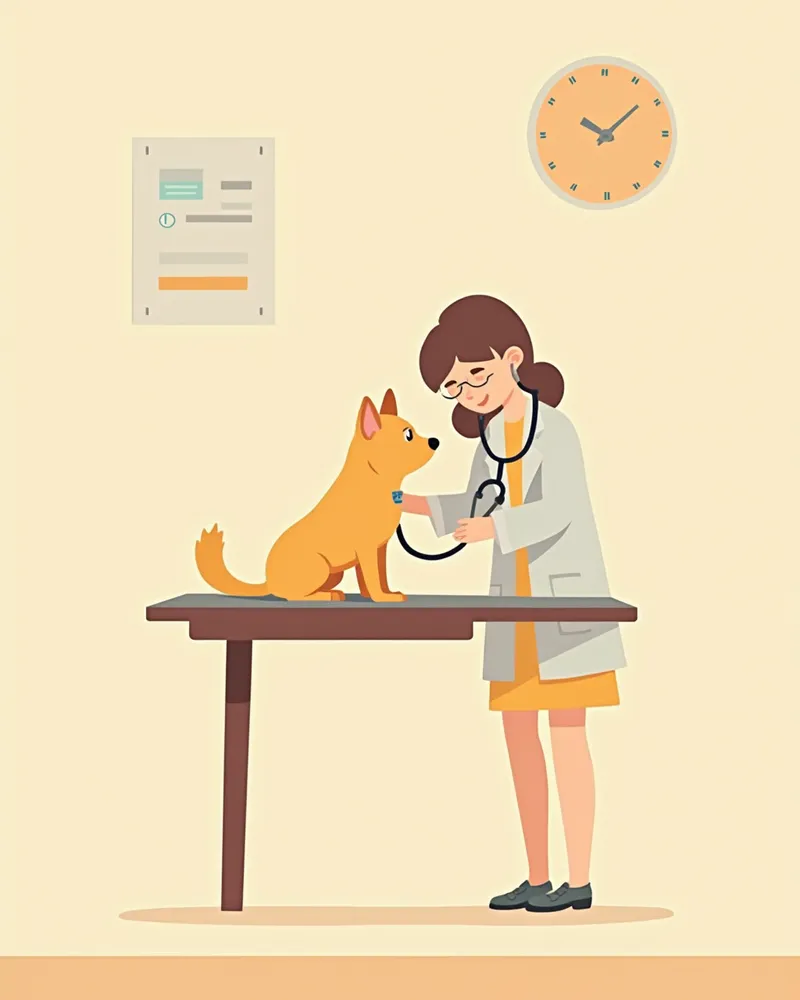
Small breeds, including Papillons, are prone to developing mitral valve disease (MMVD) as they enter middle and senior age. In the early stages, symptoms are often minimal, and the condition is frequently detected by a veterinarian hearing a heart murmur during auscultation.
Early signs: Panting more easily than usual or occasional mild coughing after exercise.
As it progresses: More frequent coughing, rapid breathing during sleep, and decreased appetite.
Severe cases: Purple discoloration of the tongue and gums, or sudden collapse.
Regular cardiac auscultation is essential for early detection of heart murmurs. As your dog ages, it is recommended to shorten the interval between check-ups.
A veterinarian auscultating the heart of a Papillon

Dental Tartar and Periodontal Disease — A Common Weakness in Small Breeds

Papillons have small jawbones, which results in tightly spaced teeth that easily trap food particles. When tartar builds up, it can lead to gingivitis, characterized by swollen and red gums. If left untreated, this can progress to periodontitis, causing loose teeth and eventual tooth loss.
Brushing Routine: Daily brushing is the most effective way to maintain oral hygiene. Use a toothbrush and toothpaste specifically designed for dogs.
Tartar Removal: Once tartar has hardened, it cannot be removed through brushing alone. Professional dental scaling, performed under general anesthesia by a veterinarian, is the recommended method for effectively removing tartar.
Check-up Frequency: Regular dental check-ups are essential to monitor the progression of tartar and periodontal disease, ensuring timely scaling when necessary.
Healthy dental condition in small-breed dogs

Key Points for Papillon Health Management

Weight Management: As a small breed, it’s important for Papillons to maintain a healthy weight and avoid becoming overweight. Excess weight can strain the joints and heart, so be mindful not to overfeed treats—limit them to no more than 10% of your dog’s daily caloric intake.
Joint Protection: Install stairs or ramps to prevent jumping from heights. Place mats on slippery floors to provide better traction.
Regular Check-ups: After reaching adulthood, schedule at least one comprehensive veterinary exam per year, and increase the frequency as your dog ages. Be sure to include patellar assessment, heart auscultation, and oral examinations.
Oral Care: Maintain dental health through daily brushing, supplemental dental chews, and regular professional cleanings to manage tartar buildup.

Signs Papillon Owners Often Miss

Papillons are lively and tend to hide pain, so owners often miss early signs of patellar luxation. If your dog occasionally lifts a leg while walking but then resumes normal gait, the condition may already be grade 2 or higher. Early-stage heart disease can also be mistaken for a common cold due to mild coughing. Keep track of even minor changes and share them with your veterinarian during check-ups.

Reviewed by a veterinarian

Dr. Tony — Punnawat Phongkittirak

Dr. Tony — Punnawat Phongkittirak

Veterinarian

A veterinarian who majored in veterinary medicine at Khon Kaen University, Thailand, and completed the IVSA program at North Carolina State University in the United States. Drawing on clinical experience at animal hospitals, he works in the pet healthcare field and is dedicated to building a digital care environment that connects pet parents with veterinarians.

Frequently Asked Questions

How much does patellar luxation surgery cost for a Papillon?
Surgical costs vary depending on the severity of the condition, the surgical technique used, and the clinic, so it’s difficult to provide a single fixed price. Since additional expenses may arise for preoperative diagnostic tests, we recommend getting consultations from two or three different clinics.
At what age should a Papillon start having heart examinations?
Annual wellness exams are recommended for all pets. If a heart murmur is detected during auscultation, further diagnostic testing, such as an echocardiogram, is necessary. Mitral valve disease often presents without symptoms in its early stages, making early detection through regular auscultation crucial. As pets age, it is advisable to shorten the interval between check-ups.
What should I do if my Papillon hates brushing its teeth?
Start by applying toothpaste to your finger and gently rubbing it along your dog’s gums. Dog-specific toothpaste is flavored with meat, which helps reduce resistance. If brushing remains challenging, you can use dental chews or oral sprays as supplementary aids, but regular professional dental cleanings are still essential.
Can a Grade 1 patellar luxation be managed without surgery?
Grade 1 is characterized by no spontaneous dislocation and normal knee joint flexion, so it’s typically managed without surgery through weight control and joint supplements. However, since the condition can progress to a higher grade, it’s important to regularly monitor for any signs of worsening through routine check-ups.

Share

Related Guides

References

[1] Fossum, T. W., Small Animal Surgery, 5th Ed, Chapter 33: Patellar Luxation, Elsevier, 2019

[2] Schaer, M., Clinical Medicine of the Dog and Cat, 4th Ed, CRC Press, 2022

[3] Tobias, K. M. & Johnston, S. A., Veterinary Surgery: Small Animal, 2nd Ed, Elsevier, 2018

[4] Tilley, L. P. & Smith, F. W. K., Blackwell's Five-Minute Veterinary Consult: Canine and Feline, 7th Ed, Wiley, 2021

[5] Gorrel, C., Veterinary Dentistry for the General Practitioner, 2nd Ed, Saunders, 2013

This information is based on veterinary literature and does not replace diagnosis or treatment. Please consult a veterinarian for specific health concerns.

Metapet Co., Ltd. | CEO: Park Sung-yong | Business Reg. No. 417-88-02562 | Seoul, South Korea | Customer Center

Papillon Health: Patellar Luxation, Heart Disease & Tartar | Meongsiljang