Like
Share
멍실장
포메라니안 알로페시아 X 완벽 가이드

The Complete Guide to Alopecia X in Pomeranians

Skin & CoatBreed HealthMeongsiljang Veterinary Advisory Board

We’ve put together a clear, easy-to-understand overview of the causes, symptoms, diagnosis, treatment, and management of Alopecia X in Pomeranians, tailored for pet owners.

What is Alopecia X in Pomeranians?
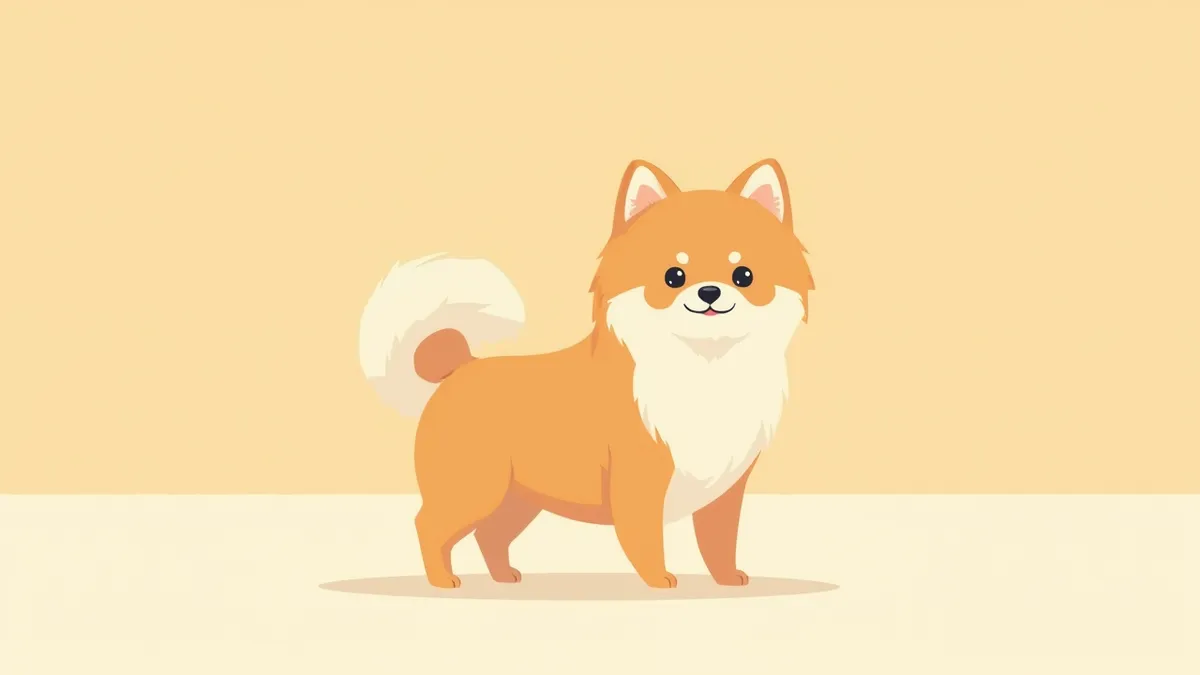
Pomeranian with Alopecia X
Pomeranian alopecia X is a hormonal hair-loss disorder of unknown cause, characterized by symmetrical hair loss and darkening of the skin. The most important thing to know is that it rarely causes itching or pain. Because of this, it’s often mistaken for a cosmetic issue, but if it’s not differentiated from other endocrine disorders (such as hypothyroidism and hyperadrenocorticism), an actual underlying disease could be missed. It is reported particularly frequently in Pomeranians, Pomes, and Spitz-type breeds.

Why Does It Frequently Occur in Pomeranians?

Alopecia X is primarily characterized by "hair cycle arrest," a condition where hair follicles fail to enter the growth phase (anagen) and become stalled. As a result, the loss of hair is persistent, and it does not regrow. While the exact cause remains unknown, genetic predispositions related to undiagnosed hormonal imbalances or intrinsic defects in the hair follicles themselves are suspected. A strong predisposition is suspected in Northern breeds with a plush coat, such as Pomeranians, Chow Chows, Samoyeds, and Alaskan Malamutes, as well as in Poodle-related breeds. Although it typically affects young adult dogs, it can also occur in older dogs, and it can develop regardless of sex or neuter status. The classic presentation begins with the loss of primary hairs in friction-prone areas, such as around the neck, tail, and the caudomedial aspect of the thighs, gradually progressing to the loss of primary hairs across the trunk, leaving the coat with a downy, wool-like appearance.

Checklist of Key Symptoms

Alopecia X has very distinctive symptoms. If your dog shows two or more of the following signs, consider a dermatology consultation. - Symmetrical hair loss: Hair falls out evenly on both sides of the body, tail, and hindquarters. - Hyperpigmentation: The skin in the affected areas darkens to gray or black. - Wool coat: The primary guard hairs fall out first, leaving only the soft undercoat, which gives the coat a cotton-ball-like appearance. - Sparing of the head and limbs: Hair on the face and paws remains intact. - No itching: There is little to no scratching or licking.
Typical skin hyperpigmentation in Alopecia X

When to See a Vet Immediately

If you notice itching, flaking, oozing, or pus, or if your pet is drinking excessive amounts of water and urinating more frequently, or if their abdomen appears distended and pendulous, it is unlikely to be Alopecia X. Conditions such as hyperadrenocorticism (Cushing’s disease), hypothyroidism, and sex hormone-related disorders must be ruled out first. Rather than dismissing the symptoms as simple hair loss, it is safest to begin with blood and hormone tests.

How Is the Diagnosis Made?
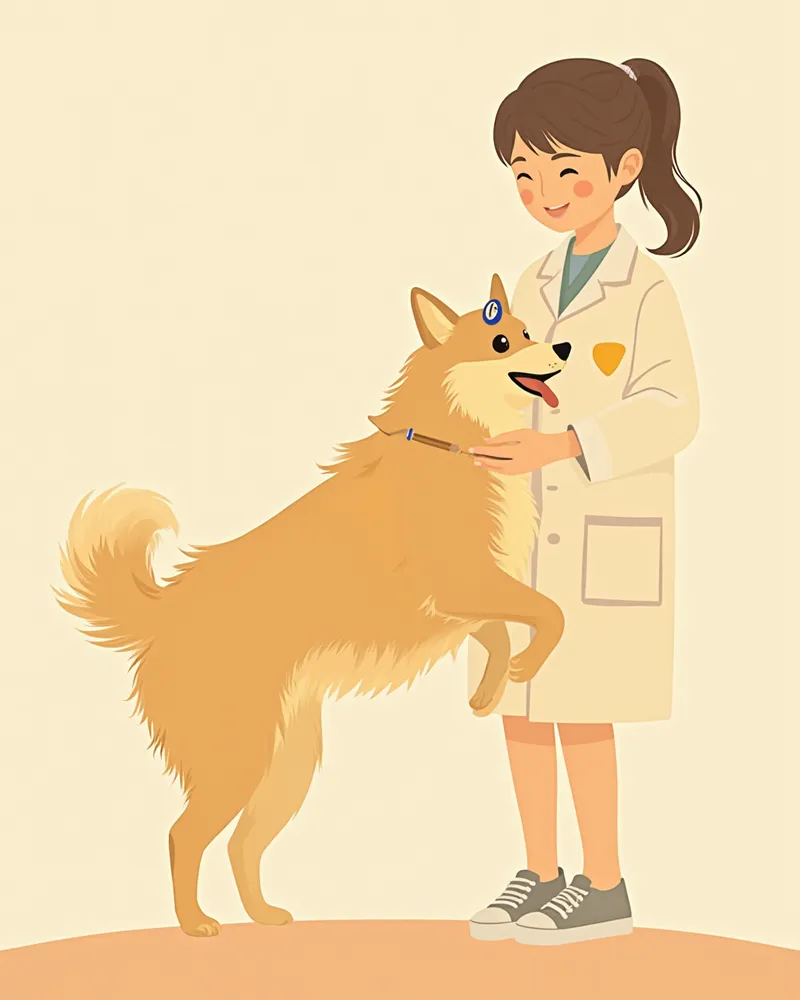
Alopecia X is diagnosed by exclusion. Based on the patient’s history and physical examination, we systematically rule out similar conditions to reach a definitive diagnosis. To differentiate from hypothyroidism, hyperadrenocorticism, hyperestrogenism, sebaceous adenitis, telogen effluvium, and other follicular dysplasias, we perform routine blood tests, thyroid hormone assays, and adrenal function tests (such as the ACTH stimulation test). If necessary, a skin biopsy is conducted to rule out sebaceous adenitis and to directly observe follicular morphology, such as the excessive keratinization characteristic of “flame follicles.” Skipping these differential steps risks missing endocrine disorders like Cushing’s disease, making thorough initial evaluation essential.
A veterinarian examining the skin of a Pomeranian.

Treatment Options: Management Over Cure

Alopecia X is not life-threatening, but since a definitive cure is often elusive, the cornerstone of treatment is staged management. The primary approaches include: - Neutering: This can be considered for intact dogs. However, because the condition can develop regardless of sex or neuter status, please discuss the potential benefits and risks thoroughly with your veterinarian before deciding. - Melatonin supplementation: Oral administration may stimulate hair regrowth, with the dosage determined by your veterinarian. - Oral trilostane: While used in some clinical settings, this option is not explicitly mentioned in standard textbook references, so consult your veterinarian carefully regarding its suitability for your pet. - Regrowth at sites of traumatic irritation: Hair regrowth has been observed in areas subjected to trauma, such as skin biopsy or abrasion sites.

Overview of Treatment Characteristics

ItemNeuteringMelatoninTrilostane
Hair regrowth response rate (reported)Large individual variationLarge individual variationUnclear (limited evidence)
Side effect riskLowLowModerate
Veterinary monitoring requiredFalseTrueTrue
Cost burdenOne-timeLowModerate to high

Response rates and side effects vary greatly by individual, so always consult your attending veterinarian.

How to Manage at Home
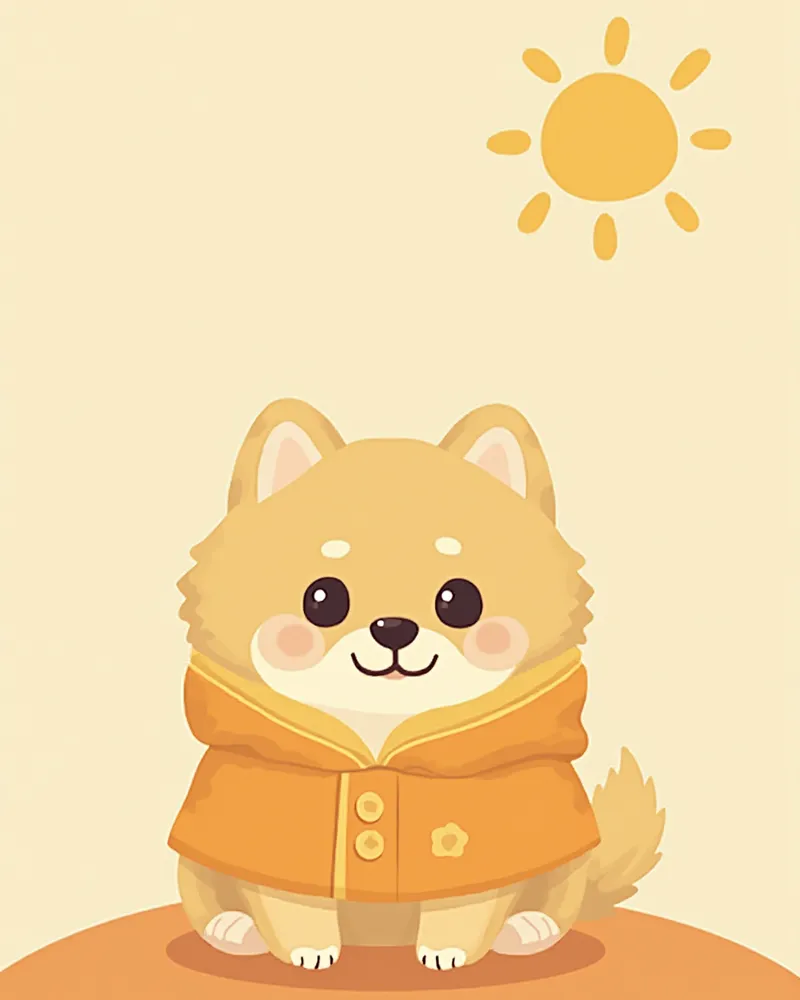
With Alopecia X, protecting the skin is the cornerstone of care, as hairless areas become vulnerable to sunburn and injury. - Sun protection: Avoid walks during peak midday hours and cover exposed areas with dog-specific clothing. - Moisturizing care: Prevent dry skin by using a gentle, low-irritant shampoo once or twice a week, followed by a conditioner formulated for dogs. - Weight management: Maintain a healthy weight, as obesity can strain the endocrine system and worsen hair loss. - Regular monitoring: Track changes by taking photos of the skin’s condition every 3 to 6 months.
Protecting Pomeranian Skin with Clothing

Key Points for Pomeranian Owners

Alopecia X tends to fluctuate, with periods of worsening and improvement over time. Even after hair regrows following treatment, relapse can occur one to two years later. Do not stop medication on your own simply because the response seems slow. In particular, trilostane directly affects adrenal function, so please administer it strictly according to the schedule prescribed by your veterinarian.

Reviewed by a veterinarian

Dr. Tony — Punnawat Phongkittirak

Dr. Tony — Punnawat Phongkittirak

Veterinarian

A veterinarian who majored in veterinary medicine at Khon Kaen University, Thailand, and completed the IVSA program at North Carolina State University in the United States. Drawing on clinical experience at animal hospitals, he works in the pet healthcare field and is dedicated to building a digital care environment that connects pet parents with veterinarians.

Frequently Asked Questions

Is Alopecia X contagious?
No, it's not. This condition stems from hormonal and hair follicle cycle abnormalities, so it's not contagious to other pets or humans.
Will the hair grow back?
Results vary from dog to dog. While partial regrowth is common after neutering or treatment with melatonin or trilostane, the coat may not fully return to its original density.
Will the darkened skin remain that way?
Changes in pigmentation vary from dog to dog. As hair regrows in the bald areas and reduces skin exposure, the skin may appear to improve, but in some cases, the pigmentation remains unchanged. It’s difficult to definitively say that the color will always lighten based solely on textbook knowledge, so it’s best to monitor the progress together with your veterinarian.
Can other breeds get it too?
Yes, it has been reported in plush-coated breeds such as Chow Chows, Samoyeds, Alaskan Malamutes, Keeshonds, and Miniature Poodles.
Can I manage it with supplements alone?
Supplements play a supportive role. It is safest to use them alongside a treatment plan prescribed by your veterinarian after ruling out hormonal disorders.

Share

Related Guides

References

[1] Miller WH, Griffin CE, Campbell KL. Muller and Kirk's Small Animal Dermatology, 7th Ed. Chapter on Endocrine and Metabolic Diseases

[2] Ettinger SJ, Feldman EC. Textbook of Veterinary Internal Medicine, 8th Ed. Alopecia X / Hair Cycle Arrest

[3] Frank LA. Growth hormone-responsive alopecia in dogs. Journal of the American Veterinary Medical Association, 2005

This information is based on veterinary literature and does not replace diagnosis or treatment. Please consult a veterinarian for specific health concerns.

Metapet Co., Ltd. | CEO: Park Sung-yong | Business Reg. No. 417-88-02562 | Seoul, South Korea | Customer Center

Alopecia X in Pomeranians: Causes, Symptoms & Treatment | Meongsiljang