
Like
Share
멍실장
보더콜리 건강 관리 가이드 – 관절·유전질환 예방과 관리법

Border Collie Health Care Guide – Prevention and Management of Joint and Genetic Diseases

JointBreed HealthMeongsiljang Veterinary Advisory Board

We’ve compiled information on genetic conditions commonly seen in Border Collies, such as hip dysplasia and Collie eye anomaly, along with tips for maintaining joint health.

How to Keep Your Border Collie Healthy for a Long Time

A Border Collie looking at the camera
Border Collies are intelligent and active, which means they require particular attention to genetic conditions affecting their joints and eyes. Common issues include hereditary eye disorders such as Collie Eye Anomaly, as well as joint problems like hip and elbow dysplasia. For some breeds, genetic and screening tests are available to detect these conditions early. In Border Collies, earlier detection through genetic testing and regular veterinary check-ups makes health management much easier. This guide outlines the key health concerns and care tips every Border Collie owner should know.

Top 5 Conditions to Watch for in Border Collies

Here’s a summary of conditions commonly seen in Border Collies.
Hip dysplasia: This condition occurs when the hip joint doesn’t fit together properly, leading to pain and lameness. Proper care during the growth phase is especially important.
Collie eye anomaly: A genetic disorder present at birth in which eye tissues develop abnormally. In severe cases, it can lead to retinal detachment.
Elbow dysplasia: This condition affects the front leg joints, causing limping or signs of pain.
Consult your veterinarian before administering medication: Because Border Collies are a breed with several reported genetic conditions, it’s safest to consult your vet before using any medication to ensure the treatment is appropriate for your dog.
Hereditary eye diseases: Genetic conditions that can affect eye tissues, including the retina, have been reported in this breed, so regular ophthalmic examinations are recommended.

Hip Dysplasia: How Can You Tell?

Hip dysplasia is a joint disorder caused by improper alignment between the thigh bone and the pelvis. While it is most commonly seen in large and giant breed dogs, it has also been reported in various other breeds, including Border Collies, so vigilance is important. You should suspect hip dysplasia if your dog limps on its hind legs, avoids climbing stairs, or struggles to stand up from a sitting position. Excessive exercise and overweight conditions during the growth period increase the risk of developing this condition, making weight management and appropriate exercise control crucial from puppyhood. According to veterinary textbooks, puppies that avoid overeating and maintain a lean body condition during their growth period have a lower incidence of hip dysplasia.
A side view of a Border Collie walking on the grass

Collie Eye Anomaly: Essential Screening
Collie eye anomaly is a congenital genetic disorder that affects Collie-type breeds, including Border Collies. Because the eye tissues do not develop normally from birth, it can lead to choroidal hypoplasia, retinal abnormalities, and in severe cases, retinal detachment. While most cases present with mild symptoms, some can impact vision, so it's best to have an ophthalmic exam done as early as possible in puppyhood. Genetic testing can also confirm the condition, making it important to check the breeding history and test results of the parent dogs before adoption.
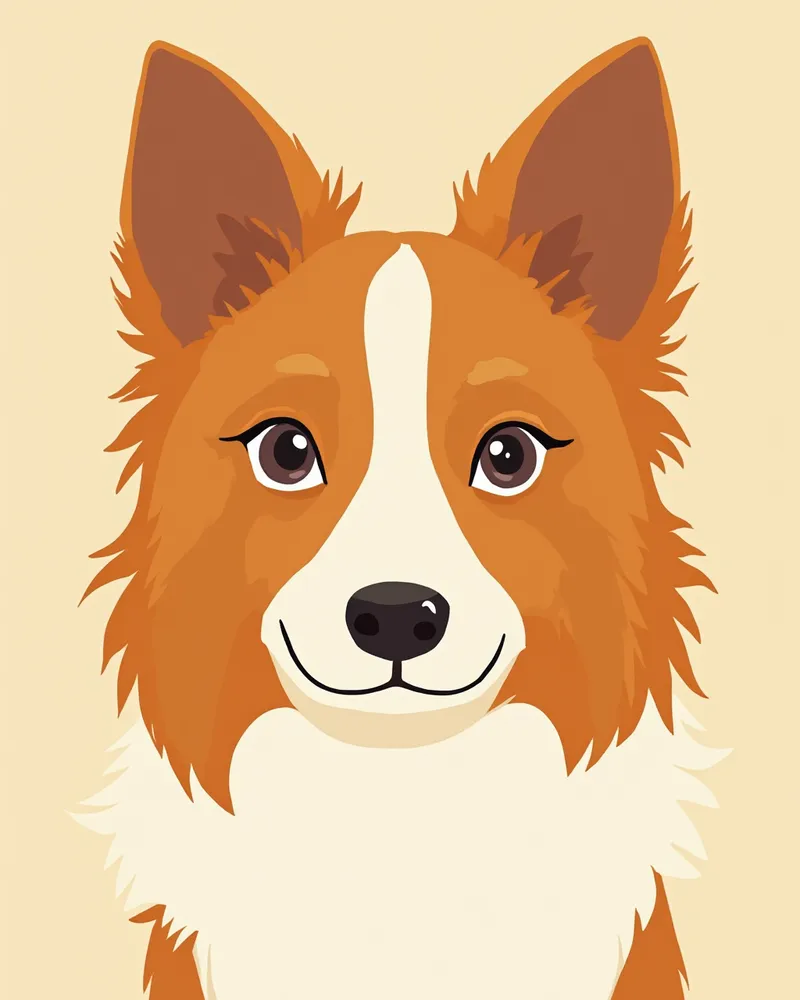
Close-up of a Border Collie's face

Genetic Testing: Be Sure to Check Before Adoption

Border Collies are known to be prone to several hereditary conditions, including genetic eye disorders such as Collie Eye Anomaly, as well as joint diseases like hip and elbow dysplasia. Therefore, it is essential to consult thoroughly with your veterinarian before starting any medication-based treatment to ensure the approach is appropriate for your dog’s specific condition. To help safeguard your pet’s health, always request the genetic test results of the puppy’s parents before adoption, and consider having your dog tested after bringing them home. This information will make it much easier to develop a proactive and personalized health care plan.

Elbow Dysplasia and Joint Health

Elbow dysplasia is a condition caused by uneven growth of the bones in the front limb joints. It can lead to lameness in relatively young dogs and may affect various breeds, including Border Collies. Typical signs include limping, reluctance to walk, and visible swelling around the joint. While X-rays can aid in diagnosis, advanced imaging such as arthroscopy, CT, or MRI is often required. Treatment options vary depending on the severity of symptoms, ranging from weight management and physical therapy to surgery. If left untreated, the condition can progress to osteoarthritis. To support joint health, it is essential to provide proper nutrition during the growth phase and avoid slippery flooring.
A Border Collie resting comfortably

Daily Health Care Points for Border Collies

Weight management: Excess weight is the leading cause of joint stress. It’s important to maintain a healthy body condition and weight through regular consultations with your veterinarian.
Exercise moderation: While Border Collies require plenty of exercise, excessive jumping and sharp turns during growth can strain their joints.
Regular check-ups: Schedule health exams once or twice a year to monitor joint and eye health.
Flooring environment: Placing non-slip mats on slippery hardwood or tile floors can help reduce stress on your dog’s joints.

Active Border Collies: One Thing to Watch Out For

Border Collies are a high-energy breed, so a lack of exercise can lead to stress. However, before they reach one year of age, their bones and joints are still developing, so avoid long-distance running or jumping from heights. Even after they become adults, it's a good idea to provide adequate warm-up exercises and cool-down stretches before and after physical activity.

Reviewed by a veterinarian

Dr. Tony — Punnawat Phongkittirak

Dr. Tony — Punnawat Phongkittirak

Veterinarian

A veterinarian who majored in veterinary medicine at Khon Kaen University, Thailand, and completed the IVSA program at North Carolina State University in the United States. Drawing on clinical experience at animal hospitals, he works in the pet healthcare field and is dedicated to building a digital care environment that connects pet parents with veterinarians.

Frequently Asked Questions

Where can I get a Border Collie genetic test?
Your veterinarian can perform tests by collecting a swab from the oral mucosa or drawing blood. There are also panel tests available to screen for genetic eye conditions, including those commonly seen in Collies, as well as other hereditary diseases. Please consult with your veterinarian for more information.
Is surgery always necessary for hip dysplasia?
In mild cases, conservative treatments such as weight management, controlled exercise, and physical therapy are often sufficient to manage the condition. However, if symptoms are severe or significantly impair your pet's daily life, your veterinarian may recommend surgery.
Will a Collie with eye abnormalities go blind?
Most Border Collies have only mild retinal hypoplasia, which doesn’t significantly interfere with their daily lives. However, in rare cases, retinal detachment can occur and affect vision, making early screening important.
When is the best time to start giving Border Collie joint supplements?
Joint-support supplements (nutraceuticals) are sometimes used as an adjunctive therapy for degenerative joint disease, but the clinical evidence supporting their efficacy is not yet conclusive. For the safest approach, always consult your veterinarian thoroughly before deciding when to start supplementation and which product to choose.

Share

Related Guides

References

[1] Esson DW, Calvarese S. Clinical Atlas of Canine and Feline Ophthalmic Disease, 2nd Edition. John Wiley & Sons, 2022. Chapter 134: Collie Eye Anomaly

[2] Lowe JK, Kukekova AV, Kirkness EF, et al. Linkage mapping of the primary disease locus for collie eye anomaly. Genomics. 2003;82(1):86-95

[3] Munyard KA, Sherry CR, Sherry L. A retrospective evaluation of congenital ocular defects in Australian Shepherd dogs in Australia. Vet Ophthalmol. 2007;10(1):19-22

[4] The Dog Care Handbook: Things I Wish My Vet Had Told Me. Chapter 7: Hip Dysplasia and Joint Health

This information is based on veterinary literature and does not replace diagnosis or treatment. Please consult a veterinarian for specific health concerns.

Metapet Co., Ltd. | CEO: Park Sung-yong | Business Reg. No. 417-88-02562 | Seoul, South Korea | Customer Center

Border Collie Health Care: Joint & Genetic Diseases | Meongsiljang