
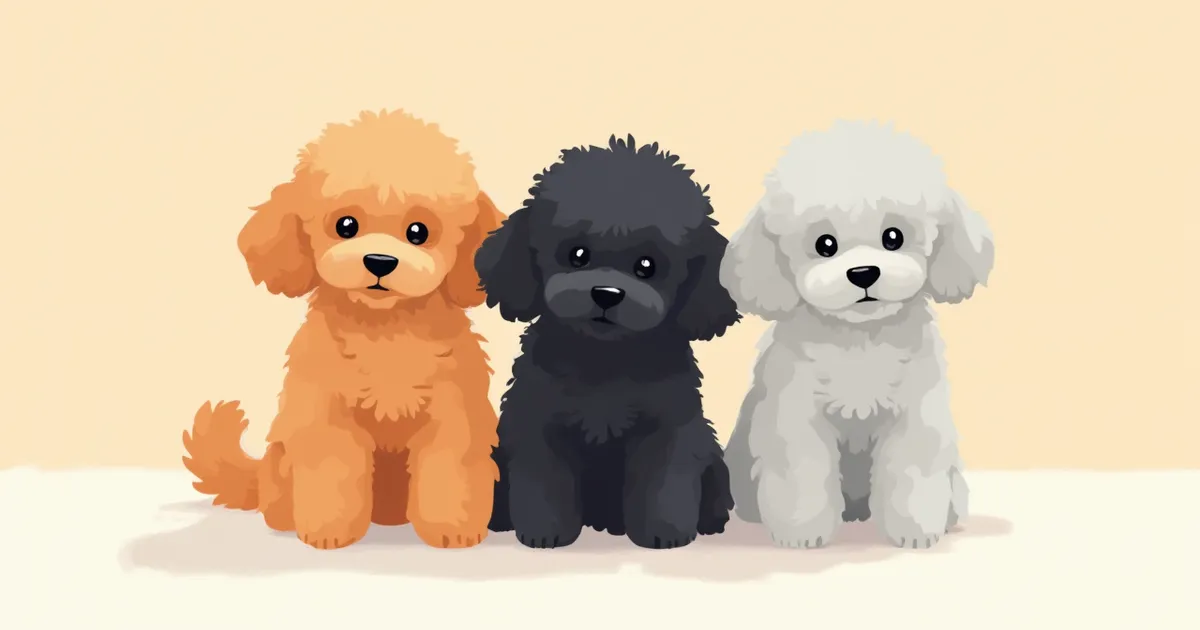
Differences by Poodle Coat Color (Apricot, Black, Silver)
We’ve outlined the genetic traits behind Poodles’ signature coat colors—apricot, black, and silver—along with skin and coat care tips tailored to each color.
What Is Poodle Coat Color? Basic Understanding of Apricot, Black, and Silver
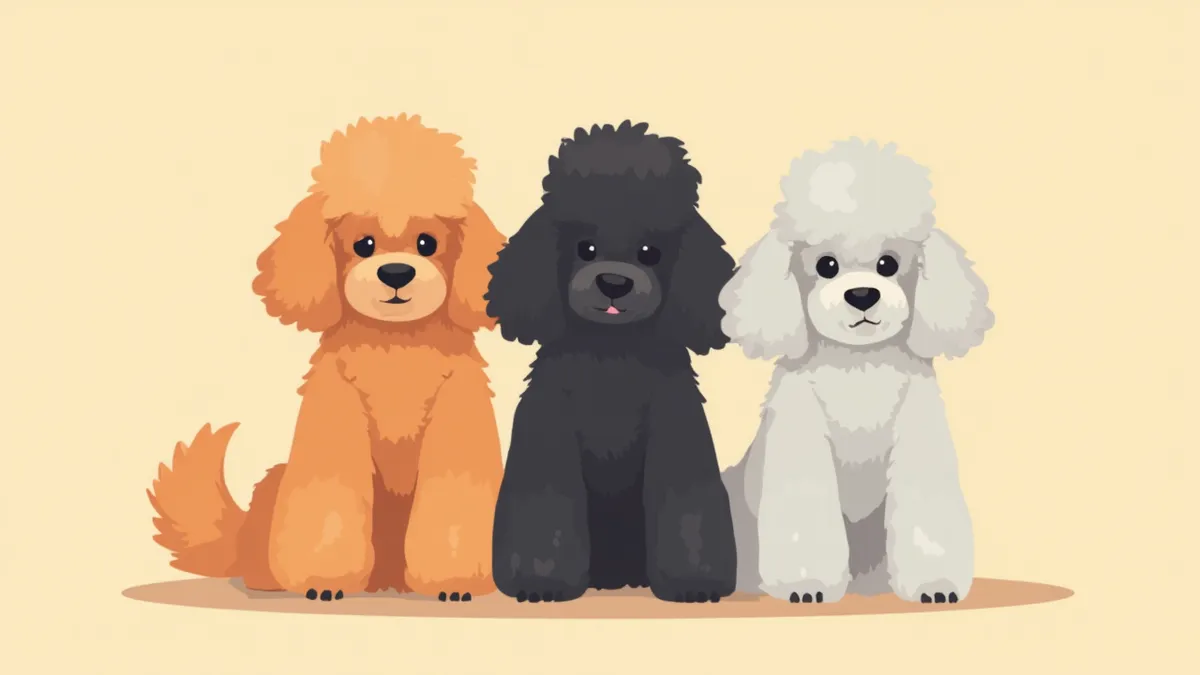
Principles of Poodle Coat Color Determination — Color Through Genetics
Comparison of Apricot, Black, and Silver Coat Colors
| Item | Apricot | Black | Silver |
|---|---|---|---|
| Representative color | Light apricot | Deep black | Silver-gray |
| Color change | Almost none | Reddish-brown fading possible depending on nutrition/UV exposure | Changes over several months to 1–2 years after birth |
| Tear stains | Prominent | Hardly visible | Moderate |
| Skin pigment | Light | Deep black | Dark gray |
| Care difficulty | High | Moderate | High |
Individual variation may occur.
Characteristics and Care Points for Apricot Poodles
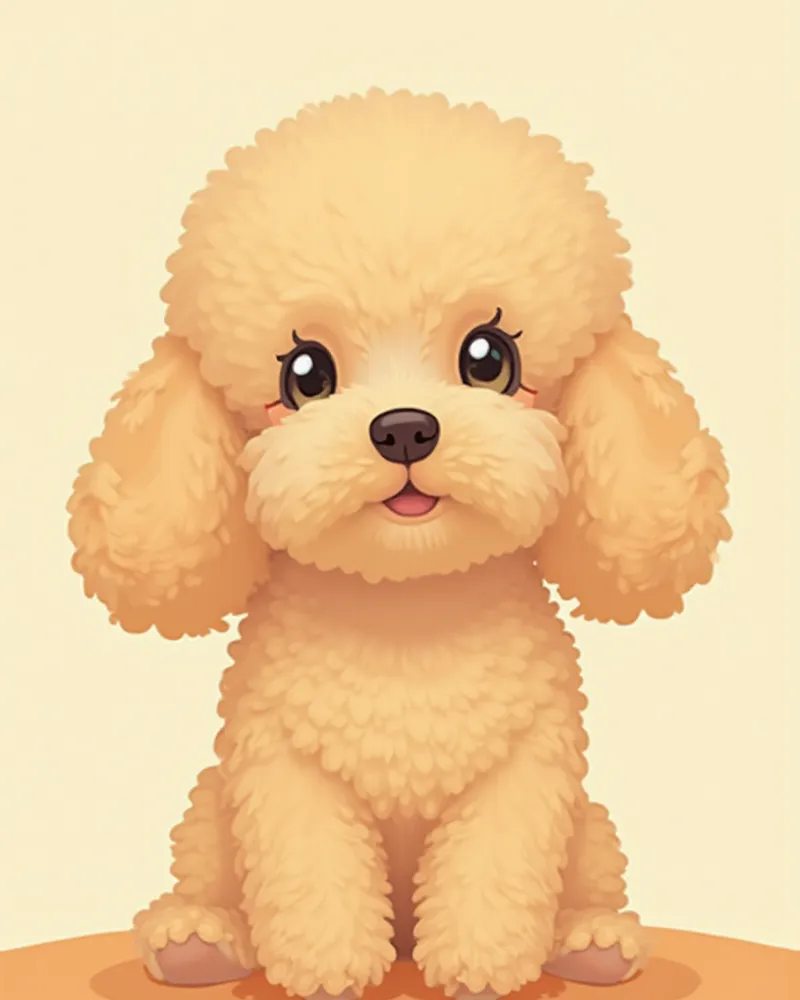
Characteristics and Care Points for Black Poodles
Characteristics and Care Points for Silver Poodles
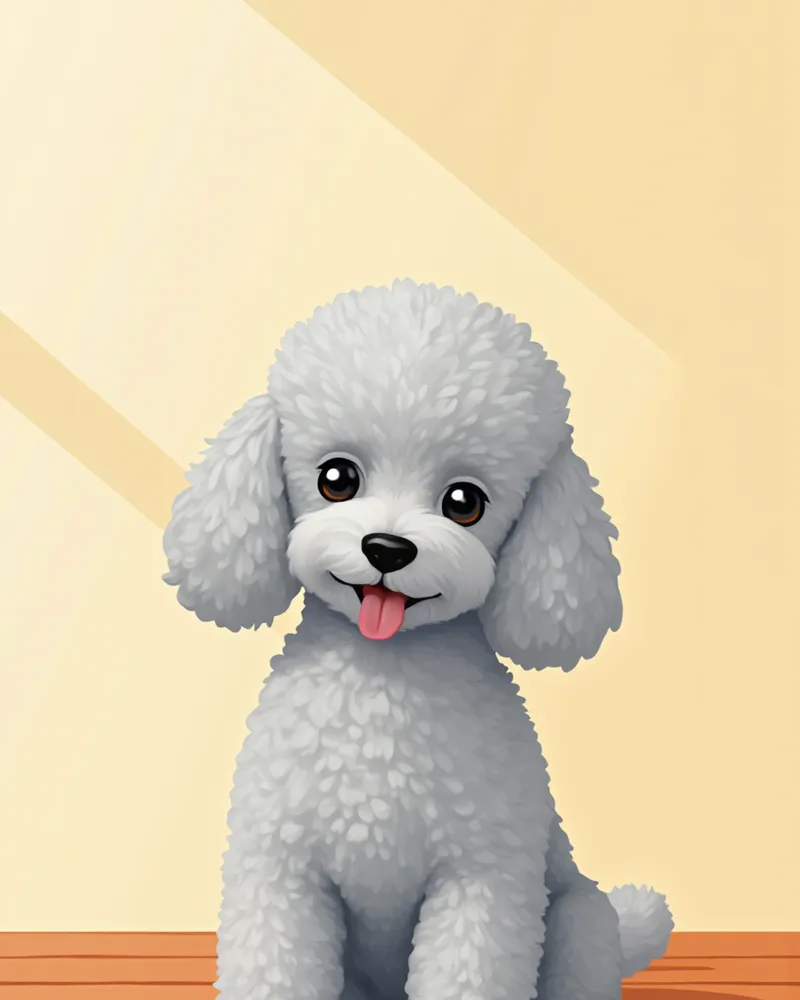
Skin Precautions by Coat Color
A dog’s coat color and texture can provide important clues to common skin and coat disorders. Dogs with black coats may develop black hair follicle dysplasia, while those with diluted colors like blue or fawn can be prone to color dilution alopecia. Breeds with abundant coats, such as Poodles, have been reported to suffer from alopecia X. Lighter coat colors like apricot or silver make skin rashes easier to spot, whereas black coats can delay the detection of skin abnormalities. Regardless of coat color, if you notice red discoloration of the hair, severe dandruff or odor, or increased scratching, immediate veterinary care is necessary.
Care Methods Common to All Coat Colors
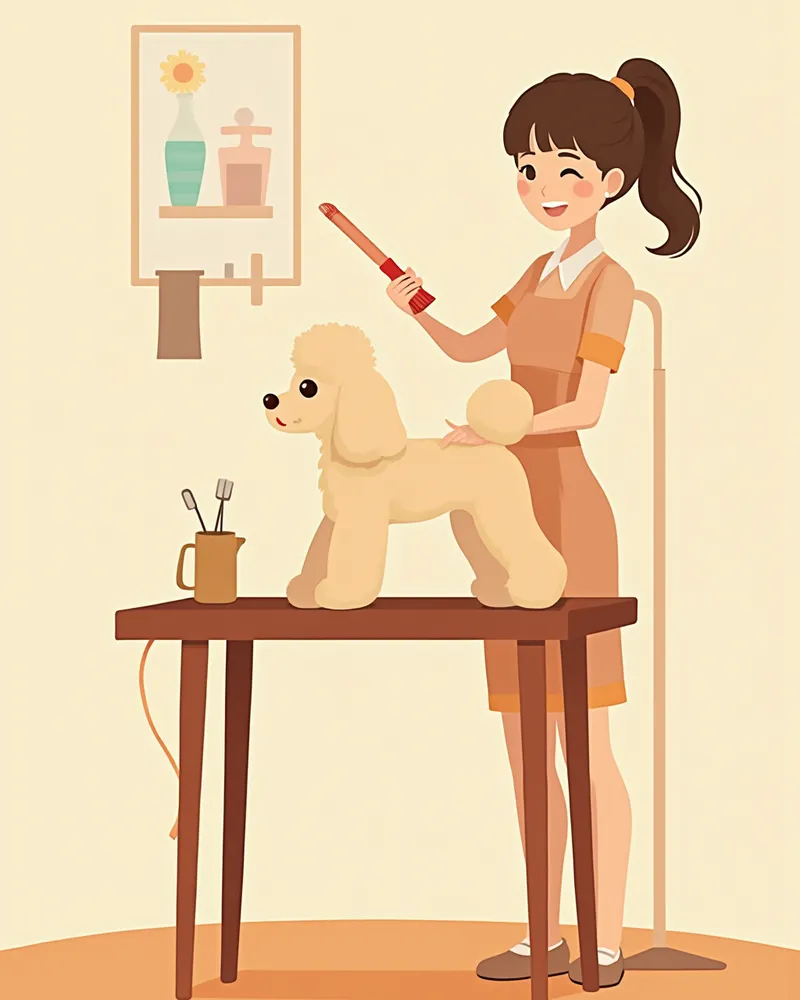
Timing of Color Changes to Keep in Mind
Poodle coat color can naturally lighten with age. Silver Poodles often begin showing changes early in life, while Apricot Poodles may fade toward a cream shade as they enter their senior years. However, even gradual depigmentation can be associated with clinically significant conditions, so veterinary evaluation is recommended if coat color changes persist, regardless of how slowly they progress. In middle-aged and senior dogs, ongoing depigmentation—especially when accompanied by patchy hair loss and exposed skin—may signal autoimmune or neoplastic diseases, making professional diagnosis essential.
Reviewed by a veterinarian

Dr. Tony — Punnawat Phongkittirak
VeterinarianA veterinarian who majored in veterinary medicine at Khon Kaen University, Thailand, and completed the IVSA program at North Carolina State University in the United States. Drawing on clinical experience at animal hospitals, he works in the pet healthcare field and is dedicated to building a digital care environment that connects pet parents with veterinarians.
Reviewed 2026-04-26
Frequently Asked Questions
Can tear stains be removed from an Apricot Poodle?
Will a Silver Poodle continue to change color even after reaching adulthood?
Is it a disease that my black Poodle is turning brown?
Does coat color affect personality?
Does having two colors mixed in the coat mean the dog is a mixed breed?
Share
Related Guides
Top 5 Medicated Dog Shampoos — For Pyoderma and Bacterial Infections

Veterinarian-Recommended Top 5 Medicated Shampoos for Canine Yeast Dermatitis — Relieves Itching and Greasiness
Top 5 Medicated Cat Shampoos Recommended by Veterinarians — Fungal Dermatitis and Fungal Care
Complete Guide to Chihuahua Genetic Disorders — 7 Conditions from Patellar Luxation to Heart Disease
The Ultimate Guide to Chihuahua Grooming and Fontanelle Care
Symptoms and Management of Hydrocephalus and Molera in Chihuahuas
Yorkshire Terrier Genetic Conditions — Symptoms, Prevention, and Care Guide to Check Before Adoption
Yorkshire Terrier Silky Coat Grooming Guide
Yorkshire Terrier Tracheal Collapse: From Cough Signals to Stage-by-Stage Management
Complete Guide to Dachshund Genetic Conditions — A Checklist from Disc Disease to Eye Conditions
References
[1] BSAVA Manual of Canine and Feline Dermatology, 4th Edition - Breed Predispositions in Small Breeds
[2] Notes on Canine Internal Medicine, 4th Edition - Genetic Predispositions
[3] Small Animal Dermatology, 7th Edition - Coat Color Genetics and Related Disorders