Like
Share
멍실장
잭러셀 테리어 건강 관리 — 수정체 탈구·관절 질환 완벽 가이드

Jack Russell Terrier Health Management — Complete Guide to Lens Luxation and Joint Disorders

JointBreed HealthMeongsiljang Veterinary Advisory Board

We’ve compiled the symptoms and management tips for lens luxation, patellar luxation, and Legg-Calvé-Perthes disease—conditions that Jack Russell Terriers are especially prone to and require careful attention.

What Health Issues Should You Watch for in Jack Russell Terriers?
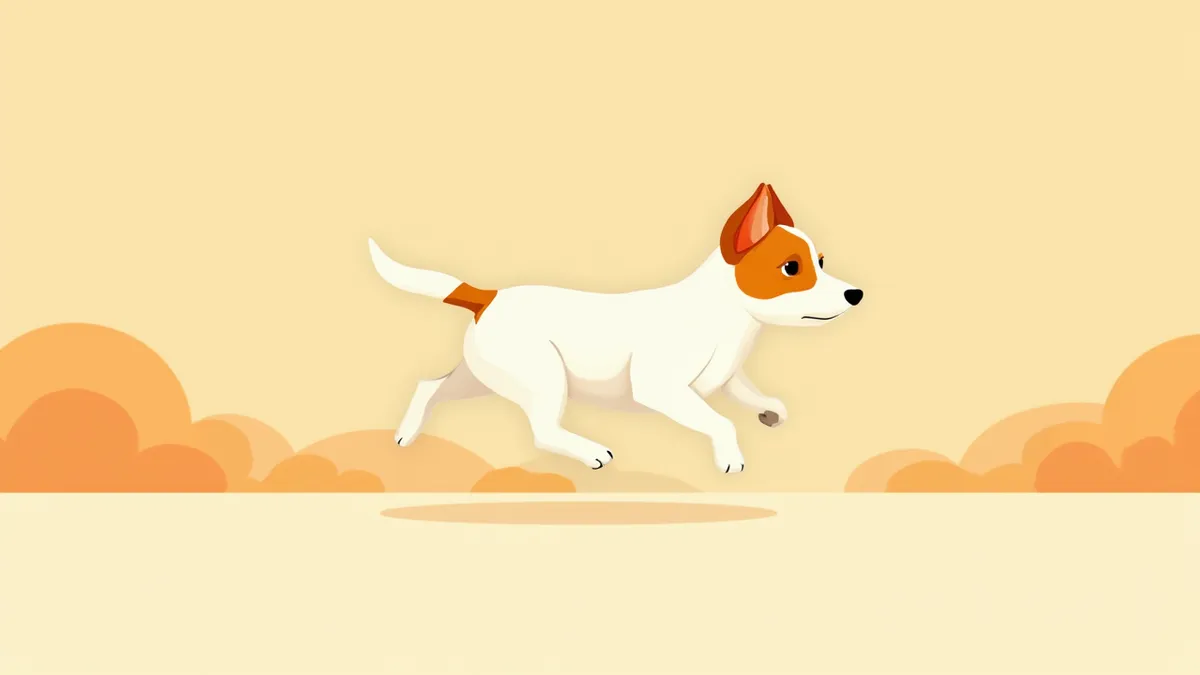
A Jack Russell Terrier energetically running around in the park
Jack Russell Terriers are a small breed that requires particular attention to eye conditions (such as lens luxation) and joint disorders (including patellar luxation and Legg-Calvé-Perthes disease). Given their high activity levels and abundant energy, consistently monitoring their joint and eye health is truly essential. Lens luxation has a strong genetic predisposition and can appear suddenly in adult dogs, while joint issues often show signs from an early age. This article outlines the symptoms, management strategies, and daily care essentials that every Jack Russell owner should know.

Top 3 Conditions Jack Russell Terriers Should Be Cautious About

Lens luxation: This condition occurs when the ligaments that hold the lens in place within the eye rupture, causing the lens to dislocate. It is commonly seen as a hereditary condition in Jack Russell Terriers and, if left untreated, can lead to glaucoma.
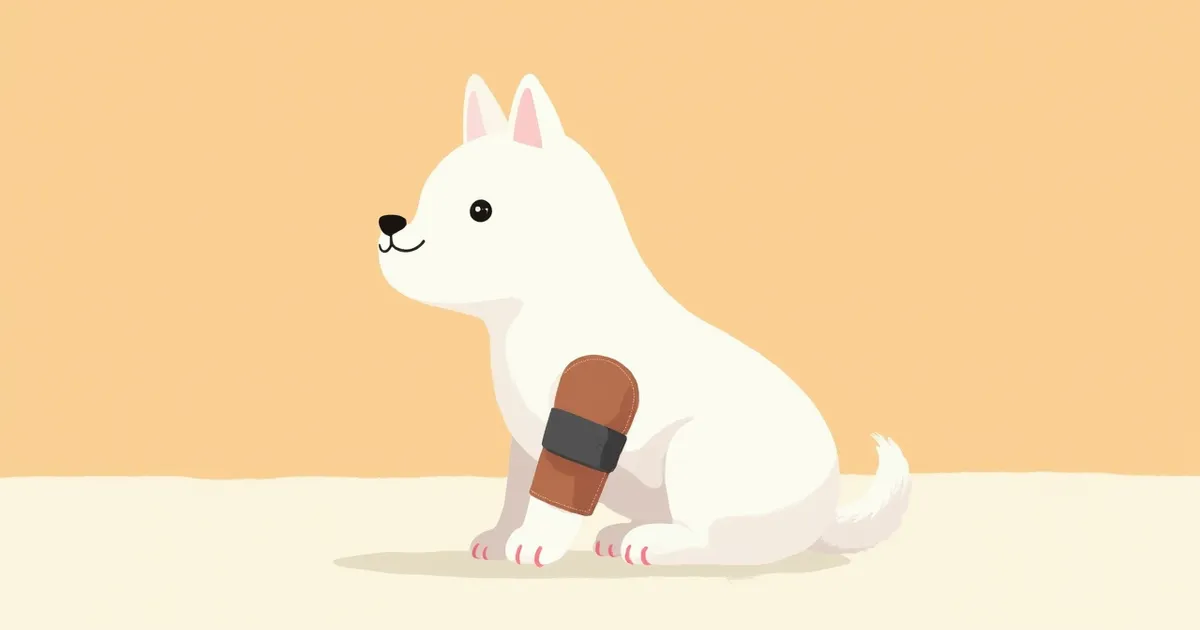
Patellar luxation: This is a condition in which the kneecap slips out of its normal position. Typical symptoms include limping on the hind legs or suddenly lifting a leg while walking.
Legg-Calvé-Perthes disease: This disease involves the death of bone tissue in the femoral head (the ball of the thigh bone) due to interrupted blood supply. Symptoms typically begin in small-breed dogs between 3 and 13 months of age.

Why Is Lens Luxation Common in Jack Russell Terriers?
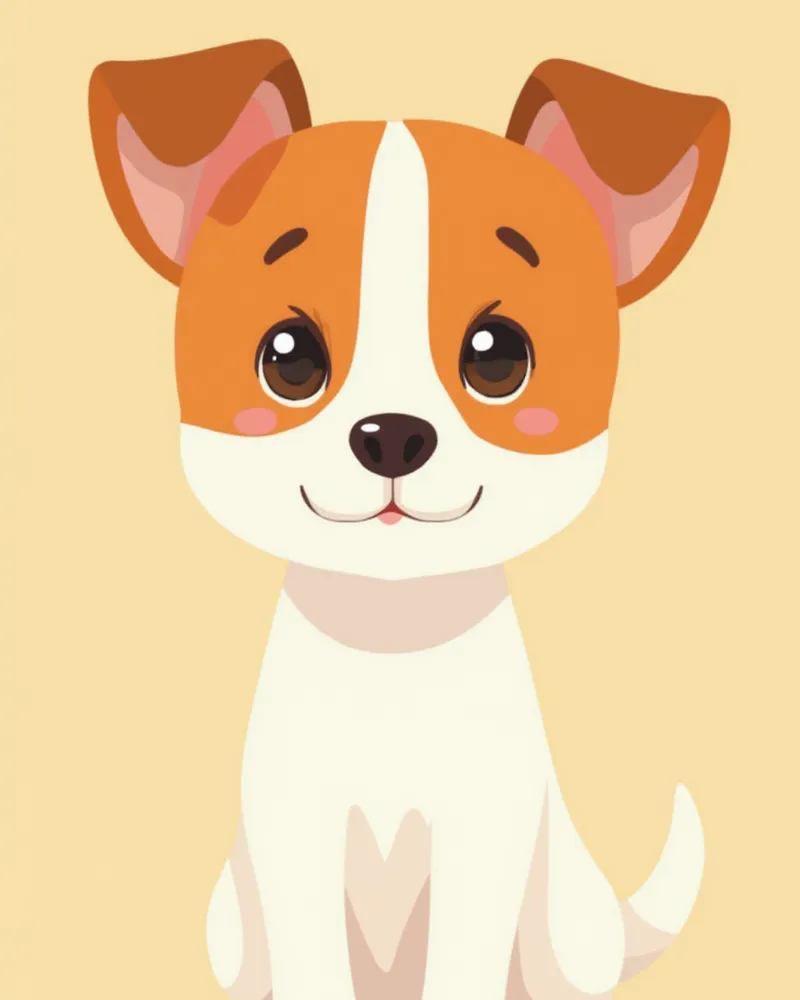
Jack Russell Terriers have a genetic predisposition to weak zonular fibers, the tiny ligaments that hold the lens in place. As these fibers gradually weaken and eventually break after the dog reaches adulthood, the lens can slip forward (anteriorly) or backward (posteriorly). Anterior lens dislocation is especially dangerous because it can cause a sudden spike in intraocular pressure, leading to glaucoma and vision loss. Since lens dislocation can occur in both eyes, regular check-ups for both eyes are essential.
A close-up of a Jack Russell Terrier's face, showcasing clear and healthy eyes.

Go to the Vet Immediately If You See These Eye Symptoms

If your pet’s eyes suddenly become cloudy, if they squint excessively, if there is excessive tearing, or if the pupils appear different from usual, these could be early signs of lens luxation or glaucoma. Anterior lens luxation is an emergency that can lead to severe glaucoma and vision loss if not treated promptly. Seek veterinary care at a clinic equipped for ophthalmic treatment as soon as you notice these symptoms.

Patellar Luxation and Joint Care
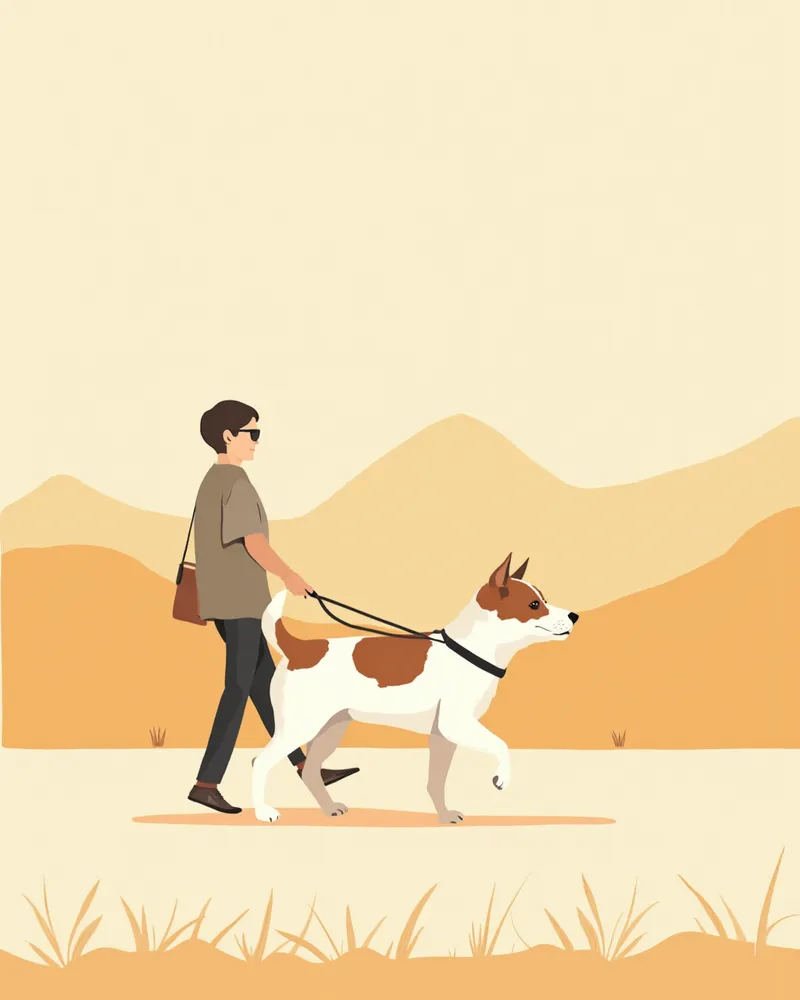
Even active small breeds like Jack Russell Terriers are prone to patellar luxation. This condition is rarely caused by habits like jumping; instead, it typically results from a combination of congenital and developmental factors, such as abnormal development of the femur and tibia, a shallow trochlear groove (the pulley-shaped track for the kneecap), or misalignment of the tibial tuberosity. Patellar luxation is classified into grades. Lower grades can often be managed with weight control and muscle-strengthening exercises, while higher grades frequently require surgery.
Check Point: Patellar luxation often begins intermittently. Consult your veterinarian if your dog occasionally lifts a hind leg and hops while walking, suddenly stops during walks, or appears stiff when sitting down or standing up. To reduce joint stress, install pet-friendly steps for stairs or sofas if your dog has a habit of repeatedly jumping down from heights.
A Jack Russell Terrier enjoying a walk on a flat path with its owner.

Legg-Calvé-Perthes Disease: Check If You Have a Young Jack Russell

Legg-Calvé-Perthes disease is a condition in which blood vessels supplying the femoral head (the ball of the thigh bone) become compromised, leading to bone tissue necrosis. It primarily affects toy and small-breed dogs between 3 and 13 months of age, with Yorkshire Terriers, West Highland White Terriers, and Toy Poodles being among the most commonly affected breeds. Since Jack Russell Terriers are also small-breed dogs, it’s wise to keep an eye out for this condition in puppies of this age. Typical symptoms include severe limping on one hind leg, pain upon touch, and discomfort when the hip joint is extended. The condition can be diagnosed through radiographic (X-ray) examination, and most dogs can walk normally again with surgical treatment combined with consistent rehabilitation exercises.

Daily Care Points for a Healthy Jack Russell Terrier
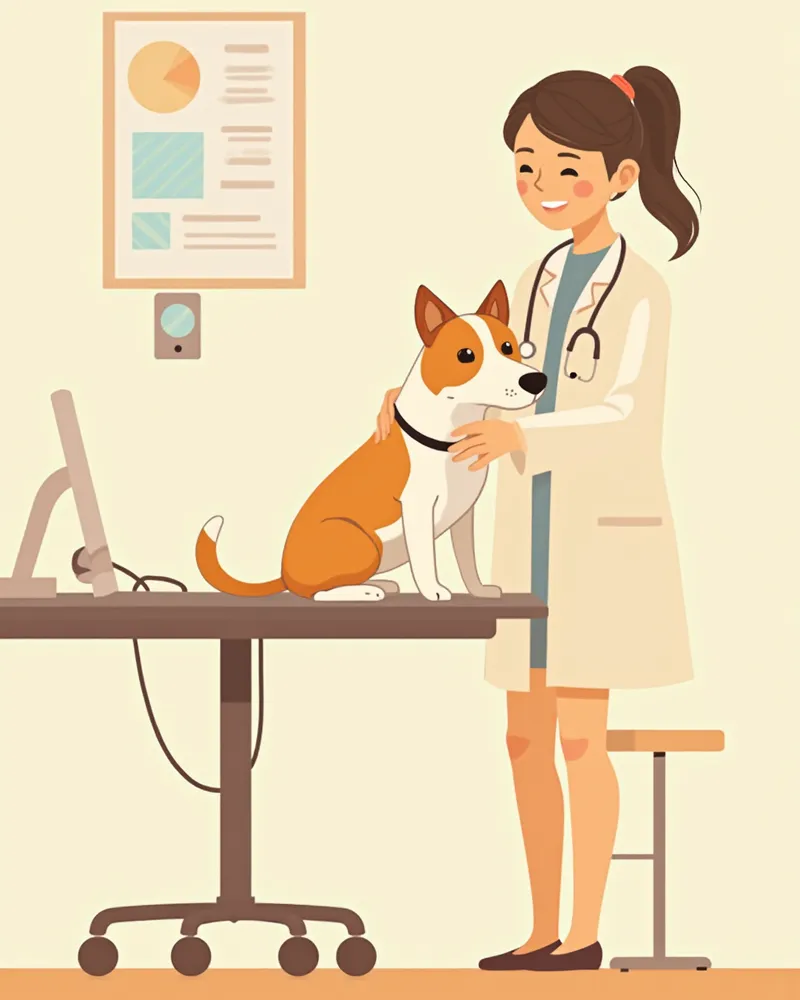
Weight Management: It’s important to keep your Jack Russell Terrier at a healthy weight. Excess weight puts added stress on the joints, so be sure to carefully control portion sizes for both meals and treats.
Appropriate Exercise: A daily walk of 30 to 60 minutes along with light play is ideal. However, avoid activities that involve repeated jumping from heights, as this can strain the joints.
Regular Check-ups: Annual eye exams and patellar palpation tests can help detect issues early on. After age five, check-ups every six months are recommended for better safety.
A Jack Russell Terrier undergoing a check-up at the animal hospital.

Genetic Testing: It’s Good to Get It Done in Advance

Jack Russell Terriers can have their risk of developing lens luxation assessed in advance through genetic testing. The test is simple and requires only a cheek swab. Since dogs that inherit the mutated gene from both parents have a high likelihood of developing the condition, having the test done before adoption or during puppyhood can greatly help in creating a preventive care plan.

Reviewed by a veterinarian

Dr. Tony — Punnawat Phongkittirak

Dr. Tony — Punnawat Phongkittirak

Veterinarian

A veterinarian who majored in veterinary medicine at Khon Kaen University, Thailand, and completed the IVSA program at North Carolina State University in the United States. Drawing on clinical experience at animal hospitals, he works in the pet healthcare field and is dedicated to building a digital care environment that connects pet parents with veterinarians.

Frequently Asked Questions

Can lens luxation in Jack Russell Terriers be prevented?
Because genetic factors play a major role, complete prevention is difficult. However, genetic testing can help identify risk levels in advance, and regular ophthalmic exams enable early detection, which can help preserve your pet’s vision.
Should I avoid taking my dog for walks if they have patellar luxation?
In fact, appropriate walks can help by strengthening the muscles around the joints. It’s best to walk consistently on flat terrain without overexertion. Please avoid jumping or sudden changes in direction.
How long does the recovery period last after surgery for Legg-Calvé-Perthes disease?
After surgery, your pet will typically need about 6 to 8 weeks for rest and rehabilitation. With consistent physical therapy and light exercise, most pets are able to walk normally again. It’s important to work closely with your veterinarian to create a personalized rehabilitation plan.
Can I give joint supplements to a Jack Russell Terrier?
While joint supplements can be used as a supportive measure, it’s safest to consult with your veterinarian before deciding whether they’re necessary, how effective they might be, and which product and dosage are right for your pet. Above all, maintaining a healthy weight, engaging in moderate exercise, and scheduling regular check-ups are the foundation of good joint health.

Share

Related Guides

References

[1] Gelatt KN et al., Veterinary Ophthalmology, 6th Ed, Wiley-Blackwell, 2021

[2] Schaer M, Clinical Medicine of the Dog and Cat, 4th Ed, CRC Press, 2022

[3] Farias FH et al., An ADAMTS17 splice donor site mutation in dogs with primary lens luxation, Investigative Ophthalmology & Visual Science, 2010

[4] Roush JK, Canine patellar luxation, Veterinary Clinics of North America: Small Animal Practice, 1993

[5] Demko J, McLaughlin R, Developmental orthopedic disease, Veterinary Clinics of North America: Small Animal Practice, 2005

This information is based on veterinary literature and does not replace diagnosis or treatment. Please consult a veterinarian for specific health concerns.

Metapet Co., Ltd. | CEO: Park Sung-yong | Business Reg. No. 417-88-02562 | Seoul, South Korea | Customer Center

Jack Russell Terrier Health: Lens Luxation & Joint Care | Meongsiljang