Like
Share
멍실장
래거머핀 고양이 건강 관리

Ragamuffin Cat Health Care — Guide to Preventing Hypertrophic Cardiomyopathy and Polycystic Kidney Disease

ImmunityBreed HealthMeongsiljang Veterinary Advisory Board

The Ragamuffin is a large, long-haired cat with a gentle temperament. Owners should be mindful of genetic conditions such as hypertrophic cardiomyopathy and polycystic kidney disease.

What Kind of Cat Is the Ragamuffin?
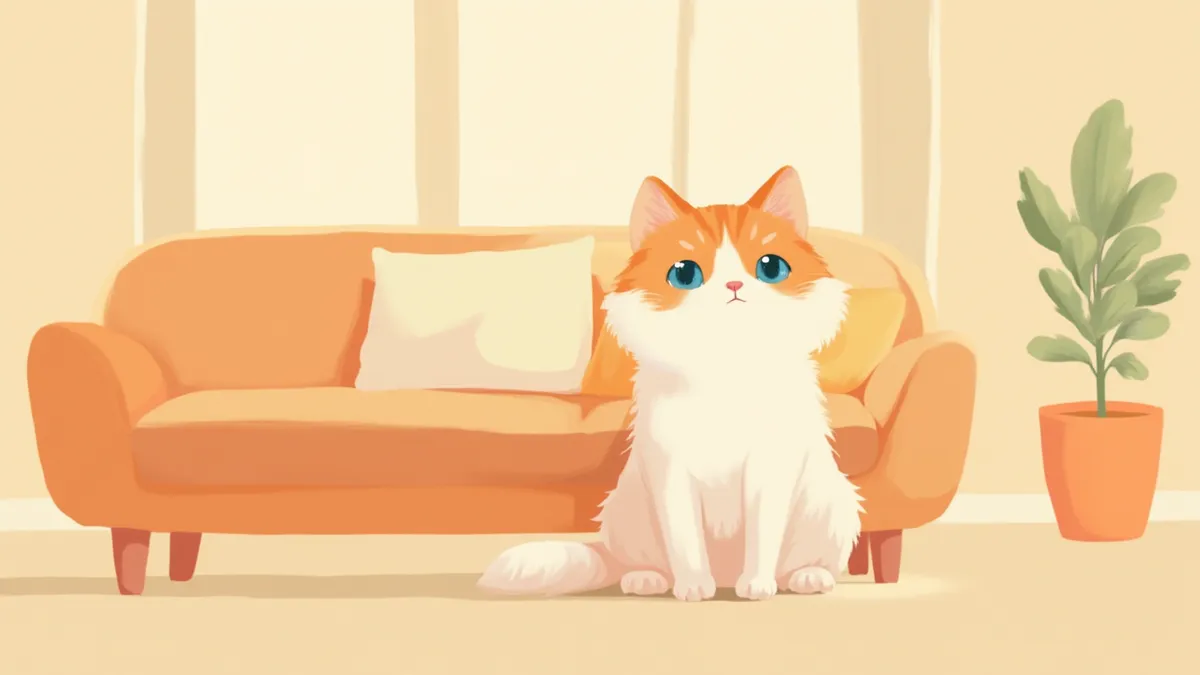
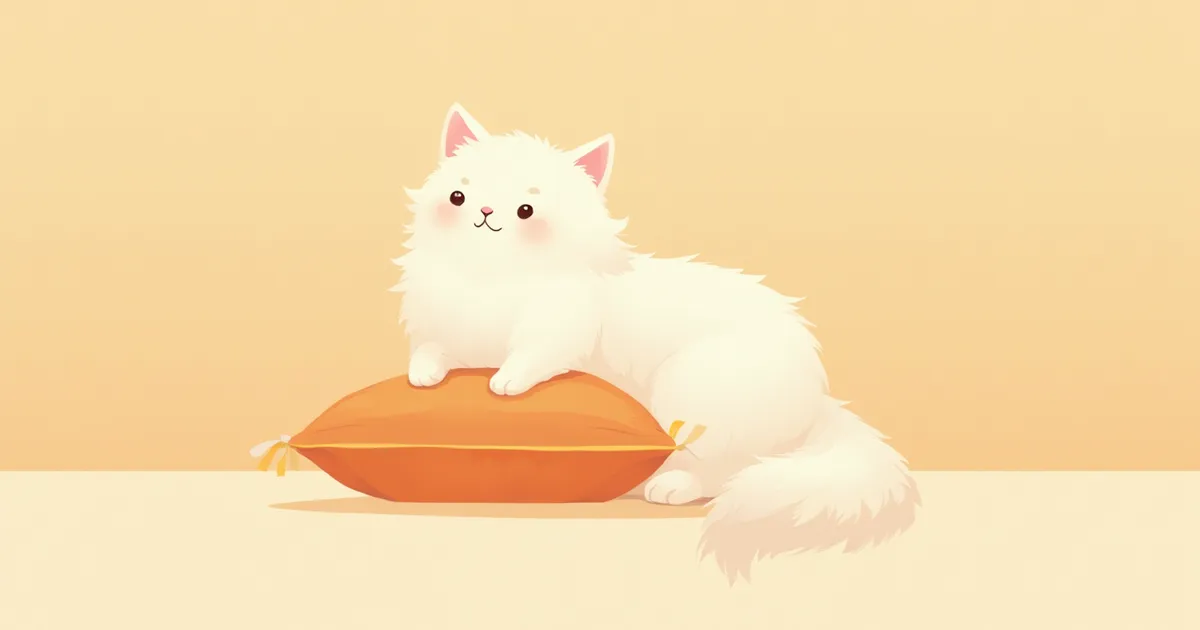
A Ragamuffin cat with fluffy fur sitting on a sofa.
The Ragamuffin is a large, long-haired cat breed derived from the Ragdoll. The most important thing to know is that they have a large frame and grow slowly, taking up to four years to reach full maturity. On average, males weigh between 6 and 9 kg, while females weigh between 4 and 7 kg. They are characterized by their silky coat and gentle temperament. Because they are genetically predisposed to heart and kidney diseases, regular veterinary check-ups are essential.

Top 4 Conditions to Watch for in Ragamuffins

Ragamuffin cats are at higher risk for certain conditions due to their genetic background.
Hypertrophic cardiomyopathy (HCM): A hereditary heart disease in which the heart muscle thickens.
Polycystic kidney disease (PKD): A genetic disorder that causes fluid-filled cysts to form in the kidneys.
Obesity: As a large breed, they can struggle with weight management.
Hairballs and digestive issues: Their long coats make them prone to swallowing excessive hair.
The key to managing their health is early detection through regular veterinary checkups starting from kittenhood.

Hypertrophic Cardiomyopathy (HCM) Details
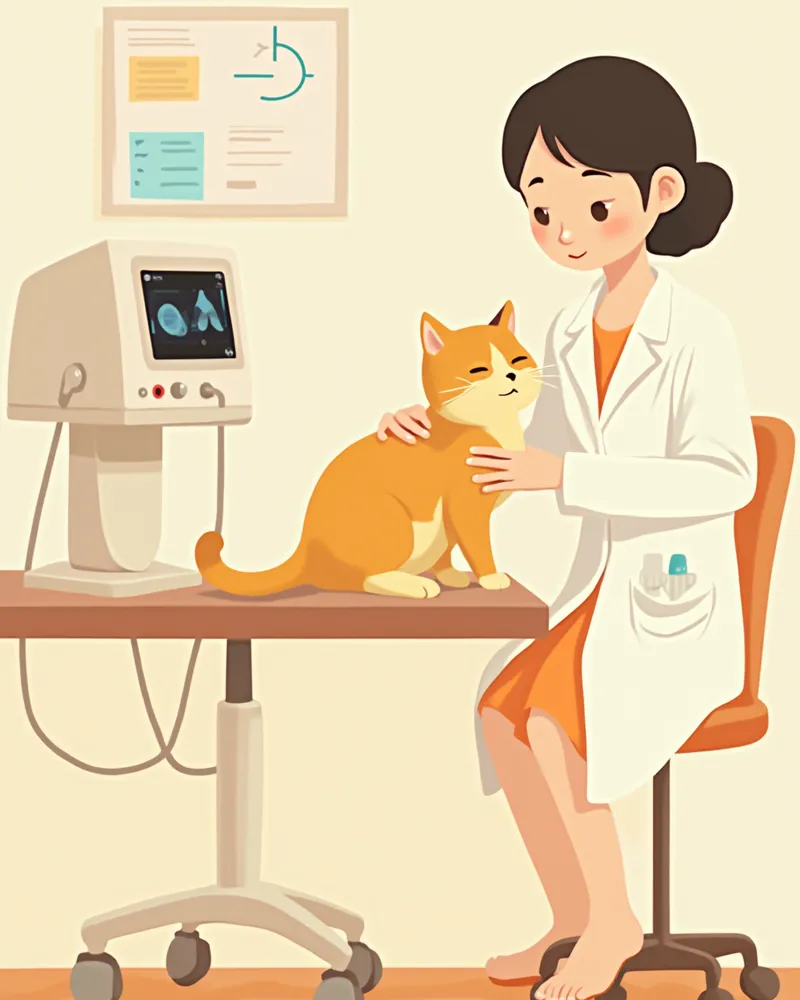
Hypertrophic cardiomyopathy (HCM) is the most important hereditary condition to watch for in Ragamuffins. The walls of the left ventricle (the interventricular septum and the left ventricular free wall) thicken, impairing the heart’s ability to pump blood effectively. Early on, there are often few or no symptoms, but the disease can suddenly manifest as difficulty breathing, hindlimb paralysis due to thromboembolism, or fainting. Because HCM can progress even during the asymptomatic stage, regular cardiac screening is essential, including echocardiography (the most sensitive non-invasive test), thoracic radiographs, electrocardiography (ECG), and blood work. Diagnosis also requires ruling out other conditions that cause myocardial hypertrophy, such as hyperthyroidism and systemic hypertension. Once diagnosed, management is tailored to the disease stage under your veterinarian’s guidance, with medications and supportive care aimed at preventing complications like heart failure and thromboembolism.
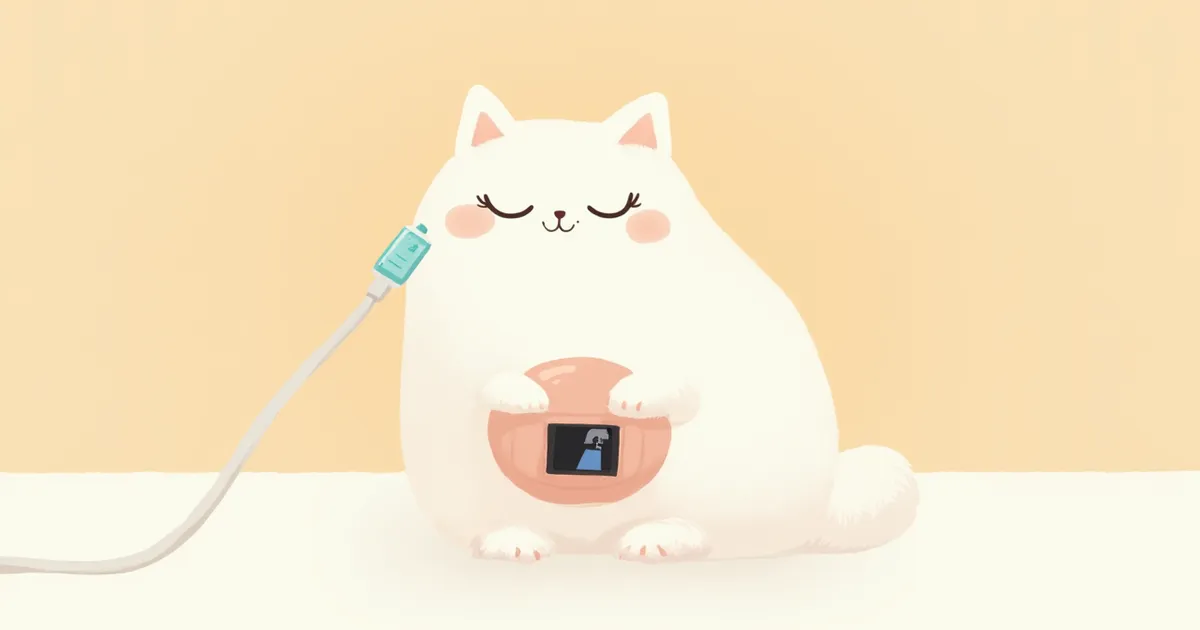
Ragger Muffin, a cat, undergoing an echocardiogram at the veterinary clinic

How to Check for Polycystic Kidney Disease (PKD)

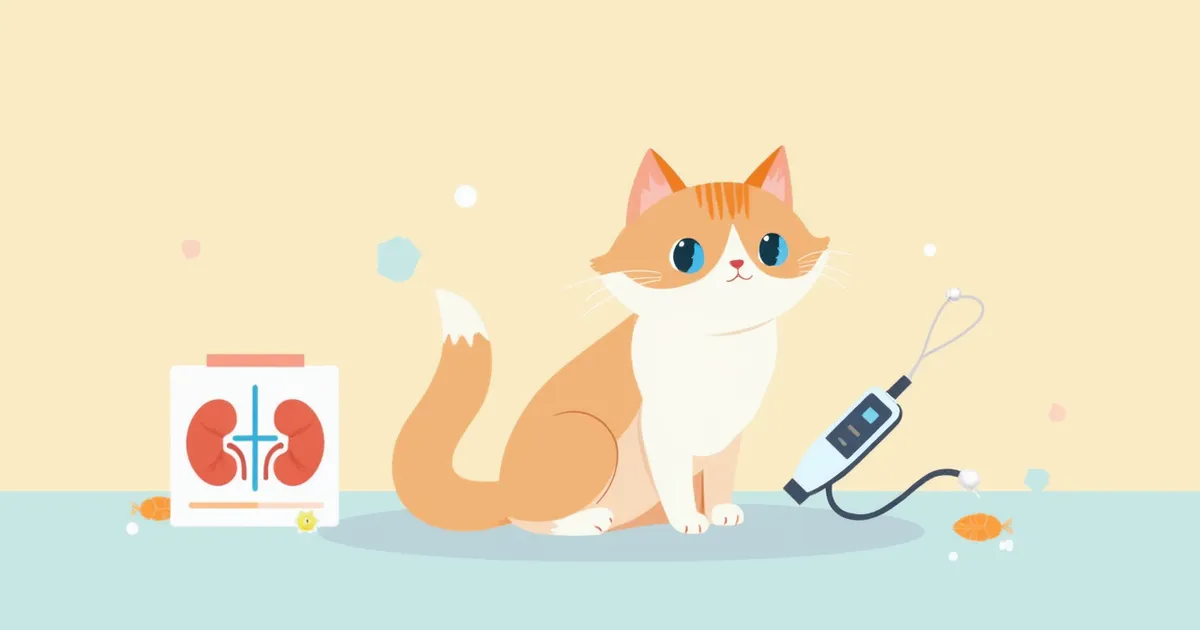
Polycystic kidney disease (PKD) is a genetic disorder in which multiple fluid-filled cysts develop in the kidneys, leading to a gradual decline in kidney function. Because Ragamuffins are part of the Ragdoll lineage, it is difficult to rule out the possibility of PKD-related genetic mutations. There is no specific age restriction for symptom onset, meaning signs can appear at any age. As kidney function deteriorates, symptoms such as increased thirst and urination, decreased appetite, weight loss, and vomiting may become apparent. The condition can be confirmed through genetic testing or abdominal ultrasound prior to adoption. Once diagnosed, ensuring adequate hydration and implementing appropriate dietary management are crucial.

Seek Immediate Veterinary Care If These Symptoms Appear

If you notice any of the following symptoms, it could indicate a heart or kidney emergency, and you should seek veterinary care immediately: 1) open-mouth breathing or panting, 2) sudden inability to use the hind legs accompanied by coldness in those limbs, 3) refusal to drink water and no urination for more than 24 hours, and 4) repeated vomiting with rapid weight loss. In particular, open-mouth breathing is a highly dangerous sign in cats.

Weight and Obesity Management Tips
Ragamuffins are a large breed, so owners often assume their size makes them resilient, which can easily lead to obesity. Excess weight puts additional strain on the heart and negatively impacts overall health, so proper management is essential.
Portion control: Adhere to daily caloric intake guidelines based on activity level.
Body Condition Score (BCS): Regularly check if the ribs are palpable to maintain an ideal body condition.
Playtime: Engage in 15–20 minutes of interactive toy play daily.
Treat limits: Keep treats to no more than 10% of total daily calories.
Lagger Muffin the cat playing with a feather toy

Essential Care for Long-Haired Breeds

Ragamuffin’s silky coat is one of its most charming features, but neglecting proper care can lead to hairballs and skin issues. Brush your cat 3–4 times a week to remove loose fur, paying special attention to areas prone to tangles, such as behind the ears, under the armpits, and the belly. Using hairball-preventive food or grooming supplements can be helpful, and during the summer, you may consider a partial trim. Wipe away tear stains around the eyes daily with a soft gauze pad.

Reviewed by a veterinarian

Dr. Tony — Punnawat Phongkittirak

Dr. Tony — Punnawat Phongkittirak

Veterinarian

A veterinarian who majored in veterinary medicine at Khon Kaen University, Thailand, and completed the IVSA program at North Carolina State University in the United States. Drawing on clinical experience at animal hospitals, he works in the pet healthcare field and is dedicated to building a digital care environment that connects pet parents with veterinarians.

Frequently Asked Questions

What is the average lifespan of a Ragamuffin cat?
The average lifespan is 12 to 16 years. With proper genetic disease screening and weight management, they can enjoy a long, healthy life.
How is it different from a Ragdoll?
The Ragamuffin breed originated from the Ragdoll, but it features a wider variety of coat and eye colors, as well as a slightly larger, more muscular build.
At what age should a pet start getting echocardiograms?
Because HCM often progresses without early symptoms, it is important to undergo regular cardiac screening, including an echocardiogram, even if your pet appears healthy. The appropriate starting age and frequency of these exams should be determined in consultation with your veterinarian.
Is it okay to keep my dog indoors alone?
Ragdoll Muffins are safe for indoor living. However, due to the risk of obesity from insufficient activity, be sure to provide a cat tree and dedicated playtime.
Does your pet get along well with other cats or dogs?
They have a gentle temperament, making them well-suited for multi-cat or multi-dog households. It's best to gradually socialize them from a young age.

Share

Related Guides

References

[1] August's Consultations in Feline Internal Medicine, Volume 7

[2] Clinical Medicine of the Dog and Cat, 4th Ed

[3] The Cat: Clinical Medicine and Management, Susan Little

This information is based on veterinary literature and does not replace diagnosis or treatment. Please consult a veterinarian for specific health concerns.

Metapet Co., Ltd. | CEO: Park Sung-yong | Business Reg. No. 417-88-02562 | Seoul, South Korea | Customer Center

Ragamuffin Cat Health Guide: Preventing HCM and PKD | Meongsiljang