
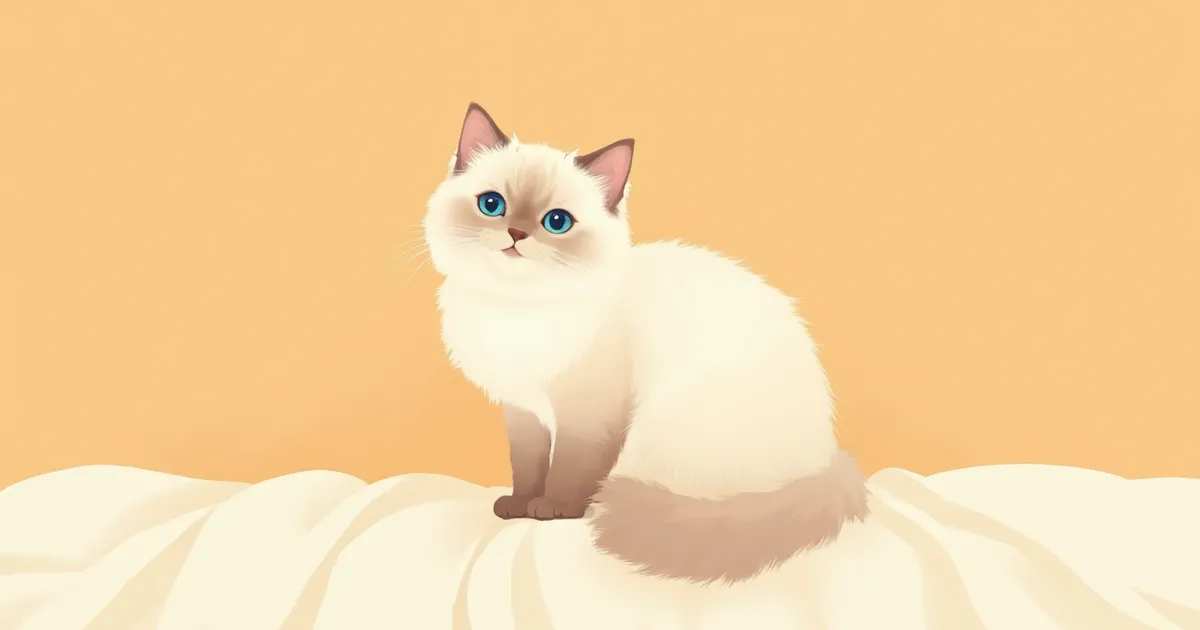
Himalayan Cat Health Care – A Complete Guide to Key Conditions and Management
Himalayan cats require particular attention to genetic conditions common in Persians. We’ve outlined the key care points, including polycystic kidney disease, respiratory issues, and eye health.
What Are the Health Characteristics of Himalayan Cats?
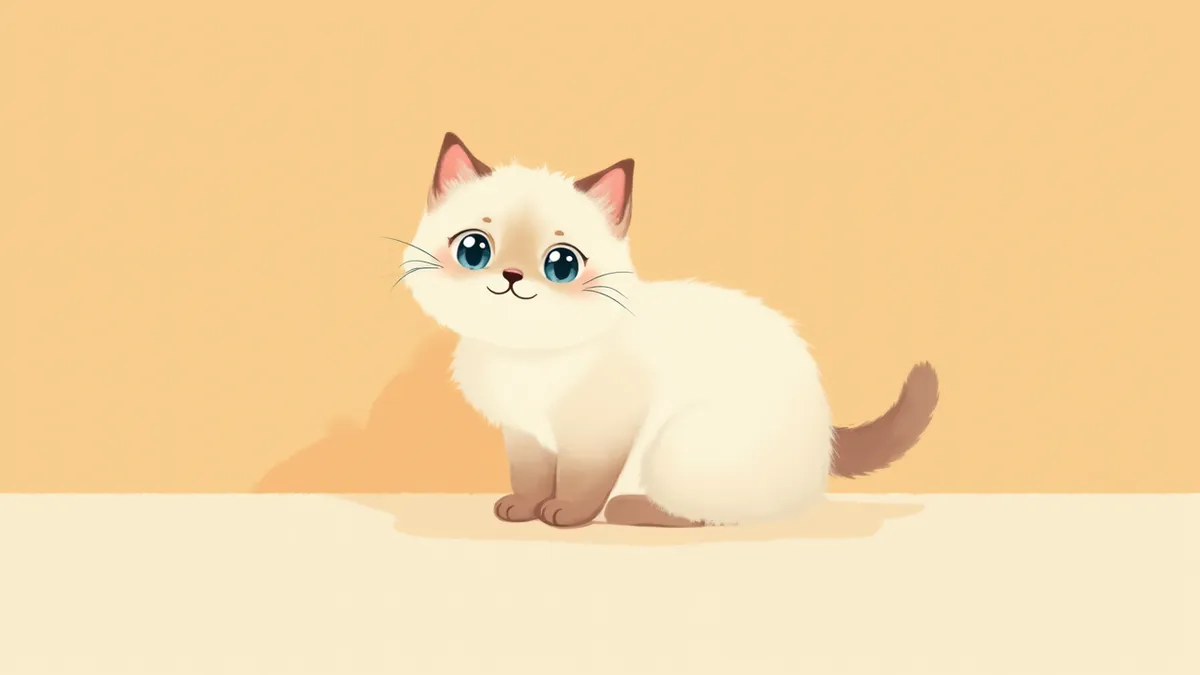
Four Conditions Himalayan Cats Need to Watch For
Polycystic Kidney Disease: What You Must Know

Brachycephalic Respiratory Issues: When to See a Vet
If your cat snores more loudly than usual, makes a growling sound when breathing, or pants with its mouth open in hot weather, please consult a veterinarian. Brachycephalic cats have narrower airways, which places a greater burden on their respiratory system; as a result, breathing difficulties can worsen in high-temperature environments or during stressful situations, requiring special care. Obesity can further exacerbate respiratory issues, so maintaining a healthy weight is essential.
Eye Health Care Is Especially Important

Skin and Coat Care Points
Be Sure to Verify Genetic Testing Before Adoption
If you’re adopting a Himalayan cat, be sure to verify whether it has been tested for polycystic kidney disease (PKD). Asking the breeder for the parents’ PKD test results is also a good idea. Since various hereditary conditions, including eye disorders, have been reported in Persian-type cats, we recommend reviewing the cat’s overall health examination history as well. If you already have a Himalayan cat at home, we suggest consulting with your veterinarian about undergoing relevant screenings.
Regular Check-ups and Daily Health Care

Reviewed by a veterinarian

Dr. Tony — Punnawat Phongkittirak
VeterinarianA veterinarian who majored in veterinary medicine at Khon Kaen University, Thailand, and completed the IVSA program at North Carolina State University in the United States. Drawing on clinical experience at animal hospitals, he works in the pet healthcare field and is dedicated to building a digital care environment that connects pet parents with veterinarians.
Reviewed 2026-04-14
Frequently Asked Questions
What is the average lifespan of a Himalayan cat?
Is polycystic kidney disease treatable?
Are there any specific health checks I should make sure to have done when adopting a Himalayan cat?
How do you manage tear stains in Himalayan cats?
Share
Related Guides

Top 5 Prescription Diets for Cats with Chronic Kidney Disease — Stage-Specific Protein Adjustment

7 Emergency Signs and Causes of Acute Kidney Failure in Dogs You Must Not Miss

Top 5 Cat Kidney Supplements Recommended for 2026

Birman Genetic Disease Checklist

Birman Semi-Long Coat Grooming — From Daily Brushing to Mat Prevention: A Complete Guide
Himalayan Regular Check-up Schedule — Age-Specific Management for Polycystic Kidney Disease and Respiratory Issues

Himalayan Long-Hair Grooming: Complete Guide to Preventing Tangles and Hairballs

Himalayan PKD Screening — Polycystic Kidney Disease Testing Schedule and Lifetime Management Guide
Bengal Regular Check-up Schedule — Age-Specific Checklist and Management of Common Diseases by Life Stage
7-Point Checklist for Bengal Cat Genetic Diseases — Complete Guide to Lifelong Care
References
[1] Little S.E., The Cat: Clinical Medicine and Management, 2nd Edition, Elsevier, 2012
[2] Schaer M. et al., Clinical Medicine of the Dog and Cat, 4th Edition, CRC Press, 2022
[3] Atkinson T., A Professional's Guide to Feline Behaviour, CAB International, 2018