Like
Share
멍실장
골든 리트리버 정기 검진 일정

Golden Retriever Regular Check-up Schedule

ImmunityBreed HealthMeongsiljang Veterinary Advisory Board

Golden Retrievers are a large breed at higher risk for joint, heart, and tumor issues, making age-appropriate regular check-ups essential. Here’s a clear overview of the recommended exams and when to schedule them every six months.

Why Regular Check-ups Are Important for Golden Retrievers

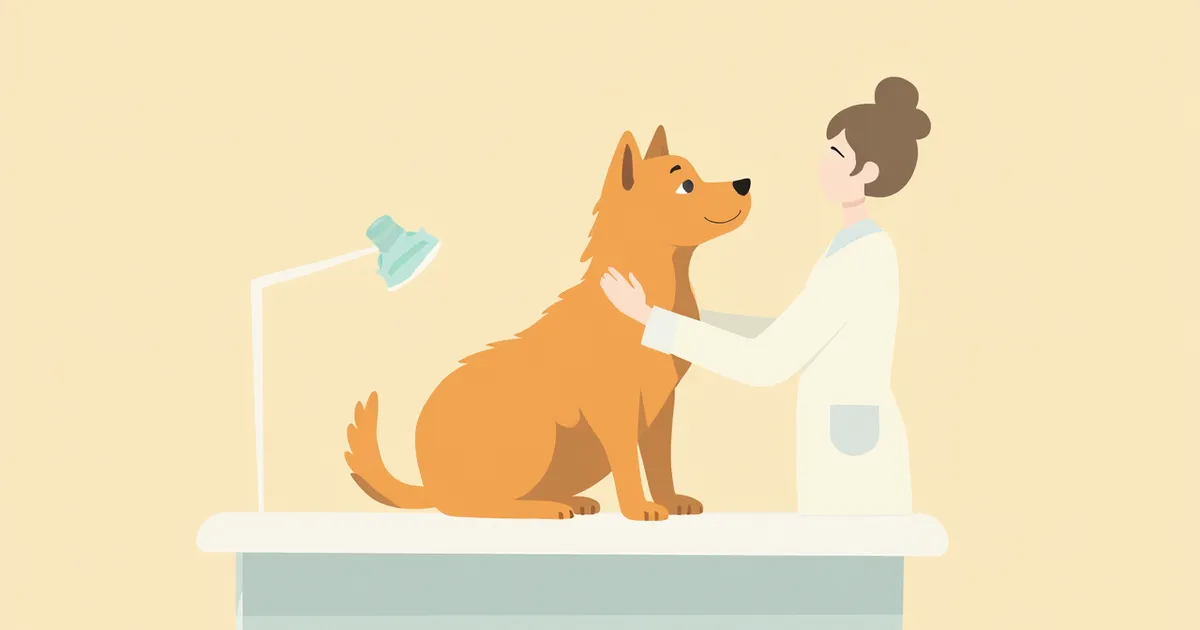
A Golden Retriever undergoing a veterinary checkup
Golden Retrievers are a large breed at higher risk for hip dysplasia, lymphoma, and heart disease, making lifelong regular check-ups essential. Early detection is key. Goldens tend to be stoic about pain, so by the time owners notice symptoms, the condition has often progressed. Regular check-ups every six months help catch warning signs before they develop into serious illnesses.

Top 4 Conditions to Watch for in Goldens

Golden Retrievers have specific areas that require extra attention during regular checkups. We focus on these four key aspects during examinations: - Hip dysplasia: The hip joints may develop abnormally, leading to gait abnormalities and arthritis (osteoarthritis), so evaluating joint health is crucial. - Lymphoma: This malignant tumor affects the lymph nodes and organs. Since early symptoms are often subtle, we monitor for it through regular lymph node palpation, imaging, and blood tests. - Mast cell tumors and skin tumors: Regularly feeling for skin lumps aids in early detection, so we perform thorough full-body palpations. - Heart disease: Cardiac abnormalities like heart murmurs and cardiomegaly often show few symptoms in the early stages, so we check for them through regular heart auscultation and, when necessary, chest X-rays and cardiac imaging.

Check-up Frequency by Age at a Glance

Golden Retrievers tend to grow and age more quickly than many other breeds, so it’s important to follow age-appropriate screening schedules. The table below outlines the recommended check-up frequency and key tests for each life stage.

Golden Retriever Regular Check-up Schedule by Age

ItemPuppy (0–12 months)Adult (1–6 years)Senior (7 years+)
Checkup IntervalOnce a month1–2 times a yearOnce every 6 months
Basic Physical ExamTrueTrueTrue
Vaccination/DewormingRequired by age in monthsAnnual boosterAnnual booster
Hip Joint X-rayOnce at 6–12 monthsAdditional when abnormalOnce a year
Blood Test (CBC/Biochemistry)Baseline at 1 yearOnce a yearOnce every 6 months
Heart Auscultation/ECGBaselineOnce a yearOnce every 6 months
Abdominal Ultrasound/Tumor ScreeningNot neededWhen abnormalOnce a year

Items and intervals may vary depending on the veterinarian's clinical findings

Signs That Require Immediate Veterinary Care Between Check-ups

Even between scheduled check-ups, don’t wait for your next appointment if you notice any of these symptoms—seek veterinary care right away. This includes limping in the hind legs lasting more than 24 hours, lumps larger than a pea that can be felt in the neck, armpits, or groin, or a sudden loss of appetite, weight loss, or coughing that persists for over a week. Golden Retrievers are prone to rapidly progressing lymphoma and joint diseases, so delaying treatment can significantly reduce available options.

Key Check-ups for the Puppy Stage (0–12 Months)
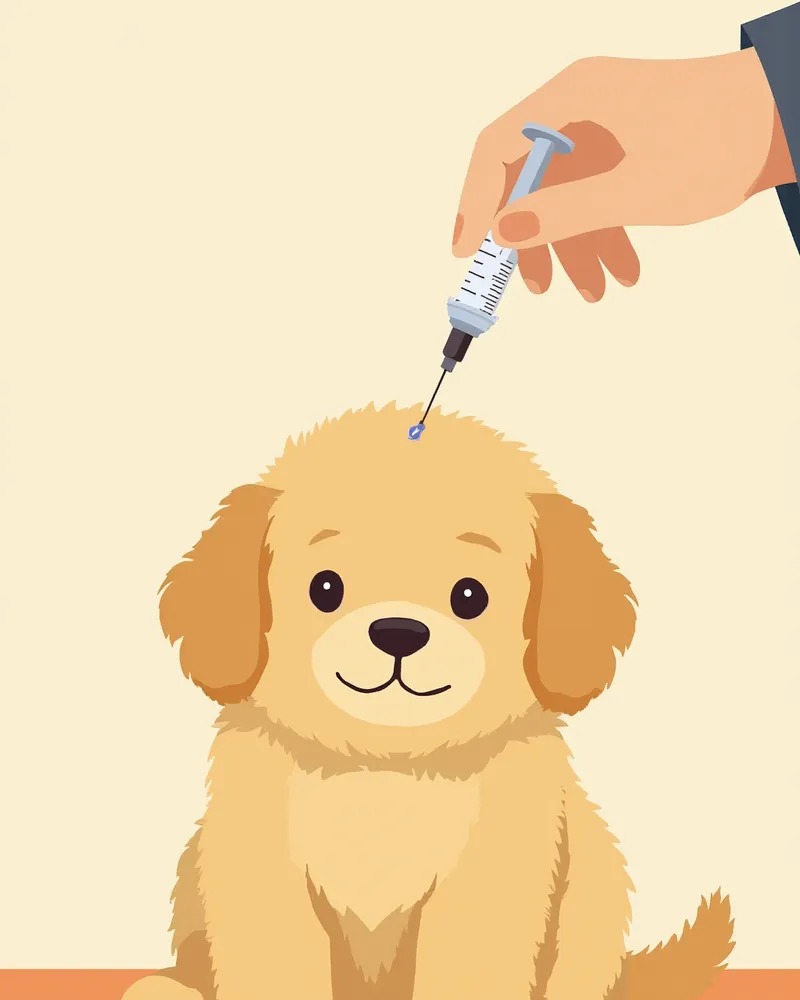
The puppy stage is all about vaccinations and skeletal development. Between 6 and 16 weeks of age, puppies receive three to four doses of the core combination vaccine and one dose of the rabies vaccine, timed according to their age. Nutritional management during growth is also part of the wellness check. For Golden Retrievers, gaining weight too quickly increases the risk of hip dysplasia, so the veterinarian adjusts food portions based on the puppy’s weight curve. Taking a baseline hip X-ray between 6 and 12 months of age provides a valuable reference for lifelong comparison.
A Golden Retriever puppy receiving vaccinations

Key Check-ups for the Adult Stage (1–6 Years)

The adult stage may look like the healthiest period on the surface, but it’s actually when latent diseases can begin to develop. That’s why we always include these key checks during the annual basic wellness exam: - Blood tests: To assess liver and kidney function, as well as markers for anemia and inflammation - Heart auscultation: To detect early signs of heart murmurs - Dental examination: To evaluate tartar buildup and periodontal disease - Body condition and weight assessment: Maintaining a BCS score of 4–5 is essential for joint protection - Skin and lump palpation: A full-body physical exam to help detect mast cell tumors at an early stage

Key Check-ups for the Senior Stage (7 Years and Older)

Golden Retrievers are considered senior dogs starting at age 7, so it’s important to switch to check-ups every six months from that point on. This is because the risk of lymphoma, splenic tumors, and heart disease increases sharply. In addition to routine blood tests, we recommend adding a urinalysis, abdominal ultrasound, and electrocardiogram (ECG), as well as thyroid hormone testing. Owners can help by gently feeling their dog’s lymph nodes each week to monitor for any changes in size. Since Goldens tend to hide pain, they may not show obvious signs of arthritis, so please bring a video of your dog walking to the appointment for evaluation.
Regular health check-ups for senior Golden Retrievers

Additional Items to Request During Golden Retriever Check-ups

Golden Retrievers require a few essential tests that aren’t included in standard comprehensive checkups. First, we perform a physical examination of six lymph nodes (submandibular, prescapular, axillary, inguinal, and popliteal), followed by fine-needle aspiration if indicated. Second, an annual thoracic radiograph is recommended to assess the heart and lungs. Third, abdominal ultrasound should be added after age seven to screen for splenic and hepatic tumors. When scheduling your appointment, please specify that you’d like tumor and cardiac screening included for your Golden Retriever.

Reviewed by a veterinarian

Dr. Tony — Punnawat Phongkittirak

Dr. Tony — Punnawat Phongkittirak

Veterinarian

A veterinarian who majored in veterinary medicine at Khon Kaen University, Thailand, and completed the IVSA program at North Carolina State University in the United States. Drawing on clinical experience at animal hospitals, he works in the pet healthcare field and is dedicated to building a digital care environment that connects pet parents with veterinarians.

Frequently Asked Questions

At what age should a Golden Retriever switch to senior health checkups?
Dogs are generally considered senior starting around age 7. However, large breeds like Golden Retrievers age more quickly than small breeds, so we recommend beginning biannual check-ups in the latter half of their sixth year and adding screenings for tumors and heart health.
When is the best time to have a hip dysplasia screening?
A basic X-ray should be done once between 6 and 12 months of age, while a detailed evaluation (using the PennHIP or OFA method) is recommended after the dog reaches 2 years old. If you notice limping or a bunny-hopping gait, an immediate examination is necessary regardless of the dog's age.
Even if my pet looks healthy, is it really necessary to have regular check-ups?
Yes, Goldens are a breed known for enduring pain and hiding signs of illness, so by the time owners notice something’s wrong, the condition is often already advanced. Lymphoma and heart disease, in particular, rarely show early symptoms and are frequently detected only through blood tests and imaging.
Does the timing of neutering relate to health screenings?
There is a connection. The timing and necessity of neutering should be carefully evaluated on an individual basis. While the benefits are generally greater for females, it is important to weigh the pros and cons in every case. For Golden Retrievers, the procedure can also be linked to growth and joint development, so we recommend consulting with your veterinarian about the appropriate timing during the health check-up around one year of age.
How can I reduce the cost of health checkups?
Comprehensive age-specific wellness packages offered by veterinary clinics are typically 20–30% more affordable than individual tests. You can also take advantage of pet insurance wellness riders and local government-sponsored free rabies vaccination campaigns to save even more.

Share

Related Guides

References

[1] Notes on Canine Internal Medicine, 4th Ed

[2] Textbook of Veterinary Orthopaedic Surgery

[3] BSAVA Manual of Canine and Feline Dermatology, 4th Ed

[4] The Veterinary Workbook of Small Animal Clinical Cases

[5] The Dog Care Handbook, Things I Wish My Vet Had Told Me

This information is based on veterinary literature and does not replace diagnosis or treatment. Please consult a veterinarian for specific health concerns.

Metapet Co., Ltd. | CEO: Park Sung-yong | Business Reg. No. 417-88-02562 | Seoul, South Korea | Customer Center

Golden Retriever Health Check Guide: Age-Specific Vet Visit Schedule | Meongsiljang