
American Shorthair Health Care (HCM & Obesity)
American Shorthairs are particularly prone to hypertrophic cardiomyopathy and obesity, so regular heart check-ups and weight management are essential.
What Breed Is the American Shorthair?
Top 3 Health Concerns for American Shorthairs
Understanding Hypertrophic Cardiomyopathy (HCM)
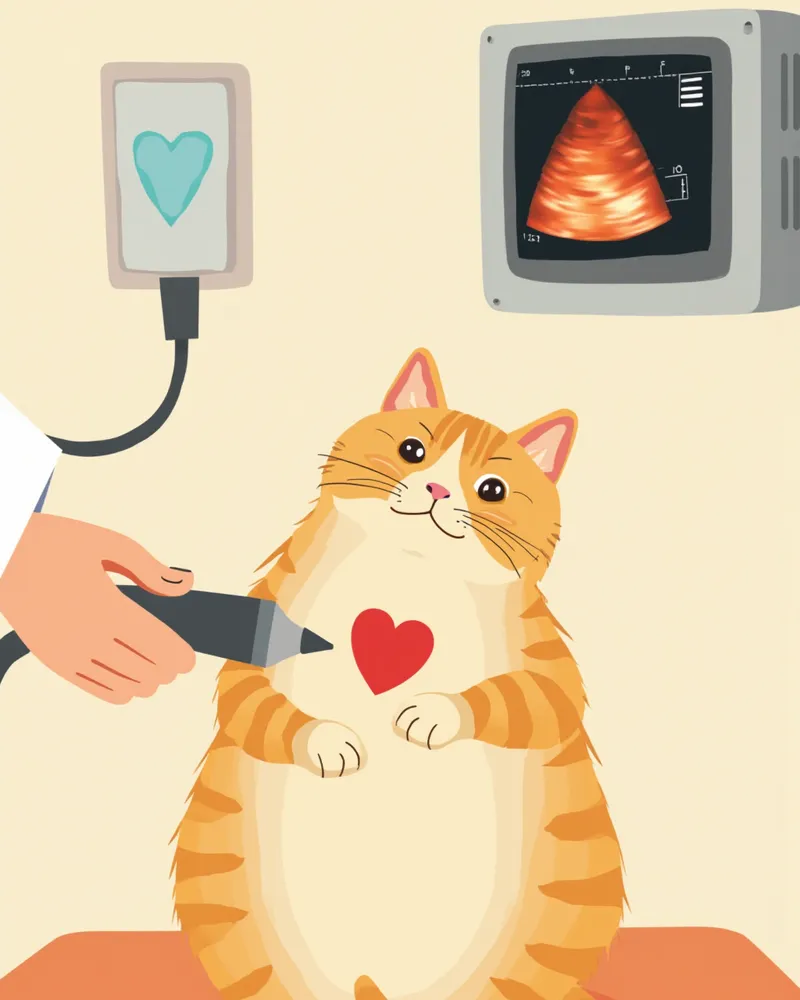
Seek Immediate Veterinary Care If These Symptoms Appear
If your cat shows any of the following signs, it may indicate that hypertrophic cardiomyopathy (HCM) has progressed to an emergency situation. Seek immediate care at a 24-hour emergency veterinary clinic, even if it’s nighttime. - Open-mouth breathing or gasping for air - Sudden inability to use the hind legs or cold hind limbs - Pale or purple gums - Collapse or altered consciousness Thromboembolism is a life-threatening emergency. If you notice any of these symptoms, seek veterinary treatment immediately without delay. Prompt intervention is critical to the outcome.
Why Obesity Worsens HCM
Assessing Your Cat’s Condition Using Body Condition Score (BCS)
| Item | Abnormal body condition (5 points) | Overweight (6–7 points) | Obese (8–9 points) |
|---|---|---|---|
| Rib palpation | Easily felt with fingertips | Hard to feel due to fat layer | Not felt at all |
| Waistline (viewed from above) | Distinct | Faint | Gone, even bulging outward |
| Abdominal line (viewed from the side) | Slightly tucked up | Nearly horizontal | Sagging downward |
| Versus ideal weight | Baseline | +10–30% | +30% or more |
Based on the Purina 9-point scale — the optimal BCS for cats is 5 points (see veterinary nutrition textbooks)
Health Care Tips You Can Do at Home

Essential Regular Check-ups for This Breed
American Shorthairs often develop heart disease silently, even without outward symptoms, making regular check-ups during the asymptomatic stage the most important. - Age 1–2: Initial baseline echocardiogram - Age 3–7: Echocardiogram and blood pressure measurement every 1–2 years - Age 8 and older: Annual echocardiogram, including kidney and thyroid blood tests Genetic testing to identify HCM-related mutations in advance can also be helpful.
Reviewed by a veterinarian

Dr. Tony — Punnawat Phongkittirak
VeterinarianA veterinarian who majored in veterinary medicine at Khon Kaen University, Thailand, and completed the IVSA program at North Carolina State University in the United States. Drawing on clinical experience at animal hospitals, he works in the pet healthcare field and is dedicated to building a digital care environment that connects pet parents with veterinarians.
Reviewed 2026-04-21
Frequently Asked Questions
Do all American Shorthairs develop HCM?
My pet is gaining weight too quickly after being spayed or neutered. What should I do?
Do I need to give my pet heart medication for the rest of their life?
Which is better, dry or wet food?
Is there a way to check my pet’s heart condition at home?
Share
Related Guides

Coenzyme Q10 Benefits and Administration Guide

Dog Pulmonary Edema Warning — 7 Best Diuretics (Furosemide) for Heart Management
7 Best Prescription Diets for Feline Heart Disease Recommended by Veterinarians — Criteria for Choosing Low-Sodium Food
Munchkin Hereditary Disease Checklist

Munchkin Grooming by Coat Type — A Complete Guide from Brushing Shorthair and Longhair to Fur Care

Munchkin Spine and Joint Care Guide
Complete Guide to Sphynx HCM Screening Schedule
The Ultimate Guide to Sphynx Hairless Cat Skin and Bathing Care
Abyssinian Genetic Disease Checklist
Abyssinian Grooming: Complete Guide to Brushing, Bathing, and Skin Care for Shorthairs
References
[1] Applied Veterinary Clinical Nutrition, 2nd Ed — Chapter 9: Nutritional Management of Body Weight
[2] Clinical Medicine of the Dog and Cat, 4th Ed — Chapter 26: Management of the Obese Dog or Cat
[3] Ettinger's Textbook of Veterinary Internal Medicine — Feline Hypertrophic Cardiomyopathy