Like
Share
멍실장
비숑프리제 슬개골탈구 주의점과 연령별 평생 건강관리 가이드

Bichon Patellar Luxation — Key Timelines and Age-Specific Lifelong Care Guide

JointBreed HealthMeongsiljang Veterinary Advisory Board

Bichon Frises are prone to patellar luxation due to their small size. We’ve put together a comprehensive guide covering symptoms by severity, age-specific prevention and care for puppies, adult dogs, and seniors, as well as criteria for surgery.

Bichon Frise and Patellar Luxation — Why Owners Must Know
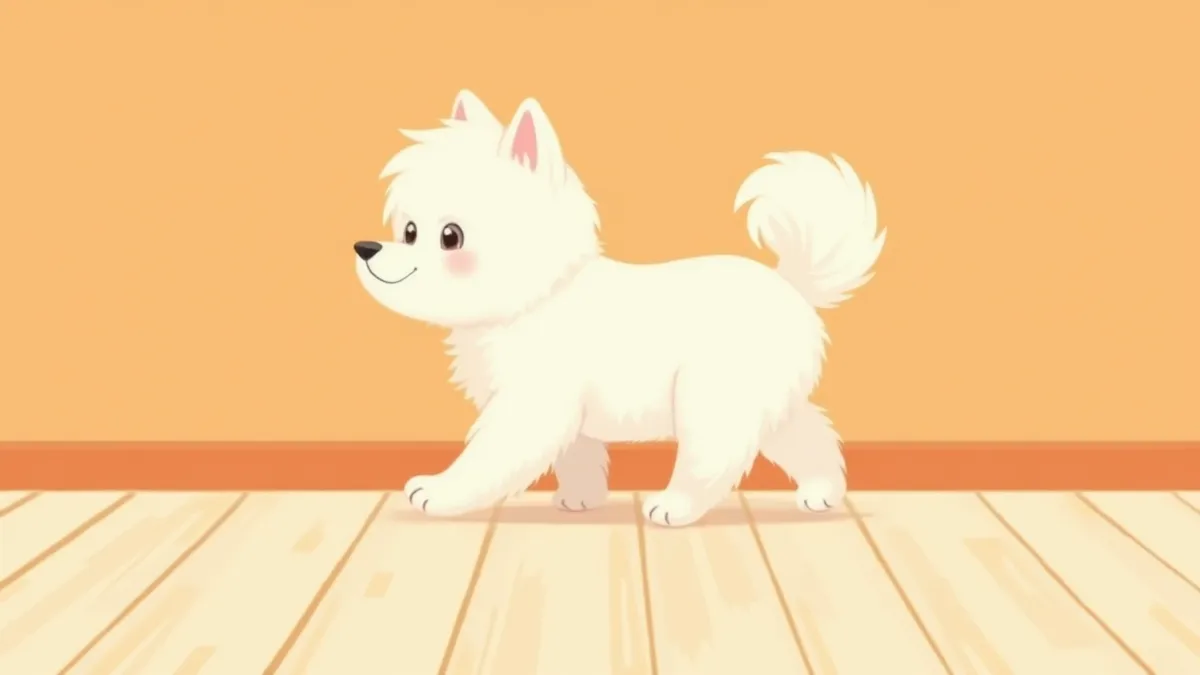
Bichon Frise walking indoors — a breed prone to patellar luxation
Small breeds like the Bichon Frise are particularly prone to patellar luxation. Veterinary textbooks explain that in small breeds, the patellar groove (trochlear groove) is often shallow, or there may be developmental abnormalities in the structures supporting the joint, causing the kneecap to easily dislocate. The most critical point is that early-stage symptoms are often subtle and intermittent, making them easy for owners to overlook. As a result, the condition is frequently discovered incidentally during routine check-ups. If detected at mild stages, such as Grade 1 or 2, it can often be managed without surgery through weight control and muscle strengthening. Therefore, establishing the habit of regularly monitoring your puppy’s knee health from an early age is the foundation for lifelong wellness.

Symptoms by Patellar Luxation Grade — What Grade Is Your Dog?

Patellar luxation is an orthopedic condition in which the kneecap slips out of its normal position, classified into four grades. The symptoms and treatment approach vary depending on the grade.
Grade 1: The kneecap can be manually displaced but returns to its normal position on its own. There are almost no noticeable symptoms in daily life.
Grade 2: The dog may suddenly lift its hind leg while walking, resulting in a recurring "skipping" gait.
Grade 3: The kneecap remains dislocated and can only be manually repositioned. Pain and lameness are severe.
Grade 4: The kneecap is permanently dislocated. Surgery is essential.

Why Bichon Frises Are Prone to Patellar Luxation
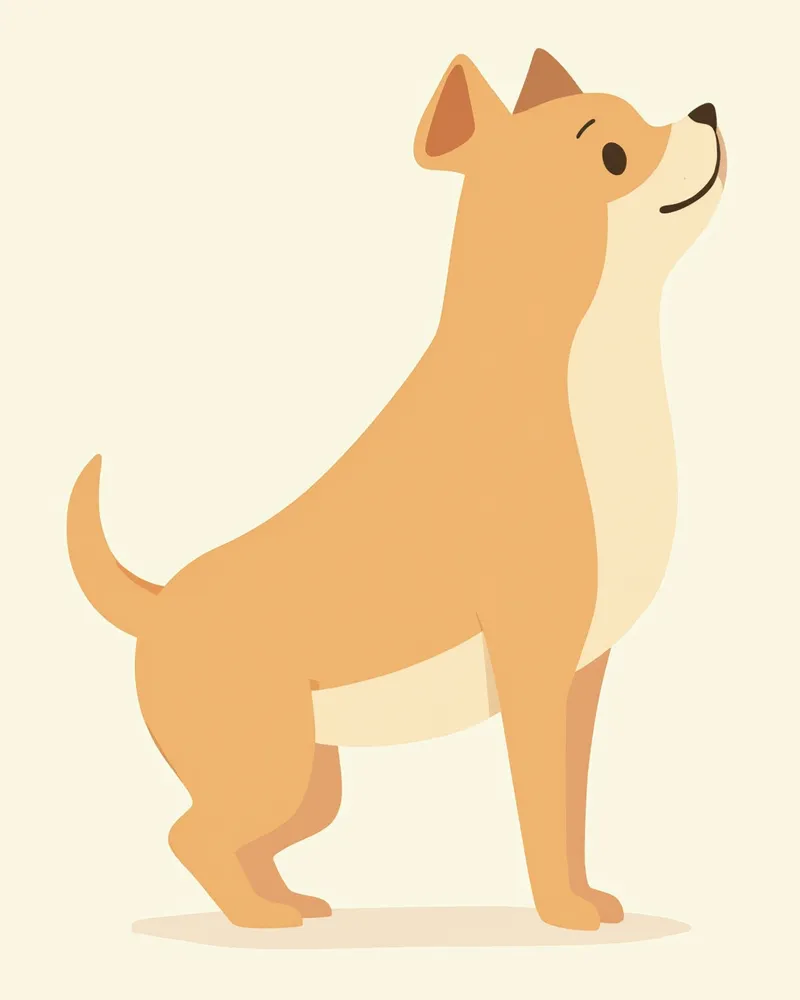
According to veterinary orthopedic textbooks, patellar luxation arises from a combination of structural factors, including abnormalities in the distal femur, a shallow patellar groove, and medial displacement of the tibial tuberosity. Small breeds like the Bichon Frise are often predisposed to these congenital structural vulnerabilities. The risk of developing the condition increases significantly when these factors are compounded by weight burden from obesity, repetitive activity on slippery floors, and frequent jumping from heights.
Comparison diagram of a puppy’s normal patellar position versus a dislocated patella

See These Symptoms? Visit the Vet Immediately

If your dog walks with one hind leg lifted for more than three steps, suddenly refuses to climb stairs or get on the sofa, or appears to have difficulty standing up from a sitting position, you should suspect a patellar luxation of grade 2 or higher. If you notice significant muscle atrophy in the hind legs or if the leg appears to bow inward, it may be grade 3 or higher. If these symptoms persist for more than two days, your dog should undergo a patellar manipulation examination at a veterinary clinic immediately.

Age-Specific Patellar Care Points for Puppies, Adult Dogs, and Seniors

Bichon Frise patellar care needs change with age. Puppy (up to 1 year old): Limit jumping on sofas and stairs, and use non-slip mats. Preventing rapid weight gain is key during this stage. Adult dog (1–7 years old): Have orthopedic check-ups every 6 months to 1 year, and request an annual patellar palpation exam. Senior dog (7+ years old): Add joint supplements and maintain thigh muscle strength through low-impact exercises like aquatic rehabilitation.
Patellar Health Management for Bichon Frise Dogs by Life Stage: Puppies, Adult Dogs, and Senior Dogs

5 Daily Care Tips to Protect Your Bichon Frise’s Patella

Weight Management: Maintaining a standard weight (3–5 kg) is the most effective preventive measure.
Slip Prevention: Place mats across the entire floor or have your pet wear non-slip socks.
Height Restrictions: Use ramps for sofas or stairs that are 30 cm or higher.
Strength Training: Build thigh muscles with short, regular walks (15–20 minutes, twice daily).
Regular Check-ups: Have your pet undergo a patellar palpation exam at least once a year.

When Is Surgery for Patellar Luxation Necessary?

Even with a Grade 2 patellar luxation, mild symptoms can often be managed through weight control, muscle strengthening, and anti-inflammatory medication. Surgery is indicated when: ① the dog has Grade 2 luxation with frequent or recurrent limping, or ② the condition is Grade 3 or 4. In many cases of patellar luxation, soft tissue correction alone is insufficient for stabilization, making bony corrective procedures such as trochleoplasty (groove deepening) or tibial tuberosity transposition essential for surgical success. The specific surgical approach will be determined by your veterinarian based on the examination findings. The recommended postoperative rest period is generally 6 to 8 weeks; adhering strictly to this recovery timeline typically allows most dogs to walk normally without limping.

Post-Surgery Recovery Care — Follow This for Better Outcomes
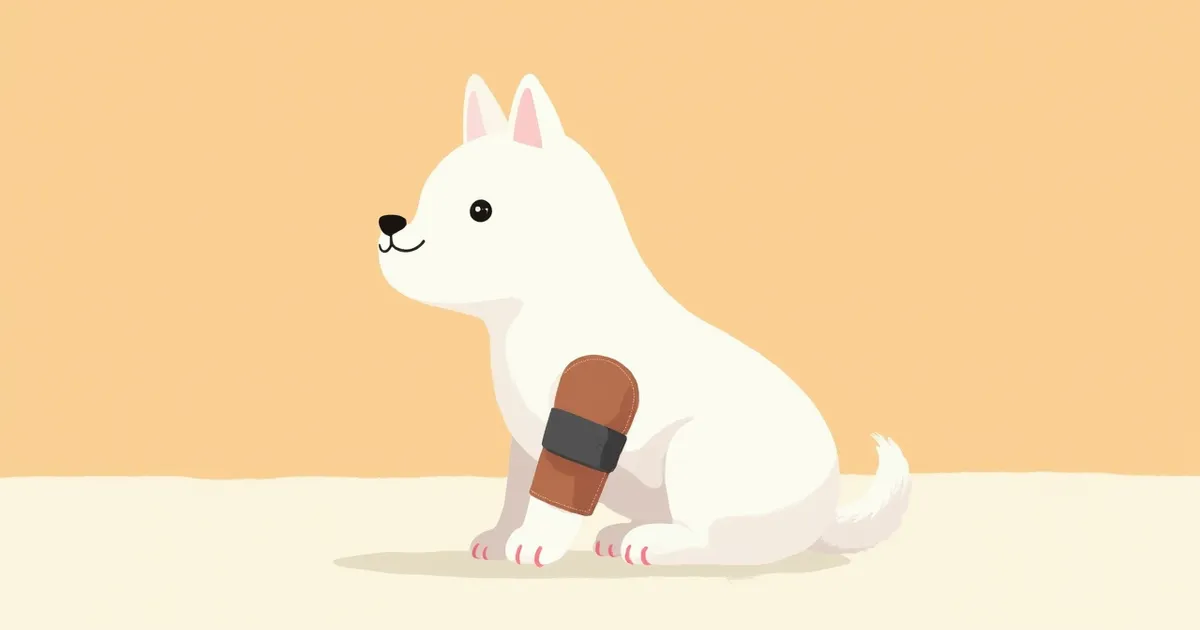
The six to eight weeks following surgery are a crucial recovery period during which strenuous activity must be restricted. Veterinary orthopedic textbooks emphasize that limiting activity during this time is decisive for proper bone healing (clinical union).
Cage rest: Restrict free roaming and maintain confinement in a crate.
Medication: Adhere strictly to the prescribed schedule for anti-inflammatory analgesics and antibiotics.
Rehabilitation exercises: Begin physical therapy as directed by your veterinarian; low-impact exercises such as swimming and aquatic rehabilitation are effective for recovery.
Follow-up examination: Confirm bone union status via radiographs at six to eight weeks post-surgery, and work together to prevent weight gain during the recovery period.
A Bichon Frise resting in a cage after surgery

Reviewed by a veterinarian

Dr. Tony — Punnawat Phongkittirak

Dr. Tony — Punnawat Phongkittirak

Veterinarian

A veterinarian who majored in veterinary medicine at Khon Kaen University, Thailand, and completed the IVSA program at North Carolina State University in the United States. Drawing on clinical experience at animal hospitals, he works in the pet healthcare field and is dedicated to building a digital care environment that connects pet parents with veterinarians.

Frequently Asked Questions

Is patellar luxation in Bichon Frises hereditary?
Patellar luxation is a developmental condition caused by a combination of structural factors during growth, such as a shallow patellar groove and abnormalities in the shape of the femur and tibia. These congenital structural vulnerabilities are common in small breeds, indicating a breed predisposition. Checking the orthopedic examination records of the parent and sibling dogs before adoption can be helpful.
If it’s Grade 1, can we just leave it as is?
Grade 1 cases are often managed without surgery, relying instead on weight control and muscle-strengthening exercises. However, since the condition can worsen if left untreated, regular check-ups every six months to a year are essential.
Are there any supplements that help with patellar luxation?
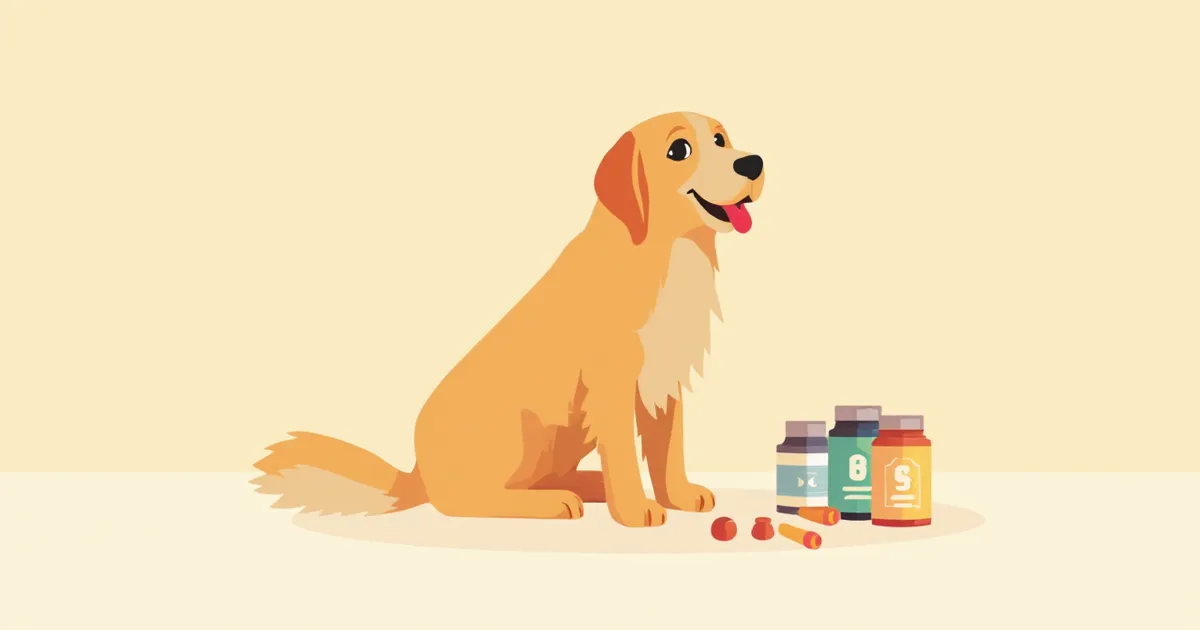
Glucosamine and chondroitin sulfate can help protect cartilage. However, supplements are only a supportive measure, and weight management and muscle-strengthening exercises are far more important. It's best to consult with your veterinarian before starting.
Can the condition recur after surgery?
Although the success rate of the surgery is high, recurrence can occur if obesity or excessive physical activity persists. Even after surgery, it's important to maintain proper weight management and attend regular check-ups consistently.
How much does patellar luxation surgery cost?
The exact cost varies depending on the surgical technique, clinic, and region, so it’s best to confirm the amount directly with your veterinarian. If you have pet insurance, be sure to check your coverage details as well.

Share

Related Guides

References

[1] Schaer M. (ed.), Clinical Medicine of the Dog and Cat, 4th Ed., CRC Press, 2023, Chapter: Musculoskeletal Disorders

[2] Fossum TW et al., Small Animal Surgery, 5th Ed., Elsevier, 2018, Chapter 33: Surgery of the Stifle

[3] Houlton JEF et al., Textbook of Veterinary Orthopaedic Surgery, Wiley-Blackwell, 2017, Chapter 11: Patellar Luxation

[4] Eddleston P., 100 Top Consultations in Small Animal General Practice, Wiley-Blackwell, 2011, Chapter: Patellar Luxation

This information is based on veterinary literature and does not replace diagnosis or treatment. Please consult a veterinarian for specific health concerns.

Metapet Co., Ltd. | CEO: Park Sung-yong | Business Reg. No. 417-88-02562 | Seoul, South Korea | Customer Center

Bichon Patellar Luxation: Grades & Age-Specific Lifelong Care | Meongsiljang