

Shiba Inu Allergy Skin Precautions and Age-Specific Lifelong Health Management Guide
Shiba Inus have a genetic predisposition to atopic dermatitis and food allergies. Our veterinary advisory board has outlined age-specific care tips and home management strategies for this breed.
Shiba Inu Skin Health Characteristics

4 Skin Conditions Common in Shiba Inus
How Does Atopic Dermatitis Progress?
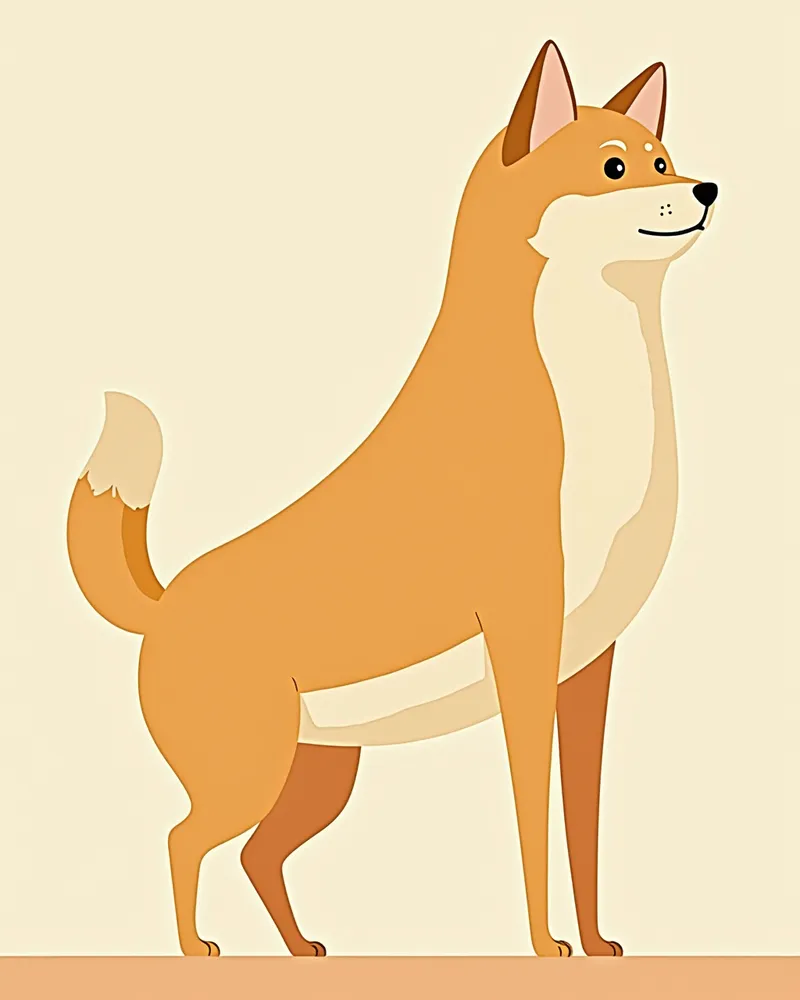
These Symptoms Require Immediate Veterinary Care
If any of the following symptoms persist for more than 48 hours, seek veterinary care immediately: widespread redness and swelling across the skin, discharge of serous fluid or pus from wounds, loss of appetite or lethargy accompanying skin issues, or severe symptoms appearing simultaneously in multiple areas such as the eyes, mouth, and paws. These signs may indicate a secondary infection or a serious allergic reaction.
Age-Specific Skin Health Management Points

At-Home Skin Care Routine
How to Choose Food When Suspecting Food Allergies
Health Points to Monitor Alongside Skin Health
Shiba Inus are prone to patellar luxation (dislocation of the kneecap) and hip dysplasia, so these conditions require careful monitoring. If you notice limping or a tendency to lift one leg while managing skin allergies, schedule both dermatological and orthopedic examinations. Annual or biennial comprehensive health check-ups can help detect various issues at an early stage.
Reviewed by a veterinarian

Dr. Tony — Punnawat Phongkittirak
VeterinarianA veterinarian who majored in veterinary medicine at Khon Kaen University, Thailand, and completed the IVSA program at North Carolina State University in the United States. Drawing on clinical experience at animal hospitals, he works in the pet healthcare field and is dedicated to building a digital care environment that connects pet parents with veterinarians.
Reviewed 2026-06-01
Frequently Asked Questions
Can Shiba Inu atopic dermatitis be cured?
My Shiba Inu keeps licking its paws. Could it be allergies?
Is there a specific dog food that’s good for Shiba Inu allergies?
Is it normal for allergy symptoms to change with the seasons?
How often should you bathe a Shiba Inu?
Share
Related Guides
Top 5 Medicated Dog Shampoos — For Pyoderma and Bacterial Infections

Veterinarian-Recommended Top 5 Medicated Shampoos for Canine Yeast Dermatitis — Relieves Itching and Greasiness
Top 5 Medicated Cat Shampoos Recommended by Veterinarians — Fungal Dermatitis and Fungal Care
7 Genetic Conditions in Siberian Cats — From Symptoms to Lifelong Care

Siberian Husky Triple-Coat Grooming — Brushing, Blow-Drying, and Skin Care for Shedding Season

Birman Cat HCM Screening: A Complete Guide from Start Age to Screening Intervals
Complete Guide to Himalayan Genetic Conditions — 7 Key Issues from Kidney Disease to Eye Disorders
Bengal Cat HCM Screening — Complete Guide to Timing, Frequency, and Costs
Bengal PK Deficiency (Anemia) — A Complete Guide from Symptoms to Genetic Testing and Management
Munchkin Hereditary Disease Checklist
References
[1] Nuttall T, Harvey RG, McKeever PJ et al. BSAVA Manual of Canine and Feline Dermatology, 4th Ed. BSAVA, 2019.
[2] Hnilica KA, Patterson AP. Small Animal Dermatology: A Color Atlas and Therapeutic Guide, 4th Ed. Elsevier, 2017.
[3] Gough A, Thomas A, O'Neill D. Breed Predispositions to Disease in Dogs and Cats, 3rd Ed. Wiley-Blackwell, 2018.