

Maltese Patellar Luxation: A Guide to Symptoms by Stage (1–4) and Surgical Timing
The Maltese is one of the small-breed dogs most commonly affected by patellar luxation. Here’s a comprehensive overview of the symptoms and management strategies for each stage (1–4), as well as the criteria for surgical intervention.
Why Are Maltese Prone to Patellar Luxation?
Anatomical Factors That Put Maltese at Higher Risk
Symptom Checklist by Stage
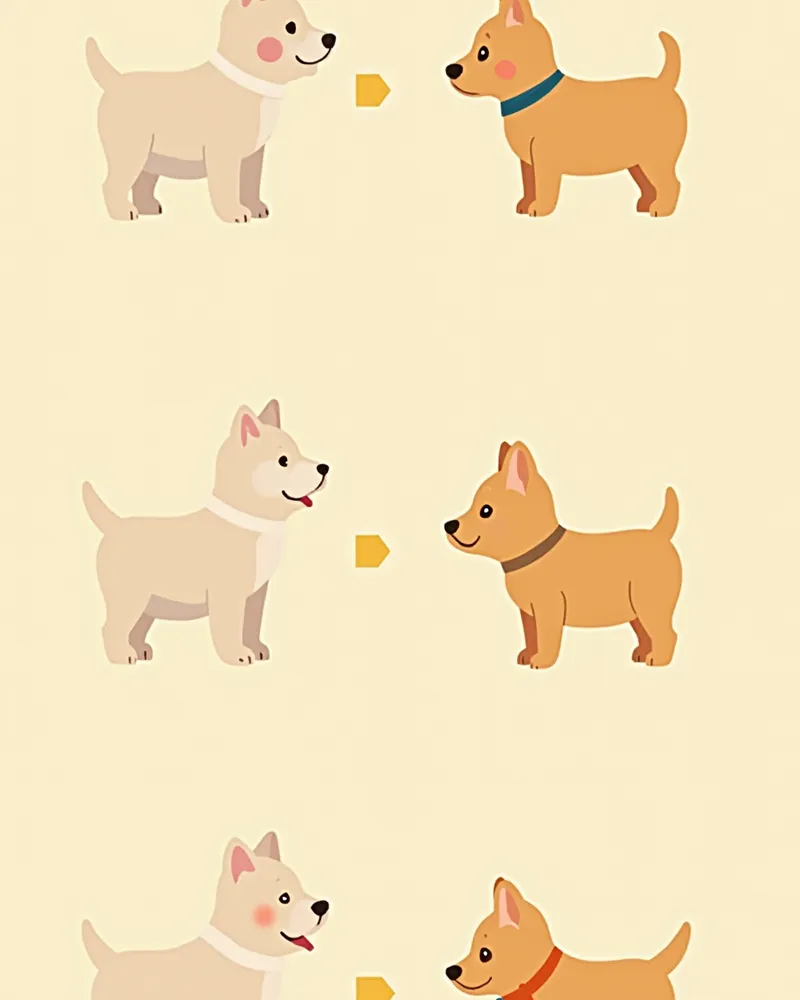
Comparison of Management and Treatment Guidelines by Stage
| Item | Grade 1 | Grade 2 | Grade 3 | Grade 4 |
|---|---|---|---|---|
| Representative symptoms | Asymptomatic | Occasional skipping gait | Frequent luxation/bow-legged gait | Constant luxation/limb deformity |
| Pain | Usually none | Usually painless intermittent lameness | May be present | May be present |
| Basic management | Weight/muscle management | Slip prevention/exercise control | Activity restriction/veterinary consultation | Immediate veterinary consultation |
| Surgery recommendation | Usually not needed | Consider if painful/recurrent | Strongly consider | Strongly recommended |
The actual assessment is determined by the veterinarian based on a combination of radiographs and gait evaluation.
Signs That Require Immediate Veterinary Attention
If your dog is unable to bear weight on its hind legs, cries out when sitting or standing, or shows weakness in both hind legs simultaneously, the condition may have progressed to stage 3 or 4, or another joint disease may be present. In particular, Maltese dogs often experience cranial cruciate ligament rupture alongside patellar luxation, and studies report that 15–20% of dogs with patellar luxation ultimately develop cranial cruciate ligament rupture. If sudden lameness occurs, it is important to seek an orthopedic examination as soon as possible.
Indications for Surgery and Surgical Approaches
Home Management Strategies to Prevent Recurrence
Tracking Symptoms and Preparing for Vet Visits
Key Points for Maltese Owners to Note
In addition to patellar luxation, Maltese dogs can also suffer from small-breed-specific conditions such as Legg-Calvé-Perthes disease (avascular necrosis of the femoral head) and tracheal stenosis. If your dog shows persistent hind limb lameness, don’t focus solely on the kneecap—make sure to also get hip X-rays. In young Maltese, if one hind leg is consistently limping, Legg-Calvé-Perthes disease should not be ruled out.
Reviewed by a veterinarian

Dr. Tony — Punnawat Phongkittirak
VeterinarianA veterinarian who majored in veterinary medicine at Khon Kaen University, Thailand, and completed the IVSA program at North Carolina State University in the United States. Drawing on clinical experience at animal hospitals, he works in the pet healthcare field and is dedicated to building a digital care environment that connects pet parents with veterinarians.
Reviewed 2026-04-26
Frequently Asked Questions
Does stage 1 mean surgery isn’t necessary?
Can supplements help?
Will surgery cure the condition?
My puppy only lifts and lowers its leg. Should I take it to the vet?
At what age do symptoms typically appear?
Share
Related Guides
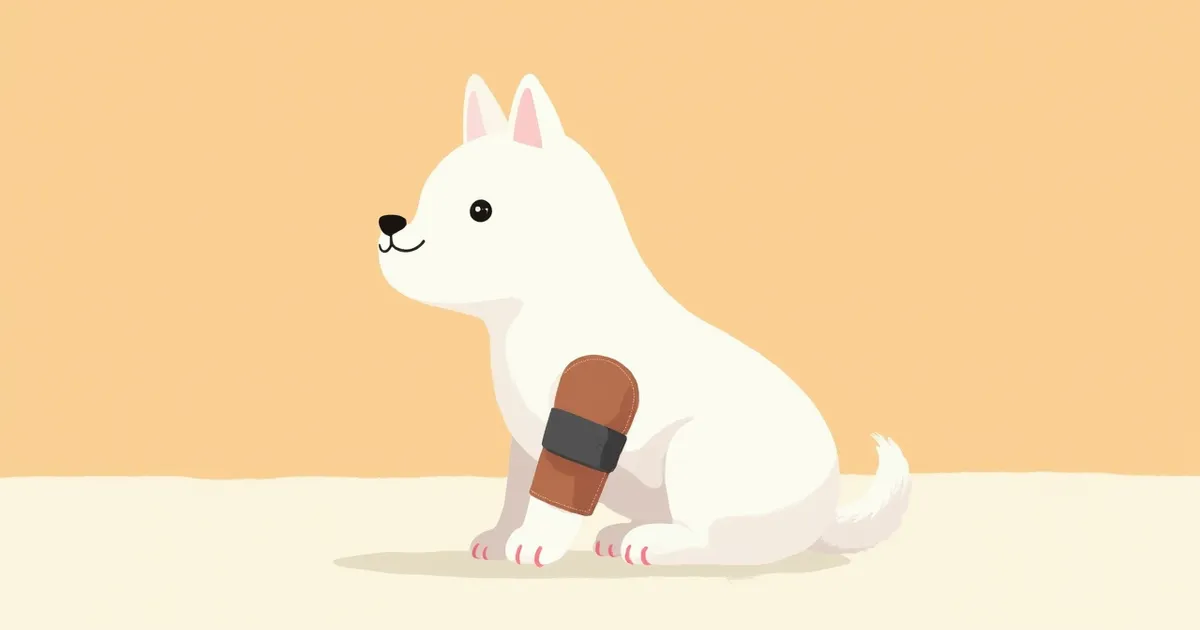
Top 5 Patellar Support Braces for Dogs — Stage-by-Stage Size Guide
Curcumin Efficacy and Anti-inflammatory/Joint Support
Top 5 Recommended Joint Supplements for Dogs in 2026
Miniature Pinscher Health Care: From Symptoms of Patellar Luxation and Heart Disease to Prevention
Samoyed Health Care (Skin & Heart)
Shiba Inu Health Care: Complete Guide to Allergies, Skin Diseases, and Patellar Luxation

Complete Guide to Beagle Health — From Ear Infection, Obesity, and Epilepsy Symptoms to Owner Care Points

Pug Health Care Guide: Key Points on Brachycephalic Respiratory Issues and Obesity

Chihuahua Health Management – Precautions and Prevention for Hydrocephalus and Patellar Luxation
Yorkshire Terrier Health Care Guide — Symptoms and Prevention of Tracheal Collapse and Patellar Luxation
References
[1] Textbook of Veterinary Orthopaedic Surgery, Chapter 11: Patellar Luxation
[2] Clinical Medicine of the Dog and Cat, 4th Ed — Patellar Luxation Pathophysiology
[3] 100 Top Consultations in Small Animal General Practice, Ch.45