
Like
Share
멍실장
시츄 건강 관리 가이드 (눈·피부·치석)

Shih Tzu Health Care Guide (Eyes, Skin, and Tartar)

Oral HealthBreed HealthMeongsiljang Veterinary Advisory Board

We’ve compiled the causes and prevention methods for eye, skin, and periodontal diseases that commonly affect Shih Tzus. You’ll also find practical care tips that pet owners can implement at home.

Shih Tzu Health: Eyes, Skin, and Teeth Are Key

A healthy Shih Tzu puppy facing forward
Shih Tzus are a small breed prone to eye, skin, and periodontal diseases. Their large, protruding eyes are vulnerable to corneal injuries, while their double coat and facial wrinkles make them susceptible to skin issues. If plaque (a bacterial film) in the mouth hardens into tartar, it can damage gum health and lead to periodontal disease. By properly managing these three areas, you can help your Shih Tzu stay healthier and enjoy a longer life together.

Three Conditions Shih Tzu Owners Must Know

Here are three conditions that are particularly common in Shih Tzus.
Ocular diseases: Due to their large, protruding eyes, Shih Tzus are prone to corneal ulcers, dry eye (keratoconjunctivitis sicca), and excessive tearing (epiphora), which can cause tear staining. If your dog frequently rubs its eyes or experiences a sudden increase in tearing, seek veterinary attention promptly.
Skin diseases: Their double coat and facial wrinkles can trap moisture, making them susceptible to bacterial skin infections and intertrigo (inflammation of skin folds). Cases of atopic dermatitis have also been reported.
Periodontal disease: Dental plaque (a bacterial film) in the mouth can harden into tartar, worsening gum health and potentially leading to periodontal disease.

Why Are Shih Tzu’s Large Eyes Prone to Problems?

Shih Tzus are a brachycephalic breed with a short skull, which causes their eyes to protrude. As a result, their corneas are easily scratched by grass or dust during walks.
Corneal Ulcer: Suspect this condition if your dog frequently blinks, has red eyes, or produces excessive tears. Visit a veterinary clinic immediately upon noticing these signs. If left untreated, the ulcer can deepen and impair vision.
Keratoconjunctivitis Sicca (Dry Eye): Reduced tear production leads to dry, gritty eyes and sticky discharge. This can be managed with artificial tears or immunomodulating eye drops prescribed by a veterinarian.
Epiphora (Tear Staining): This refers to the reddish discoloration of the fur around the eyes. Wiping the eye area daily with soft gauze helps reduce bacterial growth.
A Shih Tzu puppy undergoing an eye examination

Double Coat and Wrinkles: Causes of Skin Diseases

The Shih Tzu’s luxurious double coat is one of its most charming features, but poor ventilation can lead to skin problems. Moisture tends to accumulate in folded areas such as the facial wrinkles, armpits, and groin, creating an ideal environment for bacteria and yeast to proliferate.
Atopic dermatitis: Cases of atopic dermatitis have been reported in Shih Tzus. If your dog frequently scratches, licks its paws, or shows redness on the skin, this condition should be suspected. It is important to consult a veterinarian to identify the underlying allergens.
Intertrigo (skin fold infection): As a brachycephalic breed, Shih Tzus are prone to bacterial and yeast overgrowth in skin folds, particularly around the face. If you notice redness, odor, or discharge, seek veterinary care promptly for appropriate treatment.
A Shih Tzu puppy being brushed

Neglecting Tartar May Lead to Tooth Extraction

The true cause of periodontal disease is plaque, a bacterial film that forms on the tooth surface. When plaque combines with minerals and hardens into tartar, it creates a rough surface that allows more plaque to adhere easily, gradually compromising gum health. It’s important to note that the amount of tartar alone does not determine the severity of periodontal disease. In its early stages, periodontal disease often shows few symptoms; by the time you notice severe bad breath or pain while eating, the condition may already be quite advanced. If left untreated, it can progress to tooth mobility and ultimately require extraction. If you observe any of these signs, please schedule a dental examination at your veterinary clinic as soon as possible.

How Tartar Forms and How to Manage It
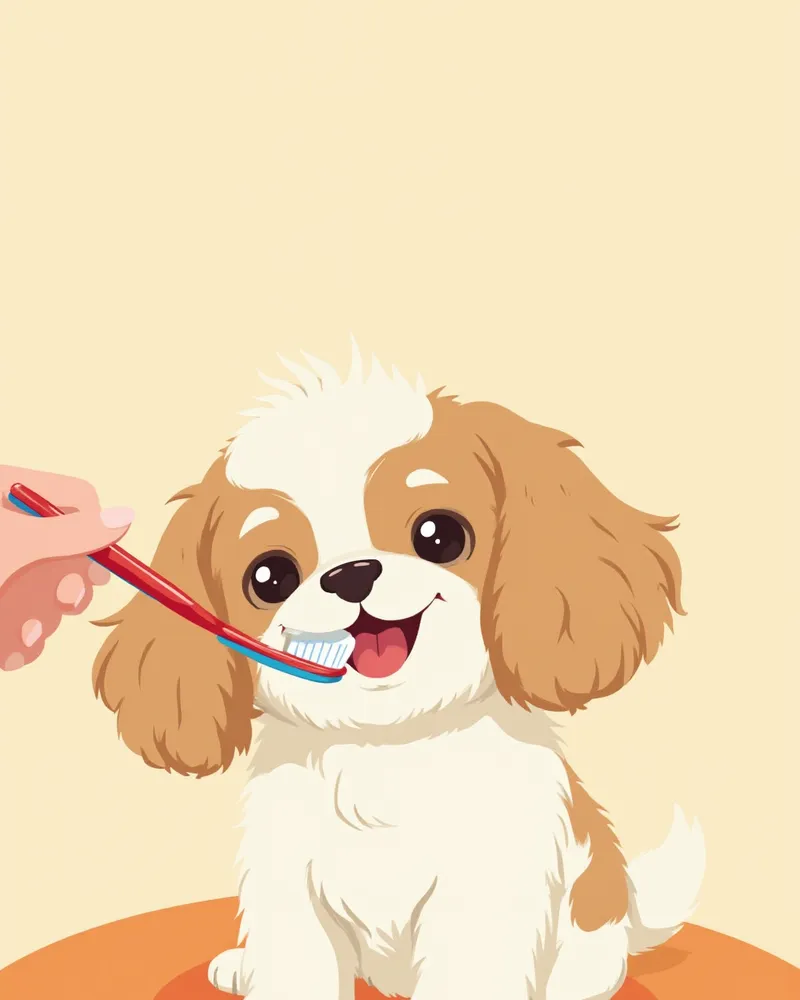
According to veterinary textbooks, tartar forms when minerals from saliva and breath—primarily calcium carbonate and calcium phosphate—deposit on plaque, a bacterial film, on the tooth surface. In dogs, tartar tends to accumulate especially on the outer surfaces of the upper molars and the inner surfaces of the lower molars. When tartar buildup becomes significant, professional dental scaling at a veterinary clinic is necessary. An ultrasonic scaler removes the tartar, followed by polishing the tooth surfaces to slow down future tartar adhesion. Because general anesthesia is required, the veterinarian will conduct pre-anesthetic testing to ensure safety. At home, daily tooth brushing is the most effective preventive measure. Always use toothpaste formulated specifically for pets; never use human toothpaste, as it is not suitable for animals.
A Shih Tzu puppy having its teeth brushed

Shih Tzu Daily Health Care Checklist

Here are some daily care tips to help keep your Shih Tzu’s eyes, skin, and teeth healthy.
Eye Care: Gently wipe around the eyes every day with a soft gauze pad. After walks, check for any foreign particles, and if you notice excessive tear staining, consult your veterinarian.
Skin Care: Bathe your Shih Tzu every two to three weeks. In addition to regular baths, frequently clean and dry the folds on their face to keep the area dry. Brush their coat daily to prevent tangles.
Dental Care: Daily tooth brushing is the most effective method. If brushing is difficult, you can use dental treats or oral rinses as supplements, but be sure to schedule regular dental check-ups.
Regular Check-ups: It’s a good idea to have a comprehensive health exam at least once a year to monitor the condition of their eyes, skin, and mouth.

Reviewed by a veterinarian

Dr. Tony — Punnawat Phongkittirak

Dr. Tony — Punnawat Phongkittirak

Veterinarian

A veterinarian who majored in veterinary medicine at Khon Kaen University, Thailand, and completed the IVSA program at North Carolina State University in the United States. Drawing on clinical experience at animal hospitals, he works in the pet healthcare field and is dedicated to building a digital care environment that connects pet parents with veterinarians.

Frequently Asked Questions

My Shih Tzu has severe tear staining. How should I manage it?
Gently wipe your pet’s eye area daily with a soft gauze pad dampened with lukewarm water. You can also use a tear-stain remover. If there is an excessive amount of tearing, it may indicate a blocked nasolacrimal duct, so please consult your veterinarian for an examination.
How often should a Shih Tzu have dental scaling?
While it varies from dog to dog, it's generally recommended to have a dental check-up once a year and proceed based on your veterinarian's assessment. Consistent daily brushing can help extend the time between professional cleanings.
My Shih Tzu’s skin keeps getting red—should I take them to the vet?
Yes, if the skin repeatedly becomes red or itchy, it could be atopic dermatitis or a bacterial infection. Identifying the cause early on makes treatment and management much easier, so please consult with a veterinarian as soon as possible.
What should I do if my Shih Tzu hates brushing its teeth?
Don’t start with a toothbrush right away. Instead, begin by wrapping gauze around your finger, applying a small amount of pet-specific toothpaste, and gently rubbing your pet’s teeth. Choosing a tasty toothpaste can help reduce resistance. Once your pet gets used to this, you can gradually transition to using a toothbrush.

Share

Related Guides

References

[1] The Dog Care Handbook: Things I Wish My Vet Had Told Me — Dental Scaling and Calculus Management

[2] 100 Top Consultations in Small Animal General Practice, Ch.36 — Calculus, Gingivitis and Periodontal Disease Treatment

[3] Slatter's Fundamentals of Veterinary Ophthalmology, 6th Edition — Brachycephalic Ocular Syndrome

[4] Small Animal Dermatology: A Color Atlas and Therapeutic Guide, 4th Edition — Canine Atopic Dermatitis

This information is based on veterinary literature and does not replace diagnosis or treatment. Please consult a veterinarian for specific health concerns.

Metapet Co., Ltd. | CEO: Park Sung-yong | Business Reg. No. 417-88-02562 | Seoul, South Korea | Customer Center

Shih Tzu Health Care Guide: Eyes, Skin & Tartar | Meongsiljang