

Sphynx Cat Health Care — Skin and Heart Conditions to Watch For and Management Tips
Sphynx cats are prone to skin conditions due to their lack of fur and have a higher risk of developing hypertrophic cardiomyopathy. We’ve compiled a guide to breed-specific health concerns and proper care practices.
Essential Things to Know for Raising a Healthy Sphynx Cat
5 Conditions Sphynx Cats Need to Be Particularly Watchful For
Skin Care Requiring Extra Attention Due to Lack of Fur

Hypertrophic Cardiomyopathy: Early Detection Is Key
Regular Cardiac Echocardiograms Are Essential
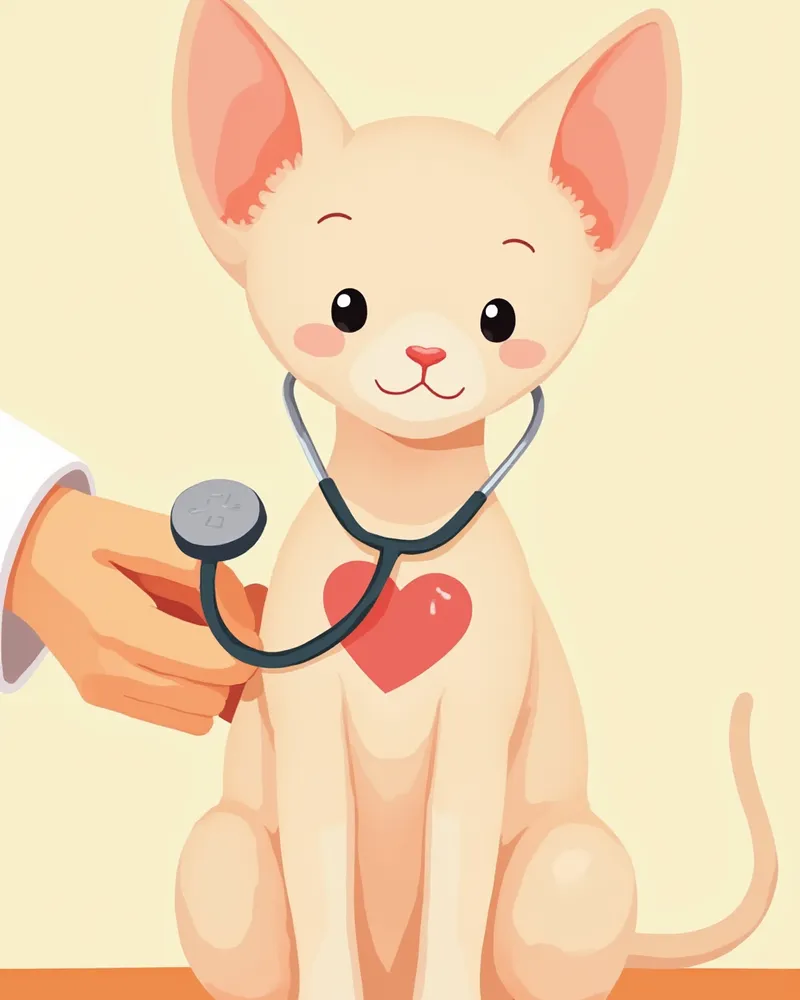
We recommend that Sphynx cats undergo regular cardiac echocardiograms, even if they show no symptoms. Hypertrophic cardiomyopathy is difficult to diagnose definitively through auscultation alone, and an echocardiogram is the most accurate non-invasive diagnostic method. If you are planning to breed your cat, it is essential to have them tested beforehand to assess any genetic risks.
Daily Health Care Points for Sphynx Cats

Temperature and UV Exposure: Environmental Management Is Important
Reviewed by a veterinarian

Dr. Tony — Punnawat Phongkittirak
VeterinarianA veterinarian who majored in veterinary medicine at Khon Kaen University, Thailand, and completed the IVSA program at North Carolina State University in the United States. Drawing on clinical experience at animal hospitals, he works in the pet healthcare field and is dedicated to building a digital care environment that connects pet parents with veterinarians.
Reviewed 2026-04-13
Frequently Asked Questions
Do Sphynx cats really have no fur at all?
Should I avoid bathing my Sphynx cat too frequently?
Is hypertrophic cardiomyopathy treatable?
Is it okay to dress up a Sphynx cat?
Share
Related Guides

Top 5 Medicated Dog Shampoos — For Pyoderma and Bacterial Infections

Veterinarian-Recommended Top 5 Medicated Shampoos for Canine Yeast Dermatitis — Relieves Itching and Greasiness

Top 5 Medicated Cat Shampoos Recommended by Veterinarians — Fungal Dermatitis and Fungal Care

High Incidence of Mediastinal Lymphoma in Siamese Cats — Early Signs of Respiratory Distress

Bernese Mountain Dog Cancer — Incidence, Average Lifespan, and Common Tumors: A Complete Guide

Polycystic Kidney Disease in British Shorthairs — Genetic Testing and Lifelong Management

Miniature Poodle Patellar Luxation: A Guide to 4-Stage Symptoms and Surgical Timing

Hemivertebrae in French Bulldogs — Lifelong Spinal Care Checklist

Pomeranian Patellar Luxation: High Incidence — Step-by-Step Management and Brace Guide

Cavalier King Charles Syringomyelia — Lifelong Management Guide
References
[1] The Cat, Clinical Medicine and Management, 2nd Edition — Chapter 25: Dermatology
[2] BSAVA Manual of Canine and Feline Dermatology, 4th Edition — Feline Dermatoses
[3] Vitale CB, Ihrke PJ, Olivry T et al. (1996) Feline urticaria pigmentosa in three related Sphinx cats. Veterinary Dermatology 7, 221–233
[4] Kittleson MD. Hypertrophic Cardiomyopathy. In: Small Animal Cardiovascular Medicine, 2nd Edition