Like
Share
멍실장
말티즈 건강 관리 가이드 — 슬개골·눈물·치석 관리법

Maltese Health Care Guide — Patellar, Tear Stain, and Tartar Management

JointBreed HealthMeongsiljang Veterinary Advisory Board

We’ve compiled the causes and management strategies for patellar luxation, tear staining, and dental tartar—conditions to which Maltese dogs are particularly susceptible—based on veterinary textbooks.

To Raise a Healthy Maltese, Be Sure to Focus on These Three Things

A healthy Maltese sitting on a cushion
The key areas to focus on are patellar joint care, tear stain management, and dental care. Maltese dogs remain consistently popular thanks to their adorable appearance and cheerful personalities, but they do have health vulnerabilities common to small breeds. Patellar luxation is very common in Maltese, tear stains are particularly noticeable on their white coats, and their small jaw structure leads to rapid tartar buildup. Properly managing just these three areas can significantly improve your Maltese’s quality of life. Let’s look at the causes and care methods for each issue one by one.

Top 3 Health Issues Maltese Dogs Need to Watch Out For

Here are three health issues that Maltese dogs are particularly prone to.
Patellar Luxation: This condition occurs when the kneecap slips out of its normal position. It is very common in small breeds like the Maltese, and severe cases may require surgery.
Tear Staining (Epiphora): Excessive tearing can cause the fur beneath the eyes to turn brown. This is not just a cosmetic concern; it may also signal an underlying eye health issue.
Tartar and Periodontal Disease: Due to their small jaws and crowded teeth, Maltese dogs are prone to rapid tartar buildup, which can easily lead to gum inflammation and periodontal disease.

Patellar Luxation — A Representative Joint Disease in Small Breeds

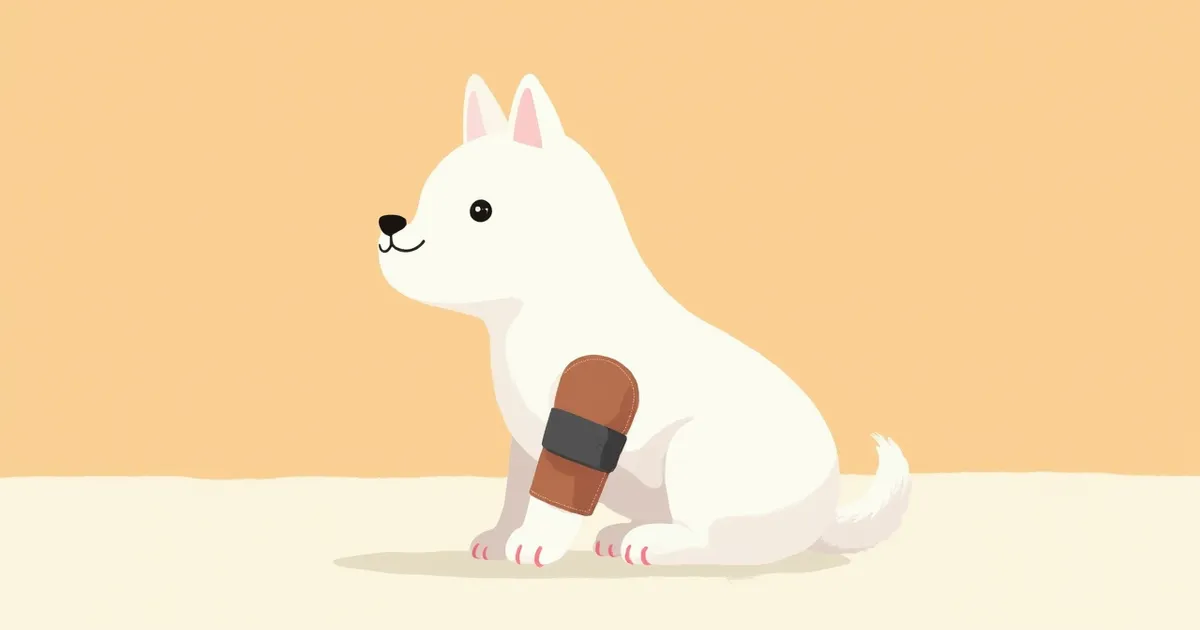
According to veterinary orthopedic textbooks, the Maltese is one of the breeds most prone to patellar luxation. Most cases involve medial (inner) luxation, which occurs when the trochlear groove of the femur is shallow or the upper part of the tibia grows at an inward angle. In stages 1 and 2, the condition can be managed through weight control and lifestyle adjustments, such as using non-slip flooring. For stage 3 and above, most veterinarians recommend surgery. Delaying surgery can lead to the wear of articular cartilage and the progression to degenerative arthritis. If you’d like to learn more about the symptoms and stages of patellar luxation, please refer to the Patellar Luxation Symptoms Guide.
A Maltese undergoing a hind leg examination by a veterinarian.

Tear Staining — Why It Stands Out on White Coats
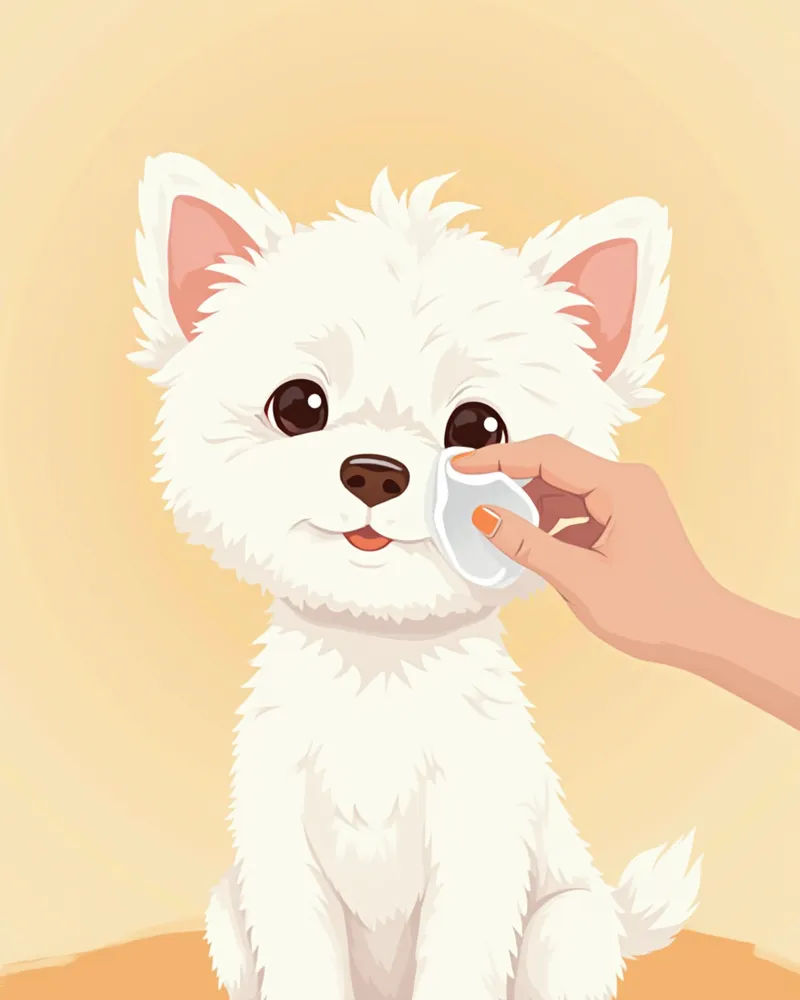
Brown tear stains on a Maltese’s white coat are a sign of epiphora, a condition where tears fail to drain properly and overflow onto the face. This is common in Maltese because their nasolacrimal ducts are often congenitally narrow or blocked. Other potential causes include distichiasis (abnormal eyelashes that irritate the eye), allergies, and entropion (inward-rolling eyelids). The key to managing tear stains is daily care: gently wipe the area around the eyes with soft gauze and keep the hair trimmed so it doesn’t touch the eyes. For safety, always consult your veterinarian before using any tear stain removal products.
A close-up of a Maltese having its eyes gently wiped clean.

If Tear Production Suddenly Increases, Visit the Vet Immediately

If your pet’s tear production suddenly increases, discharge turns yellow or green, or they frequently rub or squint their eyes, these could be signs of eye conditions such as conjunctivitis, corneal ulcers, or glaucoma. This is a medical issue, not just cosmetic tear staining, so please seek veterinary care promptly.

Tartar and Periodontal Disease — Big Problems in Small Mouths

Small-breed dogs with short muzzles, such as Maltese, have teeth crowded in a limited space, which allows food debris to easily accumulate and tartar to build up quickly. According to veterinary dentistry textbooks, calculus (tartar) forms when minerals such as calcium carbonate and phosphate deposit on plaque and harden, particularly on the outer surfaces of the upper premolars and the inner surfaces of the lower premolars, where salivary secretion is abundant. Oral diseases tend to occur more frequently as dogs age and are more common in small-breed dogs. When tartar accumulates, the gums become swollen and bleed. If left untreated, the condition progresses to periodontal disease, in which the alveolar bone deteriorates, causing teeth to loosen or fall out. As periodontal disease worsens, it can be linked to systemic health issues, making oral hygiene management an important part of maintaining your dog’s overall health. Daily tooth brushing is the most effective preventive measure. Use a toothbrush and toothpaste designed specifically for dogs, and if tartar has already hardened, professional scaling (tartar removal) at a veterinary clinic is recommended.
A Maltese showing off its clean teeth

Maltese Daily Health Care Checklist

These are the key daily care practices to help extend your Maltese’s healthy lifespan.
Weight management: Maintaining an ideal weight reduces stress on the patella. Ask your veterinarian to determine the target weight for your dog.
Slip prevention: Place rugs or non-slip mats on your floors to lessen the strain on your dog’s joints.
Daily eye cleaning: Gently wipe around the eyes with a soft gauze pad dampened with lukewarm water.
Daily teeth brushing: Brush your dog’s teeth every day using a dog-specific toothbrush and toothpaste. If you’re just starting out, you can begin with a finger brush.
Regular check-ups: Have your dog’s patella, eyes, and teeth evaluated during health check-ups at least once or twice a year.

Additional Points for Maltese Owners to Know

In small-breed dogs like Maltese, respiratory issues—such as frequent coughing or a honking sound reminiscent of a goose’s call—may occur. If these symptoms persist or recur, it is important to have your veterinarian evaluate the underlying cause. Additionally, small puppies may struggle with blood sugar regulation if the intervals between meals are too long, so please maintain a consistent feeding schedule. Using a harness instead of a collar can help reduce pressure on the neck.

Reviewed by a veterinarian

Dr. Tony — Punnawat Phongkittirak

Dr. Tony — Punnawat Phongkittirak

Veterinarian

A veterinarian who majored in veterinary medicine at Khon Kaen University, Thailand, and completed the IVSA program at North Carolina State University in the United States. Drawing on clinical experience at animal hospitals, he works in the pet healthcare field and is dedicated to building a digital care environment that connects pet parents with veterinarians.

Frequently Asked Questions

At what age does patellar luxation typically appear in Maltese dogs?
Because genetic factors play a major role, patellar luxation can manifest early in life. However, in the early stages, it often occurs intermittently and may not present with obvious pain during a physical examination, making it difficult for owners to pinpoint when it first started. Additionally, patellar luxation is best diagnosed through a physical exam rather than X-rays, so it’s a good idea to have a veterinarian perform a patellar check when adopting a dog.
Are there any foods or supplements that are effective for tear stains?
While there are many tear-stain supplements on the market, their effectiveness varies from dog to dog. It’s best to first have a veterinarian identify the underlying cause of the tearing—such as blocked tear ducts or allergies—and then focus on management tailored to that specific cause.
Do I need to brush my Maltese’s teeth every day?
Daily brushing is the most effective approach. Once plaque hardens into tartar, it directly threatens gum health, so consistent brushing to prevent plaque buildup is essential. Start with a finger brush and gradually help your pet get used to it.
How often should a Maltese have dental scaling?
While the frequency depends on your pet’s dental health, veterinarians typically recommend a professional oral exam once a year to determine if scaling is necessary. Consistent daily brushing can help extend the time between cleanings. Since dental scaling requires general anesthesia, please discuss the procedure thoroughly with your veterinarian beforehand.

Share

Related Guides

References

[1] Clinical Medicine of the Dog and Cat, 4th Ed — Chapter 15: Musculoskeletal Disorders (Patellar Luxation)

[2] Textbook of Veterinary Orthopaedic Surgery — Chapter 11: Patellar Luxation

[3] Small Animal Ophthalmology: A Problem-Oriented Approach, 4th Ed (Peiffer & Petersen-Jones) — Chapter: Nasolacrimal System Disorders

[4] Veterinary Dentistry: A Team Approach, 3rd Ed (Holmstrom) — Chapter: Periodontal Disease

[5] 100 Top Consultations in Small Animal General Practice — Patellar Luxation

This information is based on veterinary literature and does not replace diagnosis or treatment. Please consult a veterinarian for specific health concerns.

Metapet Co., Ltd. | CEO: Park Sung-yong | Business Reg. No. 417-88-02562 | Seoul, South Korea | Customer Center

Maltese Health Guide: Patella, Tear Stain & Tartar Care | Meongsiljang