
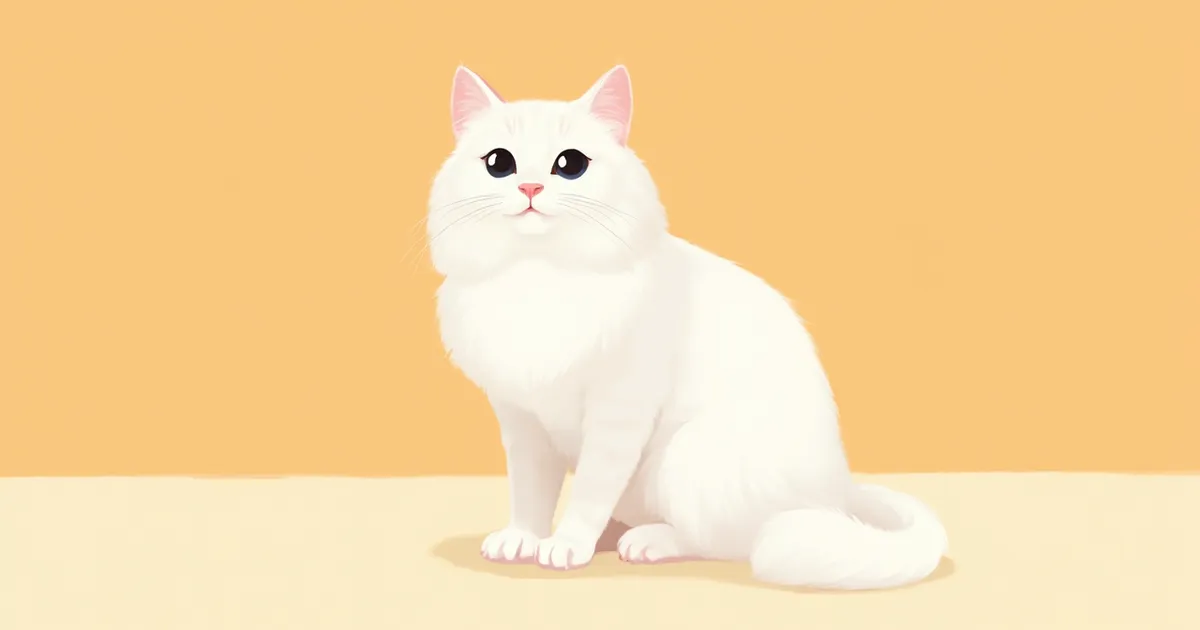
Persian Cat Health Care — Eye, Kidney, and Respiratory Conditions to Watch For and Prevention Methods
Persian cats are prone to eye, kidney, and respiratory issues due to their flat facial structure. We’ve compiled evidence-based information from veterinary textbooks on the symptoms and management of polycystic kidney disease, blocked tear ducts, and brachycephalic airway syndrome.
Health Points Persian Cat Owners Must Know

Top 3 Conditions to Watch For in Persian Cats
Tear Stains and Eye Health Care

Polycystic Kidney Disease: Why Is It Common in Persians?
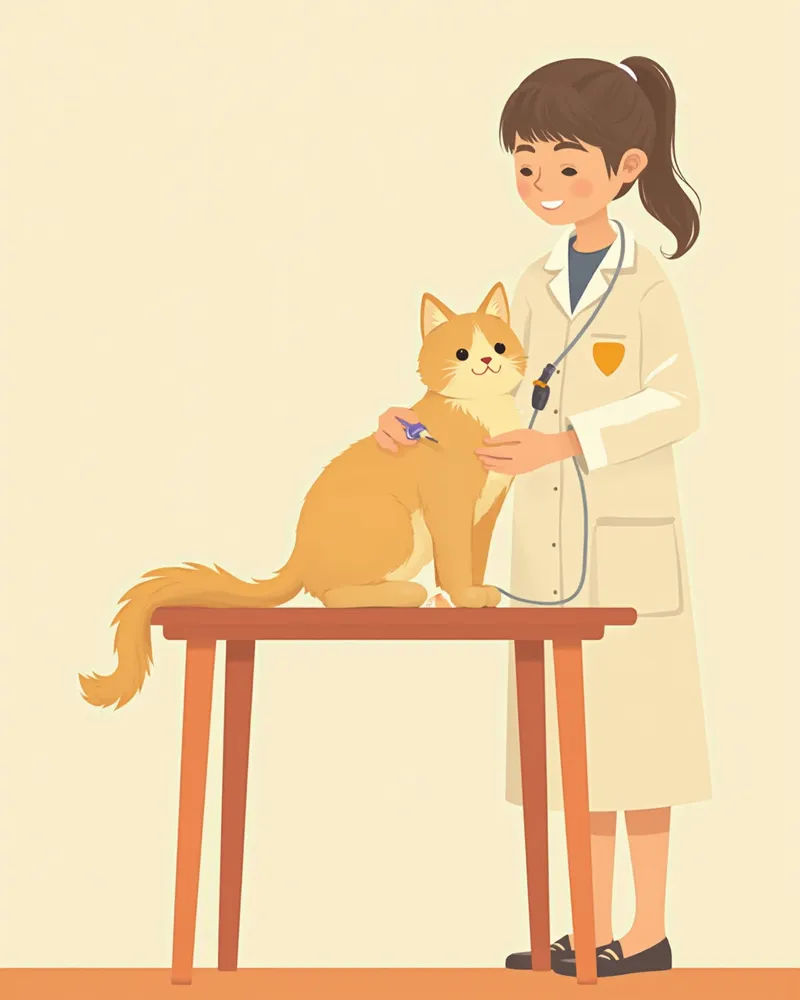
Genetic Testing and Regular Ultrasounds: Make Sure to Get Them
Polycystic kidney disease can be detected in advance through genetic testing. If you’ve adopted a Persian cat, it’s a good idea to have them undergo genetic testing at least once. For cats already living with you, we recommend an annual kidney ultrasound screening. Early detection is the most important key to preserving kidney function for as long as possible. By the time symptoms appear, kidney function may already be significantly impaired.
Brachycephalic Respiratory Issues and Daily Management

If Your Cat Is Breathing Through Its Mouth, It’s an Emergency
Unlike dogs, cats normally breathe through their noses. If your Persian cat is panting with its mouth open, has blue-tinged gums, or shows severe chest heaving while breathing, these are signs of oxygen deprivation. Move the cat to a cool area immediately and take it to an emergency veterinary clinic without delay.
Daily Health Care Checklist for Persian Cats
Reviewed by a veterinarian

Dr. Tony — Punnawat Phongkittirak
VeterinarianA veterinarian who majored in veterinary medicine at Khon Kaen University, Thailand, and completed the IVSA program at North Carolina State University in the United States. Drawing on clinical experience at animal hospitals, he works in the pet healthcare field and is dedicated to building a digital care environment that connects pet parents with veterinarians.
Reviewed 2026-04-13
Frequently Asked Questions
Why do Persian cats get tear stains?
Is polycystic kidney disease treatable?
My Persian cat snores quite loudly. Is this normal?
What should be included in a Persian cat’s health checkup?
Share
Related Guides

Top 5 Prescription Diets for Cats with Chronic Kidney Disease — Stage-Specific Protein Adjustment

7 Emergency Signs and Causes of Acute Kidney Failure in Dogs You Must Not Miss
Top 5 Cat Kidney Supplements Recommended for 2026

Jack Russell Terrier Health Care Calendar — Age-Specific Checkup and Joint Health Management Schedule

Shiba Inu Regular Checkup Schedule

Labrador Lifetime Screening Schedule: A Complete Guide to Age-Specific Common Diseases and Management

Complete Guide to Labrador Retriever Genetic Diseases — Checklist from Hip to Ophthalmologic Conditions

Labrador Hip and Elbow Dysplasia: A Complete Guide from Screening to Management
Beagle Regular Check-up Schedule — Age-Based Checklist and Management of Common Conditions by Life Stage

7-Point Checklist for Beagle Genetic Conditions — A Complete Guide for Lifelong Care by Owners
References
[1] The Cat, Clinical Medicine and Management, 2nd Edition — Susan Little — Chapter 35: Urinary Tract Disorders (Polycystic Kidney Disease)
[2] Clinical Medicine of the Dog and Cat, 4th Edition — Chapter 13: Urinary System (Polycystic Kidney Disease in Persian Cats)
[3] A Professional's Guide to Feline Behaviour — Chapter 6: Breed-related Health and Welfare Issues