
Like
Share
멍실장
시바이누 알러지 단계별 관리

Stage-Specific Management of Shiba Inu Allergies

Skin & CoatBreed HealthMeongsiljang Veterinary Advisory Board

Shiba Inus are a breed with a high incidence of atopic dermatitis, making stage-specific management—early, moderate, and chronic—essential. Here’s a comprehensive overview of key signs to monitor at home and the criteria for veterinary treatment.

Why Are Shiba Inu Allergies So Frequent?

A Shiba Inu resting comfortably
Shiba Inus are a breed known to have a genetic predisposition to allergic skin conditions, including atopic dermatitis. Atopic dermatitis is recognized as a hereditary inflammatory skin disease with a strong breed predisposition. The key to management is early detection and staged intervention. If your dog shows recurrent itching, ear problems, or paw licking at a relatively young age, it is likely an early sign of allergies rather than a simple habit. Itching often manifests as scratching, licking, or rubbing, so please observe your pet’s behavior closely. Catching it early can prevent the condition from becoming chronic and help avoid secondary bacterial or Malassezia infections.

Top 3 Allergies Common in Shiba Inus

Here’s a summary of the most common allergy types Shiba Inu owners encounter.
Atopic dermatitis: A hereditary skin condition triggered by environmental allergens such as house dust mites and pollen.
Food allergies: Itching and gastrointestinal symptoms that occur in response to specific proteins, such as those found in chicken, beef, and dairy products.
Contact dermatitis: Redness on the belly and paw pads caused by direct contact with substances like shampoos, carpets, or grass.

Symptom Checklist by Stage

Shiba Inu allergies manifest differently depending on the stage of progression.
Early stage: Your dog may frequently lick or scratch their face, front paws, and ears. The skin may still appear clear before redness or abrasions become visible.
Intermediate stage: The belly, groin, and armpits become red and begin to lose hair. Pustules or scaling may accompany the scratched areas.
Chronic stage: The skin thickens and darkens (lichenification). Secondary bacterial and Malassezia infections may recur, causing symptoms to become persistent.
Check the skin between your Shiba Inu’s paw pads.

Signs That Require Immediate Veterinary Attention

If any of the following apply, you should take your pet to a veterinary clinic within 24 hours: - Scratching that causes bleeding or discharge - A foul odor from the ears or frequent head shaking - Sudden swelling of the face or eyelids, or changes in breathing - Severe itching that prevents sleep or causes refusal to eat Secondary infections or acute systemic reactions can rapidly worsen your pet’s overall condition if left untreated.

Narrowing Down Causes You Can Check at Home

Preparing a summary before your visit will make the consultation much more efficient. - Note whether the symptoms are seasonal or occur year-round. - Jot down any changes in food, treats, shampoo, or walking routes over the past three months. - Observe when the itching worsens: after meals, after walks, or after baths. Veterinary textbooks recommend ruling out external parasites, secondary bacterial infections, and food reactions before proceeding with environmental allergy testing.

Comparison of Diagnosis and Treatment Approaches by Allergy Type

ItemAtopic dermatitisFood allergyContact dermatitis
Main causesHouse dust mites/pollenCertain proteins/additivesShampoo/carpet/grass
Affected areasFace/paws/ears/bellyWhole body plus accompanying GI symptomsContact surfaces such as belly and paw pads
Diagnostic methodEnvironmental allergen testingElimination diet trial (8–12 weeks)Removal test of the causative substance
First-line managementMedication plus moisturizing/immunomodulatory therapyMaintain a dedicated prescription dietBlock exposure plus washing

Final diagnosis and treatment must be decided through a veterinary examination.

Common Diagnostic Tests and Treatments at the Veterinary Clinic
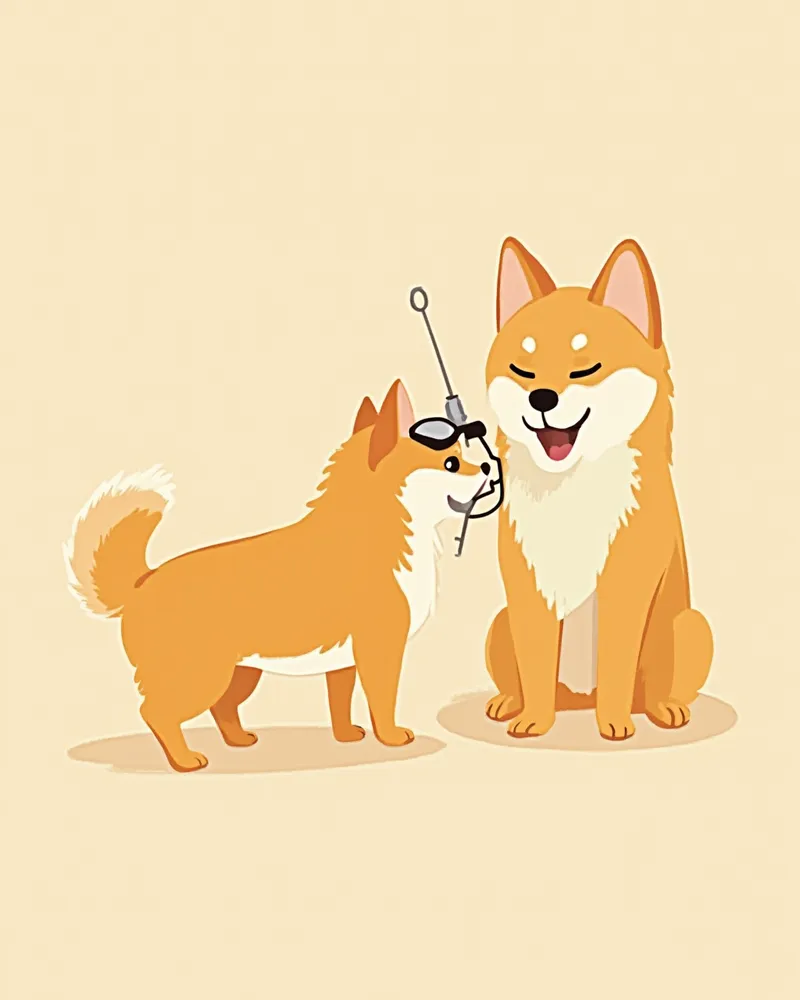
Veterinarians take a step-by-step approach based on the Favrot criteria for diagnosing atopic dermatitis. They first rule out external parasites and secondary infections through skin scraping tests and bacterial cultures, and if necessary, proceed with environmental allergen testing (intradermal or serological tests). Treatment involves a combination of anti-itch medications, topical therapies, moisturizing care, and immunomodulatory therapy (allergen-specific immunotherapy), applied in stages. The veterinarian determines the appropriate drug dosage and administration interval based on the pet’s weight and symptoms.
A veterinarian examining the ears of a Shiba Inu

Consistent Stage-Specific Home Care to Perform at Home

Daily care is just as important as medication.
Daily: After walks, wipe your pet’s paws, belly, and face with a lukewarm damp cloth, and take photos of any scratched areas for tracking.
1–2 times per week: Bathe with a gentle, medicated shampoo, then apply a moisturizer.
Once a month: Conduct a thorough check of the ears, between the toes, and the armpits.
During seasonal transitions: If symptoms worsen, recheck the labels on your pet’s food and treats.
A consistent routine helps extend the time between flare-ups.

Points Shiba Inu Owners Should Pay Special Attention To

In dogs with atopic dermatitis, worsening itch can quickly lead to self-trauma, such as excessive licking and chewing. Additionally, leaving the coat damp increases the risk of Malassezia infection, so be sure to thoroughly dry the undercoat after bathing. Using steroid creams or human medications without veterinary guidance can mask symptoms and delay proper diagnosis and treatment. Always use medications only under the direction and prescription of a veterinarian.

Reviewed by a veterinarian

Dr. Tony — Punnawat Phongkittirak

Dr. Tony — Punnawat Phongkittirak

Veterinarian

A veterinarian who majored in veterinary medicine at Khon Kaen University, Thailand, and completed the IVSA program at North Carolina State University in the United States. Drawing on clinical experience at animal hospitals, he works in the pet healthcare field and is dedicated to building a digital care environment that connects pet parents with veterinarians.

Frequently Asked Questions About Shiba Inu Allergies

Can allergies in Shiba Inus be completely cured?
Atopic dermatitis has a genetic predisposition, so the goal is long-term management rather than a complete cure. With consistent care, you can help your pet enjoy longer symptom-free periods.
At what age do the symptoms typically begin?
Atopic dermatitis typically first appears at a relatively young age. If your pet repeatedly shows suspicious signs such as itching, excessive licking, or ear issues during this early stage, it’s important not to dismiss them as mere habits and instead consult a veterinarian promptly. Keeping a record of the condition, such as whether symptoms persist for more than three months a year, can be helpful in guiding diagnosis and treatment decisions.
If my pet has a dust mite allergy, is thorough cleaning alone enough to manage it?
While regular cleaning, using an air purifier, and hot-washing bedding can be very helpful, it’s difficult to completely eliminate exposure. Combining these measures with symptom-controlling medications and immunotherapy yields the best results.
Will switching to a hypoallergenic diet immediately improve my pet’s condition?
If food allergies are the cause, it typically takes 8 to 12 weeks on a restricted diet to determine the outcome. Mixing in treats or supplements before then can cloud the results.
Can I use a skin allergy test kit at home?
The only allergy tests recognized in veterinary medicine are intradermal skin testing (IDT) and serum IgE testing. Since commercial saliva- and hair-based test kits are not validated diagnostic methods in veterinary medicine, it’s safest to get an accurate diagnosis through specialized testing at a veterinary clinic.

Share

Related Guides

References

[1] BSAVA Manual of Canine and Feline Dermatology, 4th Edition — Chapter on Allergy Testing and Allergen-Specific Immunotherapy

[2] Favrot C. et al., A prospective study on the clinical features of chronic canine atopic dermatitis and its diagnosis, Veterinary Dermatology, 2010

[3] Veterinary Immunology, 11th Edition — Canine Atopic Dermatitis Diagnostic Criteria

[4] The Dog Care Handbook — Canine Atopic Dermatitis Chapter

This information is based on veterinary literature and does not replace diagnosis or treatment. Please consult a veterinarian for specific health concerns.

Metapet Co., Ltd. | CEO: Park Sung-yong | Business Reg. No. 417-88-02562 | Seoul, South Korea | Customer Center

Stage-Specific Management of Shiba Inu Allergies | Meongsiljang