Like
Share
멍실장
시바이누 유전질환 체크리스트

Shiba Inu Genetic Disease Checklist

ImmunityBreed HealthMeongsiljang Veterinary Advisory Board

We’ve put together a clear overview of the genetic conditions Shiba Inus are prone to, along with key health checks owners should perform regularly. We also share tips for early detection and preventive care.

What Breed Is the Shiba Inu?
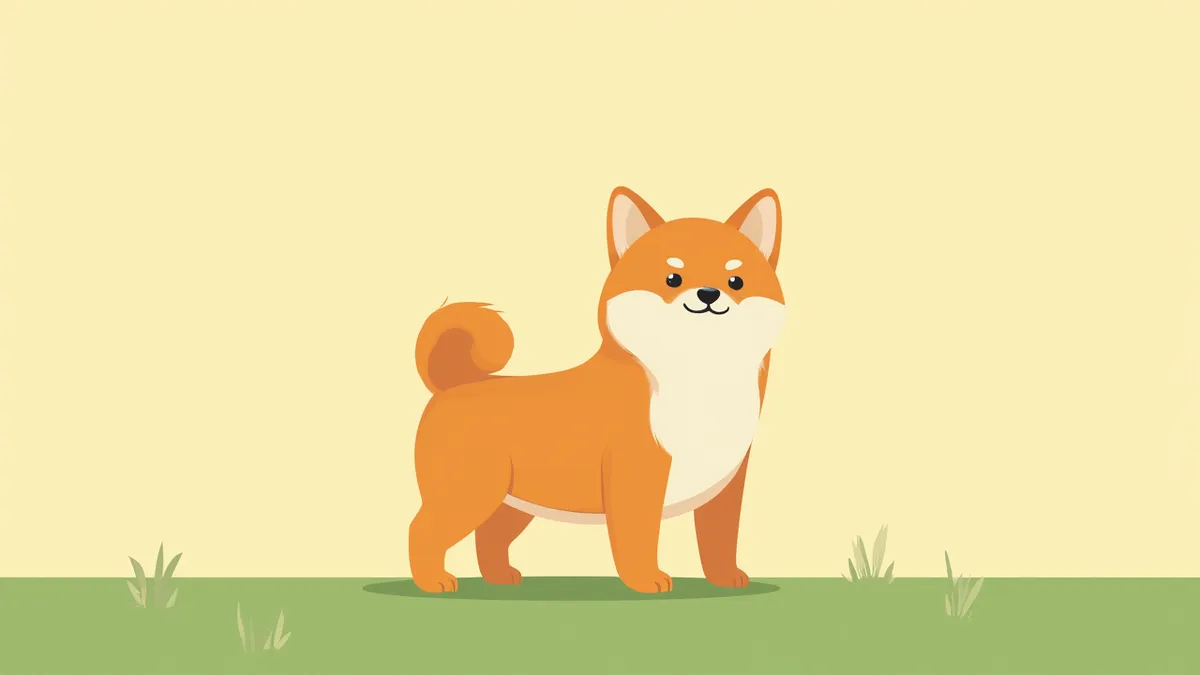
A Shiba Inu enjoying a walk in good health
The Shiba Inu is a small-to-medium-sized breed originating from Japan. Owners should be particularly mindful of conditions with genetic or developmental components, such as atopic dermatitis, patellar luxation, hip dysplasia, and glaucoma. Atopic dermatitis is an allergic condition with a strong hereditary tendency, though its prevalence can vary by region. The hallmark symptom is recurrent itching, making consistent monitoring by the owner essential. Although the Shiba Inu is known as a long-lived breed with an average lifespan of 12 to 15 years, you can help your dog stay healthy into its senior years by being aware of its genetically vulnerable areas and scheduling regular veterinary check-ups. The most important takeaway is to make it a habit to proactively check for breed-specific common diseases.

Top 7 Genetic Conditions Shiba Inus Should Watch For

Here are some key genetic and developmental conditions that Shiba Inu owners should be aware of. However, breed-specific incidence rates can vary depending on region and environment, so please use this information as a reference and confirm your dog’s health through regular veterinary check-ups. - Atopic dermatitis: A chronic allergic condition characterized by itching, redness, and recurrent infections - Patellar luxation: An orthopedic condition in which the kneecap dislocates from its normal position - Glaucoma: An ophthalmic disease involving increased intraocular pressure that narrows the field of vision - GM1 gangliosidosis: A metabolic disorder causing progressive degeneration of the nervous system - Hypothyroidism: Reduced energy levels and hair loss resulting from insufficient hormone production - Allergic otitis externa: Recurrent inflammation and itching in the ear canal - Hip dysplasia: Abnormal development of the hip joint

1. Atopic Dermatitis — The Shiba Inu’s Biggest Weakness
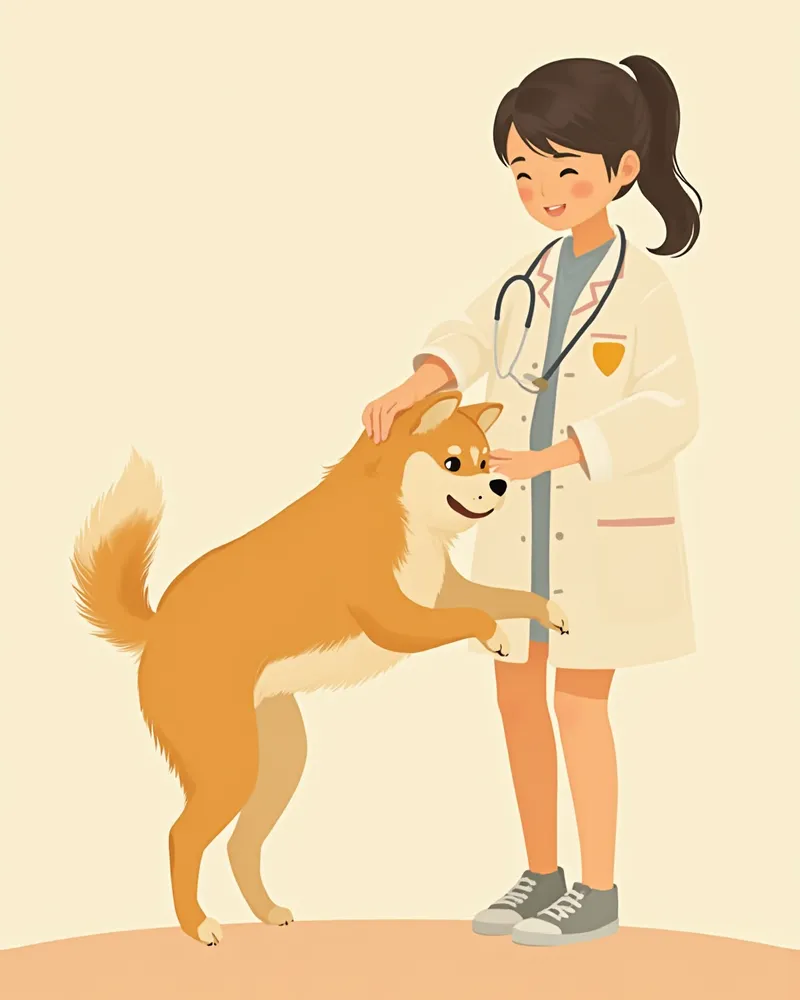
Shiba Inus can also develop atopic dermatitis. According to veterinary dermatology textbooks, the first signs of atopic dermatitis typically appear between 6 months and 3 years of age, with recurring itching in areas such as the paws, ears, armpits, and belly. Although it may seem like simple itching, leaving it untreated can lead to secondary bacterial or Malassezia infections. - Commonly affected areas: Between the toes, inside the ears, armpits, belly - Typical onset: Usually between 6 months and 3 years of age - Aggravating factors: Mites, pollen, food allergies, humidity
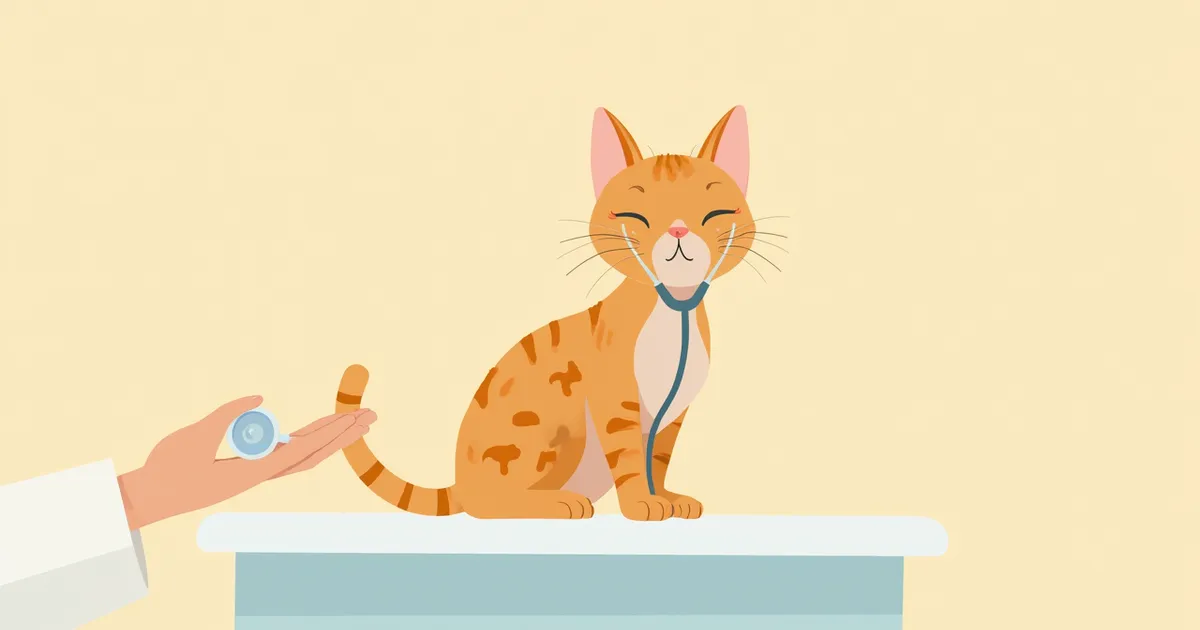
A Shiba Inu undergoing a skin examination by a veterinarian

These Signals Require Immediate Veterinary Care!

If you notice any of the following symptoms, it may not be simple itching but rather an emergency situation. If the condition persists for more than 24 hours or worsens rapidly, seek veterinary care immediately. - One eye suddenly becomes red with a dilated, fixed pupil (suspected glaucoma) - Repeatedly lifting the hind legs and walking with a hopping gait (suspected patellar luxation, grade 3–4) - Seizures or loss of balance lasting more than 24 hours (suspected neurological disorder) - Skin discharge, foul odor, or severe swelling

2. Patellar Luxation and Hip Dysplasia

Patellar luxation is a developmental orthopedic condition in which the kneecap slips out of its normal position, and it can occur in small to medium-sized dogs. Hip dysplasia is more commonly reported in large breeds but can also affect small dogs, with non-genetic factors such as nutrition, growth rate, body conformation, exercise level, and muscle mass also playing a role. Frequent activity on slippery floors or excessive jumping from a young age can place undue stress on the joints. Note that patellar luxation is often better diagnosed through physical examination than through imaging tests. - Warning signs: Suddenly lifting one leg while walking, or extending a leg sideways when sitting - Prevention tips: Use non-slip mats, maintain a healthy weight, and avoid excessive jumping - Diagnostic methods: Orthopedic physical examination, with radiographs if needed

Onset and Screening Intervals for Shiba Inu Genetic Diseases

ItemTypical onset ageRecommended checkup frequency
Atopic dermatitis6 months to 3 years of ageSkin exam every 6 months
Patellar luxationGrowth period (mainly at a young age)Orthopedic exam once a year
GlaucomaWatch from middle age onwardIntraocular pressure measurement once a year
HypothyroidismWatch from adulthood onwardHormone test once a year
GM1 gangliosidosisYoung ageGenetic test recommended before breeding

Recommended routine health checkup guide for Shiba Inu owners

3. Glaucoma and Ophthalmic Conditions
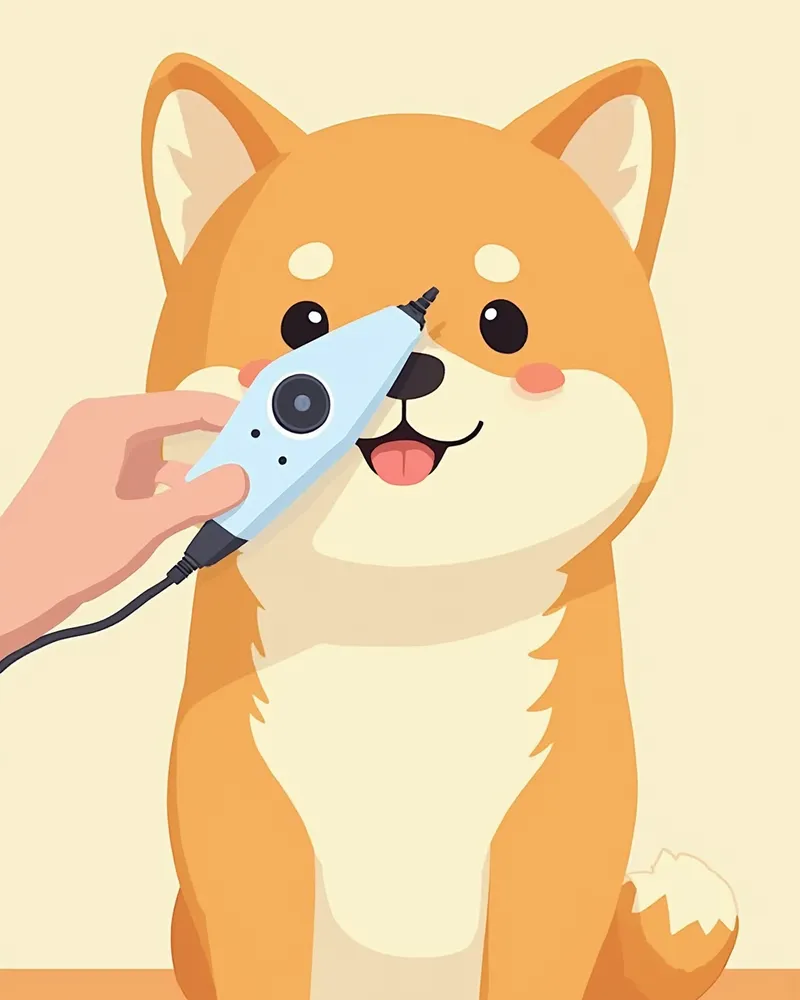
Primary glaucoma is an eye condition reported in several dog breeds with a genetic predisposition, so Shiba Inu owners should keep a close eye on it. Intraocular pressure can rise rapidly within hours, so if you notice acute symptoms, you need to respond quickly as an emergency. Diagnosis is difficult based on symptoms alone and requires direct measurement of intraocular pressure using a tonometer. Veterinary ophthalmology textbooks note that a predisposition to glaucoma has been reported in breeds such as Boston Terriers, Labrador Retrievers, and Great Danes. - Acute signs: Redness in one eye (conjunctival hyperemia), dilated pupils, eye rubbing or squinting - Recommended screening: Regular intraocular pressure measurements - Genetic testing: Pre-breeding screening of parent dogs is recommended
A Shiba Inu undergoing an eye examination

4. GM1 Gangliosidosis and Hypothyroidism

GM1 gangliosidosis is a hereditary metabolic disorder that causes dysfunction in nerve cells. Neurological symptoms such as loss of balance and decreased motor skills can appear from an early age, and unfortunately, there is no cure. Fortunately, genetic testing can identify carriers in advance, so pre-breeding testing is recommended. Hypothyroidism is an endocrine disorder caused by a deficiency of thyroid hormones. - Decreased energy, weight changes - Changes in skin and coat condition - Sensitivity to cold Diagnosis is made through hormone testing, and after diagnosis, symptoms can be managed with thyroid hormone supplementation, allowing for a near-normal quality of life.

Key Points for Shiba Inu Health Management

Shiba Inus are known for masking pain, so it’s crucial for owners to quickly notice even subtle changes from their pet’s normal behavior. - Confirm the genetic disease screening results of the parent dogs at the time of adoption. - Schedule a comprehensive health check-up once a year starting at one year of age. - Seek veterinary care immediately if skin itching persists for more than two weeks. - Use non-slip mats to protect the joints. - Maintain an ideal body weight (8–11 kg) to reduce stress on the joints.

5 Things Owners Should Check Daily
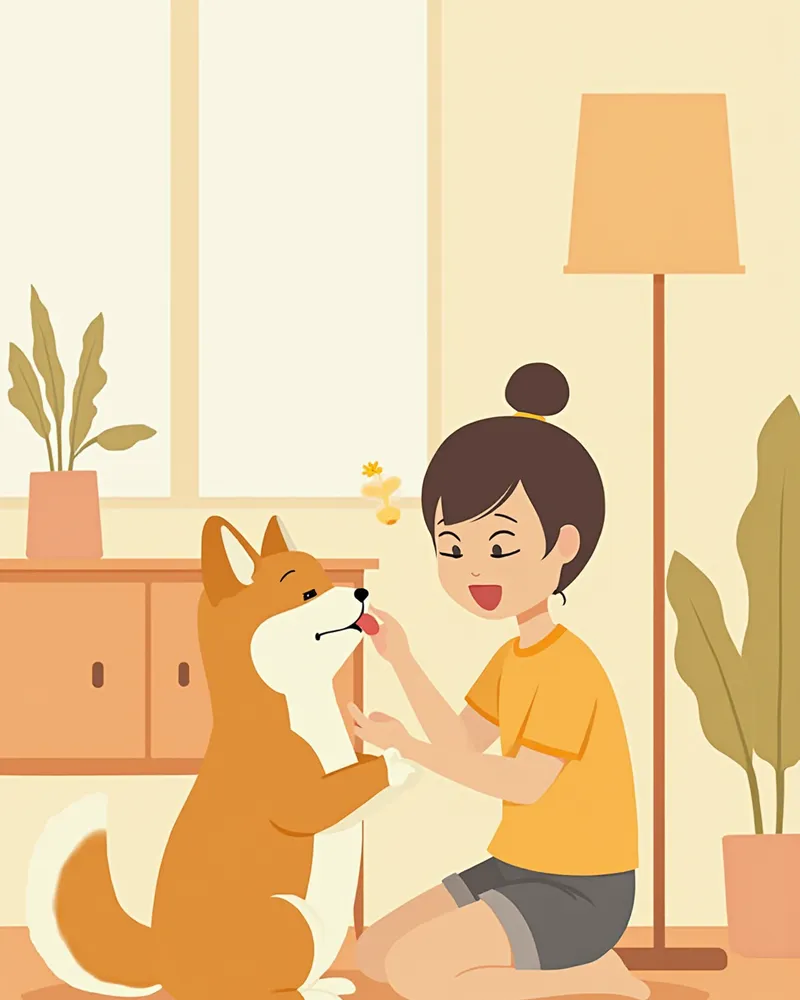
There are simple checks you can do every day without needing any fancy tests. Consistently monitoring these five areas can significantly increase the chances of early detection. - Eyes: Look for redness, tearing, or differences in pupil size between the left and right eyes. - Gait: Watch for limping or a stiff, awkward walk. - Skin: Check for itching or redness between the toes and inside the ears. - Energy Level: Note if your pet refuses walks or shows a decreased appetite compared to their usual routine. - Weight: Measure once a month to detect any sudden changes. Writing down even small observations can be very helpful during veterinary visits.
A pet owner checking their Shiba Inu’s paws and ears at home

Reviewed by a veterinarian

Dr. Tony — Punnawat Phongkittirak

Dr. Tony — Punnawat Phongkittirak

Veterinarian

A veterinarian who majored in veterinary medicine at Khon Kaen University, Thailand, and completed the IVSA program at North Carolina State University in the United States. Drawing on clinical experience at animal hospitals, he works in the pet healthcare field and is dedicated to building a digital care environment that connects pet parents with veterinarians.

Frequently Asked Questions

What genetic tests should a Shiba Inu undergo before being placed in a new home?
We recommend genetic testing for GM1 gangliosidosis, progressive retinal atrophy, and glaucoma-related conditions. A reputable breeder should have the parents' test results on file.
Can Shiba Inu atopic dermatitis be cured?
The key is lifelong management rather than a complete cure. By combining allergen avoidance, medicated baths, and immunotherapy, you can stably control the symptoms.
When should I start taking my Shiba Inu for regular check-ups?
We recommend an annual comprehensive health checkup starting at one year of age. After seven years, it’s advisable to have checkups every six months, including additional tests for intraocular pressure, hormones, and joints.
If you suspect patellar luxation in your Shiba Inu, is immediate surgery necessary?
In stages 1–2, progression can be slowed through weight management and conservative treatment. If the condition advances to stages 3–4, or if pain and gait abnormalities become severe, surgery should be considered.
What is the most important disease to watch out for in senior Shiba Inus?
Glaucoma, hypothyroidism, and cognitive dysfunction are among the most common conditions. After age seven, be sure to include regular eye pressure and hormone tests as part of your pet’s routine checkups.

Share

Related Guides

References

[1] BSAVA Manual of Canine and Feline Dermatology, 4th Edition - Atopic Dermatitis Chapter

[2] Ettinger's Textbook of Veterinary Internal Medicine, 8th Edition - Inherited Diseases of the Dog

[3] Gough A. et al., Breed Predispositions to Disease in Dogs and Cats, 3rd Edition, Wiley-Blackwell, 2018

[4] Slatter's Fundamentals of Veterinary Ophthalmology, 6th Edition - Glaucoma in Dogs

This information is based on veterinary literature and does not replace diagnosis or treatment. Please consult a veterinarian for specific health concerns.

Metapet Co., Ltd. | CEO: Park Sung-yong | Business Reg. No. 417-88-02562 | Seoul, South Korea | Customer Center

Shiba Inu Genetic Diseases: 7 Every Owner Should Know | Meongsiljang