Like
Share
멍실장
프렌치 불독 정기 검진·평생 케어 일정

French Bulldog Regular Check-up Schedule — Age-Specific Management for Brachycephalic Respiratory and Skin Conditions

ImmunityBreed HealthMeongsiljang Veterinary Advisory Board

We’ve compiled a comprehensive guide to the regular veterinary check-ups and daily, weekly, and monthly at-home care routines essential for your French Bulldog’s entire life. This includes age-specific care schedules tailored to the unique needs of brachycephalic breeds.

French Bulldogs Are a Breed That Requires Lifelong Check-ups
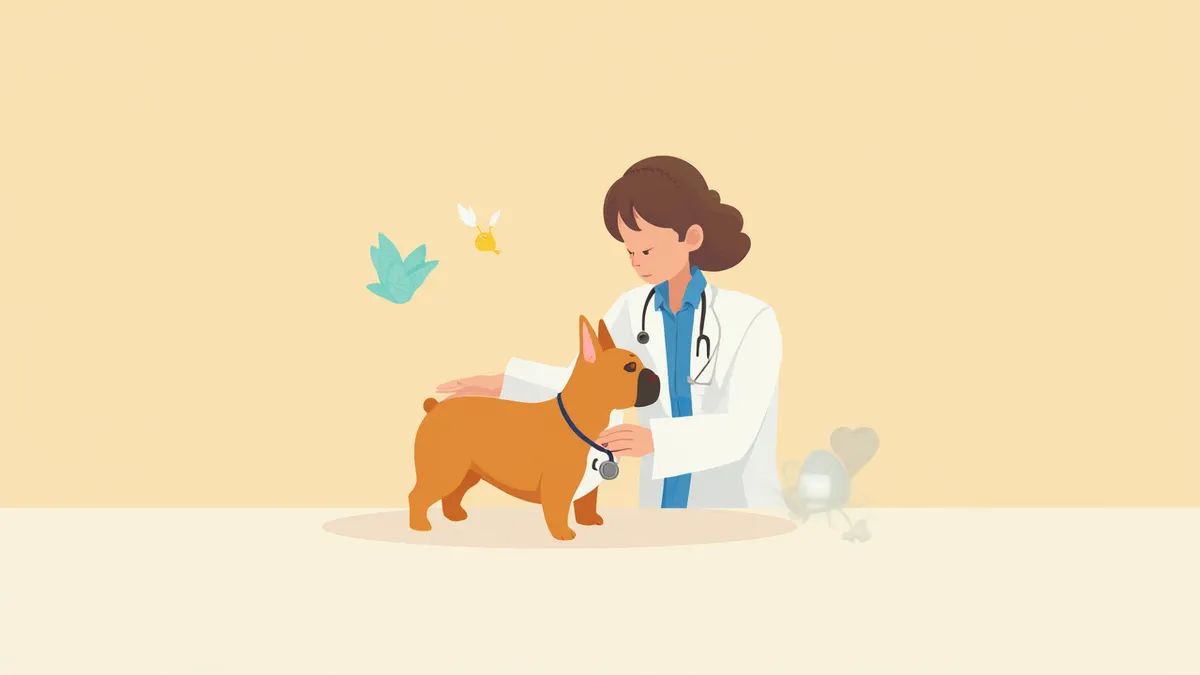
A French Bulldog being examined with a stethoscope by a veterinarian
French Bulldogs are a small breed that requires lifelong vigilance for brachycephalic airway syndrome, intervertebral disc disease, and allergic dermatitis. The cornerstone of regular check-ups is comprehensive veterinary exams once or twice a year, combined with monthly at-home monitoring. By consistently observing your dog’s breathing sounds, gait, and skin condition, and scheduling physical and blood tests at the vet every six months, you can detect major health issues early. This article outlines age-specific check-up schedules and daily, weekly, and monthly care items all in one place.

Common Health Issues in French Bulldogs

Brachycephalic airway syndrome: Shortened and narrowed nasal passages, soft palate, and trachea lead to noisy breathing and poor heat tolerance. Intervertebral disc disease: A neurological condition in which a disc between the vertebrae herniates, causing pain or paralysis. Atopic dermatitis: Environmental allergies that cause recurrent scratching and licking of the paws, belly, and ears. Corneal ulcer: The protruding eye structure makes the corneal surface prone to injury. Hip and patellar dysplasia: Loose leg joints that may result in limping. These five conditions are the primary focus during routine health screenings.

Age-Specific Regular Check-up Schedule

ItemPuppy (up to 1 year)Adult (1–7 years)Senior Dog (7 years+)
Comprehensive Physical ExamOnce a month1–2 times a yearEvery 6 months
Blood Test1–2 baseline testsOnce a yearEvery 6 months
EchocardiographyFalseRecommendedTrue
Spinal RadiographyCongenital checkWhen symptoms appearOnce a year
Dental Check/ScalingFalseEvery 1–2 yearsOnce a year recommended
Allergy TestOnce at 1 yearWhen symptoms recurWhen needed

Brachycephalic breeds have a high anesthesia risk, so examination items and timing should be decided in consultation with your veterinarian.

Daily Monitoring of Breathing Status

Brachycephalic airway syndrome is a structural issue that French Bulldogs are naturally prone to. You may often hear them snoring or making gurgling sounds, but if they take longer to recover after exercise or their lips and gums turn bluish, these are warning signs. During summer, keep indoor temperatures below 24°C (75°F) and limit walks to short outings in the early morning or late evening. If breathing difficulties recur, do not decide on your own whether corrective surgery is needed or when it should be performed; instead, consult thoroughly with a veterinarian experienced in treating brachycephalic breeds to make an informed decision.
A French Bulldog resting comfortably on a cooling mat

Go to the Vet Immediately If You See These Signs

If your pet’s tongue and gums turn purple or gray and their breathing becomes labored, it indicates insufficient oxygen supply. Sudden hindlimb paralysis, severe pain that causes screaming when the back is touched, loss of appetite lasting more than 24 hours, and seizures all require immediate emergency veterinary care. During hot summer months, if panting persists for over five minutes or if there is excessive drooling, heatstroke is a possibility, so take your pet to the clinic without delay.

Early Detection Checklist for Intervertebral Disc Disease

French Bulldogs are prone to early degeneration of the intervertebral discs, so neurological monitoring should begin at age three. At home, check weekly for signs such as hesitation when climbing stairs, avoidance of jumping, or a hunched gait. At the veterinary clinic, neurological reflex examinations are recommended every six months, and annual spinal radiographs are advised after age seven. According to veterinary internal medicine textbooks, chronic intervertebral disc disease progresses gradually and is easily overlooked by pet owners, so recording even minor changes can be helpful.

Lifelong Skin, Eye, and Ear Care Routine
Skin checks: Each week, inspect the spaces between the toes, the belly, and the armpits for any rashes or unusual odors.
Ear cleaning: Gently wipe the outer ear canal with a cleansing solution once every two weeks.
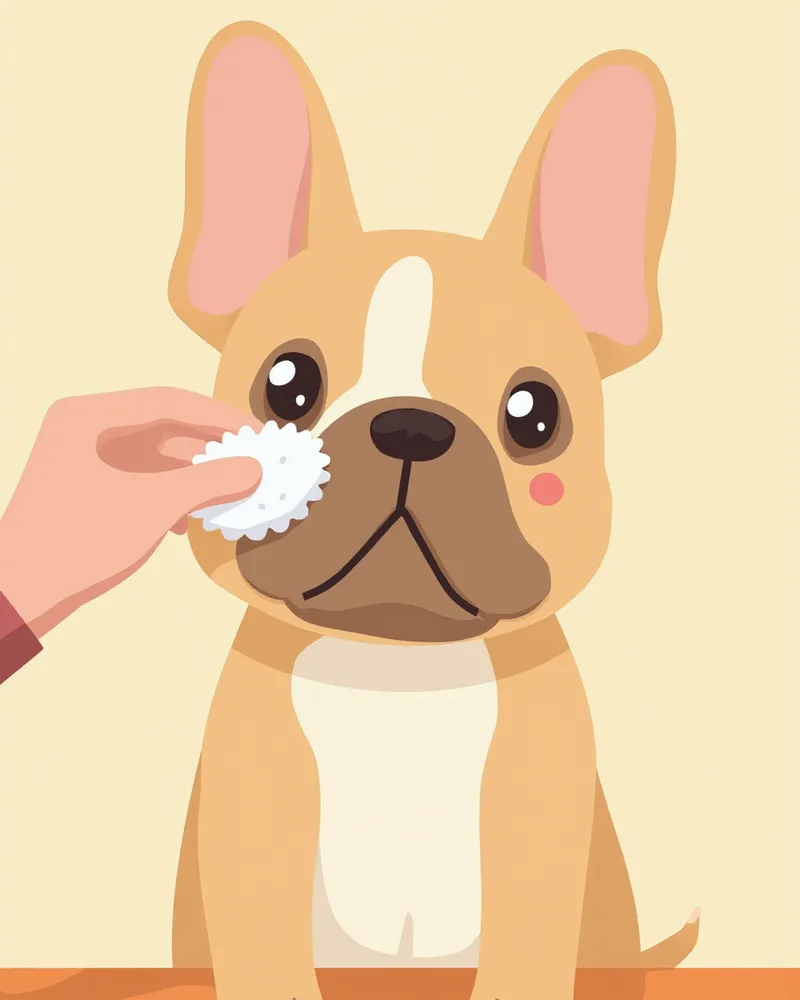
Eye care: Every morning, gently wipe away crust and tear stains with gauze moistened in lukewarm water.
Wrinkle care: Wipe the folds around the nose daily with a dry cloth to remove moisture.
Allergy testing: If you suspect atopic dermatitis, consult your veterinarian about allergy testing (intradermal or IgE serum testing) to identify the specific allergens involved.
Since otitis externa often stems from underlying skin conditions, managing both is key to preventing recurrence. Stick to this routine to keep your pet’s skin and ears in good health.
A caregiver gently wiping the wrinkles around a French Bulldog’s nose.

Vaccine and Parasite Prevention Schedule

Core vaccines are administered in a series of three doses, starting at six weeks of age and given at four-week intervals. From one year of age onward, annual booster shots for the combination vaccine and rabies vaccine are recommended. For heartworm and external parasite prevention, monthly administration from April through November is standard; however, if you live in a warm climate or your pet spends significant time outdoors, consult your veterinarian about year-round prevention. Because brachycephalic breeds are at higher risk for anesthesia complications, please monitor their breathing more closely than usual before and after vaccination.

Lifelong Care Checklist at a Glance

Daily: Monitor breathing sounds, walking condition, appetite, and bowel movements. Weekly: Weigh your dog, check the skin and toes, and sniff for any unusual odors from the ears. Monthly: Administer heartworm preventive medication and inspect the nails. Every six months: Conduct a comprehensive physical exam, blood tests, and neurological reflex checks. Annually: Provide vaccine boosters, perform a dental checkup, and conduct an echocardiogram (for dogs aged 7 and older). Following this routine alone can help detect common serious conditions in French Bulldogs at an early stage.

Reviewed by a veterinarian

Dr. Tony — Punnawat Phongkittirak

Dr. Tony — Punnawat Phongkittirak

Veterinarian

A veterinarian who majored in veterinary medicine at Khon Kaen University, Thailand, and completed the IVSA program at North Carolina State University in the United States. Drawing on clinical experience at animal hospitals, he works in the pet healthcare field and is dedicated to building a digital care environment that connects pet parents with veterinarians.

Frequently Asked Questions

At what age should French Bulldogs start receiving senior dog health checkups?
Dogs are generally considered senior starting at age seven, so we recommend comprehensive checkups and blood tests every six months. However, if your dog has a history of respiratory issues or joint problems, it’s perfectly fine to start this senior care schedule as early as age five.
I’ve heard that anesthesia can be risky. How should I go about getting a regular check-up for my pet?
Brachycephalic breeds are at higher risk for anesthesia complications, but choosing a clinic with extensive experience in handling these breeds can make the process relatively safe. Start with non-anesthetic tests like blood work, ultrasound, and X-rays, and ensure procedures such as dental scaling or surgery are performed at a facility equipped with specialized brachycephalic anesthesia monitoring equipment.
How should I walk my dog in the summer?
When temperatures exceed 25°C, avoid outdoor walks and instead take short trips during the early morning or within 30 minutes after sunset. Bring portable water and a cooling mat in your walk bag, and if your pet’s panting doesn’t stop for more than 5 minutes, immediately move them to the shade to cool down.
How should I prepare for a check-up package or pet insurance?
Pet insurance offers broader coverage when you enroll before your pet turns one year old. For brachycephalic breeds, some clinics provide specialized check-up packages that include a comprehensive physical exam, blood tests, urinalysis, and an echocardiogram. We recommend contacting clinics in advance to compare their offerings.
How often should I check my pet's weight?
French Bulldogs are prone to worsening breathing difficulties and joint strain when overweight, so weigh them at the same time each week. If their weight changes by more than 5% within a month, review their diet and exercise routine, and consult your veterinarian to adjust their meal plan if necessary.

Share

Related Guides

References

[1] Englar R., The Veterinary Workbook of Small Animal Clinical Cases, Case 41: Brachycephalic Airway Syndrome in French Bulldogs, 2017

[2] Schaer M., Gaschen F., Clinical Medicine of the Dog and Cat, 4th Edition, Chapter 14: Intervertebral Disc Disease, 2017

[3] American College of Veterinary Surgeons (미국수의외과학회), Brachycephalic Syndrome Patient Care Guideline

This information is based on veterinary literature and does not replace diagnosis or treatment. Please consult a veterinarian for specific health concerns.

Metapet Co., Ltd. | CEO: Park Sung-yong | Business Reg. No. 417-88-02562 | Seoul, South Korea | Customer Center

French Bulldog Check-up Schedule by Age: Airway & Skin | Meongsiljang