Like
Share
멍실장
시츄 단두종 호흡 관리 완벽 가이드

The Complete Guide to Respiratory Care for Brachycephalic Shih Tzus

RespiratoryBreed HealthMeongsiljang Veterinary Advisory Board

Due to their short snouts, Shih Tzus are prone to Brachycephalic Obstructive Airway Syndrome. Here’s a summary of key signs—such as snoring, reverse sneezing, and labored breathing—along with management tips.

What Respiratory Characteristics Do Shih Tzus Have?
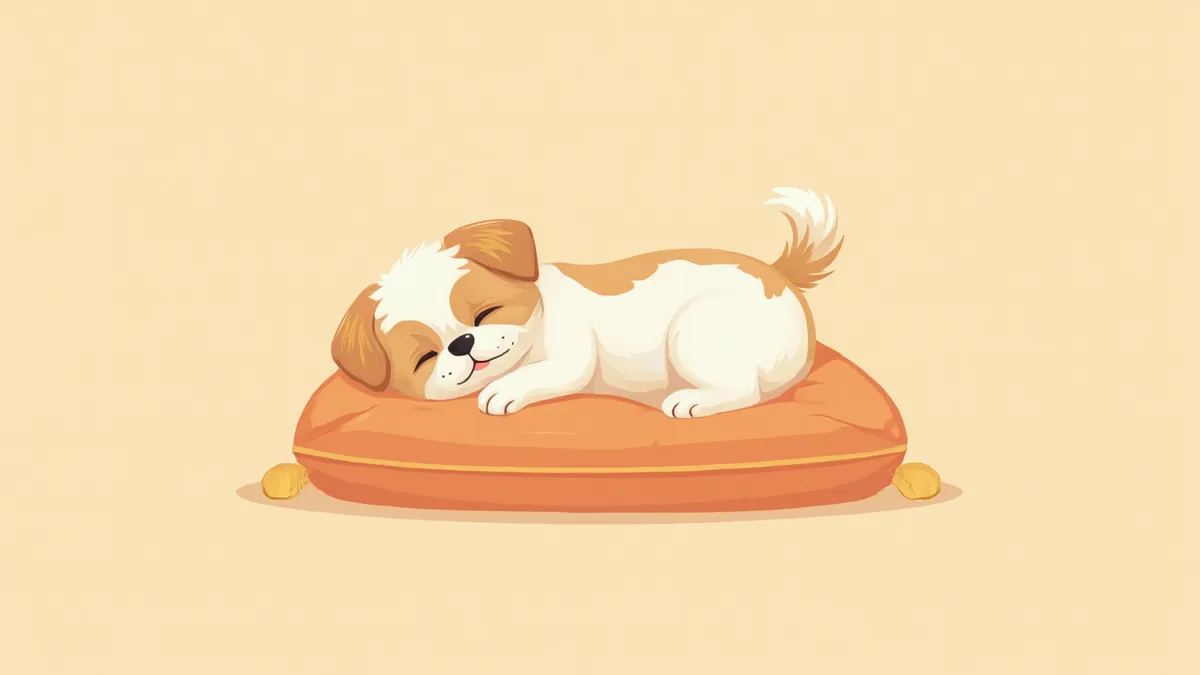
A Shih Tzu lying comfortably on a cushion
Shih Tzus are a brachycephalic breed with short, broad skulls. Because the soft tissues around their nose and neck don’t shrink proportionally to their reduced skull size, they can be pushed inward, narrowing the airway and making them prone to Brachycephalic Obstructive Airway Syndrome (BOAS). They’re especially sensitive to hot, humid weather, which can increase panting and put extra strain on their breathing. The key to daily care is getting familiar with your dog’s normal breathing sounds and patterns. If snoring worsens over time or if they’re panting with their mouth open for longer periods, it may not just be a habit—it could signal an underlying structural issue.

Respiratory and Structural Issues to Watch for in Shih Tzus

In Shih Tzus, respiratory structural abnormalities often manifest as a complex of lesions associated with Brachycephalic Obstructive Airway Syndrome (BOAS). - Narrow nostrils (nares stenosis): Restricted airflow increases inspiratory negative pressure, leading to louder snoring and snorting sounds. - Elongated soft palate: Excessively long soft tissue at the back of the roof of the mouth partially obstructs the airway entrance, causing wheezing. - Everted laryngeal saccules: Increased inspiratory negative pressure from narrowed nostrils causes the laryngeal saccules to protrude into the airway, further narrowing it. - Laryngeal collapse: Cumulative damage from repeated negative pressure and tissue injury can cause the laryngeal cartilage to collapse inward, potentially leading to severe respiratory distress. These lesions often occur together and exacerbate one another.

Signs of Respiratory Distress You Can Check at Home

If you notice any signs that differ from your pet’s usual behavior, suspect a worsening of Brachycephalic Syndrome. - Worsening snoring: Breathing sounds become progressively louder during sleep, with intermittent pauses in breathing. - Reverse sneezing: Sudden, forceful inhalations through the nose accompanied by a “ker-ker” sound. If the frequency increases or the episodes last longer, it may indicate issues with the nasal passages or soft palate. - Delayed recovery after exercise: Persistent panting or collapsing even after brief activity, without adequate recovery. - Changes in gum or tongue color: A bluish or purplish tint, which may suggest oxygen deprivation. - Coughing or gagging while eating: Frequent coughing fits while consuming kibble. If two or more of these symptoms occur together, please consult a veterinarian.
A close-up of a Shih Tzu’s face, clearly showing its short muzzle.

Emergency Respiratory Signs Requiring Immediate Veterinary Care

If your pet’s gums or tongue turn blue (cyanosis), or if they’re panting heavily with their mouth wide open and tongue hanging out for more than 10 minutes, seek immediate veterinary care. Cyanosis can signal a lack of oxygen in the body, making this an urgent situation. The same applies if your pet appears disoriented or collapses. During transport, keep the car cool by turning on the air conditioning, and gently apply a damp towel to their belly and paw pads to help lower their body temperature gradually. However, avoid attempting aggressive cooling methods on your own; it’s safest to follow the guidance provided by your veterinarian.

Daily Respiratory Care Guidelines

Here are the basic principles for reducing respiratory strain in Shih Tzus. - Weight Management: Maintaining an ideal body weight reduces pressure on the chest and airways, making breathing significantly easier. Excess weight can hinder respiratory health, so please keep your dog at a healthy weight. - Walking Times: During summer, walk your dog in the early morning or late evening when the asphalt is not hot. - Use a Harness Instead of a Collar: A harness reduces external pressure on the neck, helping to alleviate strain on the airways. - Indoor Environment: Hot and humid conditions increase panting and worsen airway swelling, leading to higher airflow resistance. Keep the indoor environment cool and comfortable, and avoid exposing your dog to excessive heat. - Managing Excitement: Overexertion and excessive panting can increase respiratory burden. Allow your dog plenty of rest after stressful events, such as guest visits or prolonged barking.
A Shih Tzu, wearing a harness, strolls along a shaded path early in the morning.

Leash vs. Harness — Which Is Better for Shih Tzus?

ItemStandard collar/leashY-shaped harnessVest-type harness
Neck/tracheal pressureStrongWeakWeak
Respiratory burdenHighLowLow
Recommended for Shih TzuFalseTrueTrue
Recommended useNot recommendedEveryday walksDogs prone to cold or excitement

For a Shih Tzu with tracheal collapse or brachycephalic syndrome, using a harness is the standard.

Diagnostic and Treatment Methods Confirmed by Veterinarians

If breathing problems recur, your pet should undergo a structural assessment at the clinic. Following a general physical exam, X-rays or endoscopy may be used to evaluate the soft palate, larynx, and trachea as needed. According to veterinary internal medicine textbooks, management of brachycephalic syndrome begins with medical care—such as weight control, environmental adjustments, and anti-inflammatory medications—based on symptom severity. If respiratory distress recurs, surgical options like soft palate resection or nostril widening may be considered. The veterinarian will determine the appropriate medication dosages and timing of surgery based on each individual patient’s condition.

Seasonal Precautions Shih Tzu Owners Must Know

Heatstroke risk is highest in summer, so never leave your pet alone in a parked car, avoid outdoor outings between noon and 4 p.m., and keep indoor air conditioning running consistently. In winter, cold air can irritate the airways, so allow your pet to gradually warm up after returning indoors from a walk. During seasonal transitions, dust and fine particulate matter can worsen respiratory irritation, so we recommend running an air purifier and gently wiping around your pet’s eyes and nose after going outside.

Reviewed by a veterinarian

Dr. Tony — Punnawat Phongkittirak

Dr. Tony — Punnawat Phongkittirak

Veterinarian

A veterinarian who majored in veterinary medicine at Khon Kaen University, Thailand, and completed the IVSA program at North Carolina State University in the United States. Drawing on clinical experience at animal hospitals, he works in the pet healthcare field and is dedicated to building a digital care environment that connects pet parents with veterinarians.

Frequently Asked Questions

Is it normal for Shih Tzus to snore?
Mild snoring is common in brachycephalic breeds due to their facial structure. However, if the snoring becomes louder or you notice pauses in breathing (apnea), it could be a sign of worsening brachycephalic obstructive airway syndrome, and a veterinary checkup is recommended.
How much walking is appropriate for a Shih Tzu?
Walk your dog during the cooler morning or evening hours to avoid peak heat, keeping a close eye on their breathing. If heavy panting persists or your dog collapses after activity, reduce the intensity of the exercise. Since the appropriate amount of exercise varies depending on each dog’s respiratory condition, it is best to consult with your veterinarian to determine the right level of activity.
Is surgery absolutely necessary?
Not every Shih Tzu requires surgery. Surgical options such as soft palate resection or nostril widening are considered only when a veterinarian determines that severe symptoms like breathing difficulties, cyanosis, or fainting episodes are recurring in daily life. Early detection of structural abnormalities is crucial for Brachycephalic Obstructive Airway Syndrome (BOAS), allowing for the development of a comprehensive medical and surgical management plan. The timing and specific approach to treatment are determined by your veterinarian based on your dog’s individual condition.
Is it dangerous if my pet has frequent reverse sneezing?
Short bouts of reverse sneezing are fairly common in brachycephalic breeds. However, if the episodes occur multiple times a day or increase in frequency and duration, it could indicate nasal or soft palate issues, so a veterinary examination is recommended.
Can an air purifier really help?
Reducing indoor dust and irritants can help lower the environmental burden on your pet’s airways. However, since veterinary textbooks do not provide direct evidence that air purifiers themselves treat BOAS, it’s best to use them as part of creating a comfortable environment rather than relying on them as a standalone treatment.

Share

Related Guides

References

[1] Fasanella FJ, Shivley JM, Wardlaw JL, Givaruangsawat S. Brachycephalic airway obstructive syndrome in dogs: 90 cases (1991-2008). J Am Vet Med Assoc. 2010;237(9):1048-1051.

[2] Liu NC, Troconis EL, Kalmar L, et al. Conformational risk factors of brachycephalic obstructive airway syndrome (BOAS) in pugs, French bulldogs, and bulldogs. PLoS ONE. 2017;12(8):e0181928.

[3] Ettinger SJ, Feldman EC, Cote E. Textbook of Veterinary Internal Medicine, 8th Ed. Chapter on Upper Airway Disorders.

This information is based on veterinary literature and does not replace diagnosis or treatment. Please consult a veterinarian for specific health concerns.

Metapet Co., Ltd. | CEO: Park Sung-yong | Business Reg. No. 417-88-02562 | Seoul, South Korea | Customer Center

Shih Tzu Breathing: Brachycephalic Airway Care Guide | Meongsiljang