Like
Share
멍실장
스코티시폴드 유전질환 체크리스트

Scottish Fold Genetic Disease Checklist

ImmunityBreed HealthMeongsiljang Veterinary Advisory Board

The gene responsible for the Scottish Fold’s folded ears is linked to cartilage abnormalities, making this a breed that requires lifelong management for conditions such as osteochondrodysplasia, polycystic kidney disease, and hypertrophic cardiomyopathy. We’ve outlined five key genetic disorders owners should know about, along with early warning signs to watch for.

What Kind of Breed Is the Scottish Fold?
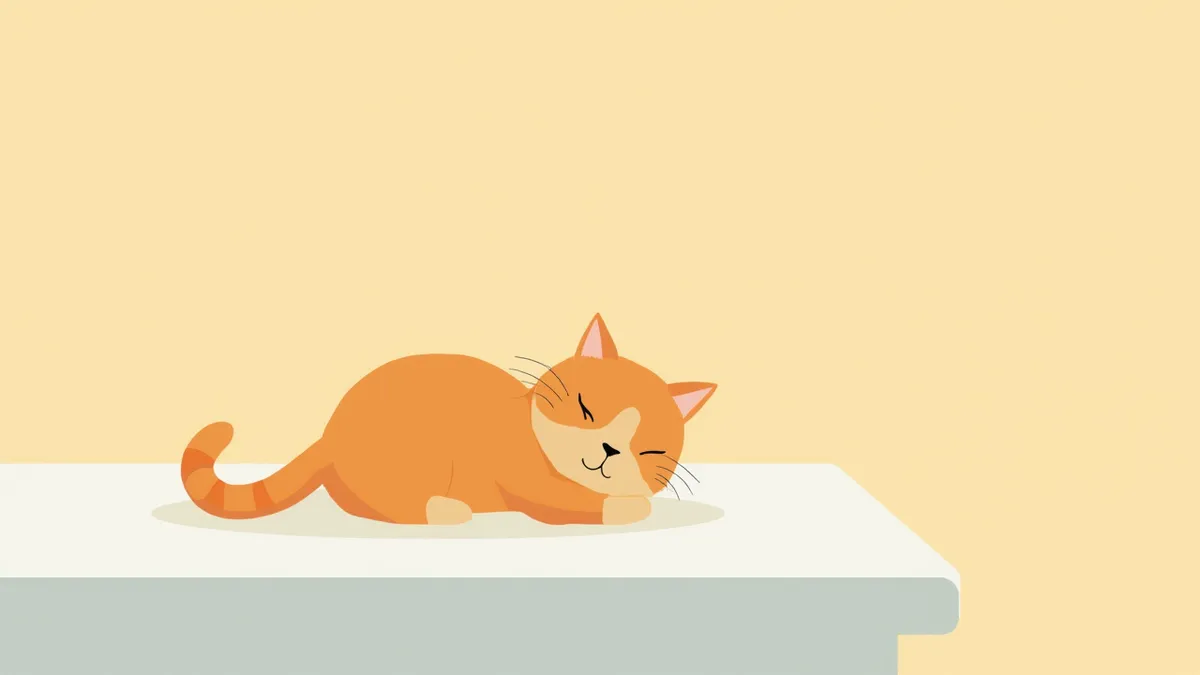
A Scottish Fold lying comfortably on the examination table at the veterinary clinic
The Scottish Fold is a medium-sized breed characterized by a cartilage mutation that causes the ears to fold forward. The most important thing to understand is that the dominant gene (TRPV4 mutation) responsible for this folded ear trait also affects cartilage throughout the body, leading to a joint disorder known as osteochondrodysplasia. Veterinary textbooks classify this mutation as incompletely dominant, meaning that any cat with folded ears will experience some degree of joint changes, varying only in severity. When you also consider the potential for hereditary heart disease (hypertrophic cardiomyopathy) and kidney disease (polycystic kidney disease), which are well-known in cats, it becomes clear that Scottish Folds require just as thorough regular veterinary check-ups as any other breed.

5 Genetic Diseases You Must Know

Scottish Fold owners should monitor their cats for these key health conditions throughout their lives:
Osteochondrodysplasia: This hereditary condition, directly linked to the breed, occurs when the cartilage mutation that causes folded ears affects cartilage throughout the body, leading to stiff joints and pain.
Hypertrophic Cardiomyopathy (HCM): An autosomal dominant hereditary heart disease in cats where the heart muscle thickens, potentially causing breathing difficulties and fainting.
Polycystic Kidney Disease (PKD): A well-known hereditary condition in Persians and Persian-mixed breeds, where fluid-filled cysts develop in the kidneys and progress to chronic kidney failure.
Oral and Periodontal Disease: All cats are at risk for periodontal disease, tooth resorption, and gingivitis after age one, making regular dental care essential.
Joint and Gait Issues: New bone growth around the hock and ankle joints may cause the cat to avoid jumping or walk with a dragging hind leg.

Osteochondrodysplasia: The First Thing to Check
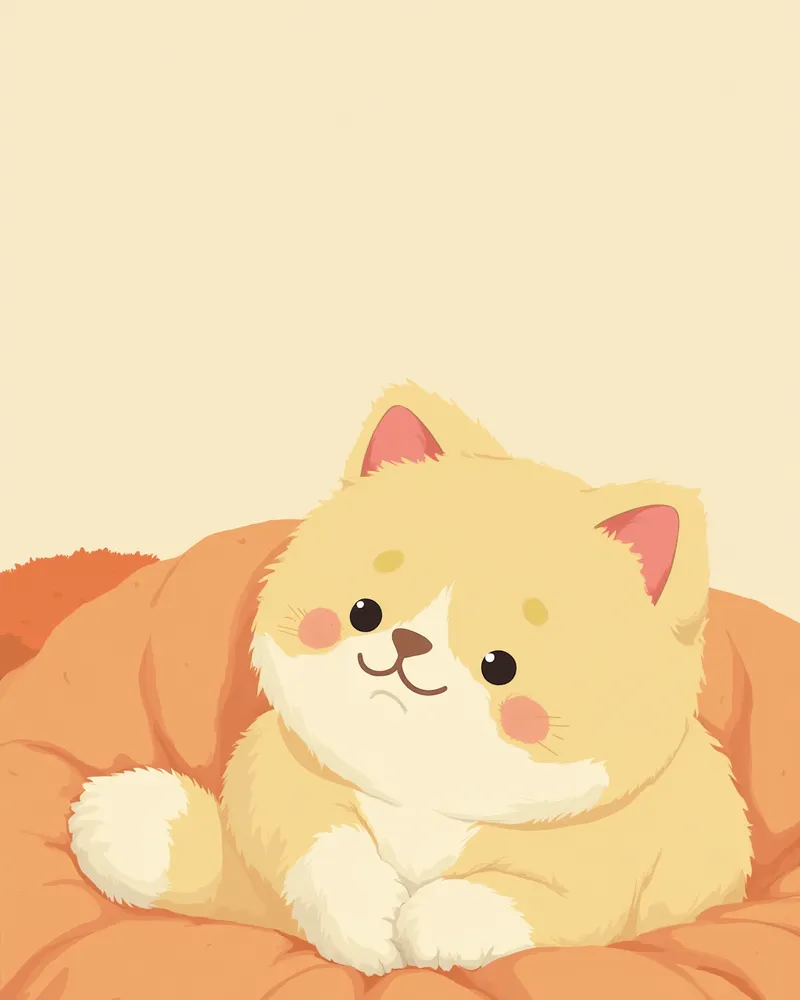
Scottish Fold osteochondrodysplasia is a genetic disorder characterized by abnormal development of cartilage and bone. According to veterinary internal medicine textbooks, this breed develops new bone growth (osteophytes) around the ankle and hind limb joints, leading to progressive joint stiffness. If your cat avoids jumping or drags its hind legs when walking from a young age, it may be a sign of pain rather than simple laziness.
A Scottish Fold resting on a blanket with its hind legs stretched out.

Go to the Vet Immediately If You See These Signs

The following symptoms may indicate progression of osteochondrodysplasia or heart disease: • A sudden decrease in jumping frequency or refusal to climb onto furniture • Limping on the hind legs or inward bowing of the ankles • Rapid breathing or open-mouthed panting • Sudden collapse or weakness in the hind legs • Loss of appetite accompanied by weight loss If any of these symptoms persist for more than 24 hours, seek veterinary care immediately.

What Tests Should Be Performed?

Genetic diseases often progress faster than their symptoms suggest, making regular check-ups essential. From an early age, we monitor joint changes with imaging, assess myocardial thickness with cardiac ultrasound, and track renal cysts with abdominal ultrasound. Genetic testing can identify carriers of certain conditions, such as polycystic kidney disease, before symptoms appear. Your veterinarian can recommend a breed-specific genetic panel, which is ideally performed once around the age of one.

At-a-Glance Screening Schedule by Genetic Disease

ItemOsteochondrodysplasiaHypertrophic cardiomyopathyPolycystic kidney disease
Recommended first screening age6 months of ageAround 1 year6–12 months of age
Main testsX-ray/CT imagingCardiac ultrasoundAbdominal ultrasound/genetic testing
Subsequent follow-up interval1 year1 year1–2 years
Possibility of early detectionTrueTrueTrue

The veterinarian may adjust the interval according to the individual's condition.

Management Points to Keep in Mind at Home
The goal for genetic conditions is not a cure, but rather slowing the progression of the disease.
Weight management: Even a 1 kg increase can significantly strain the joints and heart.
Flooring: Replace slippery hardwood floors with mats, and use beds with low steps.
Reduce jumping: Place cat tower levels closer together to minimize impact on the knees.
Omega-3 and joint supplements: Administer consistently under veterinary guidance.
Water intake: Use automatic water fountains and wet food to support kidney health.
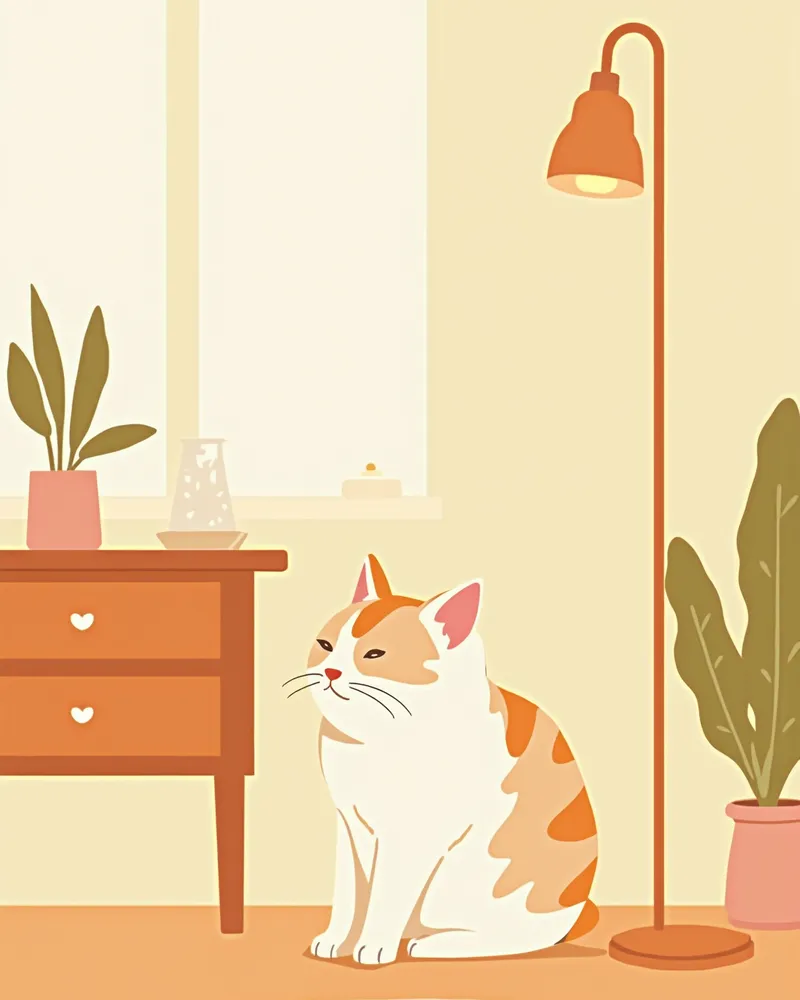
A cat-friendly living room equipped with low steps, mats, and an automatic water dispenser

Precautions for Scottish Fold Adoption and Breeding

The folded-ear gene worsens osteochondrodysplasia the more copies a cat inherits. Breeding two fold cats together puts all their kittens at risk for severe joint deformities, which is why the international veterinary community strongly advises against it. If you're planning to breed, always consult with a veterinarian first, and when adopting, request the health records of the parent cats.

Reviewed by a veterinarian

Dr. Tony — Punnawat Phongkittirak

Dr. Tony — Punnawat Phongkittirak

Veterinarian

A veterinarian who majored in veterinary medicine at Khon Kaen University, Thailand, and completed the IVSA program at North Carolina State University in the United States. Drawing on clinical experience at animal hospitals, he works in the pet healthcare field and is dedicated to building a digital care environment that connects pet parents with veterinarians.

Frequently Asked Questions

Do all Scottish Folds with folded ears develop osteochondrodysplasia?
While the severity varies, almost all dogs carrying the gene for folded ears experience some degree of joint changes. In some cases, the symptoms are mild enough that the dog can live a normal life without major issues, while in others, severe pain may begin at a young age.
Do Scottish Folds with straight, upright ears face the same risks?
Straight-eared cats lack the folded-ear gene, so their risk of osteochondrodysplasia is significantly lower. However, hereditary conditions common in cats, such as hypertrophic cardiomyopathy and polycystic kidney disease, should still be evaluated based on breed and lineage. Therefore, it is important to maintain regular health check-ups and undergo necessary genetic testing.
Will simply giving joint supplements improve osteochondrosis?
Supplements are supportive aids that help slow disease progression, not cures. To see real benefits, they need to be combined with pain management, weight control, and environmental improvements.
Can I still get pet insurance if my pet has a genetic condition?
While criteria vary by insurer, you can often enroll your pet before a diagnosis is made. However, since pre-existing conditions may be excluded from coverage, it’s advantageous to consider purchasing insurance shortly after adoption.

Share

Related Guides

References

[1] Little, S. The Cat: Clinical Medicine and Management, 2nd Edition, Chapter 52 Genetics of Feline Diseases and Traits

[2] Schaer, M. & Gaschen, F. Clinical Medicine of the Dog and Cat, 4th Edition, Section III — Osteochondrodysplasia

[3] Gough, A., Thomas, A., O'Neill, D. Breed Predispositions to Disease in Dogs and Cats, 3rd Edition

This information is based on veterinary literature and does not replace diagnosis or treatment. Please consult a veterinarian for specific health concerns.

Metapet Co., Ltd. | CEO: Park Sung-yong | Business Reg. No. 417-88-02562 | Seoul, South Korea | Customer Center

Scottish Fold Genetic Disease Checklist: 5 to Watch | Meongsiljang