

Miniature Schnauzer Pancreatitis and Hyperlipidemia Precautions and Age-Specific Lifelong Health Management Guide
We’ve compiled a veterinary evidence-based guide covering the causes, symptoms, and dietary management of pancreatitis and hyperlipidemia—conditions to which Miniature Schnauzers are genetically predisposed—along with age-specific screening plans from puppyhood through senior years.
Miniature Schnauzers and Pancreatic and Lipid Health

Top 4 Conditions Schnauzers Must Be Especially Cautious About
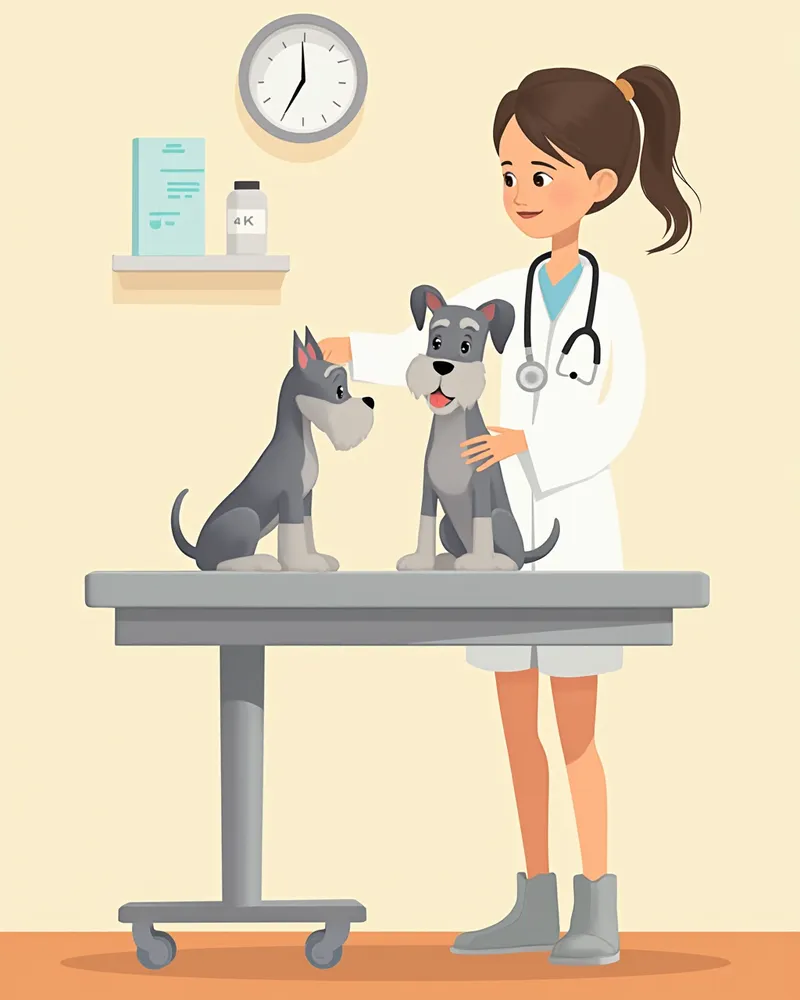
Go to the Veterinary Clinic Immediately If You See These Symptoms
These are emergency signs of acute pancreatitis. Seek immediate veterinary care if your pet experiences repeated vomiting, assumes a prayer-like posture with front legs stretched out and abdomen pressed to the floor, shows severe lethargy and complete loss of appetite, or vomits yellow or green bile. Be especially vigilant if these symptoms appear after consuming fatty foods, unfamiliar foods, human table scraps, or garbage, as such dietary indiscretions are known to increase the risk of acute pancreatitis.
Pancreatitis Causes, Diagnosis, and Treatment — What You Must Know
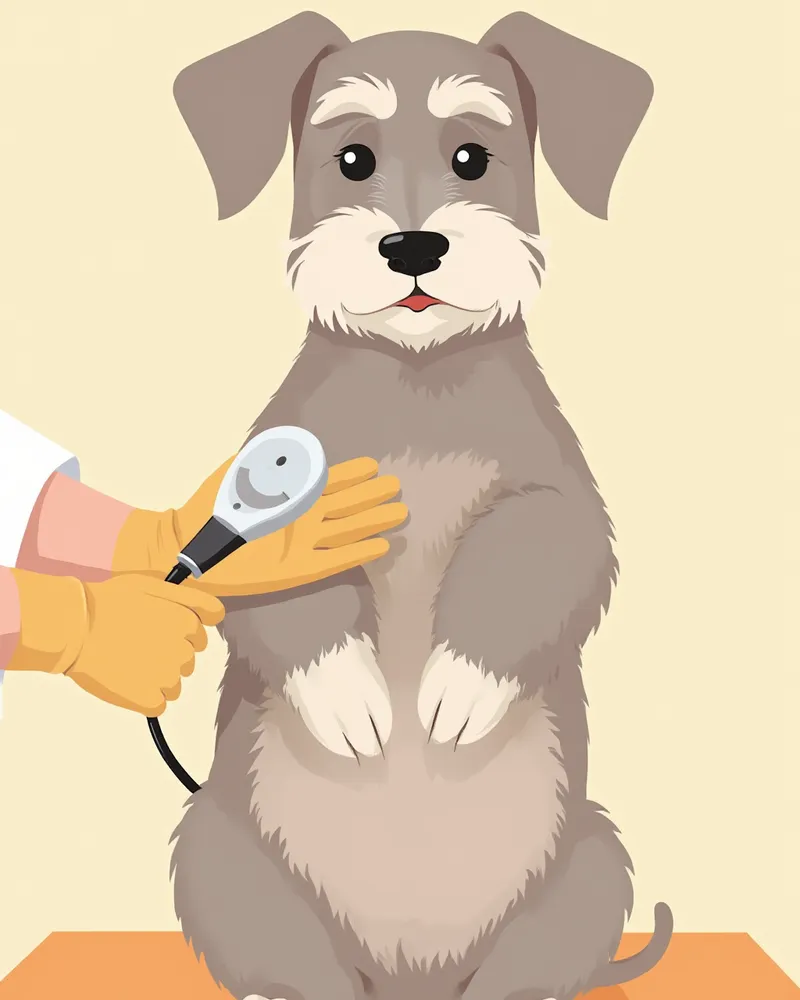
Hyperlipidemia — Schnauzers’ Unique Genetic Vulnerability
Age-Specific Health Screening Checklist
| Item | Puppy (~1 year) | Adult Dog (1–7 years) | Senior Dog (7+ years) |
|---|---|---|---|
| Checkup Interval | Along with vaccinations | Once a year | Twice a year |
| Blood Test Items | Confirm baseline values | Lipids, pancreatic enzymes | Lipids, pancreas, kidney, thyroid |
| Abdominal Ultrasound | Perform if needed | Once a year recommended | Twice a year recommended |
| Dietary Management | Low-fat weaning food/kibble | Maintain low-fat kibble | Actively consider prescription diet |
If there is a history of pancreatitis, shorten the checkup interval according to the veterinarian's instructions
Pancreatitis-Inducing Risks — Foods You Must Never Feed
According to veterinary clinical nutrition textbooks, the following foods are strictly prohibited for patients with chronic pancreatitis: beef, lamb, smoked meats, and sausages; fatty fish such as salmon and sardines; dairy products like cheese and full-fat yogurt; jerky and sausage-shaped treats; and peanut butter and cooking oils. These should be avoided entirely, even in small amounts, as a single lapse can trigger an acute flare-up.
Practical Guide to Proper Dietary Management for Schnauzers

Reviewed by a veterinarian

Dr. Tony — Punnawat Phongkittirak
VeterinarianA veterinarian who majored in veterinary medicine at Khon Kaen University, Thailand, and completed the IVSA program at North Carolina State University in the United States. Drawing on clinical experience at animal hospitals, he works in the pet healthcare field and is dedicated to building a digital care environment that connects pet parents with veterinarians.
Reviewed 2026-05-28
Frequently Asked Questions
Why are Schnauzers more prone to pancreatitis?
What kind of food should I feed my pet after a diagnosis of pancreatitis?
Should hyperlipidemia be treated even if there are no symptoms?
How often should blood tests be performed?
What complications can arise from recurrent pancreatitis?
Share
Related Guides

My Senior Cat Won’t Eat — A Complete Guide to Choosing Food for Cats with Weak Digestion
Top 5 Prescription Diets for Feline Pancreatitis Recommended by Veterinarians — Low-Fat, Highly Digestible Food Guide

Royal Canin vs Hill’s vs Purina vs Orijen — Which Brand Is Right for Your Pet, According to Veterinarians?

Yorkshire Terrier Patellar Luxation — A Complete Guide to Stage-by-Stage Symptoms and Regular Screening
Burmese Cat Diabetes Susceptibility — Diet and Weight Management Guide
Miniature Schnauzer Diabetes and Pancreatitis: A Complete Guide to Symptoms, Diagnosis, and Dietary Management

Persian Skin Tumors: A Complete Guide — From Causes to Lifelong Skin Care

Cavalier Mitral Valve Disease (MVD) — Complete Guide to Symptoms, Stage-by-Stage Progression, and Heart Care

German Shepherd Hip and Elbow Dysplasia — From Screening Timing to Lifelong Management

Shiba Inu Hip and Elbow Dysplasia — Complete Guide to Screening Timelines and Common Conditions
References
[1] Fascetti AJ, Delaney SJ. Applied Veterinary Clinical Nutrition, 2nd Ed. Wiley-Blackwell, 2018. Chapter 12: Gastrointestinal Disease.
[2] Schaer M, Gaschen F. Clinical Medicine of the Dog and Cat, 4th Ed. CRC Press, 2022. Chapter 25: Nutrition of the Critically Ill Dog and Cat.
[3] Latimer KS. Fundamentals of Veterinary Clinical Pathology, 3rd Edition. Wiley-Blackwell, 2011. Chapter: Pancreatitis.