Like
Share
멍실장
비글 비만 관리 (호발 품종)

Beagle Obesity Management (Prone Breed)

WeightBreed HealthMeongsiljang Veterinary Advisory Board

Beagles are a quintessential breed known for their strong appetite and susceptibility to obesity. We’ve compiled the essential information every owner should know, from assessing body condition scores to managing diet and exercise.

Why Are Beagles Prone to Obesity?

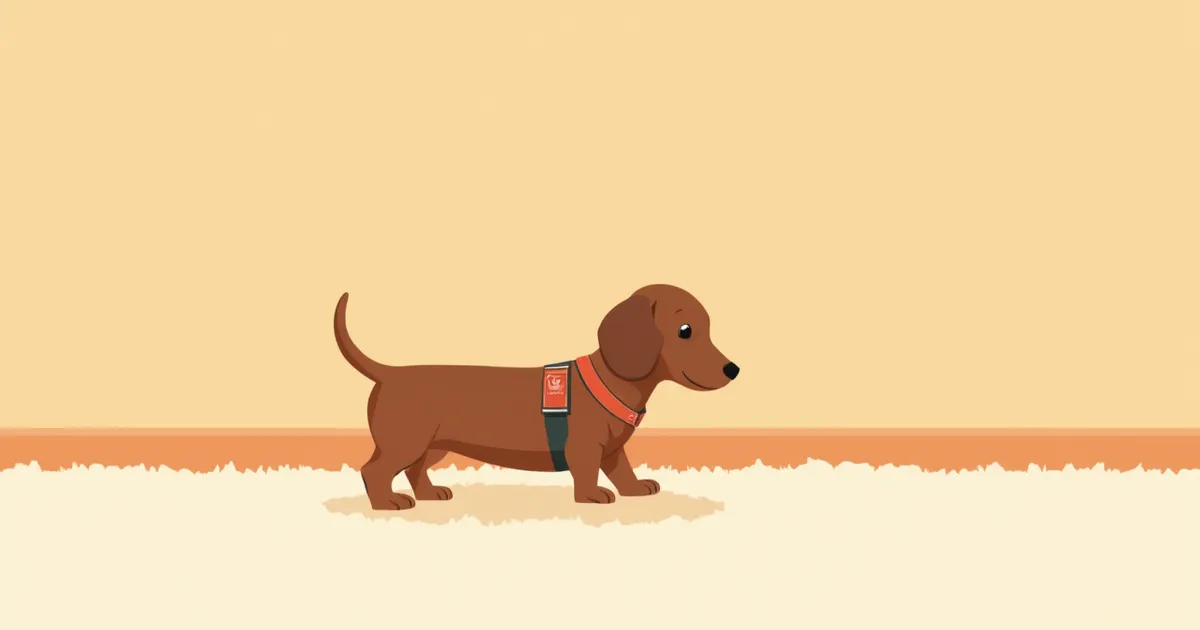
A side view of a Beagle with an ideal body condition
Beagles have a strong appetite and high food motivation, making them prone to obesity if owners neglect proper meal and treat management. The most important goal is to maintain a Body Condition Score (BCS) of 4–5 out of 9 throughout their lives. According to veterinary textbooks, obesity has a strong breed predisposition, with Labrador Retrievers, Pugs, Cocker Spaniels, and Cavalier King Charles Spaniels being particularly vulnerable, while sight hounds like Greyhounds tend not to gain weight easily. Obesity is a common problem, with an estimated 20–40% of all dogs being overweight or obese, so Beagles with their strong food drive require even more consistent and strict weight management.

Main Causes of Beagle Obesity

Beagle obesity isn’t just about overeating—it’s the result of several factors working together. - Strong food drive: Their highly developed sense of smell makes them extremely sensitive to food odors, and owners often give in to begging behavior. - Excessive treats: Frequent treats, including dental chews, can easily push daily calorie intake over the recommended limit. - Lack of exercise: Insufficient physical activity reduces calorie expenditure, increasing the risk of obesity. - Metabolic changes after sterilization: Studies show that sterilized dogs have a higher risk of becoming overweight or obese compared to intact dogs. - Free-feeding: Leaving food bowls constantly filled (ad libitum feeding) encourages overeating.

Checking for Obesity with Body Condition Score (BCS)
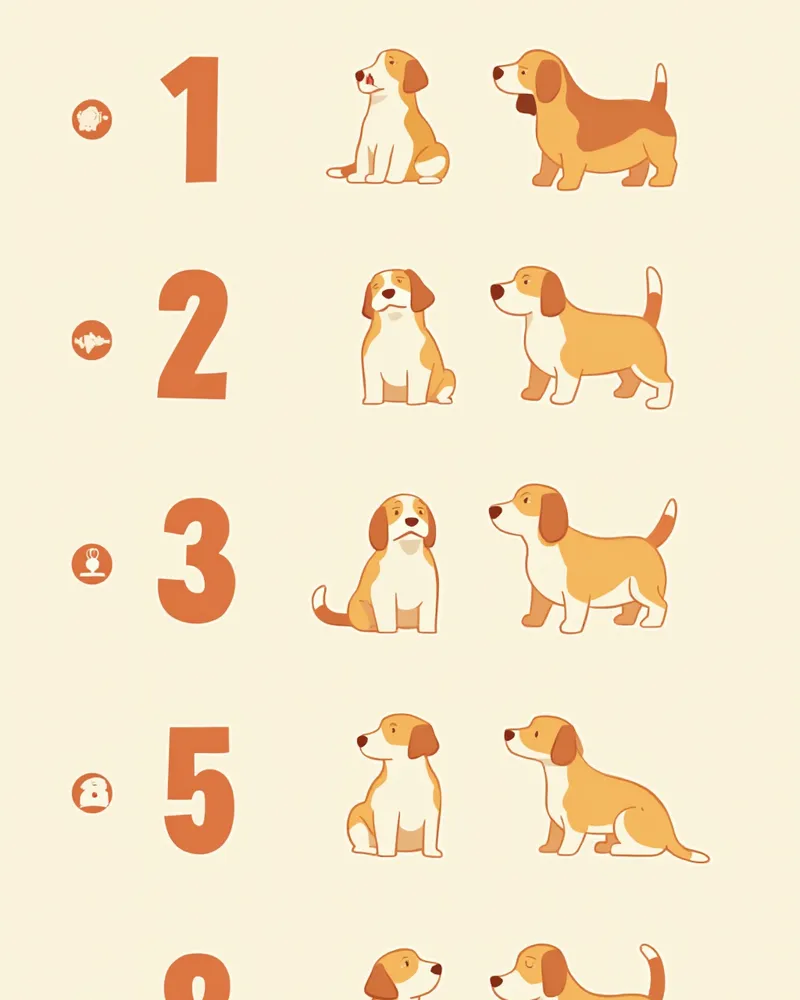
Purina’s 9-point Body Condition Score (BCS) chart is a widely used tool to help determine whether your pet is overweight or obese. The BCS evaluates your pet’s overall body condition on a scale of 1 to 9 by assessing rib palpation, waist definition, and abdominal contour. A score of 4–5 is considered ideal, 6–7 indicates overweight, and 8 or higher signifies obesity. According to standard veterinary guidelines, obesity is defined as a body weight exceeding the ideal by 20% or more, or a BCS of 8 or higher on the 9-point scale. At home, you can check your pet’s condition by gently pressing your palm over their ribs: if you can easily feel the ribs beneath a thin layer of fat, your pet is at a healthy weight; if the ribs are difficult to feel due to a thick fat layer and the waistline is no longer visible, your pet may be overweight or obese.
Beagle Body Condition Score Assessment Guide

Beagle BCS Stage-by-Stage Checkpoints

ItemNormal (4–5)Overweight (6–7)Obese (8–9)
Rib palpationEasily feltFelt through a thick fat layerBarely palpable
Waist outline (from above)Clear hourglass shapeOutline becomes indistinctNo waist outline
Abdominal line (from the side)Abdomen tucks upAbdominal line is flatAbdomen sags
Relative to ideal weightIdeal weight+10–20%+20% or more

A Beagle's ideal weight is usually in the 9–11 kg range. It varies with body size and frame.

Why Obesity Is Dangerous for Beagles

When Beagles become overweight or obese, their risk of developing conditions such as cranial cruciate ligament rupture, intervertebral disc disease (IVDD), diabetes mellitus, and osteoarthritis increases significantly compared to dogs at a healthy weight. Veterinary textbooks report that obesity contributes not only to orthopedic disorders but also to metabolic and endocrine diseases. In particular, the added weight burden on the spine can exacerbate disc issues, leading to pain and mobility problems. Research also shows that obese dogs live, on average, two to three years less than dogs at a healthy weight, underscoring how crucial weight management is for both health and longevity.

Beagle Diet Management for Weight Loss

Managing obesity in Beagles centers on calorie restriction and increased protein intake. Veterinary nutrition research shows that high-protein diets help reduce fat while preserving lean muscle mass during weight loss. - Calorie control: Feed only the precise amount determined by your veterinarian based on your dog’s target weight. - High-protein food: Choose a diet with sufficient protein to reduce fat without losing muscle. - High-fiber food: Helps maintain a feeling of fullness. - Use a measuring cup: Estimating portions leads to significant errors; always measure accurately with a cup. - Limit treats: Treats should count as part of the daily calorie allowance.
Measuring the food accurately with a measuring cup

Appropriate Exercise Amount and Methods for Beagles

Beagles are descendants of hunting dogs, so they need at least 60 to 90 minutes of activity each day. For overweight Beagles, sudden high-intensity exercise can strain their joints, so it’s important to increase their activity level gradually. - Stage 1 (Weeks 1–2): Two 20-minute walks on flat ground per day - Stage 2 (Weeks 3–4): Two 30–40-minute walks per day, with light inclines added - Stage 3 (Week 5 onward): A combination of walks, nose work, swimming, and other varied activities - Nose Work Benefits: Beagles have a highly developed sense of smell, making nose work an excellent way to burn calories while providing mental stimulation - Summer Precautions: Beagles are sensitive to heat, so it’s best to walk them in the early morning or evening

Common Mistakes Made by Beagle Owners

Beagles are known for their insatiable appetite, which often leads owners to mistakenly believe that their dog’s constant eating is a sign of happiness. This misconception is the primary cause of obesity in the breed. Small indulgences—such as sharing table scraps, offering treats after every walk, or giving occasional human food—can accumulate over time, resulting in weight gain comparable to a human gaining 5–10 kg from eating just 1–2 kg extra per week. Instead of giving in to their strong food drive, stricter management is essential to prevent health issues.

When to Visit the Vet
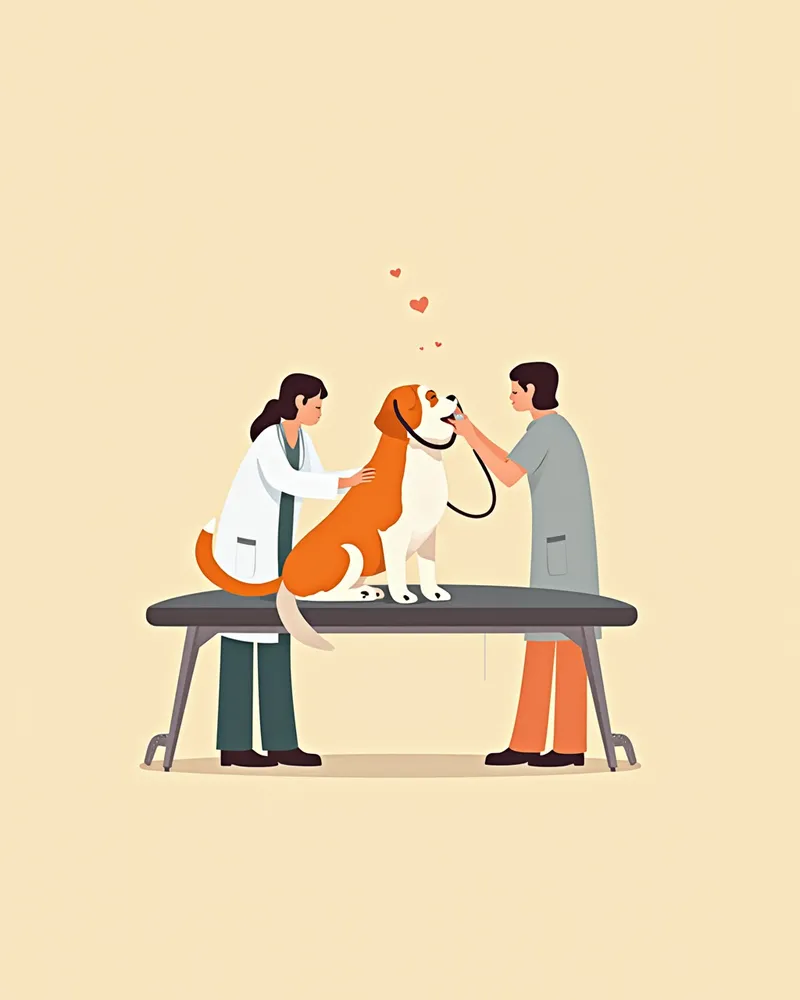
Consult your veterinarian if you notice any of the following signs: - Body Condition Score (BCS) of 7 or higher: A structured weight-loss program is necessary. - Difficulty climbing stairs: This may indicate underlying joint or spinal issues. - Labored breathing: This can be a sign of cardiovascular or respiratory strain caused by obesity. - No change despite consistent dieting: Endocrine testing, such as for hypothyroidism, may be required. - Sudden increase in water intake and urination: This could indicate diabetes mellitus. Your veterinarian will determine the appropriate target weight, daily caloric intake, and suitable prescription diet. Since obesity can occasionally be associated with endocrine disorders such as hypothyroidism or hyperadrenocorticism, it is advisable to include hormone testing when diagnosing obesity.
A veterinarian treating beagles

Reviewed by a veterinarian

Dr. Tony — Punnawat Phongkittirak

Dr. Tony — Punnawat Phongkittirak

Veterinarian

A veterinarian who majored in veterinary medicine at Khon Kaen University, Thailand, and completed the IVSA program at North Carolina State University in the United States. Drawing on clinical experience at animal hospitals, he works in the pet healthcare field and is dedicated to building a digital care environment that connects pet parents with veterinarians.

Frequently Asked Questions

What is the ideal weight for a Beagle?
A Beagle’s ideal weight is typically between 9 and 11 kg. Since this can vary depending on bone structure and sex, it’s more accurate to assess their condition using a Body Condition Score (BCS) of 4–5 out of 9.
How long does a Beagle’s diet typically take?
A safe rate of weight loss is 0.5% to 1% of your pet’s body weight per week. If the goal is to lose 5 kg, it will take approximately 6 to 9 months. Losing weight too quickly can lead to muscle loss and nutritional deficiencies.
Should I never give treats to my Beagle?
It’s not an absolute ban; just limit treats to no more than 10% of your pet’s daily caloric intake. Offer small pieces of low-calorie options like boiled chicken breast, carrots, or broccoli.
What is the difference between diet food and regular food?
Diet foods are formulated to lower calorie content while increasing protein and dietary fiber to help maintain a feeling of fullness. High-protein diets have been shown to help minimize muscle loss during weight reduction.
Can exercise alone solve obesity in beagles?
Exercise alone isn't enough. The primary cause of obesity is consuming more calories than needed, so dietary management is the most critical factor, with exercise playing a supportive role. Combining both approaches is essential to effectively lose weight while preserving muscle mass.

Share

Related Guides

References

[1] Applied Veterinary Clinical Nutrition, 2nd Edition - Chapter 9: Nutritional Management of Body Weight

[2] Clinical Medicine of the Dog and Cat, 4th Edition - Chapter 26: Management of the Obese Dog or Cat

[3] The Veterinary Workbook of Small Animal Clinical Cases - The New Puppy Wellness Examination

[4] The Dog Care Handbook: Things I Wish My Vet Had Told Me

[5] Robertson ID. The association of exercise, diet and other factors with owner-perceived obesity in privately owned dogs. Preventive Veterinary Medicine 2003;58(1-2):75-83

This information is based on veterinary literature and does not replace diagnosis or treatment. Please consult a veterinarian for specific health concerns.

Metapet Co., Ltd. | CEO: Park Sung-yong | Business Reg. No. 417-88-02562 | Seoul, South Korea | Customer Center

Beagle Obesity Management: Weight Control for a Prone Breed | Meongsiljang